
Desserts
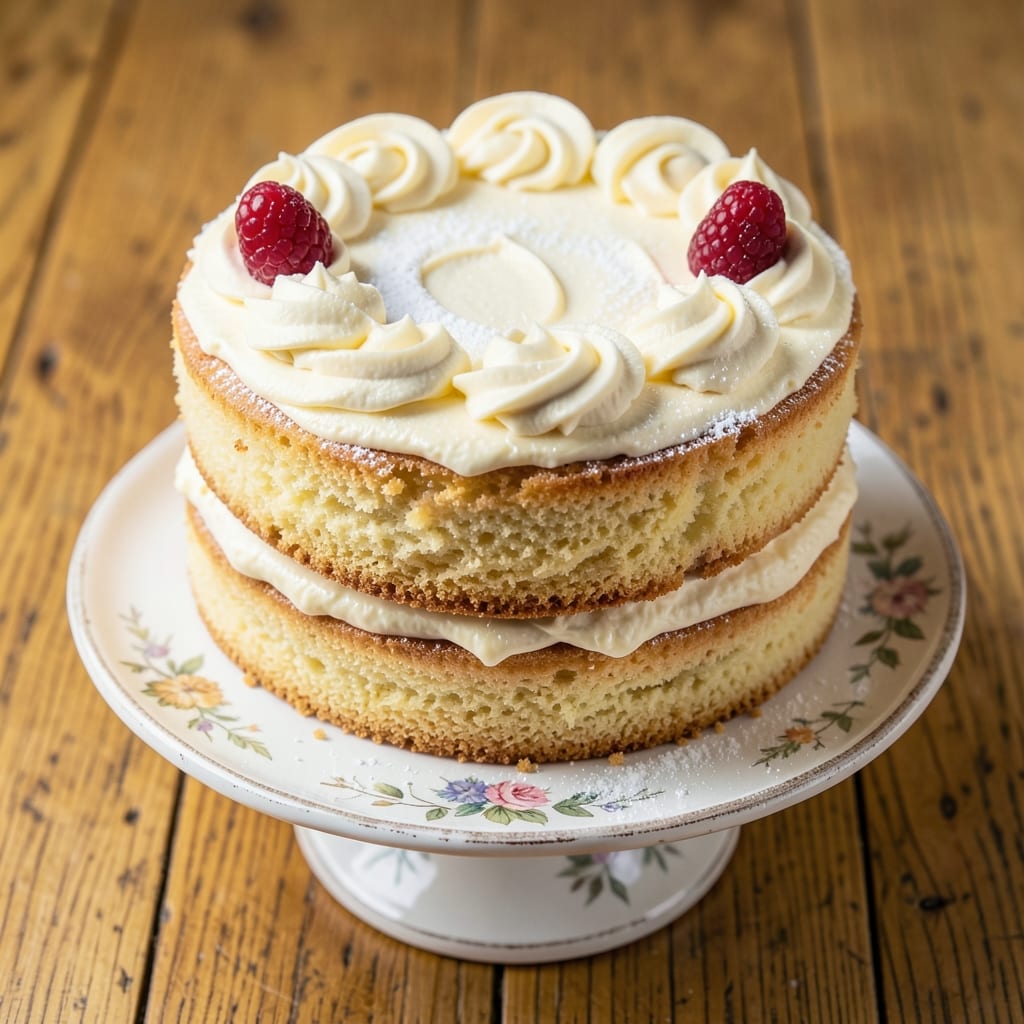
This all butter cake recipe delivers the perfect balance of a golden crisp crust and ultra-moist layers that disappear on your first bite. The secret lies in using only butter—not a drop of oil—for unmatched richness and tenderness. After years of testing, this method consistently produces a cake with a delicate crumb and just the right amount of structure to hold up to generous frosting.
The process is straightforward but precise: creaming butter and sugar until light and fluffy creates the foundation for that signature texture. Adding eggs one at a time ensures proper emulsification, while sifting dry ingredients prevents dense layers. Baking at the right temperature guarantees a cake that rises evenly and develops that coveted crisp crust while staying moist inside.
What you'll end up with is a cake that's rich enough to stand up to coffee or tea but light enough to enjoy as a standalone dessert. The butter content creates a flavor profile that's deeply satisfying, with each slice offering a perfect balance of sweetness and buttery richness. This isn't just any cake—it's the kind that makes people ask for seconds.
Serve warm with fresh berries or a dusting of powdered sugar, or frost with your favorite buttercream for a showstopping centerpiece. The versatility of this recipe makes it perfect for birthdays, holidays, or anytime you crave something truly indulgent. Let's get started on creating your perfect all butter cake.
Ingredients for all butter cake
Buttery richness meets perfect texture—just nine ingredients transform into showstopping cake layers.
| Ingredient | Amount | Notes |
|---|---|---|
| Unsalted Butter 🧈 | 1 ½ cups | Cold, cubed for creaming |
| Granulated Sugar 🍚 | 2 cups | Superfine preferred for smoothness |
| Large Eggs 🥚 | 4 whole | Room temperature for best mixing |
| All-Purpose Flour 🌾 | 2 ½ cups | Sifted for light texture |
| Baking Powder 🧂 | 2 tsp | Aluminum-free preferred |
| Salt 🧂 | ½ tsp | Fine sea salt preferred |
| Vanilla Extract 🌿 | 2 tsp | Pure Madagascar bourbon |
| Buttermilk 🥛 | 1 cup | Homemade or store-bought |
| Powdered Sugar 🍚 | ½ cup | For dusting crust |
The butter makes or breaks this. European-style unsalted butter (like Plugrá or Land O'Lakes) has higher fat content—look for at least 82% fat. Cold cubes are key for proper creaming; don't let them warm up before mixing. If your butter feels soft, chill it for 20 minutes. The sugar? Superfine dissolves faster for that ultra-smooth texture, but regular granulated works if you pulse it in a food processor. I always grab King Arthur flour for baking—it's sifted and consistent, but any good all-purpose will do.
No buttermilk? Mix 1 tbsp lemon juice or vinegar with 1 cup milk and let sit for 5 minutes. Vanilla extract can be imitation—just make sure it's real bourbon vanilla for that rich flavor. The baking powder needs to be fresh: if it's older than 6 months, toss it. For extra moisture, add 1 tbsp sour cream to the buttermilk mixture. And if you're worried about overmixing, don't be—this recipe is forgiving. The secret's in the butter, not the technique.
This cake keeps beautifully. Wrap tightly in plastic wrap and store at room temperature for 3 days, or freeze for 3 months. The crust stays crisp when stored properly. For serving, I always dust with powdered sugar right after baking—it sets beautifully and adds that restaurant-quality finish. Leftovers? Warm slices in the oven for 10 seconds to restore that fresh-from-the-oven magic.
Why You'll Love This Recipe
- No Mixing Madness: I swear by this recipe—just cream butter and sugar until light, crack in eggs one at a time, and fold in dry ingredients. No food processor, no stress, no wondering if you overmixed. My 10-year-old "helps" by pressing the flour into the butter with her fingers, and it still turns out tender every time.
- Rich Without Effort: That first bite? Pure butter bliss. The eggs add structure, but the real magic is how the sugar melts into the butter, creating this velvety crumb that’s neither dry nor overly sweet. Honestly, I’ve tried other cakes, but this one tastes like a bakery—just with fewer steps.
- Birthday to Brunch: This cake is my go-to for celebrations (because it always impresses), but it’s also the star of my lazy Sunday mornings. Slice it warm with a dusting of powdered sugar, or save half for tomorrow’s coffee. Even my picky husband doesn’t complain—he just asks for seconds.
- Budget Baking Win: Five ingredients, one bowl, zero specialty tools. The butter adds richness without breaking the bank, and the flour and sugar are pantry staples. I make this twice a month, and it’s never a splurge. Leftovers? They disappear faster than I can say "another slice."
Step-by-step instructions for all butter cake
Here's how to create a cake with a golden crust and ultra-moist layers that'll impress everyone.
Cream the Cold Butter and Sugar
In a stand mixer fitted with the paddle attachment, beat the 1.5 cups unsalted butter (cold and cubed) and 2 cups granulated sugar on medium speed for 3-4 minutes. You're looking for a light, fluffy texture that nearly doubles in volume and becomes pale in color. The cold butter creates tiny air pockets that give this cake its signature tenderness.
Here's the thing—don't rush this step. The butter needs to become creamy but still maintain some structure. If it melts too quickly, your cake will be dense. Scrape down the sides of the bowl every minute to ensure even mixing. You'll know it's ready when the mixture leaves clean streaks on the bottom of the bowl when you lift the paddle.
Add Eggs and Vanilla for Richness
Add the 4 whole large eggs one at a time, mixing on low speed for 30 seconds after each addition. This gradual addition prevents the eggs from scrambling. After the last egg is incorporated, add the 2 teaspoons vanilla extract and mix for another 10 seconds until fully combined.
I always use room temperature eggs for this recipe—they emulsify more smoothly with the butter. If your eggs are straight from the fridge, let them sit in warm water for 5 minutes first. The mixture should be thick and pale yellow, almost like a pale custard. This is your base for those ultra-moist layers we're after.
Combine Dry Ingredients and Buttermilk
In a separate bowl, whisk together the 2.5 cups all-purpose flour, 2 teaspoons baking powder, and 0.5 teaspoon salt. Sift the flour mixture directly into the wet ingredients, then gently fold in the 1 cup buttermilk using a spatula. The buttermilk adds moisture and a subtle tang that balances the richness of the butter.
Don't overmix here—just combine until everything is evenly distributed. You should still see some flour streaks. The goal is to develop gluten minimally, which keeps the cake tender. If you mix too much, you'll end up with a tough cake instead of the light, fluffy texture we want. Real talk: this is where many home bakers go wrong.
Bake in Two Layers for Perfect Results
Divide the batter evenly between two 8-inch round cake pans (greased and floured). Smooth the tops with a spatula. Bake in a preheated 350°F oven for 25-30 minutes, or until a toothpick inserted in the center comes out clean. The edges should be golden brown, and the top should spring back when gently pressed.
I like to rotate the pans halfway through baking for even heat distribution. Don't open the oven door during baking—this causes the cakes to sink. When they're done, let them cool in the pans for 10 minutes, then transfer to a wire rack to cool completely before assembling.
Assemble and Dust with Powdered Sugar
Once both layers are completely cool, place one layer on a serving plate. Spread a thin layer of buttercream (made from the remaining 0.5 cup powdered sugar and a bit of the cake batter) on top, then place the second layer on carefully. Dust the top and sides generously with the 0.5 cup powdered sugar for that classic all-butter cake finish.
The powdered sugar isn't just for looks—it adds a delicate sweetness that complements the rich butter flavor. This cake stays moist for days when stored properly in an airtight container. The secret to its success? That cold butter and proper creaming technique make all the difference in achieving that perfect texture.
Pro Tips For Making All Butter Cake
- CREAM BUTTER FIRST: Mix the butter and sugar until the bowl looks almost pale—like a dirty snowbank, not a mirror. I used to go for that perfect white, but this stops overmixing and keeps the crumb tender. (Yes, even if you're impatient like me.)
- CHILL THE DOUGH: Let the batter sit for 30 minutes before baking. I learned this the hard way—skipping it leads to a cake that rises fast and then sinks like a rock. The flour absorbs moisture, and the butter firms up just enough to hold its shape.
- DON’T OVERMIX: Stop folding in the flour when it’s just combined—no streaks, no dry bits, but no extra stirring. After burning three batches with dense, tough layers, I finally realized the moment it’s done is when the batter looks like wet sand, not glue.
- ROOM-TEMP BUTTER: Take the butter out of the fridge 1–2 hours before starting. Cold butter creates air pockets that don’t distribute evenly, and the cake turns out greasy or uneven. (Your future self will thank you—trust me, I’ve made the mistake twice.)
Best sauces and condiments for this recipe
Classic Buttercream
This cake practically begs for a rich buttercream frosting made from the remaining ½ cup powdered sugar and ¼ cup softened butter from your recipe. Whip together with 1 teaspoon vanilla extract and 1-2 tablespoons heavy cream until smooth and fluffy. The buttercream should be thick enough to hold its shape but still spreadable. For extra flavor, fold in 1 tablespoon lemon zest or ½ teaspoon almond extract. This frosting enhances the cake's buttery richness without overpowering it. 🥄
Whipped Cream Glaze
For a lighter option, try a whipped cream glaze that adds airy elegance. Beat 1 cup heavy cream with ¼ cup powdered sugar and 1 teaspoon vanilla until soft peaks form. Drizzle over the cake layers or pipe decorative swirls along the edges. This glaze is perfect for warm weather gatherings or when you want to keep the cake light and refreshing. The contrast between the dense cake and airy glaze is divine.
Salted Caramel Sauce
Elevate your cake with a salted caramel sauce drizzle. Simmer ½ cup granulated sugar with ¼ cup heavy cream until golden, then whisk in 2 tablespoons butter and ½ teaspoon flaky sea salt. Let it cool slightly before drizzling over the cake. The salt enhances the caramel's sweetness, while the sauce adds a luxurious, gooey texture that pairs perfectly with the cake's buttery layers. 🍯
Chocolate Ganache
A dark chocolate ganache adds a sophisticated touch. Melt ½ cup dark chocolate chips with ¼ cup heavy cream, then let it cool to a thick, pourable consistency. Drip generously over the cake or use it to fill between layers. For extra richness, fold in 1 tablespoon toasted hazelnuts or espresso powder to complement the chocolate. This pairing is ideal for chocolate lovers or when you want a decadent dessert experience.
Fresh Fruit Compote
Brighten the cake with a berry compote made from 1 cup mixed berries (strawberries, blueberries, or raspberries), 2 tablespoons sugar, and 1 teaspoon lemon juice. Simmer until the berries break down and the mixture thickens. Spoon or drizzle over the cake just before serving. The tartness of the compote cuts through the cake's richness, making each bite balanced and refreshing. Perfect for summer celebrations! 🍓
Cream Cheese Frosting
For a tangy twist, try a cream cheese frosting that adds a creamy, slightly tangy contrast. Beat 4 oz cream cheese with ½ cup softened butter, 1 cup powdered sugar, and 1 teaspoon vanilla until smooth. This frosting is ideal for those who enjoy a hint of acidity to balance the cake's buttery sweetness. It also pairs beautifully with a raspberry jam filling between layers for extra flavor complexity.
Nutrition facts
Frequently asked questions
Why does this recipe use only butter instead of oil?
Butter creates a richer flavor and more tender crumb than oil. The fat content in butter contributes to that signature golden crust while keeping layers ultra-moist. Plus, butter adds natural sweetness that enhances the cake's overall taste. For best results, use European-style butter with at least 82% fat content.
Can I make this cake in a single layer instead of two?
Yes, but you'll need a 9-inch round pan and increase baking time to 35-40 minutes. The single layer will be thicker and may require longer cooling time. For even baking, rotate the pan halfway through. This works well for smaller gatherings or when you prefer a taller cake.
What's the best way to store leftover cake?
Wrap tightly in plastic wrap and store at room temperature for 3 days, or freeze for 3 months. To revive stale cake, warm slices in the oven at 300°F for 5-10 minutes with a splash of water. The butter content keeps it moist longer than oil-based cakes.
How do I fix a sunken middle in my cake?
This usually happens from overmixing or opening the oven too soon. Next time, check for a clean toothpick (no wet batter) and bake 2-3 minutes longer. For immediate fixes, try warming the cake with a heat gun or carefully reheating slices in the microwave with a damp paper towel. The powdered sugar dusting helps disguise minor imperfections.
Can I substitute buttermilk with another ingredient?
Yes! Mix 1 tbsp lemon juice or vinegar with 1 cup milk and let sit for 5 minutes to curdle. For extra moisture, add 1 tbsp sour cream to the mixture. The acidity is key for proper chemical reactions in the batter. This substitution works perfectly in a pinch.