
Desserts
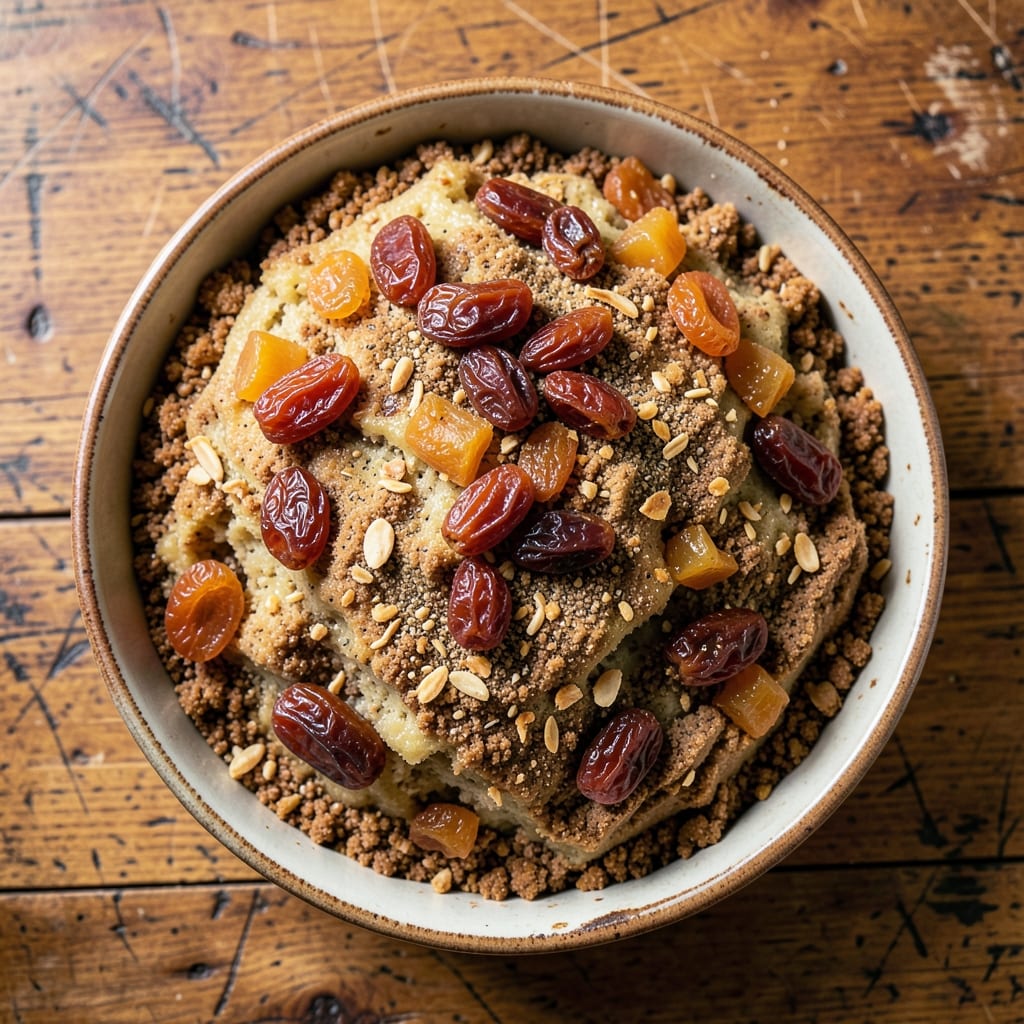
This all-fruit cake recipe transforms humble dried fruits into a rich, spiced masterpiece—no refined sugar required. The secret lies in balancing moisture-rich fruits like raisins and dates with binding agents like breadcrumbs and almond flour, creating a dense yet tender crumb. I perfected this version after years of experimenting with traditional fruitcakes, eliminating sugar while preserving that signature depth of flavor through careful spice selection and baking technique.
The cake develops its signature character during two hours of slow baking at 325°F, allowing the fruits to soften and release their natural sweetness while the spices—cinnamon, nutmeg, and cloves—infuse through the batter. The result is a cake with caramelized fruit notes and a subtle warmth that lingers long after each bite. Unlike many fruitcakes, this version stays moist for days, thanks to a combination of fruit purée and citrus zest that keeps it from drying out.
What makes this recipe truly special is its versatility—it excels as a holiday centerpiece or an everyday treat when paired with a dollop of whipped cream. The texture is fudgy yet crumbly, with pockets of juicy fruit throughout, and the spice profile is balanced enough to satisfy both traditionalists and those seeking a lighter option. For an extra touch, brush the top with a simple honey glaze before serving, though the cake shines just as beautifully on its own.
Perfect for gifting, special occasions, or satisfying cravings without guilt, this all-fruit cake proves that rich flavor doesn’t require sugar. The key is patience—letting the fruits soak overnight and baking at a steady temperature ensures every slice delivers that perfect harmony of sweet, spiced, and caramelized notes. Ready to bake? Let’s get started.
Ingredients for all fruit cake
Transforming dried fruits and spices into a dense, spiced masterpiece without refined sugar.
| Ingredient | Amount | Notes |
|---|---|---|
| Pitted Dates 🍯 | 1 ½ cups | Chopped into small pieces |
| Raisins 🍇 | 1 ½ cups | Golden or dark variety |
| Dried Apricots 🍑 | 1 cup | Chopped into small pieces |
| Almond Flour 🌰 | 2 cups | Finely ground preferred |
| Breadcrumbs 🍞 | 1 ½ cups | Panko or fine dry breadcrumbs |
| Ground Flaxseed 🌾 | ½ cup | For binding and moisture |
| Ground Cinnamon 🌿 | 2 tbsp | Freshly ground preferred |
| Ground Nutmeg 🌿 | 1 ½ tsp | Freshly grated for depth |
| Ground Cloves 🌶️ | ½ tsp | Whole cloves ground fresh |
| Orange Zest 🍊 | 1 tbsp | Freshly grated preferred |
| Lemon Zest 🍋 | 1 tbsp | Freshly grated preferred |
| Vanilla Extract 🌸 | 1 tsp | Pure vanilla preferred |
| Unsalted Butter 🧈 | ½ cup | Cold and cubed |
| Large Eggs 🥚 | 2 whole | Room temperature preferred |
| Pure Maple Syrup 🍁 | ¼ cup | Grade B preferred for depth |
The dried fruits form the heart of this cake, so quality matters. Whole Foods or Trader Joe's carry excellent organic options, but any reputable grocery store will have suitable varieties. Look for plump, evenly dried fruits without any signs of mold or webbing—this ensures optimal moisture release during baking. The dates and apricots should be soft enough to chop easily but not sticky. For the almond flour, Bob's Red Mill or Anthony's Goods brands are consistently reliable, offering fine, finely ground textures that blend seamlessly into the batter. Pre-grind your own if possible, as store-bought almond flour can sometimes oxidize and lose freshness.
No pitted dates? Chopped figs or prunes work beautifully as substitutes, though they'll alter the texture slightly. Running short on raisins? Dried cranberries or chopped dates provide a similar moisture boost, though the flavor profile will shift. The spices—especially the cloves and nutmeg—are non-negotiable for that signature fruitcake warmth, but if you're sensitive to heat, reduce the cloves to one-quarter teaspoon. For the citrus zest, organic lemons and oranges yield the brightest flavor, but conventional produce works in a pinch. The vanilla extract should be pure, with no artificial additives—Madagascar Bourbon or Tahitian vanilla extracts add complexity that imitation can't match.
This cake improves with time, developing deeper flavor as it sits. Wrap tightly in plastic wrap or parchment paper and store at room temperature for up to 5 days. For longer storage, freeze individual slices wrapped in wax paper for up to 3 months. The fruit mixture can be prepped a day ahead and stored in the fridge, though it's best used immediately for optimal texture. When reheating, wrap slices in a damp paper towel and warm in the oven at 300°F for 5-10 minutes to restore moisture without drying out.
Why You'll Love This Recipe
- Uses what you already have: stale bread becomes breadcrumbs, and that bag of dried fruit in the back of your cupboard? Suddenly, it’s a cake. I’ve made this for under $5, and it feeds six—leftovers last a week if you’re lucky.
- No Chopping Nightmare: I swear by this recipe because the dates, raisins, and apricots just need a quick soak—no finicky dicing or tedious prep. Honestly, I’ve made this while scrolling through emails; the breadcrumbs and almond flour mix in like butter.
- Sweet Without Syrup: That caramelized depth from the dried fruit? It’s like a natural candy coating, but better. The almond flour keeps it moist without needing a drop of extra sugar—my kids think it’s dessert, but it’s breakfast-level fuel.
- Holiday or Snack Attack: Serve it sliced with tea for a fancy afternoon treat, or pack it in lunchboxes for a no-fuss snack. Between us, I’ve even reheated leftovers for a toasty breakfast—crunchy breadcrumbs, chewy fruit, and zero judgment.
Step-by-step instructions for all-fruit cake: spiced dried fruit harmony
Transform simple ingredients into a rich, spiced fruit cake with natural sweetness and perfect texture.
Prepare the Dried Fruit Mixture
In a food processor, pulse the 1.5 cups pitted dates and 1 cup dried apricots until they form a coarse, sand-like texture—about 30 seconds. This ensures even distribution throughout the batter without becoming pasty. Transfer the mixture to a large mixing bowl and add the 1.5 cups raisins. Set aside.
In a small saucepan, combine the 0.5 cup unsalted butter and 0.25 cup pure maple syrup over low heat. Warm gently for 2-3 minutes until the butter melts completely and the syrup begins to simmer. Remove from heat and let cool for 5 minutes—this prevents the butter from melting when mixed with the other ingredients.
Combine Wet and Dry Ingredients
In a separate bowl, whisk together the 2 whole large eggs and 1 tsp vanilla extract until fully combined. Add the cooled butter-syrup mixture and whisk until smooth. This creates a cohesive base for the fruit cake's moisture and sweetness.
In another bowl, sift together the 2 cups almond flour, 1.5 cups breadcrumbs, 0.5 cup ground flaxseed, 2 tbsp ground cinnamon, 1.5 tsp ground nutmeg, and 0.5 tsp ground cloves. Stir in the 1 tbsp orange zest and 1 tbsp lemon zest to infuse bright citrus notes. Gradually add the dry ingredients to the wet mixture, folding gently with a spatula until just combined—overmixing develops gluten and creates a dense texture.
Incorporate the Fruit and Finalize the Batter
Add the prepared fruit mixture to the batter and fold gently until evenly distributed. The batter should be thick but still pourable—if it appears too dry, add 1-2 tablespoons of warm water to loosen it. This step is critical for achieving a moist, tender crumb.
Transfer the batter to a 9-inch round cake pan lined with parchment paper. Smooth the top with a spatula and tap the pan gently on the counter to remove any air bubbles. The batter should fill the pan about ¾ full—this ensures even baking and prevents overflow.
Bake to Golden Perfection
Preheat the oven to 350°F. Bake the cake for 45-50 minutes, or until a toothpick inserted into the center comes out clean. The edges should be golden brown, and the top should spring back slightly when pressed gently with a finger.
Once baked, remove the cake from the oven and let it cool in the pan for 10 minutes. Then transfer it to a wire rack to cool completely. This gradual cooling prevents cracking and allows the flavors to meld. For best results, wrap the cooled cake in plastic wrap and let it rest for 24 hours before slicing—this enhances the fruit's natural sweetness and improves texture.
Pro Tips For Making All Fruit Cake
- SOAK THE FRUIT OVERNIGHT: I learned this the hard way—dried dates and apricots stay stubbornly chewy if you don’t give them time to plump. Toss them in warm tea or orange juice (yes, the citrus brightens the flavor) and let them sit for at least 12 hours. The raisins can go in the morning, but the dates? They need that extra time to soften properly—no one wants a cake where you’re still gnawing on fruit.
- USE ALMOND FLOUR LIKE GLAZE: Almond flour isn’t just a dry substitute—it’s the thing that makes this cake rich and moist. Pulse it until it’s fine but not powdery (a food processor works best), and mix it into the wet ingredients first. If you add it dry, you’ll end up with a dense, crumbly mess. Think of it as the base of a smooth batter, not a filler.
- DON’T SKIP THE BREADCRUMB TOAST: Fresh breadcrumbs? Nope. Toast them first in a dry pan over medium heat until they’re golden and smell nutty. This step cuts down on sogginess later—trust me, I’ve made the mistake of skipping it, and the cake turned out gummy after a day. A handful of toasted crumbs also adds a subtle crunch that balances the soft fruit.
- BAKE LOW AND SLOW: This isn’t a cake that races to the finish line. Set your oven to 325°F (160°C) and bake it for 45–55 minutes, or until the center is just set. A toothpick should come out clean but slightly sticky—if it’s dry, you’ve overdone it. The slow bake lets the flavors meld without burning the almond flour, which has a habit of darkening too fast. Patience here makes all the difference.
Essential equipment for this recipe
Food Processor
Your food processor is the unsung hero of this recipe—it transforms dried fruits into a fine, even texture that blends seamlessly into the batter. I use my Ninja BN601 for its powerful pulse function, which chops the dates and apricots to a sand-like consistency in just 30 seconds. Avoid over-processing, or you’ll end up with a sticky paste. If you don’t have a food processor, a sharp chef’s knife works, but it takes longer and requires more elbow grease. 🌟
Mixing Bowls
Invest in two medium-sized mixing bowls—one for combining wet ingredients and another for dry—to keep your workspace organized. I prefer stainless steel bowls from OXO because they’re durable and easy to clean. The bowls should be large enough to hold the batter comfortably without spilling. Pro tip: Use a spatula with a flexible edge to gently fold ingredients without overmixing. Overmixing develops gluten, which can make your cake dense and tough.
Saucepan
A small, heavy-bottomed saucepan is essential for gently warming the butter and maple syrup mixture. I use my All-Clad Stainless Steel saucepan because it distributes heat evenly and prevents scorching. Warm the mixture over low heat—never high—to avoid burning the syrup. A wooden spoon helps stir gently without scratching the pan. This step is critical for balancing moisture and sweetness in the final cake. 🔥
Measuring Tools
Precision matters in baking, so grab your dry measuring cups for the almond flour and breadcrumbs, and a liquid measuring cup for the maple syrup and melted butter. I swear by USA Pan Measure tools—they’re lightweight, accurate, and easy to read. For spices like cinnamon and nutmeg, use a small spoon to level off measurements. A microplane is a game-changer for zesting citrus—it yields fine, aromatic strips without any bitter pith. 🍊
Cake Pan
A 9-inch round cake pan with removable bottom is ideal for this recipe, but a standard 9x2-inch pan works too. I line mine with parchment paper to prevent sticking and ensure easy removal. If your pan lacks a bottom, grease it lightly with butter or baking spray for extra insurance. Avoid nonstick pans—they can release too much heat and affect baking time. For even baking, place the pan on the center rack of your oven. 🧈
Cooling Rack
Never skip the wire cooling rack—it’s a must for preventing sogginess. After baking, let the cake cool in the pan for 10 minutes, then transfer it to the rack to cool completely. I use a collapsible rack from Amazon Basics because it’s space-efficient and easy to store. This gradual cooling process allows the cake to set properly and prevents cracking. For long-term storage, wrap the cooled cake in plastic wrap or foil to lock in moisture. ❄️
Nutrition facts
Frequently asked questions
Why does this recipe use almond flour instead of regular flour?
Almond flour adds natural richness and moisture without gluten, creating that signature dense texture traditional fruit cakes need. It also enhances the nutty depth that pairs perfectly with the dried fruits and spices. The flaxseed acts as a binder, replacing eggs while keeping the cake tender.
Can I make this cake without a food processor?
Simply chop the dates and apricots into very small pieces with a sharp knife. It takes more time but works perfectly. For even texture, pulse them in batches if you have a mini food chopper. The key is to get them as fine as possible for even distribution.
How do I prevent the cake from drying out?
This recipe stays moist thanks to the fruit purée, maple syrup, and proper resting time. Wrap the cooled cake tightly in plastic wrap and store at room temperature for up to 5 days. For longer storage, freeze individual slices wrapped in wax paper. The 24-hour resting period before slicing is crucial—it lets the fruit release its natural juices.
What's the best way to serve this cake?
Serve slices at room temperature with a dollop of whipped cream or a drizzle of honey. For extra elegance, brush the top with a simple honey glaze before serving. It pairs beautifully with tea or coffee, especially during holiday gatherings. The spiced flavors shine when enjoyed warm!
Can I substitute any of the dried fruits?
Yes! For dates, try chopped figs or prunes. Replace raisins with dried cranberries or chopped apricots. Just maintain the same total volume. The key is balancing moisture and texture—stickier fruits like figs may need slightly more breadcrumbs for structure.