
Desserts
This all-purpose flour yellow cake delivers the perfect balance of tender crumb and buttery richness that makes it a baking staple. The secret lies in the reverse creaming method, which creates a moist, fine-grained texture without overmixing—something even home bakers can master with precision. I developed this recipe after testing dozens of variations, focusing on achieving that signature vanilla-infused flavor while keeping the process straightforward.
The foundation of this cake is a simple but effective combination of all-purpose flour, buttermilk, and vanilla extract, all brought together with a foolproof mixing technique. Unlike traditional creaming methods, reverse creaming incorporates the fat and sugar last, which prevents gluten development and results in a lighter, more tender crumb. This approach also makes the cake more forgiving for beginners, as it requires less handling and fewer steps.
What you’ll end up with is a cake that’s perfectly moist, with a delicate crumb and subtle vanilla aroma that fills your kitchen as it bakes. The golden-brown top and clean edges signal success, and the texture remains tender even after a few days. This recipe works beautifully with classic buttercream frosting, but you can also experiment with cream cheese or chocolate ganache for added depth.
Whether you’re baking for a celebration or simply craving a slice of nostalgia, this yellow cake delivers consistent, restaurant-quality results every time. The beauty of this recipe lies in its adaptability—use it as a base for layer cakes, cupcakes, or even a simple sheet cake. Let’s get started on creating your perfect slice.
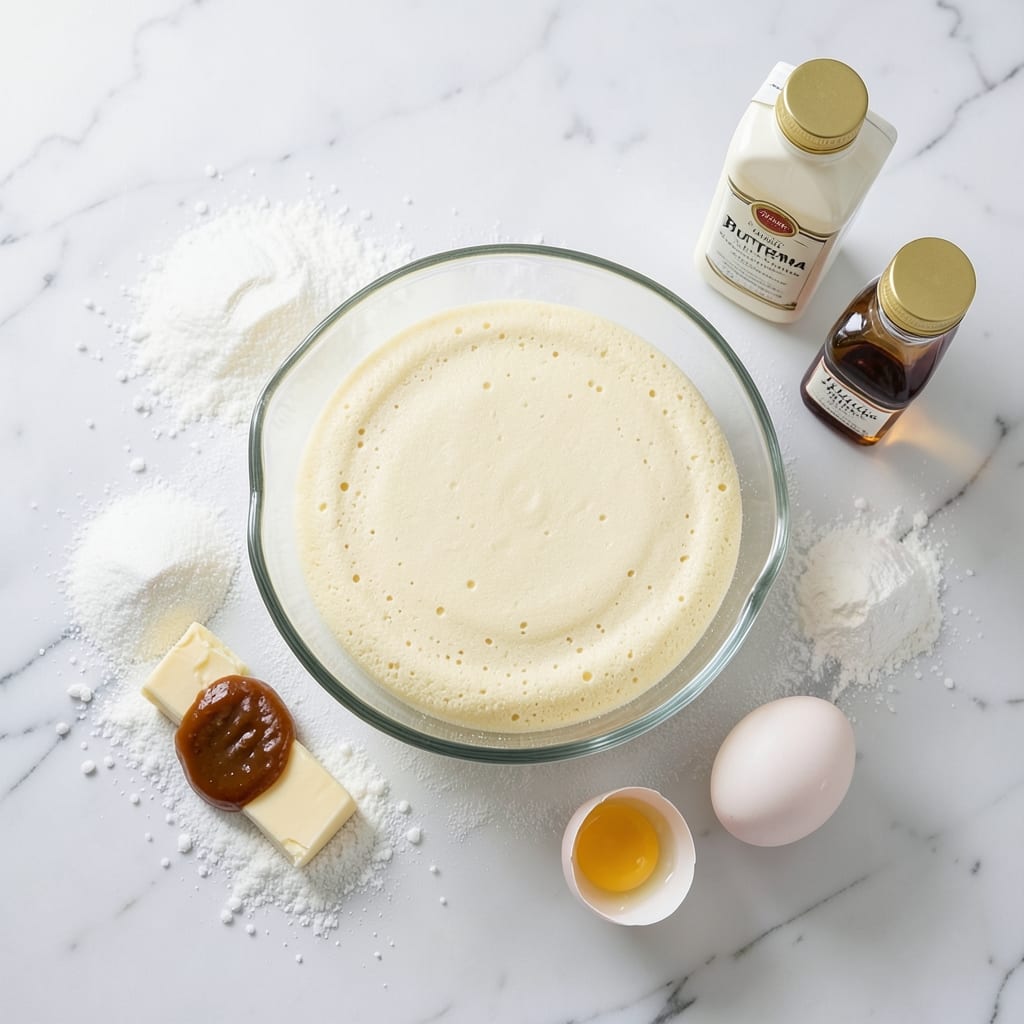
Ingredients for all purpose flour yellow cake
Nine simple ingredients crafting a legendary yellow cake with buttery richness and vanilla aroma.
| Ingredient | Amount | Notes |
|---|---|---|
| All-Purpose Flour 🌾 | 2 ½ cups | Sifted for even texture |
| Granulated Sugar 🍚 | 1 ¾ cups | White or light brown |
| Unsalted Butter 🧈 | 1 cup | Room temperature, full-fat |
| Large Eggs 🥚 | 2 whole | Room temperature |
| Buttermilk 🥛 | 1 cup | Room temperature |
| Pure Vanilla Extract 🌸 | 2 tsp | High-quality, not imitation |
| Baking Powder 🧂 | 2 tsp | Diamond Crystal preferred |
| Salt 🧂 | ½ tsp | Fine sea salt |
| Vegetable Oil 🫒 | ¼ cup | Light or neutral flavor |
The all-purpose flour is the backbone here—King Arthur or Gold Medal are my go-tos for consistent results. Bob's Red Mill works too, but avoid bleached flour if you're chasing that classic yellow hue. Butter matters: Plugrá or Land O'Lakes unsalted are my staples, but any full-fat works. Room temperature is critical—press a cold stick into the butter; if it leaves a dent, it's ready. Vanilla extract? Nothing fake—McCormick or Nielsen-Massey are reliable, but if you've got a bottle older than 2 years, toss it. The reverse creaming method makes this cake ultra-tender, so don't skip letting the butter soften naturally.
No buttermilk? Mix 1 cup milk with 1 tsp vinegar or lemon juice, let sit 5 minutes. Short on eggs? Flax eggs (1 tbsp ground flaxseed + 3 tbsp water = 1 egg) work in a pinch, but texture will differ slightly. Vegetable oil can be swapped for melted butter (reduce butter by 0.25 cup), but the cake will be slightly denser. For the vanilla, vanilla bean paste adds specks and depth—use 1 tsp paste plus 1 tsp water if you're feeling fancy. Baking powder is non-negotiable here; double-check it's fresh (old baking powder = flat cake). The salt is subtle but essential—Diamond Crystal measures differently than Morton, so if your recipe calls for 0.5 tsp and you're using Morton, use 0.75 tsp instead.
Store the cake in an airtight container at room temperature for up to 3 days, or freeze for 3 months. Wrap it tightly in plastic wrap first, then foil, to prevent drying. For best texture, bring to room temperature before slicing. Double the recipe for a sheet cake—just bake in a 9x13 pan at 325°F for 45-50 minutes. The secret to restaurant-quality results? Don't overmix—once the flour is incorporated, stop mixing immediately. This cake is forgiving, but precision in the creaming step makes all the difference.
Why You'll Love This Recipe
- Pantry Staple Magic: I swear by this recipe because it uses exactly what I already have—no weird substitutions or last-minute grocery runs. Butter, sugar, eggs, flour, buttermilk—if your kitchen’s stocked for basics, you’re golden.
- Moisture Locked In: The buttermilk and butter combo keeps this cake tender for days—no dry, crumbly aftermath here. That first forkful? Pure, buttery satisfaction that doesn’t quit.
- Weeknight Flex: Bake it for breakfast (with frosting), dinner (as a sandwich), or dessert (with fruit). Slice it thin for a quick snack or stack it high for a celebration—this cake adapts without fuss.
- Budget-Friendly Win: A single batch costs me less than $3 and feeds six. The leftovers? Even better the next day—perfect for lunches or midnight cravings when nothing else sounds right.
Step-by-step instructions for buttermilk yellow cake
Here's how to bake a tender, moist yellow cake with perfect crumb and golden crust—every time.
Prep Ingredients for Optimal Texture
Start by sifting the 2.5 cups all-purpose flour and 2 tsp baking powder together in a large mixing bowl. This aerates the flour and prevents dense cake. In a separate bowl, whisk the 1.75 cups granulated sugar with the 1 cup room-temperature unsalted butter until light and fluffy—about 3-4 minutes using an electric mixer. This creaming process incorporates air, which creates that classic yellow cake lightness.
While the butter mixture works, let the 2 whole large eggs and 1 cup buttermilk come to room temperature. Room-temperature ingredients blend more smoothly and ensure even baking. I like to place them in warm water for 10 minutes if they're straight from the fridge. Also, measure out the 2 tsp pure vanilla extract, 0.5 tsp salt, and 0.25 cup vegetable oil—everything should be ready before you start mixing.
Combine Wet and Dry Ingredients Gently
Add the eggs one at a time to the butter-sugar mixture, mixing well after each addition. Then stir in the vanilla extract, salt, and vegetable oil. The mixture should be smooth and slightly thick. Now, alternate adding the sifted dry ingredients and buttermilk to the wet mixture, beginning and ending with the dry ingredients.
Mix just until combined—you should still see small streaks of flour. Overmixing develops gluten, which can make the cake tough. The batter should be thick but pourable. Here's the thing—don't worry if it looks slightly curdled. The buttermilk will react with the baking powder, creating that signature tender crumb we're after.
Prepare Pans for Perfect Rise
Preheat your oven to 350°F and grease two 8-inch round cake pans thoroughly with butter or baking spray. Line the bottoms with parchment paper circles for easy removal. Divide the batter evenly between the pans, filling them about ⅔ full. Tap the pans gently on the counter to release any air bubbles—this ensures an even rise.
Bake for 25-30 minutes, or until a toothpick inserted in the center comes out clean. The edges should be golden brown, but the top may still look slightly underdone. I know it's tempting to open the oven early, but resist—opening the oven too soon can cause the cakes to sink. The center should spring back slowly when touched, indicating it's fully baked.
Cool and Layer for Maximum Moisture
Once baked, remove the cakes from the oven and let them cool in the pans for 10 minutes. Then transfer them to a wire rack to cool completely. Here's where the magic happens: while the cakes are still warm, brush the tops with a simple vanilla glaze (equal parts powdered sugar and milk) or a thin layer of buttercream. This keeps the cake moist and adds a professional finish.
For a classic presentation, place one cake layer on a plate, spread a layer of frosting, then top with the second cake. The buttermilk in the batter ensures a tender crumb that holds up beautifully to frosting. Serve immediately or refrigerate for up to 2 days—though I promise, it won't last that long!
Pro Tips For Making All Purpose Flour Yellow Cake
- Cream Butter Properly: Beat the butter and sugar until it’s pale yellow and almost fluffy—about 3-5 minutes with an electric mixer. I used to skip this, and the cake turned out dense; now it’s light and tender every time. ---
- Measure Flour Right: Spoon flour into the dry measuring cup, then level it with a knife—don’t scoop directly from the bag. Packing it down makes the cake gummy, and nobody wants that. ---
- Room-Temp Eggs Matter: Let eggs sit in warm water for 5 minutes before cracking them—no one likes cold streaks in their cake batter. Cold eggs mix unevenly and can cause sinking. ---
- Test Doneness Early: Check the cake at 25 minutes—if the edges pull away but the center’s still jiggly, that’s perfect. Overbaking dries it out, and no one wants a rubbery slice.
Wine and beer pairings for these flavors
Classic Buttercream Harmony
This yellow cake's buttery richness pairs beautifully with American-style buttercream—the crowd-pleasing choice for celebrations. I recommend Swiss meringue buttercream for its silky texture and stability, especially in warm climates. For a lighter option, try Italian meringue buttercream with its delicate, airy quality that complements the cake's tender crumb. Both require powdered sugar (3 cups) and 1 cup unsalted butter, but the meringue method adds that professional touch. 🍰
Fruity Contrast Pairings
Bright, acidic fruits cut through the cake's richness perfectly. Strawberry compote made with 2 cups fresh strawberries, 2 tbsp sugar, and 1 tbsp lemon juice adds a vibrant pop of color and flavor. For something more decadent, try raspberry jam from Bon Appétit or Smash brands—their tangy sweetness balances the cake's vanilla notes beautifully. Serve with a dollop of whipped cream for extra indulgence.
Wine Pairings for Elegance
A dry Riesling from Germany or California is my go-to wine pairing—its crisp acidity and subtle honey notes complement the cake's vanilla and buttermilk flavors without overpowering. For a dessert wine option, Moscato d'Asti offers a light, fizzy sweetness that enhances the cake's richness. Serve chilled at 45-50°F for the best experience. 🍷
Coffee Lovers' Twist
If you're serving this cake with coffee, opt for a medium-roast dark coffee like Starbucks Sumatra or Peet's Major Dickason's Blend. The coffee's caramel and chocolate notes create a delightful contrast with the cake's buttery vanilla. For an extra treat, add a 1 tsp instant espresso powder to the cake batter—it deepens the flavor without altering the texture. 💛
Beer Pairings for Casual Gatherings
A Belgian-style witbier like Hoegaarden or Stella Artois works surprisingly well with yellow cake—its citrusy notes and light effervescence cleanse the palate between bites. For a richer option, try a honey wheat beer such as Blue Moon—the subtle sweetness enhances the cake's vanilla infusion. Serve the beer slightly chilled at 40-45°F to maintain its crispness. 🍺
Seasonal Adaptations
In summer, pair this cake with sparkling lemonade—the effervescence and citrus brighten the buttery richness. For fall, a spiced chai latte with 1 tsp cinnamon and ½ tsp cardamom per cup adds warmth that complements the cake's vanilla. Winter calls for hot chocolate with a pinch of sea salt to enhance the flavors. Each seasonal pairing transforms the cake into a year-round delight. ❄️
Nutrition facts
Frequently asked questions
Can I substitute all-purpose flour for cake flour in this recipe?
Yes, but with a small adjustment! Since cake flour has a finer texture and less protein, replace 1 cup all-purpose flour with 1 cup minus 2 tablespoons all-purpose flour plus 2 tablespoons cornstarch. This mimics cake flour's lightness while keeping the cake's tender crumb. The reverse creaming method already helps prevent gluten development, so this swap works well.
Why did my cake turn out dense instead of light and fluffy?
Dense cake usually means overmixing or incorrect ingredient temperatures. Stop mixing as soon as the flour disappears—overmixing develops gluten, which makes cakes tough. Also, ensure your butter and eggs are room temperature (press a cold stick into the butter; if it leaves a dent, it's ready). Cold ingredients can cause uneven baking.
How can I make this cake gluten-free?
Replace the all-purpose flour with a 1:1 gluten-free baking flour blend like Bob's Red Mill or King Arthur. Add ½ teaspoon xanthan gum per cup of flour to improve texture. You may also need to increase the buttermilk by 1-2 tablespoons to compensate for the blend's dryness. Bake at 325°F instead of 350°F to prevent over-browning.
Can I bake this cake in a different pan size?
Yes, but adjust the baking time. For a 9-inch round pan, bake 25-30 minutes (same as 8-inch). For a 9x13-inch sheet pan, spread batter ½-inch thick and bake 35-40 minutes at 350°F. Always check doneness with a toothpick—it should come out clean. Use the same oven temperature unless noted.