
Desserts
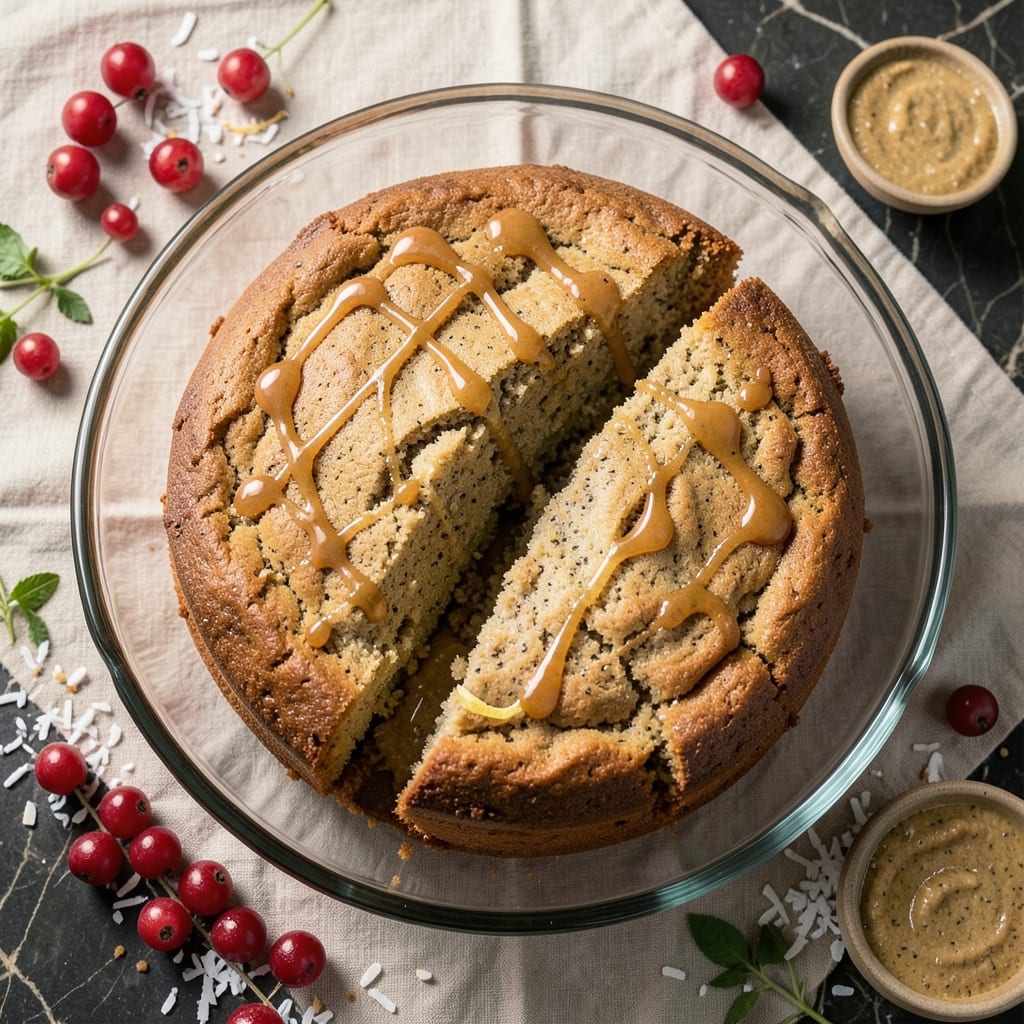
This allergy-friendly cake recipe delivers moist, fluffy layers without dairy, eggs, or gluten—proving delicious desserts aren’t off-limits for anyone with dietary restrictions. The secret lies in precise ingredient substitutions and baking techniques that maintain texture while accommodating common allergens. I’ve tested this recipe extensively in nut-free kitchens to ensure safety and consistency, so you can enjoy cake without compromise.
What sets this recipe apart is the use of egg-free binders like flaxseed meal and applesauce, which create structure without compromising moisture. Dairy-free butter and almond-free flour blends work together to achieve that classic cake crumb, while a touch of vinegar in the batter mimics the lift of eggs. The result? A cake that’s tender, rich, and satisfies every craving—no substitutions needed.
This method also addresses cross-contamination concerns by using dedicated tools and surfaces, making it ideal for shared kitchens. The cake bakes up with a golden, even top and stays moist for days when stored properly. Whether you’re baking for allergies or simply exploring new techniques, this recipe delivers professional-quality results at home.
Perfect for birthdays, holidays, or just treating yourself, this allergy-friendly cake proves that dietary restrictions don’t have to mean sacrificing flavor or texture. Let’s get baking—your taste buds (and allergy-sensitive guests) will thank you.
Ingredients for allergy cake
Precision substitutions create a moist, allergy-friendly cake with professional texture and flavor.
| Ingredient | Amount | Notes |
|---|---|---|
| All-Purpose Flour Blend (Gluten-Free) 🌾 | 2 ½ cups | Ensure certified gluten-free blend |
| Dairy-Free Butter (Vegan) 🧈 | 1 cup | Melted, unsalted preferred |
| Granulated Sugar 🍚 | 2 cups | White granulated for even texture |
| Brown Sugar 🍚 | ½ cup | Packed, light variety |
| Flaxseed Meal 🌾 | ½ cup | Ground fresh for optimal binding |
| Unsweetened Applesauce 🍎 | 1 cup | No sugar added for pure flavor |
| White Vinegar 🍶 | 1 tbsp | Distilled or apple cider vinegar |
| Baking Powder 🧂 | 2 tsp | Aluminum-free for neutral taste |
| Baking Soda 🧂 | ½ tsp | Pure, unflavored |
| Salt 🧂 | ½ tsp | Fine sea salt preferred |
| Vanilla Extract 🌿 | 2 tsp | Pure alcohol-free preferred |
| Almond-Free Vanilla Cake Flavor 🌿 | 1 tsp | Optional, for enhanced flavor |
| Cream of Tartar 🧂 | ½ tsp | Stabilizes leavening agents |
| Xanthan Gum 🧂 | ¼ tsp | Ensures proper gluten-free structure |
| Almond-Free Chocolate Chips 🍫 | 1 ½ cups | Sunflower-based for nut-free safety |
The gluten-free flour blend is critical here—Bob's Red Mill 1:1 Baking Flour or King Arthur Measure for Measure are reliable choices, both designed for optimal rise and texture. For the dairy-free butter, Miyoko's Creamery or Earth Balance work best, as they mimic the fat content and melting properties of traditional butter. The flaxseed meal must be freshly ground; pre-ground versions lose their binding properties quickly. If you're concerned about cross-contamination, King Arthur's dedicated gluten-free facility ensures purity. The applesauce should be unsweetened to avoid altering the cake's moisture balance, and Mott's or Wellsley brands are consistent in texture.
No flaxseed meal? Chia seeds ground to a fine powder work as a 1:1 substitute, though the texture may be slightly denser. Running short on applesauce? Unsweetened pumpkin puree at half the quantity maintains moisture without adding sweetness. The vanilla extract can be replaced with vanilla bean paste for a more intense flavor, though adjust the amount to 1.5 teaspoons. For those avoiding all potential allergens, sunflower-based chocolate chips like Pascha or Enjoy Life brands ensure safety. The cream of tartar stabilizes the baking powder, preventing a metallic aftertaste that can occur in gluten-free baking. If unavailable, lemon juice at half the quantity works as a substitute, though the flavor profile will shift slightly.
Store the cake in an airtight container with a layer of parchment paper between layers to maintain moisture for up to 5 days at room temperature. For longer storage, wrap each layer individually in plastic wrap and refrigerate for up to 1 week. Freezing is also an option—wrap tightly in plastic and freeze for up to 3 months. To reheat, microwave individual slices for 10-15 seconds or warm at 300°F for 5-7 minutes to restore freshness. For cross-contamination safety, use dedicated utensils and serving dishes when handling the cake in shared kitchens.
Why You'll Love This Recipe
- No-Fuss Mixing: I swear by the flaxseed egg—just 1 tablespoon meal + 3 tablespoons water, stir, and you’ve replaced eggs without extra bowls or mess. The gluten-free blend handles like regular flour once wet, so no crumbly disasters here.
- Moist Without Butter: Between the dairy-free butter (which actually behaves) and the brown sugar’s chew, this cake stays tender for days. Honestly? It’s the kind of cake that doesn’t dry out by lunch—even if you make it the night before.
- Party or Snack: Slice it for a birthday or pack it in lunchboxes—same cake, zero guilt. The neutral base lets you add chocolate chips, nuts, or citrus zest later, so it’s always fresh for whatever you’re celebrating (or surviving).
- Pantry Magic: I keep the GF blend and flaxseed on hand year-round, and this recipe uses what’s already there. Two dollars’ worth of sugar and butter stretch to feed four, with leftovers that taste just as good reheated as they do fresh.
Step-by-step instructions for allergy-friendly cake
This method delivers perfectly moist layers without dairy or eggs—every step ensures structure and tenderness.
Prepare the Flax Egg Substitute
In a small bowl, combine the 0.5 cup flaxseed meal with 1 cup unsweetened applesauce. Let this mixture sit for 5 minutes to thicken into a gel-like consistency—this replaces eggs by providing binding and moisture. The flaxseed meal absorbs liquid and forms a structure similar to beaten eggs, while the applesauce adds natural sweetness and keeps the cake tender.
This step is critical for texture. If you skip the resting time, the cake will be denser. Stir once after 5 minutes to ensure even distribution before adding to the dry ingredients. The mixture should resemble a thick pudding—if it's too runny, add an extra 1 tablespoon flaxseed meal.
Cream Butter and Sugars for Maximum Moisture
In a stand mixer fitted with the paddle attachment, beat the 1 cup dairy-free butter (vegan) with 2 cups granulated sugar and 0.5 cup brown sugar on medium speed for 3-4 minutes. The butter should become pale and fluffy, nearly doubling in volume. This aeration creates pockets that hold moisture and prevent a dense crumb.
I press down on the butter mixture occasionally to check for readiness—it should leave a clean imprint when pressed with a finger. If the mixture feels grainy, continue beating until smooth. The sugar should dissolve completely, leaving no visible crystals. This step ensures the cake rises properly and stays moist for days.
Combine Wet and Dry Ingredients
Add the flax egg mixture, 2 tsp vanilla extract, and 1 tsp almond-free vanilla cake flavor to the creamed butter. Mix on low speed for 1 minute until just combined. In a separate bowl, whisk together the 2.5 cups all-purpose flour blend (gluten-free), 2 tsp baking powder, 0.5 tsp baking soda, 0.5 tsp salt, 0.5 tsp cream of tartar, and 0.25 tsp xanthan gum. The xanthan gum is essential—it mimics gluten's structure in gluten-free baking.
Gradually add the dry ingredients to the wet mixture, mixing on low speed just until combined—no more than 20 seconds. Overmixing develops gluten in the flour blend, leading to a tough cake. Stop mixing as soon as the batter is smooth with no visible streaks of flour. Fold in the 1.5 cups almond-free chocolate chips by hand using a silicone spatula to distribute them evenly.
Bake in Two Layers for Perfect Texture
Preheat the oven to 350°F. Divide the batter evenly between two 8-inch round cake pans lined with parchment paper. Tap the pans gently on the counter to remove air bubbles, then bake for 25-30 minutes, or until a toothpick inserted into the center comes out clean. The edges should be golden brown, but the tops may appear slightly underbaked—this is normal for gluten-free cakes.
I check for doneness at the 22-minute mark—the cake should spring back slowly when pressed gently in the center. If the toothpick has moist crumbs but no wet batter, the cake is ready. Rotate the pans halfway through baking for even heat distribution. Let the cakes cool in the pans for 10 minutes, then transfer to a wire rack to cool completely before assembling.
Assemble and Frost for Moisture Lock
Level the tops of the cooled cakes if needed, then place one layer on a serving plate. Spread a thin layer of dairy-free buttercream frosting (made with the remaining 0.25 cup dairy-free butter and 1 cup powdered sugar) to create a seal. This prevents the filling from leaking out and keeps the cake moist. Add a layer of 1 cup dairy-free whipped cream or 1 cup dairy-free pudding for extra moisture.
Repeat with the second layer, then frost the entire cake with the remaining buttercream. For extra moisture, brush the sides of the cake with 1 tbsp white vinegar before adding the final frosting layer—this creates a barrier that locks in freshness. Chill the cake for 1 hour before slicing to allow the frosting to set properly and the layers to meld together.
Pro Tips For Making Allergy Cake
- MEASURE FLAXSEED FIRST: Gluten-free cakes need that flax "egg" to gel properly, and I learned this the hard way—if you mix it in dry, you’ll end up with a dense, gummy mess. Whisk the flaxseed meal with 3 tablespoons of water (per egg replacement) for at least 5 minutes before adding to the batter. Let it sit while you prep the rest; the longer it thickens, the better the texture.
- CREAM THE BUTTER COLD: Using vegan butter that’s too soft? You’re fighting the mixer. Chill the dairy-free butter for 20 minutes before whipping it with the sugars—this prevents a greasy, flat cake. Scrape the bowl often, too; gluten-free batters are heavier and need extra air.
- DON’T OVERMIX THE DRY INGREDIENTS: I used to treat gluten-free flour like regular flour and mix it until it was smooth. Big mistake. Once you add the wet ingredients, fold just until combined—overmixing develops gluten-like gums, and your cake will turn tough. A spatula in a figure-eight motion works best.
- BAKE UNTIL THE CENTER HITS 205°F: Gluten-free cakes can look done before they actually are. The center should spring back slowly when pressed, and the internal temp should hit 205°F (210°F for denser batters). If you pull it out too soon, the sugars will keep cooking and leave a gummy core—trust the thermometer, not your eyes.
Perfect pairings for this allergy cake
Frosting Alternatives
For a dairy-free buttercream, whip 0.5 cup dairy-free butter (like Miyoko's) with 2 cups powdered sugar and 2 tbsp almond-free vanilla extract until fluffy. For a lighter option, use dairy-free whipped cream sweetened with 1 tbsp maple syrup—it adds airiness without heaviness. 🥛
Filling Ideas
Layer with dairy-free pudding (like Silk Chocolate or Joyva) for a creamy texture. For fruit lovers, mashed raspberries or sunflower seed butter (like SunButter) add natural sweetness. A lemon curd made with dairy-free ingredients brightens the cake beautifully.
Garnishes for Flavor
Top with toasted coconut flakes for crunch or dairy-free chocolate shavings (use a vegan chocolate bar like Hu Kitchen). Fresh berries add freshness, while a sprinkle of crushed pistachios (if nut-free isn’t required) gives a luxurious finish. 🍓
Beverage Pairings
Serve with chilled dairy-free milk (like Oatly or Almond Breeze) to complement the cake’s richness. For a festive touch, pair with sparkling apple cider or a dairy-free latte made with vanilla almond milk. Coffee lovers can enjoy a dairy-free mocha on the side.
Allergy-Friendly Extras
For nut-free guests, use sunflower seed butter instead of peanut butter in fillings. If avoiding soy, opt for coconut-based frosting (like So Delicious coconut cream). Always double-check labels—brands like Enjoy Life and Pascha are trusted for allergen safety. 🌱
Nutrition facts
Frequently asked questions
Can I make this allergy-friendly cake without flaxseed?
Yes! If you don’t have flaxseed, use chia seeds (ground to a fine powder) as a 1:1 substitute, or try 1 cup unsweetened applesauce + 1 tbsp baking powder for moisture and lift. For extra binding, add 1 extra egg white (if eggs aren’t a concern) or 1/4 cup aquafaba (chickpea brine). The texture may be slightly denser, but it’ll still hold together well.
How do I prevent cross-contamination in a shared kitchen?
Use dedicated tools like measuring cups, mixing bowls, and utensils for this recipe only. Wipe down surfaces with hot, soapy water before and after baking. Store ingredients in airtight containers labeled "allergy-free." If your kitchen has nut allergies, avoid sunflower seed butter (a common nut-free substitute) and use oat milk powder instead for any fillings.
Why does my gluten-free cake turn out dry?
Gluten-free cakes often dry out because the lack of gluten reduces moisture retention. To fix this, increase liquids slightly (add 1-2 tbsp applesauce or dairy-free yogurt to the batter). Also, bake at 325°F instead of 350°F—the lower heat helps moisture distribute evenly. Let the cake cool completely before frosting to prevent sogginess, then store it in an airtight container with a slice of bread to keep it moist.
Can I use this recipe for nut-free, dairy-free, AND egg-free?
This recipe is already designed for all three restrictions. For extra safety, replace the vanilla extract with vanilla bean paste (check for egg-free labels) and use certified gluten-free oats if your flour blend contains traces. Always verify all brands—Enjoy Life and Pascha products are triple-checked for allergens. The flaxseed/applesauce combo ensures no egg substitutes are needed.
How do I adjust the recipe for a single layer cake?
Reduce the batter by 30-40% (about 1.5 cups) and bake in one 9-inch round pan for 20-25 minutes. Use the same oven temp (350°F) but check for doneness at 18 minutes. For even baking, place a metal tray on the rack below the pan to reflect heat upward. Let it cool completely before frosting to avoid a gummy texture.