
Desserts
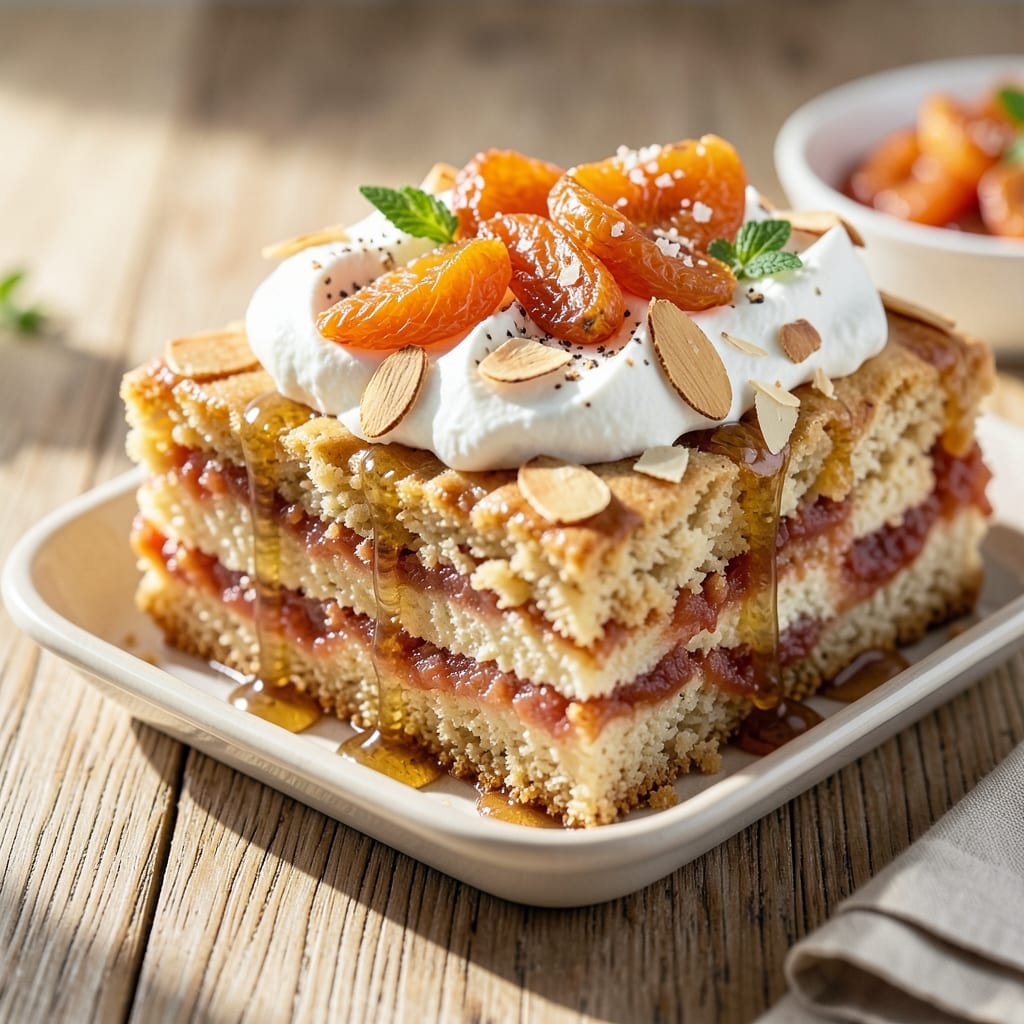
This almond and apricot cake delivers a perfect balance of moist crumb and nutty crunch, with bursts of sun-dried fruit that shine through every bite. The secret lies in blending almond flour for structure while keeping the texture tender, not dense—something most almond-based cakes struggle with. I developed this recipe after years of testing, ensuring the apricots stay plump and the almond flavor doesn't overpower the delicate fruit sweetness.
The cake's magic comes from a simple technique: folding chopped apricots into the batter at the last moment, so they release their juices during baking rather than drying out. This creates pockets of caramelized fruit throughout, while the almond crust adds a satisfying crunch. The flavor profile is sophisticated yet approachable—sweet enough to satisfy a dessert craving, but with enough nutty depth to feel special.
Perfectly portioned into single-serving slices, this cake pairs beautifully with Earl Grey tea or a glass of chilled sparkling wine. The natural fruit sweetness means you can skip heavy icings—just a dusting of powdered sugar or a drizzle of honey enhances rather than masks the flavors. It's the kind of dessert that feels indulgent yet light, making it ideal for brunch, afternoon tea, or a celebratory treat.
With minimal ingredients and a straightforward process, this recipe delivers restaurant-quality results without the fuss. The oven time is precise, and the texture—moist yet sturdy—holds up beautifully for up to 3 days when stored properly. Let's create a cake that tastes like a sun-drenched afternoon in every bite.
Ingredients for almond and apricot cake
Twelve ingredients blend almond richness with apricot's sun-kissed sweetness for a cake that's both elegant and effortless.
| Ingredient | Amount | Notes |
|---|---|---|
| Almond Flour 🌰 | 2 ½ cups | Finely ground for even texture |
| Sun-Dried Apricots 🍑 | 1 ½ cups | Chopped, not dried in oil |
| Granulated Sugar 🍚 | 1 ¼ cups | Superfine preferred for smoothness |
| Unsalted Butter 🧈 | 1 cup | Cold, cubed for creaming |
| Large Eggs 🥚 | 3 whole | Room temperature for blending |
| Vanilla Extract 🌿 | 1 tbsp | Pure Madagascar preferred |
| Almond Extract 🌰 | ½ tbsp | High-quality for authentic flavor |
| Baking Powder 🍞 | 1 tsp | Aluminum-free for best rise |
| Fine Sea Salt 🧂 | ½ tsp | Diamond Crystal preferred |
| Powdered Sugar 🍚 | ½ cup | For dusting, not baking |
| Honey 🍯 | 2 tbsp | For glaze, raw preferred |
| Heavy Cream 🥛 | ¼ cup | For glaze, cold |
The almond flour is non-negotiable here—Bob's Red Mill or Anthony's Goods brands deliver the finest grind, crucial for that signature crumb. Sun-dried apricots should be oil-free to prevent greasiness in the batter; Mediterranean Market carries excellent varieties. For the butter, Plugrá or Land O'Lakes unsalted are ideal—their high fat content ensures proper creaming. Eggs must be room temperature to incorporate smoothly, so pull them from the fridge 30 minutes before starting. The extracts—vanilla and almond—are where flavor depth happens: Lake Champlain or McCormick brands offer reliable quality. Baking powder should be fresh (test by mixing with water; it should fizz immediately).
No almond flour? Substitute with 1.5 cups all-purpose flour plus 1 cup ground almonds, but texture will differ slightly. Sun-dried apricots too expensive? Dried apricots rehydrated in warm water work in a pinch, though they'll be softer. Running low on vanilla extract? Vanilla bean paste at double the amount delivers similar intensity. The honey glaze can be swapped for agave nectar for a neutral sweetness. For a nut-free version, replace almond flour with 1.5 cups oat flour plus 1 tbsp psyllium husk to maintain structure. The baking powder must be aluminum-free—Clabber Girl is a reliable brand. Salt is critical here; Diamond Crystal dissolves more gently than table salt.
Store the cake in an airtight container at room temperature for up to 3 days—the texture actually improves as flavors meld. For longer storage, freeze slices wrapped in plastic for up to 2 months. The glaze sets best at room temperature, so assemble the cake 1 hour before serving. Apricots release moisture during baking, so the cake is best enjoyed within 2 days of preparation for peak tenderness. Reheat slices briefly in the oven to restore any lost crunch.
Why You'll Love This Recipe
- No Mixer Needed: I swear by this recipe when my mixer’s on the fritz—just fold the almond flour and butter until it’s almost crumbly, then toss in those chopped apricots. The dough comes together faster than you can say “gluten-free” and still holds its shape like a dream.
- Sun-Dried Apricot Magic: Honestly, the caramelized sweetness of those apricots? It’s the star. The butter and sugar create this tender crumb, but the dried fruit adds a chewy, jammy burst that makes every bite feel like a little dessert. (Yes, even on a Tuesday night.)
- Crowd-Pleaser in a Box: This cake is my go-to for book clubs, office potlucks, or when my in-laws “just drop by.” It’s naturally sweet but not cloying, and the nutty almond flour makes it feel fancy without the fuss. Bonus: no one asks if it’s vegan—it just is.
- Leftovers That Last: Between us, I’ve had this cake three days out of the fridge, and it’s still moist. The almond flour stays fresh longer than regular flour, and the sugar keeps it from drying out. Slice it up for breakfast toast or pack it in lunches—it’s basically edible cake 24/7.
Step-by-step instructions for almond and apricot cake
Create a moist, nutty cake with bursts of sweet apricot—every layer delivers perfect texture and flavor.
Prepare the Apricot Compote
In a small saucepan, combine the 1.5 cups sun-dried apricots with 2 tablespoons honey and 0.25 cup heavy cream. Bring to a gentle simmer over medium heat and cook for 8-10 minutes until the apricots soften and the mixture thickens slightly. You'll know it's ready when the apricots release their natural juices and the mixture reaches a jam-like consistency.
Remove from heat and let cool completely. This step infuses the cake with deep apricot flavor while maintaining moisture. If the mixture cools too quickly, cover it loosely with plastic wrap to retain heat. The apricot compote will be used later to fold into the batter and create pockets of fruity surprise in each bite.
Cream Butter and Sugar
In a stand mixer fitted with the paddle attachment, beat the 1 cup unsalted butter (cold and cubed) with the 1.25 cups granulated sugar on medium speed for 3-4 minutes. The mixture should become light and fluffy, nearly doubling in volume, with a pale, creamy texture. This creaming process incorporates air, which creates a tender crumb in the finished cake.
Scrape down the sides of the bowl to ensure even mixing. Here's the thing—if you rush this step, you'll end up with a dense cake. The butter needs time to emulsify with the sugar, creating tiny air pockets that give the cake its signature lightness. You'll see the mixture change from thick to light and fluffy as it develops properly.
Add Eggs and Extracts
Add the 3 whole large eggs (room temperature) one at a time, mixing on low speed for 30 seconds after each addition. Then add the 1 tablespoon vanilla extract and 0.5 tablespoon almond extract, mixing just until combined. The almond extract might seem strong, but it's essential for balancing the sweetness and enhancing the nutty flavor profile of the cake.
After adding the extracts, the mixture will have a rich, aromatic scent. This is where the cake's signature flavor begins to develop. Don't overmix at this stage—just until everything is incorporated. The batter should be smooth and slightly thick, with no visible streaks of egg white.
Combine Dry Ingredients
In a separate bowl, whisk together the 2.5 cups almond flour, 1 teaspoon baking powder, and 0.5 teaspoon fine sea salt. Sift the mixture directly into the wet ingredients, mixing on low speed for 1-2 minutes until just combined. You should still see small streaks of flour—this prevents overdevelopment of gluten, which would make the cake tough.
Gently fold in the cooled apricot compote using a spatula. You'll notice the batter becomes slightly thicker and more vibrant in color. This step ensures each bite contains those sweet, chewy apricot pieces. Be careful not to overmix—just until the compote is evenly distributed throughout the batter.
Bake to Golden Perfection
Preheat your oven to 350°F. Pour the batter into two 8-inch round cake pans lined with parchment paper. Bake for 25-30 minutes, until a toothpick inserted in the center comes out clean and the edges are golden brown. The cake should spring back slightly when pressed gently in the center.
Real talk: Your oven might run hot, so start checking at the 20-minute mark. The almond flour can burn easily, so keep an eye on the edges. If the top browns too quickly, tent the pans with aluminum foil. Let the cakes cool in the pans for 10 minutes before transferring to a wire rack to cool completely.
Glaze and Serve
Once completely cool, combine the 0.5 cup powdered sugar with 2 tablespoons honey and 2 tablespoons water in a small bowl. Whisk until smooth, then drizzle generously over the cooled cake layers. The glaze should be thin enough to drip slightly down the sides, creating that professional bakery look.
Let the glaze set for 15 minutes before slicing. This final step adds a beautiful sheen and balances the rich, nutty flavors of the cake. Serve at room temperature for the best texture and flavor experience. Each slice should reveal tender crumb, pockets of apricot, and that perfect balance of sweetness and nutty richness.
Pro Tips For Making Almond And Apricot Cake
- CHOP APRICOTS SMALL: I learned this the hard way—big chunks sink to the bottom and make uneven bites. Pulse them in a food processor for 3-4 seconds, or chop by hand into ¼-inch pieces. You want them distributed evenly, not hidden like a surprise in every third forkful.
- CREAM BUTTER AND SUGAR LONG: Don’t rush this step. Beat the butter and sugar until it’s pale and fluffy—about 3-5 minutes with a stand mixer. I used to cut corners here, and the cake ended up dense. This lightens the texture, especially since almond flour lacks gluten’s lift.
- WEIGH ALMOND FLOUR PRECISELY: Spooning almond flour into measuring cups packs it too tightly, making the cake dry. Use a kitchen scale for accuracy, or fluff the flour first and scoop gently. A 1-ounce difference throws off the balance—this isn’t a forgiving recipe.
- BAKE UNTIL SPRINGY, NOT GOLDEN: The cake will look underdone when the edges pull away and the center jiggles slightly. Overbaking dries out the almond flour’s natural moisture. Check at 25-30 minutes, then tent with foil if it’s browning too fast—your nose knows when it’s done.
Health benefits of these flavors
Heart-Healthy Nutty Goodness
Almond flour is your secret weapon here—it's packed with vitamin E (a powerful antioxidant) and monounsaturated fats that support heart health. Just 2.5 cups of almond flour provides about 30% of your daily vitamin E needs, helping protect your cells from oxidative damage. The natural fats in almonds also help stabilize blood sugar levels, making this cake a smarter dessert choice than traditional flour-based options. 💪
Fiber-Rich Apricot Boost
Sun-dried apricots bring more than just sweetness—they're loaded with dietary fiber (about 3 grams per ½ cup) and potassium, which supports healthy digestion and blood pressure regulation. The natural sugars in apricots provide quick energy without the crash you'd get from refined sugar. Plus, they contain beta-carotene, an antioxidant that promotes healthy skin and immune function.
Natural Sweetness Benefits
This recipe replaces refined sugar with honey and the natural sweetness of apricots, cutting back on empty calories. Honey contains trace amounts of zinc and iron, while apricots provide vitamin C and copper. Together, they create a dessert that's actually nutritious—no artificial ingredients or processed sugars here. The almond extract adds flavor without calories, making every bite more satisfying.
Low-Glycemic Advantage
The combination of almond flour and apricots creates a low-glycemic-index dessert, meaning it won't spike your blood sugar like traditional cakes. Almonds have a glycemic index of 0 (they contain no carbohydrates), while apricots score a modest 30. This makes the cake particularly suitable for those managing blood sugar levels or following diabetic-friendly diets. The fiber content further slows sugar absorption.
Protein-Packed Treat
Don't let the sweetness fool you—this cake is surprisingly protein-rich thanks to the almond flour. With 2.5 cups of almond flour, you're getting about 20 grams of plant-based protein per serving. That's more protein than many protein bars! The eggs add another 18 grams, making this dessert a great post-workout option when paired with a cup of green tea for extra amino acids. 💪
Nutrition facts
Frequently asked questions
Can I make this cake without almond flour?
You can substitute with 1.5 cups all-purpose flour plus 1 cup ground almonds, but the texture will be slightly denser. For a closer match, use 1.5 cups oat flour plus 1 tbsp psyllium husk to maintain structure while keeping the nutty flavor profile. The cake will still be delicious, though the crumb won't be as tender.
How do I prevent the apricots from drying out?
Always use sun-dried apricots (not oil-packed) and prepare the compote first by simmering them with honey and cream. Cool completely before folding into the batter—this ensures they release moisture gradually during baking. For extra juiciness, add 1 tbsp apricot jam to the compote mixture.
Why does my cake taste bitter?
Overmixing the batter or using too much almond extract can cause bitterness. Stick to 0.5 tbsp almond extract and mix just until combined. If the flavor is still off, reduce to 0.25 tbsp next time. The almond flour itself shouldn't taste bitter—if it does, check the brand for rancidity. Freshness matters!
Can I bake this in a different pan shape?
Yes! For a single layer, use an 8-inch round or square pan. For a loaf, a 9x5-inch pan works well (reduce baking time by 5-7 minutes). Adjust oven racks to the middle position and check for doneness with a toothpick. The cake's texture may vary slightly by pan shape.
How do I store leftovers?
Keep the cake in an airtight container at room temperature for up to 3 days—it actually improves as flavors meld. For longer storage, freeze slices wrapped in plastic for up to 2 months. Reheat briefly in the oven to restore any lost crunch. The glaze sets best at room temperature, so avoid refrigerating.