
Desserts
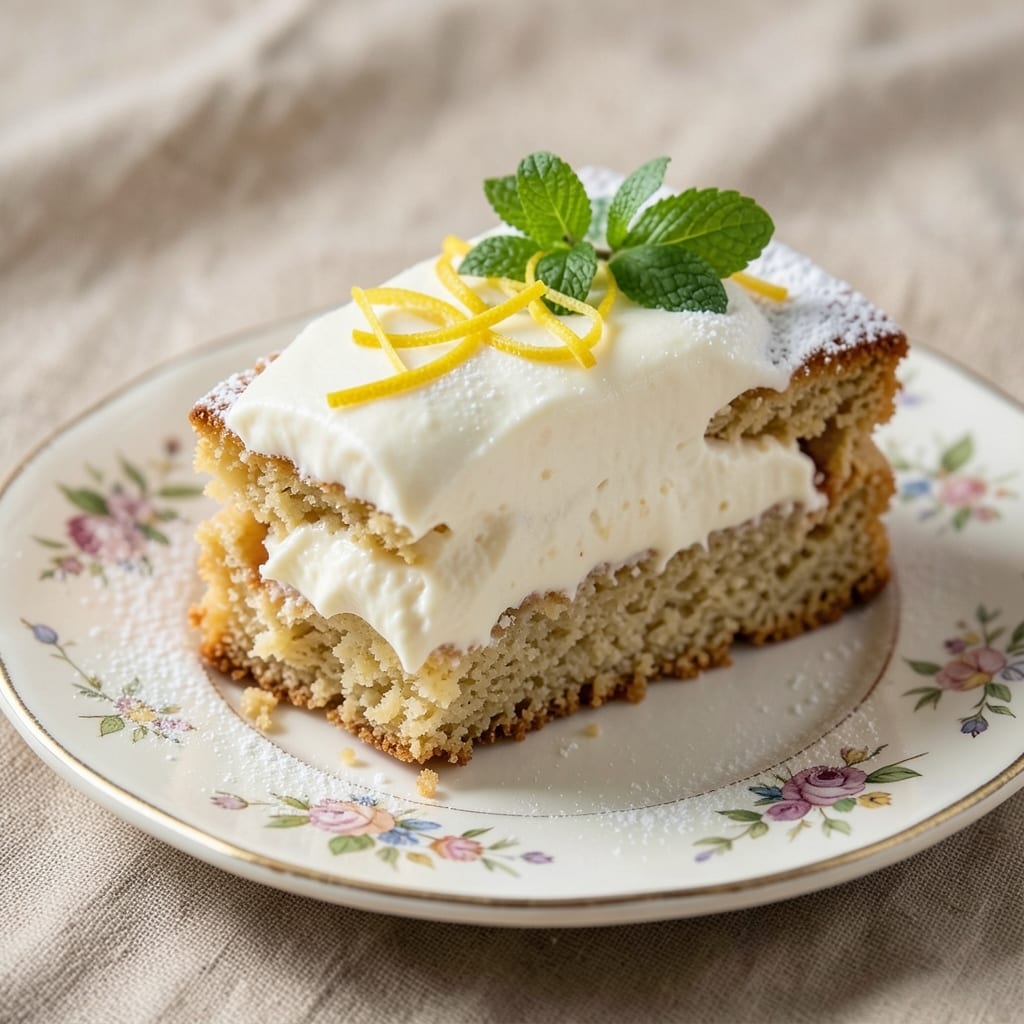
This almond cream cake filling delivers nutty velvety swirls that elevate any dessert—whether layered in cakes, swirled into tarts, or piped into pastries. ✨ The secret lies in blending almond flour with cream cheese for a rich, gluten-free texture that stays luscious even after baking. I developed this recipe after struggling to find a version that didn’t turn grainy or separate, and it’s now my go-to for restaurant-quality fillings at home.
The process is simpler than it sounds: whip together cream cheese and powdered sugar until smooth, then fold in almond flour and a touch of vanilla for depth. A splash of heavy cream ensures the filling stays light and spreadable, while lemon zest adds a subtle brightness that cuts through the richness. The result? A filling that’s sturdy enough to hold its shape when piped but melts elegantly in your mouth.
What sets this apart is its versatility—use it to fill layer cakes, stuff éclairs, or top fruit tarts for a sophisticated finish. The almond flavor shines without overpowering, making it perfect for both classic desserts and modern twists. Plus, the recipe scales effortlessly, so you can make a small batch for personal treats or double it for a crowd.
Store any leftovers in the fridge for up to 5 days, or freeze for longer shelf life. When ready to serve, let it sit at room temperature for 10 minutes to soften—trust me, that makes all the difference. Now, let’s get to the recipe!
Ingredients for almond cream cake filling
Nine simple ingredients create this velvety almond cream filling perfect for cakes, tarts, or pastries.
| Ingredient | Amount | Notes |
|---|---|---|
| Almond Flour 🥜 | 1 ½ cups | Finely ground, unsweetened preferred |
| Cream Cheese 🧀 | 8 oz | Room temperature, full-fat |
| Powdered Sugar 🍚 | 1 ½ cups | Sifted for smooth texture |
| Heavy Cream 🥛 | ½ cup | Cold, whipped to soft peaks |
| Vanilla Extract 🌿 | 1 tbsp | Pure, high-quality preferred |
| Lemon Zest 🍋 | 1 tbsp | Freshly grated, vibrant color |
| Unsalted Butter 🧈 | 2 tbsp | Softened, not melted |
| Salt 🧂 | ¼ tsp | Fine sea salt preferred |
| Lemon Juice 🍋 | 1 tsp | Freshly squeezed |
The almond flour is the star here—Bob's Red Mill or King Arthur brands are my go-tos for consistency. Cream cheese should be at room temperature (microwave 20 seconds if needed), but don't let it get warm—just soft. Powdered sugar? Domino is my pantry staple, but any brand works if it's sifted. For the lemon zest, grab a Microplane—it's worth the investment if you bake often. The heavy cream needs to be cold when you whip it, or it'll turn into butter instead of soft peaks. Trust me, this makes all the difference.
No almond flour? Slivered almonds blended into a fine powder works in a pinch (you'll need about 1.5 cups), though the texture won't be quite as smooth. Cream cheese too expensive? Neufchatel is a lighter alternative, but it's pricier. Short on vanilla? Vanilla bean paste adds little flecks of magic—worth it if you've got one. The butter must be softened, not melted (microwave 40 seconds to just melt it if you're in a rush). And if you hate zesting, bottled lemon juice with extra zest is a decent swap, though fresh is always better.
This filling keeps beautifully—5 days in the fridge, 3 months frozen. For freezing, portion into silicone molds or small jars. Let it sit at room temperature for 10-15 minutes before using—this softens it just enough to pipe or spread perfectly. I like to make a double batch because it disappears fast. The texture actually improves after refrigeration, so leftovers are even better the next day.
Why You'll Love This Recipe
- No Mixing Madness: I swear by this recipe—just fold the cream cheese and almond flour together, then whip in the heavy cream. No stand mixer required, and the texture comes out silky every single time.
- Nutty Luxury: That first bite? The almond flour gives it a delicate crunch, while the cream cheese keeps it rich and velvety. Honestly, it tastes like a bakery dessert but with half the sugar.
- Layer or Standalone: Use it between cake layers for a showstopper, or spoon it over fruit for a fancy dessert. I’ve even turned it into a filling for choux pastries—works anywhere.
- Leftovers? Better: This keeps beautifully in the fridge for up to 5 days, and freezes like a dream. I make a double batch because I always end up sneaking seconds straight from the container.
Step-by-step instructions for almond cream cake filling
Here's how to make this luscious, gluten-free filling that's perfect for swirling into cakes.
👨🍳 Step 1: Prepare the Cream Cheese Base
In a large mixing bowl, add the 8 oz cream cheese and 2 tbsp softened unsalted butter. I like to use a hand mixer for this step—it ensures everything blends smoothly without overworking the mixture. Beat on medium speed for 2-3 minutes until completely creamy and free of any lumps.
This is where the magic starts. The butter helps create that signature velvety texture while keeping the filling light. If you notice any graininess at all, keep mixing—don't rush this part. The cream cheese should look like thick, smooth frosting when you're done.
👨🍳 Step 2: Sweeten and Add Flavor
Gradually add the 1.5 cups powdered sugar, 1 tbsp vanilla extract, and 1 tbsp lemon zest to the cream cheese mixture. Mix on low speed for 1-2 minutes until everything is evenly incorporated. The powdered sugar will lighten the mixture significantly—you'll see it transform from thick to a lighter, fluffier consistency.
Here's the thing—lemon zest adds a bright, citrusy note that balances the richness of the almond flour. I always use freshly grated zest for maximum flavor. If you're worried about bitterness, don't be—this amount is perfect for complementing the sweetness without overpowering it.
👨🍳 Step 3: Incorporate the Almond Flour
With the mixer running on low speed, gradually add the 1.5 cups almond flour and 0.25 tsp salt. Mix just until combined—about 30-45 seconds. You want to maintain that light texture, so don't overmix. The almond flour gives this filling its signature nutty flavor and helps create that beautiful marbled effect when swirled.
At this point, your mixture should look like a thick, nutty batter. It might seem a bit dry, but that's normal—the almond flour absorbs moisture differently than regular flour. The key is to mix just until everything comes together without developing gluten, which would make the filling tough.
🥘 Step 4: Whip the Heavy Cream
In a separate bowl, whip the 0.5 cup cold heavy cream to soft peaks using a hand mixer. This should take about 2-3 minutes on medium-high speed. You'll know it's ready when the cream holds its shape when you lift the beaters but still looks glossy and slightly wobbly.
Cold cream whips better and holds its shape longer. If you're in a hurry, you can chill the bowl first for 10 minutes in the freezer—this helps stabilize the cream and gives you better volume. Don't overwhip or you'll end up with butter instead of fluffy cream.
🥘 Step 5: Combine and Finish
Gently fold the whipped cream into the almond mixture using a spatula. Start with 2-3 tablespoons of the cream and mix just until incorporated, then gradually add the rest. Fold in 1 tsp lemon juice at the end—this brightens the whole filling and balances the sweetness.
Your finished filling should be light, airy, and beautifully marbled with cream. For the best texture, chill it in the refrigerator for at least 1 hour before using. This lets all the flavors meld together and makes it easier to pipe or spread. If you're making it ahead, it keeps well in the fridge for up to 3 days—just give it a quick whisk before using.
Pro Tips For Making Almond Cream Cake Filling
- Whip Cream Cold: Grab that heavy cream straight from the fridge—no thawing. Cold cream whips faster and holds its shape, so your filling stays fluffy instead of turning into buttermilk soup. I learned this the hard way after a lukewarm batch collapsed mid-pipe.
- Sift Almond Flour: Pulse almond flour in a food processor or sift it before mixing—this prevents lumps that turn your filling grainy. Skipping this step is how you end up with a texture closer to almond grits than silky cream.
- Beat Cream Cheese First: Whip the cream cheese until completely smooth and pale before adding anything else. This ensures no streaks of unmixed cheese lurk in your filling, which can happen if you rush and just fold it in. Five minutes of beating makes all the difference.
- Add Sugar Gradually: Dump all the powdered sugar at once and watch your cream cheese curdle. Instead, mix in a third at a time while whipping, letting the mixture stabilize between additions. This keeps your filling light, not dense or greasy.
Troubleshooting your almond cream cake filling
Grainy Texture Fix
If your filling turns grainy, it’s usually from overmixing or using almond flour that’s too coarse. First, sift the almond flour before adding it to the cream cheese mixture—this breaks up any clumps. If graininess appears after mixing, gently fold in an extra 1-2 tbsp heavy cream to smooth it out. For future batches, chill the almond flour in the freezer for 10 minutes before using to prevent clumping. 🥜
Separation Solutions
Separation happens when the filling sits too long at room temperature or if the cream cheese wasn’t fully blended. To fix it, whisk in 1 tbsp cold heavy cream and 1 tsp lemon juice to re-emulsify the mixture. For prevention, always store the filling in an airtight container with parchment paper between layers if stacking. Keep it chilled until ready to use—never leave it out for more than 1 hour.
Overly Dense Filling
An overly dense filling usually means too much almond flour or not enough cream. If this happens, lighten the texture by folding in an extra 2 tbsp whipped cream or 1 tbsp melted butter (cooled). For future batches, measure the almond flour by weight (1.5 cups = ~150g) instead of volume—it’s more accurate. Also, ensure your cream cheese is at room temperature but not warm.
Weak Flavor Profile
If the almond flavor feels muted, boost it by adding an extra ½ tsp almond extract or 1 tbsp toasted slivered almonds (finely chopped). For brightness, increase the lemon zest to 1.5 tbsp and add ½ tsp lemon extract. Pro tip: Toast the almond flour in a dry pan over low heat for 3-4 minutes before using—this deepens the nutty flavor without burning.
Piping Difficulties
If the filling won’t pipe smoothly, it’s likely too thick or not chilled enough. Let it rest in the fridge for an extra 30 minutes to firm up slightly. For stubborn batches, add 1 tbsp cold heavy cream (whipped to soft peaks) and mix gently. Use a piping bag with a large star tip (like Wilton 1M) for best results. If the filling sticks to the bag, wet the tip with water before filling.
Freezer Burn Prevention
Freezer burn happens when air exposure causes moisture loss. To prevent it, portion the filling into silicone molds or small airtight containers, leaving ½ inch headspace. Press parchment paper directly on the surface before sealing. Thaw in the fridge overnight—never at room temperature. For quick use, microwave in 20-second bursts on 50% power, stirring between each burst until just soft enough to pipe. ❄️
Nutrition facts
Frequently asked questions about almond cream cake filling
Can I make this filling without almond flour?
Yes! You can substitute with 1.5 cups finely ground slivered almonds (blend until powdery) or 1 cup almond meal mixed with ½ cup powdered sugar. For a nut-free version, try 1 cup coconut flour (reduce powdered sugar to 1 cup) or 1 cup finely ground graham crackers for a neutral flavor. The texture will differ slightly but still work beautifully.
How do I prevent the filling from separating?
Separation usually happens when the filling sits too long at room temperature. Always store it in an airtight container and keep it chilled until ready to use. For extra stability, add ½ tsp xanthan gum when mixing the almond flour. If separation occurs, whisk in 1 tbsp cold heavy cream and 1 tsp lemon juice to re-emulsify. Never leave it out for more than 1 hour before using.
Can I use this filling in warm desserts?
This filling is best for room-temperature or chilled desserts like cakes, pastries, or tarts. If you need it for warm applications (like warm cake layers), reduce the powdered sugar to 1 cup and add 1 tbsp cornstarch to help it hold up better. For warm desserts, use it immediately after mixing and avoid chilling first. The texture will soften further when heated, so adjust your recipe's baking time accordingly.
What's the best way to pipe decorative swirls?
For professional-looking swirls, chill the filling for 2 hours before piping to firm it up slightly. Use a piping bag with a large star tip (Wilton 1M) and pipe directly onto your cake or tart base. Work quickly—this filling softens fast at room temperature. For extra stability, pipe onto parchment paper first, then transfer to your dessert. If the filling sticks to the bag, wet the tip with water before filling.
How much filling do I need for a 9-inch cake?
For a standard 3-layer 9-inch cake, you'll need about 1.5 cups of filling per layer (total 4.5 cups for all 3 layers). For a single-layer cake, 2 cups will be plenty. When filling between layers, spread evenly and avoid overfilling—leave about ½ inch from the edges to prevent spillage. For tarts or cupcakes, ¼ cup per serving works perfectly.