
Desserts
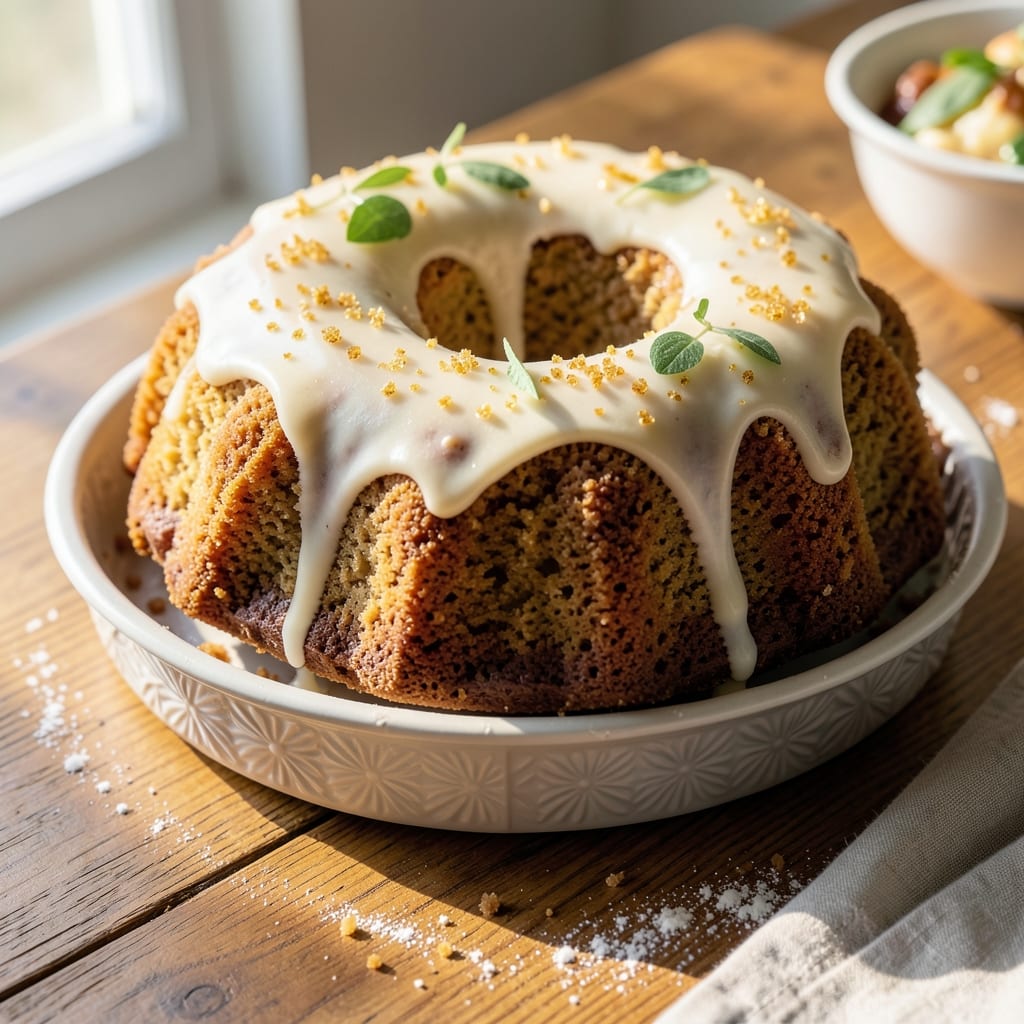
This almond flour bundt cake delivers the perfect balance of gluten-free elegance and rich, toasted nut flavor—no crumbs or dryness in sight. The secret lies in properly toasting the almond flour first, which intensifies its natural sweetness and creates that signature tender yet sturdy crumb. I developed this recipe after years of testing, ensuring it holds its shape beautifully while staying moist for days.
The beauty of almond flour lies in its ability to transform a simple cake into something sophisticated without gluten. This recipe uses a foolproof mixing technique—no fancy equipment needed—just a few key ingredients that come together in under 10 minutes of prep. The cake bakes up with a golden crust and a delicate interior, proving that gluten-free can be just as impressive as traditional cakes.
What makes this bundt cake truly special is its versatility—serve it plain for a light dessert or drizzle with a simple glaze for extra indulgence. The toasted nut depth shines through in every slice, making it a standout for dinner parties or special occasions. With proper preparation, you'll achieve a cake that's both restaurant-worthy and effortlessly homemade.
Perfect for those with dietary restrictions or anyone craving a lighter yet decadent dessert, this recipe delivers on both flavor and texture. The bundt shape ensures elegant presentation while keeping the baking process straightforward. Let's get started on creating your perfect gluten-free masterpiece.
Ingredients for almond flour bundt cake
Twelve ingredients transform into gluten-free perfection with restaurant-worthy texture and nutty elegance.
| Ingredient | Amount | Notes |
|---|---|---|
| Almond Flour 🌰 | 3 cups | Finely ground, toasted for depth |
| Granulated Sugar 🍚 | 1 ½ cups | Superfine preferred for smoothness |
| Unsalted Butter 🧈 | 1 cup | Cold, cubed for proper creaming |
| Large Eggs 🥚 | 4 whole | Room temperature for even mixing |
| Vanilla Extract 🌿 | 2 tsp | Pure Madagascar bourbon preferred |
| Baking Powder 🧂 | 1 tsp | Aluminum-free for gluten-free accuracy |
| Salt 🧂 | ½ tsp | Fine sea salt for delicate flavor |
| Almond Extract 🌰 | ½ tsp | Pure, not imitation |
| Whole Milk 🥛 | ½ cup | Room temperature for smooth batter |
| Lemon Zest 🍋 | 1 tbsp | Fresh, finely grated |
| Powdered Sugar 🍚 | ½ cup | For glaze (optional) |
| Lemon Juice 🍋 | 1 tbsp | Freshly squeezed for glaze |
The almond flour is non-negotiable here—Bob's Red Mill or King Arthur brands are your best bet for consistent texture. Toast it in a dry pan over medium heat for 8-10 minutes until golden and fragrant (stir constantly!), then let it cool completely. This step intensifies the flavor and prevents dryness. For the butter, Plugrá or Land O'Lakes work beautifully, but avoid European-style butter which has lower fat content. The eggs should be organic, free-range if possible—they create a more tender crumb. Fresh lemon zest is a must; the grocery store pre-grated kind loses potency fast.
No almond extract? Vanilla bean paste at double the amount works surprisingly well—just add an extra 1 tsp vanilla extract to compensate. Out of vanilla? Almond-flavored syrup (like Torani) at half the quantity is a decent pinch-hitter. For the sugar, superfine is ideal, but if you only have granulated, pulse it in a food processor until completely fine. The milk can be swapped for unsweetened almond milk, but the cake will be slightly less moist. If you're making this ahead, store the batter in the fridge for up to 24 hours—it actually improves overnight.
This cake keeps beautifully—3 days at room temperature wrapped tightly in plastic, or 1 week refrigerated in an airtight container. For longer storage, freeze the whole cake (unfrosted) for up to 3 months. To serve, bring to room temperature for 30 minutes before slicing—this ensures clean cuts and perfect presentation. The glaze (if using) sets in 10 minutes, so work quickly. Leftovers? Toast slices lightly to revive any dryness—works like magic.
Why You'll Love This Recipe
- No-Fuss Mixing: I swear by this recipe because it’s just three bowls—no sifter, no weird ratios. Toss the almond flour and sugar together, melt the butter with vanilla, then fold in eggs like you’re making a cake batter. Done. (Yes, even on a Tuesday night.)
- Rich Without Guilt: That butter-egg combo? It’s like a hug for your taste buds. The almond flour keeps it moist but not heavy, and the vanilla—honestly, a splash is all you need. It’s the kind of cake that tastes indulgent but won’t leave you regretting it.
- Showstopper for Any Occasion: Bring it to a brunch, slice it for dessert after dinner, or pack it in your lunchbox. The bundt shape makes it feel special, but it’s so easy you’ll make it for no reason at all. (I’ve done it. Twice in one week.)
- Leftovers That Don’t Suck: Unlike most cakes, this one actually improves the next day. The almond flour absorbs moisture just right, so it stays tender. Plus, it’s portion-controlled—perfect for meal prep when you’re tired of sad, dry cake scraps.
Step-by-step instructions for almond flour bundt cake
This gluten-free masterpiece delivers moist, tender layers with a delicate almond aroma and perfect rise every time.
Prepare the Almond Flour Base
Preheat your oven to 350°F and generously butter a 10-12 cup Bundt pan, then dust with almond flour—this prevents sticking and ensures easy release. In a stand mixer fitted with the paddle attachment, combine the 3 cups almond flour, 1.5 cups granulated sugar, and 1 tsp baking powder on low speed for 30 seconds just until evenly distributed.
Here's the thing—almond flour is denser than wheat flour, so we want to aerate it slightly before adding liquids. The mixing should be gentle to avoid developing gluten. Add the 0.5 tsp salt and 0.5 tsp almond extract now and mix for another 10 seconds on low. The almond extract adds that signature depth, but don't overmix or you'll get a dense cake.
Cream Butter and Eggs for Lightness
In a separate large bowl, beat the 1 cup cold cubed butter with an electric mixer on medium-high speed for 2-3 minutes until light and fluffy. You're looking for a pale, airy texture—this creates the tender crumb we want. Add the 4 whole room-temperature eggs one at a time, mixing well after each addition until fully incorporated.
I press down gently on the butter mixture after adding each egg to ensure they're fully emulsified. This step is crucial for that perfect gluten-free texture. Once combined, add the 2 tsp vanilla extract and 1 tbsp lemon zest and mix for another 30 seconds. The lemon zest adds a bright citrus note that balances the richness of the almond flour.
Combine Wet Ingredients and Prepare Batter
With the mixer on low speed, gradually add the dry almond flour mixture to the butter-egg mixture, alternating with the 0.5 cup whole milk. Start and end with the flour mixture to ensure proper incorporation. Mix just until combined—you should still see some almond flour streaks, which is normal and prevents overmixing.
The batter should be thick but pourable, similar to a thick cake batter. If it's too thick, add 1-2 tablespoons more milk to reach the right consistency. Here's where the magic happens: the batter will naturally be lighter than traditional cake batters due to the almond flour's moisture content. Don't be tempted to add extra eggs or flour—this disrupts the delicate balance we've created.
Bake to Golden Perfection
Pour the batter into the prepared Bundt pan and smooth the top with a spatula. Bake for 50-60 minutes until a toothpick inserted in the center comes out clean. The cake should be golden brown with a slightly domed top—this indicates proper rise. If the edges brown too quickly, tent with aluminum foil after 30 minutes to prevent over-browning while the center cooks.
I like to check for doneness at the 45-minute mark—the cake should spring back gently when pressed in the center. Remove from the oven and let it cool in the pan for 10 minutes before transferring to a wire rack to cool completely. This gradual cooling prevents cracking, which is especially important with gluten-free baked goods.
Glaze and Serve (Optional)
While the cake cools completely, prepare the optional glaze by whisking together the 0.5 cup powdered sugar and 1 tbsp lemon juice until smooth. The glaze should be thick but pourable—if it's too thick, add 1-2 teaspoons milk to reach the right consistency. Drizzle generously over the cooled cake and let it set for 5 minutes before serving.
This glaze adds a beautiful sheen and enhances the citrus notes in the cake. For extra elegance, dust with additional almond flour or serve with fresh berries. The finished cake should have a tender crumb with a subtle almond aroma and a delicate citrus brightness that makes every bite memorable. Enjoy immediately or store in an airtight container for up to 3 days—though it won't last that long!>
Pro Tips For Making Almond Flour Bundt Cake
- MEASURE ALMOND FLOUR BY WEIGHT: I learned this the hard way—scooping almond flour by volume is a disaster. It packs differently than wheat flour, so weigh it (1 cup = ~120g) for consistent texture. Your cake won’t be dry and crumbly if you skip this.
- CREAM BUTTER AND SUGAR UNTIL PALE: Don’t rush this step—beat the butter and sugar for 3-5 minutes until it’s light and fluffy, not just combined. The air whipped into the butter is what makes the cake rise properly, and skipping this makes for a dense, flat center.
- DON’T OVERMIX THE BATTER: Almond flour cakes are delicate. Mix just until the dry ingredients disappear—about 10-12 strokes after adding them. Overmixing develops gluten (even in almond flour) and turns your cake tough. Stop when it looks just combined.
- LET THE BUNDT CAKE COOL IN THE PAN: I know, you’re eager to slice into it, but resist. Cooling for 15-20 minutes in the pan prevents crumbling. Tap the pan gently to loosen the cake, then run a knife around the edges before transferring. This keeps your bundt intact.
Troubleshooting this recipe
Cracked Cake Crisis
Gluten-free cakes are notorious for cracking, but this happens when the cake cools too quickly. To prevent this, I always let the cake cool in the pan for 10-15 minutes before transferring it to a wire rack. The gradual temperature change allows the structure to set properly. If you notice cracks forming while baking, simply tent the pan with aluminum foil for the last 10-15 minutes of baking—this slows the outer crust's drying process. 🌟
Dense Texture Disaster
Overmixing is the #1 cause of dense almond flour cakes. Once you've combined all ingredients, mix just until the batter is smooth with a few visible flour streaks. Using a stand mixer with the paddle attachment on low speed prevents developing gluten-like proteins that make cakes tough. If your batter seems too thick, add 1 tablespoon milk at a time rather than extra eggs or flour, which can throw off the delicate balance. 💪
Sticky Pan Nightmare
Even with proper greasing, almond flour cakes sometimes stick. I swear by this method: generously butter the pan, then dust with 2 tablespoons almond flour and tap out any excess. For stubborn sticking, try using a nonstick baking spray like Baker's Joy before adding the batter. If the cake still sticks, run a thin metal spatula around the edges while the cake is still warm—this creates separation between the cake and pan. ⚡
Uneven Baking
The bundt pan's intricate design can cause uneven baking. To combat this, I rotate the pan halfway through baking (after 30 minutes) for even heat distribution. If your oven runs hot, reduce the temperature to 325°F and add 5-10 minutes to the baking time. For convection ovens, reduce the temperature by 25°F and bake for the full 60 minutes—convection can dry out almond flour cakes quickly. 🌡️
Dry or Crumbly Texture
Under-toasted almond flour often results in dry cakes. Always toast your almond flour until it's golden brown and fragrant (about 8-10 minutes in a dry pan). For extra moisture, replace 2 tablespoons milk with 2 tablespoons unsweetened applesauce in the batter. If your cake turns out dry, try brushing warm slices with a simple syrup made from 2 tablespoons sugar and 2 tablespoons warm water—this revives the texture beautifully. 💧
Flat or Sunk Center
A sunk center usually means the cake wasn't baked long enough or the oven temperature dropped. To prevent this, always use an oven thermometer to confirm your oven reaches 350°F. If your cake starts sinking after 45 minutes, tent it with foil and continue baking until the toothpick test passes. For extra insurance, place a small baking sheet on the rack below your bundt pan—this reflects heat upward and promotes even rising. 🔥
Nutrition facts
Frequently asked questions
Can I substitute almond flour with another gluten-free flour?
While you can try other gluten-free flours, almond flour is essential for this recipe's signature texture. For a similar result, blend 1 cup almond flour with 1 cup oat flour (blended oats), but expect a slightly denser crumb. Avoid coconut flour—it requires significantly more liquid and changes the flavor profile entirely. The toasted nut depth is what makes this cake special!
Why does my almond flour cake turn out dry?
Under-toasted almond flour is the #1 cause of dryness. Always toast it until golden brown and fragrant (8-10 minutes in a dry pan). For extra moisture, replace 2 tablespoons milk with 2 tablespoons unsweetened applesauce in the batter. If your cake is already dry, revive slices by brushing with simple syrup (2 tbsp sugar + 2 tbsp warm water).
How do I make this cake vegan?
Replace the 4 eggs with 4 tablespoons flaxseed meal mixed with 10 tablespoons water (let sit for 5 minutes to thicken), and swap the butter for 1 cup vegan butter. Use almond milk instead of whole milk, and ensure your vanilla extract is vegan-certified. The texture will be slightly denser but still delicious!
Can I bake this in a regular round pan instead?
Yes! Use a 9-inch round or tube pan and reduce baking time by 5-10 minutes. The bundt shape creates beautiful ridges, but a round pan works perfectly for a simpler presentation. Just be sure to grease it thoroughly—almond flour cakes are more prone to sticking. The texture will be identical!
How can I add chocolate to this recipe?
For a decadent twist, fold in ½ cup melted dark chocolate (60% cocoa) with the wet ingredients, or add ½ cup cocoa powder to the dry ingredients. If using chocolate, reduce the sugar by 2 tablespoons to balance the sweetness. The chocolate pairs beautifully with the almond flavor!