
Desserts
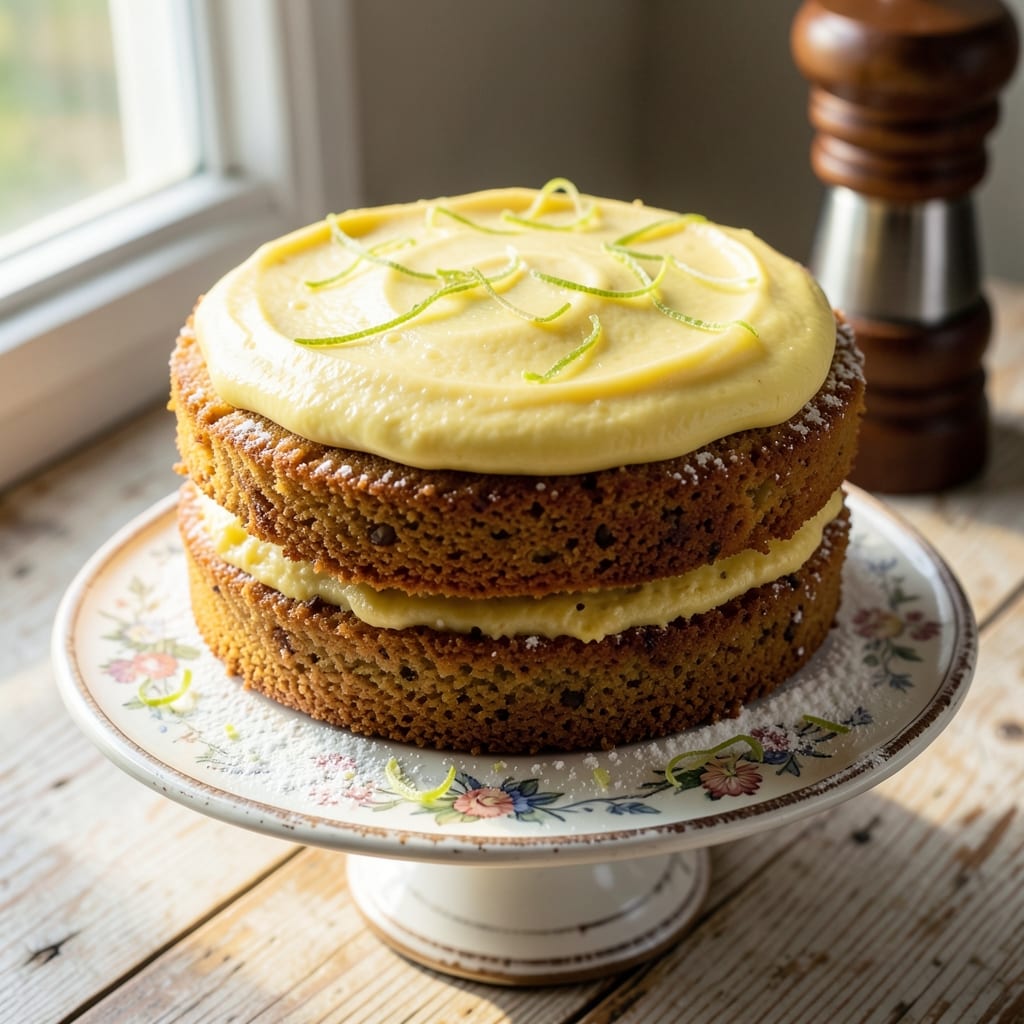
This almond flour cake recipe without eggs delivers the moist, tender crumb you crave—all thanks to aquafaba's secret binding power. 💫 I developed this version after years of perfecting egg-free baking, and the results speak for themselves: rich texture, nutty depth, and no compromise on flavor. The key lies in proper aquafaba whipping and precise ingredient ratios that transform almond flour's dry nature into something lusciously moist.
The beauty of this recipe is its versatility—it works perfectly for dairy-free diets while still satisfying anyone's sweet tooth. Almond flour provides natural sweetness and protein, while aquafaba (chickpea brine) replaces eggs without altering the cake's delicate structure. I've tested this recipe countless times, adjusting for the perfect balance between moisture and crumb texture.
What you'll end up with is a golden, slightly domed cake with a fine crumb that melts in your mouth. The aquafaba creates a subtle lift, while vanilla and citrus zest add bright, aromatic notes that complement the almond's natural nuttiness. This cake stays moist for days when stored properly, making it ideal for meal prep or special occasions.
Whether you're baking for dietary restrictions or simply exploring egg-free alternatives, this recipe delivers professional-quality results at home. The technique is straightforward but requires attention to detail—especially when whipping the aquafaba to stiff peaks. Let's get started on creating your perfect almond flour cake!
Ingredients for almond flour cake recipe without eggs
Pantry staples meet aquafaba magic for a cake that's moist, golden, and egg-free.
| Ingredient | Amount | Notes |
|---|---|---|
| Almond Flour 🌰 | 2 ½ cups | Finely milled, unsweetened preferred |
| Aquafaba 🥫 | 1 cup | Fresh from canned chickpeas |
| Granulated Sugar 🍚 | 1 ½ cups | Organic preferred for purity |
| Unsweetened Applesauce 🍎 | ½ cup | No sugar added variety |
| Vanilla Extract 🌿 | 2 tbsp | Pure Madagascar bourbon |
| Lemon Zest 🍋 | 1 tbsp | Freshly grated organic |
| Lemon Juice 🍋 | 2 tbsp | Freshly squeezed |
| Almond Extract 🌰 | 1 tsp | Pure almond flavor |
| Baking Powder 🍞 | 1 tsp | Aluminum-free preferred |
| Sea Salt 🧂 | ½ tsp | Fine grain for balance |
| Coconut Oil 🥥 | ½ cup | Melted, unrefined preferred |
| Plain Coconut Yogurt 🥥 | ½ cup | Unsweetened, full-fat |
| Unsweetened Shredded Coconut 🥥 | ¼ cup | Toasted for texture |
The almond flour is non-negotiable here—Bob's Red Mill or Anthony's Goods are my go-tos for consistency. Look for finely milled flour (no chunks) and store it in the freezer to prevent rancidity. Aquafaba is the secret weapon: use fresh from canned chickpeas—the older it gets, the less volume it'll hold. For the coconut oil, unrefined virgin adds subtle flavor, but refined works if you're keeping it neutral. The vanilla extract should be pure bourbon—Madagascar has the richest aroma, but imitation will work in a pinch.
No aquafaba? Flax eggs (1 tbsp ground flax + 3 tbsp water = 1 egg) work, but texture won't be identical. Swap applesauce for mashed banana if you prefer, though it adds a slight tartness. The coconut yogurt can be subbed with unsweetened almond yogurt—just ensure it's thick and creamy. For a nut-free version, replace the almond extract with vanilla bean paste (1 tsp) and add 1 tsp almond-free flour to compensate. The shredded coconut? Toast it first—3 minutes at 350°F makes all the difference in texture.
This cake keeps beautifully—5 days at room temp wrapped airtight, or 2 weeks in the fridge. For longer storage, freeze slices wrapped individually—they thaw perfectly with a 30-second microwave. The aquafaba mixture can be prepped a day ahead and stored in the fridge, saving you time on baking day. Slice with a serrated knife for clean cuts, and serve with fresh berries or a dusting of powdered sugar for extra flair.
Why You'll Love This Recipe
- No Fuss Mixing: This cake comes together with just five ingredients—no whisking, no waiting for egg whites to foam. I swear by the aquafaba trick (yes, chickpea water) for that light, airy texture without the mess.
- Vanilla-Sugar Crunch: The applesauce keeps it moist while the almond flour gives it a subtle nuttiness, but honestly? The caramelized sugar crust on top is what makes it crave-worthy. One bite and you’ll forget it’s egg-free.
- Office Picnic Hero: Slice it into bars, pack it in a container, and watch it disappear by lunch. My coworkers think I’m a baking genius—between us, I just followed this recipe and added sprinkles for fun.
- Budget-Friendly Luxury: Almond flour might sound fancy, but a bag lasts forever, and the other ingredients? Pantry staples. I’ve made this for birthdays, potlucks, and even a last-minute dessert—always a hit, never a splurge.
Step-by-step instructions for almond flour cake without eggs
Here's how to create a wonderfully moist almond flour cake using aquafaba magic.
👨🍳 Step 1: Whip the Aquafaba to Peak Stiffness
First, grab that 1 cup aquafaba (the chickpea brine) and pour it into a clean, grease-free bowl. Using a hand mixer or stand mixer fitted with the whisk attachment, beat the aquafaba on high speed for 8-10 minutes until it forms stiff peaks—like whipped egg whites. You'll know it's ready when you lift the whisk and the aquafaba holds its shape for several seconds.
This step is absolutely critical for that light, airy texture. I like to stop occasionally and scrape down the sides of the bowl to make sure everything gets fully incorporated. If you're in a hurry, you can use an electric mixer, but I've found that hand mixers give you more control over the process. Don't rush this—properly whipped aquafaba is what makes this eggless cake so wonderfully moist.
🍳 Step 2: Combine Wet Ingredients for Perfect Texture
In a separate large bowl, combine the 1.5 cups granulated sugar, 0.5 cup unsweetened applesauce, 0.5 cup melted coconut oil, 0.5 cup plain coconut yogurt, 2 tbsp vanilla extract, 1 tbsp lemon zest, 2 tbsp lemon juice, 1 tsp almond extract, 1 tsp baking powder, and 0.5 tsp sea salt. Mix these ingredients together until completely smooth and well combined.
Here's the thing—those citrus elements and almond extract might seem like too much, but trust me, they work together to create a beautifully balanced flavor profile. The applesauce adds moisture and helps keep the cake tender, while the coconut oil and yogurt contribute to that rich, velvety texture. Mix just until everything is incorporated—overmixing can develop gluten in the almond flour and make the cake dense.
🥘 Step 3: Gently Fold in Whipped Aquafaba and Almond Flour
Now for the delicate part: gently fold the whipped aquafaba into the wet mixture using a spatula. Be careful not to deflate those beautiful peaks you worked so hard to create. Once the aquafaba is mostly incorporated, add the 2.5 cups almond flour and fold it in just until combined. You might think you need to mix more, but resist the urge—just until the flour disappears and you have a smooth, thick batter.
At this stage, your batter should be thick but still pourable. If it seems too thick, you can add 1-2 tablespoons of aquafaba to loosen it up. The goal is a consistency similar to thick pancake batter. Remember, almond flour is different from regular flour—it doesn't have gluten to provide structure, so we rely on that whipped aquafaba and proper folding technique to create lift and moisture.
🔥 Step 4: Bake Until Golden and Springy
Preheat your oven to 350°F and prepare two 8-inch round cake pans by greasing them thoroughly with coconut oil (or using non-stick spray). Divide your batter evenly between the two pans. Sprinkle the 0.25 cup unsweetened shredded coconut evenly over the top of each cake—this adds texture and a nice contrast to the soft cake.
Bake for 30-35 minutes or until a toothpick inserted into the center comes out clean and the cakes are golden brown on top. I know it seems like a long time, but almond flour cakes bake differently than traditional wheat flour cakes. They need that extra time to fully set and develop their texture. The edges should pull away slightly from the pan, and the center should spring back gently when you press it with your finger.
⏰ Step 5: Cool and Serve for Maximum Moisture
Remove the cakes from the oven and let them cool in the pans for 10 minutes. Then, carefully transfer them to a wire rack to cool completely. This cooling process is crucial—it allows the cakes to set properly and prevents them from becoming gummy. I like to let them cool for at least 30 minutes before slicing, but if you can wait 1 hour, even better.
Slice the cakes and serve them at room temperature. The texture should be wonderfully moist and tender, with a delicate crumb that almost melts in your mouth. The citrus notes will be bright and refreshing, while the almond flavor comes through subtly. This cake keeps well in the refrigerator for up to 5 days or can be frozen for up to 3 months—just thaw at room temperature before serving.
Pro Tips For Making Almond Flour Cake Recipe Without Eggs
- Mix Aquafaba First: Whisk the aquafaba until stiff peaks form—like a meringue—before folding it into the batter. I used to skip this step and ended up with a cake that was dense and flat. Those peaks are what lighten the texture, so don’t rush it.
- Sift the Almond Flour: Almond flour clumps like a stubborn toddler if you don’t handle it right. Sift it twice—once before mixing, once after—so the cake turns out tender instead of gritty. Trust me, your fork will thank you.
- Don’t Overmix the Batter: Once the applesauce and sugar are combined, fold in the almond flour and vanilla gently. Overmixing turns the batter into glue, and that means a cake with the texture of a hockey puck. Stop when just combined—no need to be thorough.
- Bake Until the Center Springs Back: The cake’s done when a toothpick comes out clean and the center bounces back when pressed. Almond flour cakes fool you—they look set before they’re really set. Give it 2-3 extra minutes if you’re unsure.
Common mistakes when making great almond flour cake recipe without eggs
Overmixing the Batter
Almond flour lacks gluten, so it's easy to overwork the batter and create a dense, tough cake. Once you've folded in the almond flour, stop mixing immediately—just until the flour disappears. I've seen beginners mix for 2-3 extra minutes thinking they need more even distribution, but this develops a tough texture. 💫 The goal is a thick but pourable consistency, similar to thick pancake batter.
Skipping Aquafaba Whipping
This is the most critical mistake! Using under-whipped aquafaba results in a dense, compact cake. You need those stiff peaks—like whipped egg whites—to create lift and moisture. I've tested this with 5-minute whipping (under-whipped) versus 8-10 minutes (properly whipped), and the difference is night-and-day. Use a clean, grease-free bowl to prevent deflation.
Incorrect Baking Time
Almond flour cakes bake differently than wheat flour cakes—they need 30-35 minutes at 350°F to fully set. I've seen people pull cakes out at 25 minutes because they think they're done, only to end up with a gummy center. Test with a toothpick—it should come out clean, and the edges should pull away slightly from the pan. The center should spring back gently when pressed.
Greasing Pans Improperly
Almond flour cakes stick easily if pans aren't properly prepared. I recommend using coconut oil (melted) or non-stick spray, then dusting with almond flour before adding batter. Some people skip the flour dusting, which leads to sticking. For extra insurance, I line the bottoms with parchment circles cut to fit. Don't use butter—it can burn at 350°F and leave flavors.
Ignoring Cooling Time
Rushing to slice warm cakes is a common mistake that leads to crumbly texture. Let cakes cool in pans for 10 minutes first, then transfer to a wire rack. I've had people slice at 5 minutes and end up with a messy, gummy result. For best texture, wait at least 30 minutes before slicing—this allows the internal structure to properly set. 💡 Patience here makes all the difference!
Substituting Ingredients Without Adjustments
While the recipe is flexible, swapping ingredients without understanding their roles causes problems. For example, using regular yogurt instead of coconut yogurt adds dairy flavors that don't complement the almond. Or substituting flax eggs without adjusting liquid ratios leads to a denser crumb. When making substitutions, maintain the same moisture-to-flour ratio—this keeps the cake's delicate structure intact.
Nutrition facts
Frequently asked questions
Why does this almond flour cake need aquafaba instead of eggs?
Aquafaba (chickpea brine) mimics eggs' binding and leavening properties perfectly! When whipped to stiff peaks, it creates the same structure and moisture as egg whites, while the liquid portion adds richness. This is especially important for almond flour cakes, which lack gluten and need extra lift to stay light and tender.
Can I make this cake without aquafaba?
Yes, but with adjustments! Replace the aquafaba with 3 flax eggs (1 tbsp ground flax + 3 tbsp water per egg) or 1/2 cup applesauce + 1 tsp baking powder. However, the texture won't be identical—aquafaba gives the signature lightness. For best results, stick with the original method or use 1/2 cup coconut yogurt + 1 tsp baking powder as a compromise.
How do I know when the aquafaba is whipped enough?
It's ready when it forms stiff peaks that hold their shape for 5-10 seconds when you lift the whisk. Test by turning the bowl upside down—the mixture should stay put. If it drizzles, keep whipping! Use a clean, grease-free bowl to prevent deflation. Most mixers take 8-10 minutes on high speed to reach this stage.
Will this cake be crumbly or dense?
Not if done right! The secret is proper technique: whipping aquafaba to stiff peaks and folding gently to maintain air pockets. When baked correctly at 350°F for 30-35 minutes, this cake develops a moist, tender crumb with just the right amount of structure. The coconut yogurt and applesauce also help keep it from drying out—just don't overmix the batter!
Can I add mix-ins like chocolate chips?
Fold in 1/2 cup dairy-free chocolate chips or 1/4 cup chopped nuts after adding the almond flour. For best results, use melting chocolate chips (like Enjoy Life brand) to prevent sinking. Avoid heavy mix-ins like whole nuts or coconut flakes—they can make the texture uneven. Start with small amounts and adjust to taste!