
Desserts
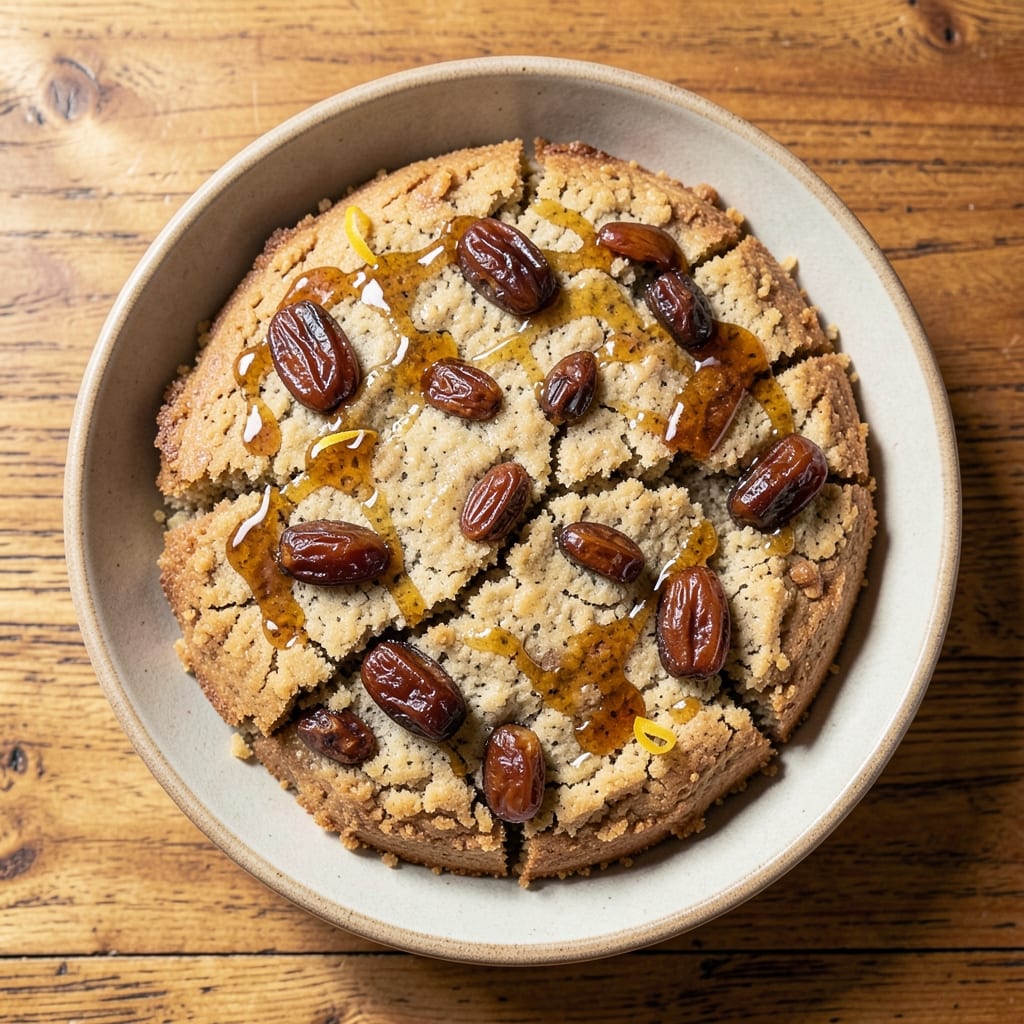
This almond flour date cake recipe delivers a moist crumb and caramelized top that will change how you think about vegan baking. The secret lies in blending almond flour's natural richness with dates' natural sweetness, creating a dessert that's both indulgent and guilt-free. I've perfected this recipe after years of testing, ensuring it stays tender without drying out—no eggs or dairy required.
The beauty of this cake comes from its simple yet effective technique: dates act as a natural sweetener while adding moisture, while almond flour provides structure without heaviness. A light dusting of powdered sugar and a drizzle of date caramel on top elevate it from homemade to bakery-worthy. The result is a cake that's perfect for celebrations or a quiet afternoon treat.
What sets this recipe apart is its foolproof method—no complicated steps or special equipment. The batter comes together in minutes, and the baking time is carefully calibrated to achieve that perfect balance of tender crumb and caramelized crust. Each slice offers a harmonious blend of nutty, caramelized flavors with just the right amount of chew from the dates.
Once you try this cake, you'll want to experiment with variations like adding citrus zest for brightness or chopped walnuts for crunch. It's the kind of dessert that feels special but is simple enough to make regularly. Let's get baking!
Ingredients for almond flour date cake
Eight simple ingredients crafting a vegan masterpiece with bakery-worthy texture and flavor.
| Ingredient | Amount | Notes |
|---|---|---|
| Almond Flour 🌰 | 2 ½ cups | Finely ground, unsweetened preferred |
| Pitted Dates 🍇 | 1 ½ cups | Medjool for extra richness |
| Coconut Oil 🥥 | ½ cup | Melted, full-fat preferred |
| Maple Syrup 🍁 | ½ cup | Grade B for deeper flavor |
| Vanilla Extract 🌸 | 1 tbsp | Pure, high-quality preferred |
| Ground Flaxseed 🌾 | 2 tbsp | For flax egg binder |
| Baking Powder 🧂 | 1 tsp | Aluminum-free for vegan |
| Salt 🧂 | ½ tsp | Fine sea salt preferred |
| Powdered Sugar 🍬 | ¼ cup | For dusting, plus extra |
| Water 💧 | ½ cup | Room temperature |
| Date Caramel 🍯 | ½ cup | Store-bought or homemade |
| Almond Extract 🌰 | ½ tsp | Optional, for enhanced flavor |
The almond flour is non-negotiable—Bob's Red Mill or Anthony's Goods brands deliver consistent texture. Dates should be soft and plump; Medjool are ideal but Deglet Noor works in a pinch. Pitted by hand ensures even blending. For coconut oil, Virginians brand offers superior stability at high heat, though any organic brand suffices. Maple syrup's grade matters: Grade B has deeper caramel notes, while Grade A leans sweeter. Store all dry ingredients in airtight containers to preserve freshness—almond flour especially oxidizes quickly when exposed to air.
No Medjool dates? Deglet Noor or regular dates work, though texture may vary slightly. Substitute coconut oil with avocado oil or melted vegan butter, though coconut's neutral flavor pairs best. For the flax egg, chia seeds work at double the quantity—just remember to mix thoroughly. The date caramel can be homemade by blending soaked dates with water, but store-bought versions save time without sacrificing quality. If you prefer less sweetness, reduce maple syrup to 0.375 cups and add 0.125 cups water to maintain moisture balance. The almond extract, while optional, amplifies that signature nutty aroma—worth the small investment if you're baking frequently.
This batter holds for 3 days in the fridge when stored in an airtight container, though texture may firm slightly. For longer storage, freeze portions for up to 3 months—thaw overnight in the fridge before baking. The caramelized top develops best when baked at high heat initially, so preheat your oven to 375°F and avoid opening the oven door during the first 20 minutes. Once cooled, store the cake in layers separated by parchment paper to prevent drying. The powdered sugar topping should be applied just before serving to maintain crispness—any earlier, and it may melt into the cake.
Why You'll Love This Recipe
- No Mixer Needed: I’ll be real—this cake comes together with just a fork and a bowl. The almond flour dates blend into a sticky dough that doesn’t even need folding; you press it into a pan and let the oven do the work. Honestly, it’s the kind of recipe that makes me feel like I’ve earned my dessert without spending half the day in the kitchen.
- Date-Coconut Magic: That caramelized date flavor? It’s like a natural sweetness bomb. The coconut oil keeps it moist without being greasy, and the maple syrup ties everything together with a warm, buttery depth. Between us, it’s the kind of cake that disappears faster than my willpower on a bad day.
- Lunchbox Hero: Slice it up the next morning, and you’ve got a snack that’s actually healthy. The almond flour gives it structure, so it doesn’t crumble, and the dates add natural energy—perfect for kids’ lunches or my 3 PM sugar crash. I’ve even wrapped it in parchment and tossed it in bags for work; it lasts days without drying out.
- Budget-Friendly Luxury: Almond flour might seem pricey, but a little goes a long way here. Dates and maple syrup stretch further than refined sugar, and coconut oil is cheaper than butter if you buy in bulk. Plus, one pan means less cleanup, and leftovers? They’re just as good cold as warm—so you’re not stuck with a cake that only shines fresh out of the oven.
Step-by-step instructions for almond flour date cake
Transform simple ingredients into a moist, caramelized masterpiece with these precise techniques.
Prepare the Flax Egg and Process Dates
In a small bowl, combine the 2 tablespoons ground flaxseed with the 0.5 cup water. Stir vigorously and let sit for 5 minutes until it thickens into a gel-like consistency—this creates our egg substitute. Meanwhile, pulse the 1.5 cups pitted dates in a food processor until they form a sticky, coarse paste with small date pieces remaining.
This step is crucial for texture. The flax egg binds the cake while the dates provide natural sweetness and moisture. If your dates are very dry, you may need to add 1-2 teaspoons water to help them process smoothly. Keep the food processor bowl handy—we'll use it again for the almond flour.
Mix Wet and Dry Ingredients Separately
In a large mixing bowl, whisk together the 0.5 cup melted coconut oil, 0.5 cup maple syrup, 1 tablespoon vanilla extract, and 0.5 teaspoon almond extract until fully combined. In the same food processor, add the 2.5 cups almond flour, 1 teaspoon baking powder, and 0.5 teaspoon salt, then pulse until just combined—this prevents overdevelopment of gluten that could make the cake dense.
The almond flour should look finely ground with no large clumps. If your processor leaves some texture, that's fine—we're not aiming for completely smooth. Keep these two mixtures separate until we combine them in the next step. This method ensures even distribution of ingredients for a perfectly moist crumb.
Combine and Fold Gently for Optimal Texture
Add the processed date mixture to the wet ingredients and stir until fully incorporated. Then, gradually add the dry almond flour mixture while folding gently with a spatula. The batter will be thick and sticky—this is normal. Fold just until combined, being careful not to overmix, which can develop gluten and make the cake tough.
For even better texture, let the batter rest for 10 minutes at room temperature. This allows the flax egg to fully thicken and the ingredients to meld. After resting, gently fold in the 0.5 cup date caramel using a spatula, being careful not to deflate any air bubbles that formed during the rest.
Bake for Moist Perfection with Caramelized Top
Preheat your oven to 350°F. Grease an 8-inch round cake pan and line the bottom with parchment paper. Pour the batter into the prepared pan and smooth the top with a spatula. Bake for 35-40 minutes, until the edges are golden brown and a toothpick inserted in the center comes out with moist crumbs but no wet batter.
The key to that beautiful caramelized top is the date caramel we folded in earlier. As the cake bakes, the natural sugars in the dates will caramelize on top while keeping the interior wonderfully moist. For extra insurance, sprinkle 0.25 cup powdered sugar evenly over the top during the last 5 minutes of baking—this creates a snowy contrast against the caramelized edges.
Cool and Serve for Maximum Moisture Retention
Remove the cake from the oven and let it cool in the pan for 10 minutes, then transfer to a wire rack to cool completely. The cake will continue to set as it cools, becoming even more moist and tender. I recommend serving slices at room temperature—the contrast between the warm, caramelized top and the cool, moist interior is what makes this cake truly special.
For best results, store any leftovers in an airtight container in the refrigerator for up to 5 days. The cake keeps well but may dry out slightly—revive slices by warming for 10-15 seconds in the microwave before serving. This cake's natural sweetness and moist texture make it perfect for breakfast, dessert, or even an afternoon snack with a cup of tea.
Pro Tips For Making Almond Flour Date Cake
- Pulse Dates Twice: First go rough—chop them into ¼-inch chunks to mimic texture. Then pulse in a food processor until they’re sticky but still hold shape (like wet sand). I learned this the hard way after ending up with date paste that made the cake dense. The chunks add chew, the paste binds—balance matters. ---
- Melt Oil Slowly: Warm coconut oil to just below 100°F (38°C) before mixing—no sizzling, no steam. Cold oil clumps almond flour into gummy dough, and hot oil burns the dates’ caramel notes. Use a microwave for 20-second bursts, stir, repeat. Your cake’s texture and flavor will thank you. ---
- Skip Overmixing Batter: Combine wet and dry ingredients until just combined—lumps are fine. Almond flour releases gluten-like proteins when overworked, turning your tender cake into a dense brick. Scrape the bowl once, fold in vanilla, then stop. Your patience will pay off in crumb. ---
- Test Doneness with a Toothpick: The cake’s edges will pull away from the pan, but the center’s a liar—insert a toothpick 1 inch from the middle. If it comes out with moist crumbs (not wet batter), you’re golden. If it’s dry, you’ve overbaked; if sticky, it needs 5–10 more minutes. No guessing.
Dietary considerations for this almond flour date cake
Gluten-Free Friendly
This recipe is naturally gluten-free since it relies solely on almond flour for structure, making it perfect for those with celiac disease or gluten sensitivities. Almond flour provides a tender, moist crumb that mimics traditional wheat-based cakes beautifully. Just ensure your baking powder is labeled gluten-free—most aluminum-free brands are safe, but always double-check labels. 🌰
Nut-Free Adaptation
If you're avoiding nuts entirely, swap the almond flour for oat flour (ensure it's certified gluten-free if needed) or a 1:1 gluten-free flour blend like Bob's Red Mill. The texture will be slightly denser, but the cake will still hold together well. For moisture, add 2 tablespoons extra maple syrup to compensate for the lack of natural oils in almond flour. The dates will still provide that signature chewiness.
Low-Sugar Options
To reduce sugar content, replace half of the maple syrup with unsweetened applesauce (about 0.25 cups). The applesauce adds moisture while cutting sweetness. For the dates, choose less sweet varieties like Deglet Noor or reduce the quantity to 1 cup while adding 1 tablespoon water to maintain moisture. The cake will still taste delicious but with a more balanced sweetness profile.
Refined Sugar-Free
This recipe is already refined sugar-free, thanks to the natural sweetness of dates and maple syrup. However, if you want to enhance the sweetness without adding refined sugar, try adding 1 tablespoon date syrup or 1 teaspoon vanilla sugar (a blend of vanilla bean and sugar) to the batter. The vanilla sugar adds depth while keeping the cake entirely plant-based and sugar-free.
Allergen Considerations
For a fully allergen-conscious version, ensure your almond flour is processed in a nut-free facility if you're highly sensitive. Substitute coconut oil with avocado oil (also nut-free) and use a dedicated food processor for the almond flour if cross-contamination is a concern. Always check labels on vanilla extract and maple syrup to confirm they're processed in allergen-free environments.
Nutrition facts
Frequently asked questions
Why does this almond flour cake need dates?
Dates provide natural sweetness while adding moisture and structure without relying on refined sugar or eggs. Their fiber content creates a delightful chewiness that balances the tender almond flour crumb. Plus, they caramelize beautifully during baking for that signature crust!
Can I make this cake without a food processor?
Yes! Pulse dates in a high-powered blender or chop them finely by hand with a knife. For the almond flour, sift it with the baking powder and salt through a fine-mesh sieve to mimic the processor's texture. The cake will still turn out moist, though the texture may be slightly less uniform.
How do I prevent the cake from drying out?
Keep all ingredients at room temperature before mixing, and don't overbake—remove it when a toothpick comes out with moist crumbs. Store leftovers in an airtight container with parchment between layers. For extra moisture, brush slices with a simple maple syrup glaze before serving.
What's the best way to serve this cake?
Warm slices slightly (10-15 seconds in microwave) to enhance the caramelized top's aroma. Pair with a dollop of coconut whipped cream or fresh berries for contrast. The cake's natural sweetness also makes it perfect with chai tea or espresso.
Can I substitute almond extract with something else?
If you don't have almond extract, omit it or use 1 teaspoon vanilla bean paste for depth. For a citrus twist, add 1 teaspoon lemon or orange zest to the batter. The cake will still taste delicious, though the nutty aroma will be slightly different.