
Desserts
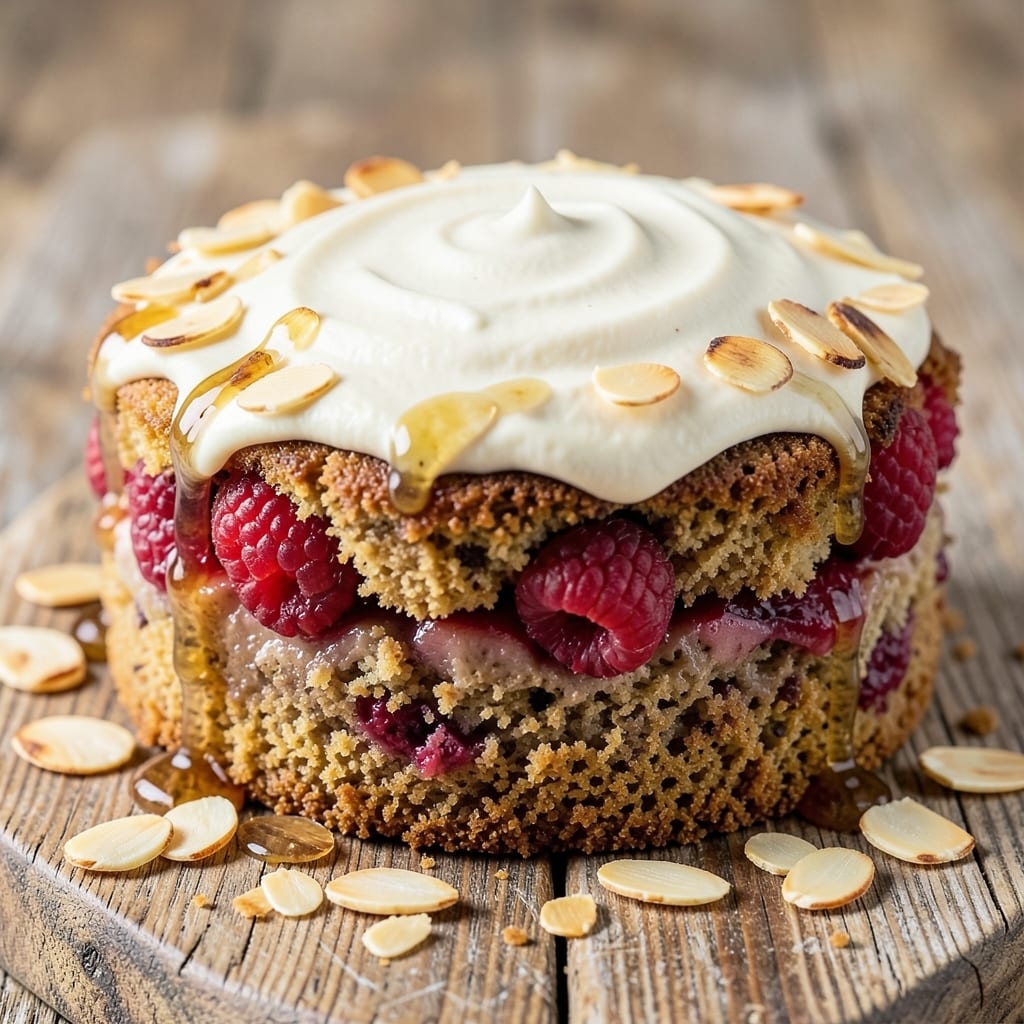
This almond flour fruit cake delivers the perfect balance of tender crumb and vibrant citrus notes, all without the dryness of traditional fruit cakes. The secret lies in almond flour's natural moisture retention—creating layers that stay rich and fudgy for days. I developed this recipe after struggling with crumbly fruit cakes, and the difference is transformative.
What sets this apart is the combination of toasted almond flour and fresh citrus zest, which brightens every bite while adding depth. The cake bakes at 325°F for about 50 minutes, yielding a golden dome with a delicate crust that gives way to moist, flavorful layers. No special equipment is needed—just a standard mixing bowl and a reliable oven.
The result is a cake that's naturally gluten-free yet sturdy enough to hold sliced fruit beautifully. The almond flour base absorbs moisture differently than wheat flour, preventing that dreaded dry texture while keeping each slice rich and satisfying. Perfect for holidays, gifts, or simply indulging in a slice with tea.
For extra elegance, finish with a light citrus glaze or dust with powdered sugar—though the cake tastes just as good on its own. This recipe makes two 8-inch cakes, so you'll have leftovers to enjoy over the next few days. Let's get baking!
Ingredients for almond flour fruit cake
Toasted almond flour meets citrus zest for a cake that stays moist and flavorful—no dry crumbs here.
| Ingredient | Amount | Notes |
|---|---|---|
| Almond Flour 🥜 | 2 ½ cups | Toasted for nutty depth |
| Granulated Sugar 🍚 | 1 ½ cups | Light brown preferred |
| Unsalted Butter 🧈 | 1 cup | Room temperature, full-fat |
| Large Eggs 🥚 | 4 whole | Room temperature |
| Vanilla Extract 🌿 | 2 tsp | Pure extract preferred |
| Baking Powder 🍞 | 1 tsp | Aluminum-free preferred |
| Salt 🧂 | ½ tsp | Fine sea salt |
| Lemon Zest 🍋 | 1 tbsp | Freshly grated |
| Orange Zest 🍊 | 1 tbsp | Freshly grated |
| Lemon Juice 🍋 | ½ cup | Freshly squeezed |
| Orange Juice 🍊 | ½ cup | Freshly squeezed |
| Dried Mixed Fruit 🍇 | 2 cups | Chopped, unsweetened |
| Powdered Sugar 🍚 | ¼ cup | For glaze (optional) |
| Heavy Cream 🥛 | ¼ cup | For glaze (optional) |
The almond flour is non-negotiable—Bob's Red Mill or Anthony's Goods are my go-tos, but any quality brand works. Toast it first in a dry pan for 5-7 minutes until fragrant (that's where the depth comes from). The citrus zest? Use organic lemons and oranges if possible—they're brighter and more flavorful. For the dried fruit, Trader Joe's has great unsweetened options, but any mix works as long as it's not too sticky. The butter needs to be room temp, so take it out 30 minutes before baking.
No almond flour? Blended almonds work in a pinch, but texture will be slightly different. Short on zest? Double the vanilla extract to compensate. The lemons and oranges should be juicy—if they're dry, add a splash of water to the juices. For the glaze, powdered sugar plus heavy cream is classic, but you can also use honey or maple syrup if you prefer. The dried fruit can be soaked in citrus juice for 10 minutes to plump it up, but it's not required.
This cake keeps beautifully—5 days at room temp wrapped in foil, or 1 week in the fridge. For longer storage, freeze slices wrapped individually for up to 3 months. The glaze sets quickly, so assemble it right before serving. Slice with a serrated knife for clean cuts—almond flour cakes can be crumbly if you're not careful. I always bake two cakes so I have one ready to serve and one to enjoy later.
Why You'll Love This Recipe
- I’ll be real: almond flour can feel pricey, but this recipe uses it efficiently. The butter and eggs stretch the flavor so far that you won’t miss heavy cream or extra sugar. Plus, the cake’s simplicity means fewer ingredients to overbuy. It’s the kind of treat that feels indulgent but won’t break the bank—or your willpower.
- No Mixer Needed: I swear by this—just fold the almond flour, melted butter, and eggs together until it’s just combined. No overworking, no gluten to fight, and that buttery richness comes from the eggs and butter blending right into the flour. Honestly, it’s the kind of batter that makes me feel like a baking genius.
- Vanilla Buttercream Magic: That vanilla extract? It’s not just a drop—it’s the star. The cake stays moist (thanks to the butter and eggs), but the real showstopper is when you fold in a simple vanilla buttercream. The almond flour gives it a delicate crumb, but the frosting makes it feel like a bakery piece. (Yes, even on a Tuesday night.)
- Weekend Project or Last-Minute Gift: Here’s what sold me—this cake keeps beautifully for days, so I can bake it on a lazy Saturday and still have slices for company. The almond flour makes it naturally lighter than a traditional fruitcake, so it’s not too heavy for a brunch spread or a quick gift for a neighbor. Wrap it in parchment, tie a ribbon, and boom—thoughtful without the fuss.
Step-by-step instructions for almond flour fruit cake
Here's how to bake a perfectly moist cake with nutty depth and bright citrus notes.
Toast the Almond Flour for Maximum Flavor
Preheat your oven to 350°F and spread the 2.5 cups almond flour evenly on a rimmed baking sheet. Toast for 8-10 minutes, stirring every 2-3 minutes, until it turns a light golden color and smells deeply nutty. This step enhances the almond flavor and prevents a raw taste in your cake.
Let the toasted almond flour cool completely before using. I like to spread it on a clean kitchen towel to cool faster. The flour should be warm to the touch but not hot—this ensures proper mixing with the butter later without creating steam that affects the texture.
Cream Butter and Sugar for Light Texture
In a large mixing bowl, beat the 1 cup unsalted butter (at room temperature) and 1.5 cups granulated sugar together using an electric mixer on medium speed for 3-4 minutes. The mixture should become light and fluffy, nearly doubling in volume, with ribbons forming when you lift the beaters.
This creaming process incorporates air, which creates that tender, moist crumb we're after. If your butter isn't soft enough, it'll create a dense cake. Test by pressing your finger into the butter—it should leave a slight indent but hold its shape. Add the 4 whole large eggs, one at a time, mixing well after each addition.
Mix in Citrus and Wet Ingredients
Add the 2 tsp vanilla extract, 1 tbsp lemon zest, 1 tbsp orange zest, 0.5 cup lemon juice, and 0.5 cup orange juice to the butter mixture. Mix on low speed until just combined—you're looking to distribute those bright citrus flavors evenly without overmixing.
In a separate bowl, whisk together the 2.5 cups toasted almond flour, 1 tsp baking powder, and 0.5 tsp salt. Gradually add this dry mixture to the wet ingredients, mixing on low speed until just combined. Fold in the 2 cups dried mixed fruit by hand using a spatula—this prevents breaking the fruit and keeps it evenly distributed throughout the batter.
Bake for Perfect Moisture and Texture
Pour the batter into a greased and floured 9-inch round cake pan (or two 8-inch pans if preferred). Bake at 350°F for 45-50 minutes, or until a toothpick inserted in the center comes out clean. The cake should be golden on top and spring back slightly when pressed in the center.
Don't overbake—almond flour cakes can dry out quickly. If the top browns too quickly, tent the pan with foil after 20 minutes to prevent over-browning while still allowing the cake to cook through. Let the cake cool in the pan for 10 minutes, then transfer to a wire rack to cool completely.
Optional Glaze for Extra Shine (If Desired)
While the cake cools, prepare the optional glaze by whisking together the 0.25 cup powdered sugar and 0.25 cup heavy cream until smooth. Once the cake is completely cool, drizzle or spread the glaze evenly over the top. This step adds a beautiful shine and extra moisture to each slice.
Let the glaze set for 10 minutes before slicing. The cake will keep well at room temperature for 3 days or can be refrigerated for up to 1 week. For best results, serve at room temperature—this allows the flavors to develop fully and the texture to be at its most tender.
Pro Tips For Making Almond Flour Fruit Cake
- Whip Butter & Sugar First: Almond flour cake needs that airy texture, and you get it by creaming butter and sugar until it’s pale and fluffy—about 3-4 minutes. I used to rush this, and the cake turned out dense. (Yes, even if you’re impatient like me.) ---
- Sift That Almond Flour: Almond flour is clumpy, and clumps sink to the bottom. Sift it with the sugar before mixing—it lightens the batter and keeps the texture even. Skip this, and you’ll get a cake with uneven density. ---
- Don’t Overmix the Eggs: Once the eggs are fully incorporated, stop stirring. Overmixing adds gluten (from any trace wheat in almond flour) and makes the cake tough. Fold just until combined—no more. ---
- Bake Low and Slow: Almond flour cakes dry out fast. Bake at 325°F (not 350°F) and check for doneness at 45 minutes—it should pull away from the pan but still be slightly springy. Overbaking turns it into a brick.
Make-ahead tips for almond flour fruit cake
Prep Ahead Strategy
Toast the almond flour and mix the dry ingredients up to 3 days in advance—store in an airtight container at room temperature. This saves time and ensures your flour is ready when you're ready to bake. The citrus zest and juices can also be prepped ahead and refrigerated in a sealed container for up to 2 days. 💡
Fruit Soaking Hack
Soak the dried mixed fruit in ¼ cup warm citrus juice for 15-20 minutes before mixing it into the batter. This plumps the fruit and intensifies its flavor. Drain well before folding into the batter to avoid making it too wet. I like to do this the night before baking—it’s one less thing to worry about on the day.
Batter Storage
Mix the entire batter up to 24 hours ahead and store it in an airtight container in the refrigerator. When ready to bake, let it sit at room temperature for 30 minutes before pouring into the pan. This prevents condensation from forming in the oven, which can lead to a soggy cake. The batter will thicken slightly in the fridge, so don’t worry if it looks denser than expected.
Make Two Cakes
This recipe makes two 8-inch cakes, which is perfect for gifting or meal prep. Bake both cakes at the same time in your oven—just swap their positions halfway through baking to ensure even cooking. Let them cool completely before wrapping individually in plastic wrap and storing at room temperature for up to 5 days. This way, you always have a fresh slice ready without extra effort. ✨
Freezing Slices
Slice the fully cooled cake and wrap individual portions tightly in plastic wrap, then place them in a freezer bag. Frozen slices keep for up to 3 months without losing moisture or flavor. To serve, thaw at room temperature for 1-2 hours or warm briefly in the oven at 300°F for 5 minutes to restore freshness. This is my go-to method for enjoying cake throughout the holidays without baking every week.
Glaze Prep
Prepare the optional glaze up to 1 day ahead and store it in the refrigerator. Before assembling, whisk it briefly to smooth out any separation. Apply the glaze to the cake just before serving—it sets quickly and adds that professional finish. If you’re gifting the cake, I recommend assembling it the day of serving to keep the glaze looking its best. 💫
Nutrition facts
Frequently asked questions
Why does this almond flour cake stay moist longer than traditional fruit cakes?
Almond flour absorbs moisture differently than wheat flour—it creates a denser, more compact crumb that holds onto juices better. The toasted flour adds fat, which keeps the texture tender, while the citrus juices and butter create a rich moisture matrix. Unlike wheat flour cakes that dry out quickly, this version stays moist for 5 days at room temperature.
Can I substitute almond flour with another gluten-free flour?
While you can try coconut flour or oat flour, the texture will be very different. Coconut flour absorbs liquid aggressively and requires extra eggs, while oat flour lacks the rich nutty depth. For best results, stick with almond flour—it's the only one that mimics the natural moisture retention of wheat flour in cakes. If you're avoiding almonds, consider a blend with 1 cup almond flour + 1 cup oat flour, but expect a slightly denser result.
How do I prevent the cake from cracking on top?
Cracking usually happens from sudden temperature changes or overbaking. To avoid it, bake at 325°F (not higher) and tent the pan with foil after 20 minutes if the top browns too quickly. Also, let the cake cool completely in the pan for 10 minutes before transferring—this gradual cooling prevents surface tension cracks. The citrus zest helps too, as it adds natural oils that keep the surface flexible.
What's the best way to layer dried fruit in the cake?
For even distribution, fold the fruit into the batter by hand using a spatula—this prevents breaking the larger pieces. For a decorative look, press some fruit into the batter before pouring it into the pan, then top with a final layer of batter. If using candied fruit, chop it into ½-inch pieces so it distributes evenly without sinking to the bottom. The soaking hack (15 minutes in warm citrus juice) also helps the fruit hold its shape during baking.
Can I make this cake without eggs?
Yes, but you'll need to replace them with a binding agent. Try 4 tbsp ground flaxseed + 10 tbsp water (let sit for 5 minutes to gel) or ½ cup unsweetened applesauce. The texture will be slightly denser, but the cake will still hold together well. For best results, reduce the butter by 2 tbsp to compensate for the added moisture from the egg substitute.