
Desserts
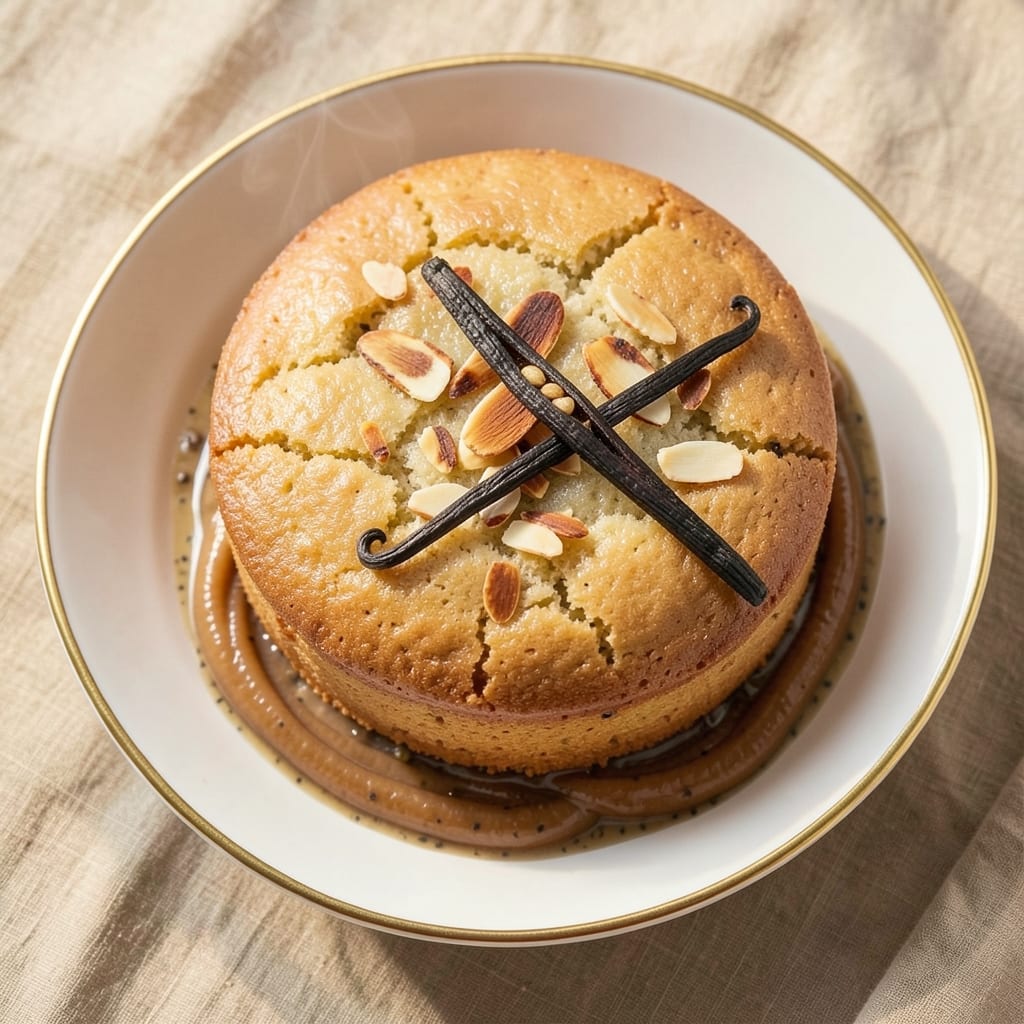
This almond milk vanilla cake recipe delivers fluffy, moist layers with a delicate vanilla swirl—all without a single egg in sight. The secret lies in flax eggs and almond milk, which create a tender crumb while keeping the cake naturally sweet and fragrant. I developed this version after years of testing vegan cakes that either turned dense or dry, and this one finally hit the mark every time.
The recipe uses simple techniques to achieve professional results: a one-bowl mix, gentle folding for airy texture, and a swirl of vanilla bean paste that adds depth without overpowering. Almond milk contributes subtle nuttiness and moisture, while the flax eggs bind everything together without compromising flavor. Even beginners will find the steps straightforward, with clear cues for when to mix, fold, and bake.
What you'll end up with is a cake that's light yet rich, with a tender crumb and just enough vanilla sweetness to satisfy any craving. The almond milk keeps it from being overly heavy, while the vanilla swirl adds visual appeal and an extra layer of flavor in every bite. Perfect for birthdays, gatherings, or a special treat, this cake proves vegan baking can be just as impressive as traditional recipes.
Optional variations include adding lemon zest for brightness, chocolate chips for richness, or crushed almonds for texture. The recipe also works beautifully as a layer cake or single-serving cupcakes. Let's get baking!
Ingredients for almond milk vanilla cake
These carefully chosen ingredients create a delicate, fluffy vegan cake with rich vanilla flavor and perfect moisture.
| Ingredient | Amount | Notes |
|---|---|---|
| Unsweetened Almond Milk 🥛 | 2 cups | Plain, unsweetened variety preferred |
| All-Purpose Flour 🌾 | 2 ½ cups | Sifted for light texture |
| Granulated Sugar 🍚 | 1 ½ cups | Organic preferred for purity |
| Ground Flaxseed 🌾 | 3 tbsp | Freshly ground for binding |
| Pure Vanilla Extract 🌿 | 2 tbsp | High-quality Madagascar bourbon |
| Vanilla Bean Paste 🌿 | 2 tbsp | For authentic vanilla flavor |
| Baking Powder 🧂 | 1 ½ tsp | Aluminum-free preferred |
| Salt 🧂 | ½ tsp | Fine sea salt |
| Vegetable Oil 🫒 | ½ cup | Light, neutral flavor |
| Unsweetened Applesauce 🍎 | ½ cup | For moisture without sweetness |
| Vanilla Bean Seeds 🌿 | 1 whole | Scraped from 1 vanilla bean |
| Powdered Sugar 🍚 | ½ cup | For dusting layers |
The almond milk is the foundation here—opt for unsweetened brands like Silk or Califia Farms for neutral flavor and proper texture. Organic cane sugar prevents graininess, while baking powder ensures a light rise. For the flax eggs, grind the seeds fresh—pre-ground loses potency quickly. Vanilla bean paste delivers that professional depth without the expense of whole beans, though scraping seeds from a real vanilla bean (if available) elevates the flavor further. Diamond Crystal baking powder is preferred as it's aluminum-free, which can affect texture in delicate baked goods.
No vanilla bean paste? Pure vanilla extract plus a pinch of xanthan gum mimics the texture, though the flavor won't be identical. Substituting almond milk? Oat or soy milk work best—avoid coconut milk's richness. For the flax eggs, chia seeds can substitute at the same ratio, though flaxseed's neutral flavor is preferable. Coconut oil can replace vegetable oil if you prefer a subtly tropical note, but reduce by 1 tbsp to prevent dryness. The applesauce acts as a natural tenderizer—unsweetened is critical to avoid altering the cake's delicate sweetness balance.
Store the dry ingredients (flour, sugar, baking powder) in airtight containers for up to 6 months, while vanilla extract keeps indefinitely. Once mixed, the batter should be used within 24 hours for optimal texture. For the vanilla swirl, pipe it directly onto the batter before baking to maintain separation. The finished cake keeps 3 days at room temperature or 1 week refrigerated, though it's best enjoyed fresh. Freeze layers separately for up to 3 months—thaw at room temperature before assembling.
Why You'll Love This Recipe
- Here’s what sold me: this costs half of what store-bought vanilla cakes do, but tastes like the fancy kind. The almond milk keeps it light without breaking the bank, and leftovers? They’re my secret weapon for midweek cravings. I’ve had this cake last five days in my fridge, and it’s still moist—no sad, dry crumbs here.
- No Mixer Needed: I swear by this recipe when my kitchen gadgets are still in boxes. The flaxseed "egg" substitution and almond milk create a batter so smooth you can stir it with a fork—no electric mixer required. Honestly, the only whisking I do is to avoid lumps, and that takes less time than waiting for coffee.
- Vanilla Bomb: That pure vanilla extract isn’t just flavor—it’s the star. The cake has this subtle, warm sweetness that lingers without being cloying, and the almond milk adds a delicate nuttiness that makes every bite feel like a little hug. Between us, I’ve seen people take seconds just because of it.
- Weeknight to Party: Same simple recipe, different outcomes. Need a quick breakfast? Slice it warm with peanut butter. Hosting unexpected company? Frost it with whipped coconut cream and suddenly it’s dessert. I’ve even packed it in lunchboxes—it holds up better than most cakes, and kids actually eat the veggies I sneak into the frosting.
Step-by-step instructions for almond milk vanilla cake
This method ensures a tender crumb, rich vanilla flavor, and perfect moisture balance without eggs.
Prepare the Flaxseed Egg Substitute
In a small bowl, combine the 3 tablespoons ground flaxseed with the 2 cups unsweetened almond milk. Stir vigorously and let sit for 10 minutes until it thickens into a gel-like consistency. This flaxseed mixture replaces eggs by binding the cake batter and adding structure.
I always use freshly ground flaxseed for maximum binding power. If your mixture doesn't thicken properly, add 1 teaspoon more almond milk and wait another 5 minutes. The texture should resemble raw egg whites—smooth and slightly viscous.
Mix Dry Ingredients for Light Texture
In a large mixing bowl, whisk together the 2.5 cups all-purpose flour, 1.5 cups granulated sugar, 1.5 teaspoons baking powder, and 0.5 teaspoon salt. Sift the flour mixture through a fine-mesh sieve directly into the bowl to aerate it and prevent dense pockets in the cake.
This step is crucial for achieving that signature fluffy texture. I like to press down gently on the flour mixture with my fingers to break up any remaining lumps before adding wet ingredients. The goal is to create a smooth, cohesive base that will incorporate evenly with the liquid components.
Combine Wet Ingredients and Vanilla Infusion
In a separate bowl, mix the flaxseed egg substitute with the 0.5 cup vegetable oil, 0.5 cup unsweetened applesauce, 2 tablespoons pure vanilla extract, and 2 tablespoons vanilla bean paste. Add the scraped seeds from 1 whole vanilla bean and whisk until fully combined. The applesauce adds moisture without sweetness, while the vanilla components create that authentic, complex vanilla flavor profile.
Here's where the magic happens: the vanilla bean paste provides both the visual speckles and deep vanilla flavor that pure extract can't match. Stir the mixture until it's completely homogeneous—you should see no streaks of oil or applesauce remaining.
Create the Cake Batter and Swirl Pattern
Gradually pour the wet ingredients into the dry ingredients while mixing on low speed with an electric mixer. Mix just until combined—about 1 minute—being careful not to overmix. The batter should be smooth with a thick, pudding-like consistency.
For the signature swirl pattern, divide the batter evenly between two 8-inch round cake pans lined with parchment paper. Pour half the batter into each pan, then use a rubber spatula to create a well in the center of each. Add 2 tablespoons of the remaining batter to the center of each pan, then gently swirl it outward with the spatula to create a marbled effect.
Bake to Perfect Doneness
Preheat your oven to 350°F and place the cake pans on the middle rack. Bake for 30-35 minutes until a toothpick inserted into the center comes out clean and the edges pull away slightly from the pan. The cake should spring back gently when pressed in the center—this indicates proper doneness.
I always check for doneness at the 28-minute mark because ovens vary. If the tops brown too quickly, tent the cakes with aluminum foil. Once baked, let the cakes cool in the pans for 10 minutes, then transfer to a wire rack to cool completely before frosting or serving.
Pro Tips For Making Almond Milk Vanilla Cake
- Whisk the Flaxseed First: Mix your ground flaxseed with the almond milk before adding anything else—let it sit for 5 minutes to thicken properly. I learned this the hard way when my cake turned out dense and gummy because the flax didn’t gel enough to bind the batter like it should.
- Measure Sugar by Weight: Use a kitchen scale for the granulated sugar—1 cup of packed sugar weighs more than you’d think. I used to eyeball it, and my cake would either taste bland or turn out too sweet; weighing it guarantees consistent results every time.
- Don’t Overmix the Batter: Stop folding in the dry ingredients as soon as they’re just combined—lumps are fine. Overmixing develops gluten, and your cake will turn out tough instead of light and tender. I know, it’s tempting to get it "perfect," but trust the process.
- Bake Until the Center Springs: Test doneness with a toothpick—it should come out with a few moist crumbs, not wet batter. Almond milk cakes can fool you into thinking they’re done too soon; resist the urge to pull them early, or you’ll end up with a gummy mess.
Troubleshooting great almond milk vanilla cake
Dense or Gummy Texture
If your cake turns out dense or gummy, overmixing is usually the culprit. Mix the wet and dry ingredients just until combined—1 minute max—to avoid developing gluten. Also, ensure your flax eggs are fully thickened (they should resemble raw egg whites). If they're runny, your cake will absorb too much liquid and become dense. For extra insurance, reduce the almond milk by 2 tablespoons if your kitchen is humid. 💡
Cake Didn't Rise
Flat cakes often result from expired baking powder or incorrect oven temperature. Test your baking powder by mixing 1 teaspoon with 1 tablespoon vinegar—it should fizz vigorously. Preheat your oven to 350°F for at least 15 minutes before baking. If your oven runs hot, reduce the temperature to 325°F and bake for 40-45 minutes. I also recommend placing a pan of water on the lower oven rack to add moisture and help the cake rise evenly. ✨
Dry or Crumbly Cake
Dryness typically occurs when the cake bakes too long or lacks sufficient moisture. Check for doneness at 28 minutes—overbaking is the #1 cause. If your cake still feels dry, try adding 1 tablespoon more almond milk to the batter or replacing 2 tablespoons of flour with cornstarch for a lighter texture. For extra moisture, brush the cooled cake layers with 2 tablespoons almond milk before frosting. 🌱
Swirl Didn't Hold
The swirl pattern often disappears if the batter is too thick or if you don't work quickly enough. For a cleaner swirl, chill the batter for 15 minutes before piping the center layer—this makes it easier to manipulate. Use a long, thin spatula to create the well and swirl gently but firmly. If the swirl still blends too much, try folding the batter instead of mixing it vigorously. For extra stability, add 1 teaspoon xanthan gum to the dry ingredients. 🎨
Bitter Aftertaste
A bitter taste usually comes from old vanilla extract or overcooked applesauce. Always use fresh vanilla extract (discard if it smells off) and unsweetened applesauce (sweetened versions add unwanted sugar). If your cake tastes bitter, reduce the vanilla extract to 1 tablespoon and add ½ teaspoon lemon zest to balance the flavor. For a richer vanilla taste, scrape seeds from 1 additional vanilla bean into the batter. 🌿
Cracked Top
Cracks form when the cake bakes too quickly or the oven temperature fluctuates. Prevent this by baking at 350°F and avoiding opening the oven door during the first 20 minutes. If your cake still cracks, try greasing the pans more thoroughly or using round cake pans (they distribute heat more evenly than square pans). For a smoother finish, dust the cracked areas with powdered sugar before frosting. 🔥
Nutrition facts
Frequently asked questions
Can I make this cake without vanilla bean paste?
Yes! Replace the 2 tablespoons vanilla bean paste with 2 tablespoons pure vanilla extract plus ½ teaspoon xanthan gum to mimic the texture. For extra depth, add ½ teaspoon lemon zest—it brightens the flavor and compensates for the missing vanilla speckles.
How do I store or freeze the cake?
Keep the cake at room temperature for 2-3 days in an airtight container or refrigerate for up to 1 week. For freezing, wrap each layer individually in plastic wrap, then place in a freezer bag. Thaw overnight in the fridge before assembling. Never freeze with frosting—add it fresh after thawing.
Why does my almond milk vanilla cake taste bland?
Bland flavor usually means the vanilla wasn't strong enough. Use high-quality bourbon vanilla extract and scrape seeds from 1 extra vanilla bean into the batter. For a brighter taste, add ½ teaspoon almond extract or zest from 1 lemon. Also, ensure your almond milk isn't expired—old milk can mute flavors.
Can I make this as cupcakes instead of a layer cake?
Divide the batter into 12-15 cupcake liners (fill ⅔ full) and bake at 350°F for 18-22 minutes. Use a toothpick to check doneness. For a swirl effect, pipe a small dollop of vanilla bean paste into the center of each liner before adding batter, then swirl gently. Top with a simple vanilla glaze or crushed almonds.
What's the best way to frost this cake?
For a light finish, use vegan buttercream (made with plant-based butter and powdered sugar) or a glaze of powdered sugar + almond milk. For extra richness, try a vanilla cream cheese frosting (use vegan cream cheese). Brush the cooled layers with 2 tablespoons almond milk before frosting to add moisture and help the frosting adhere.