
Desserts
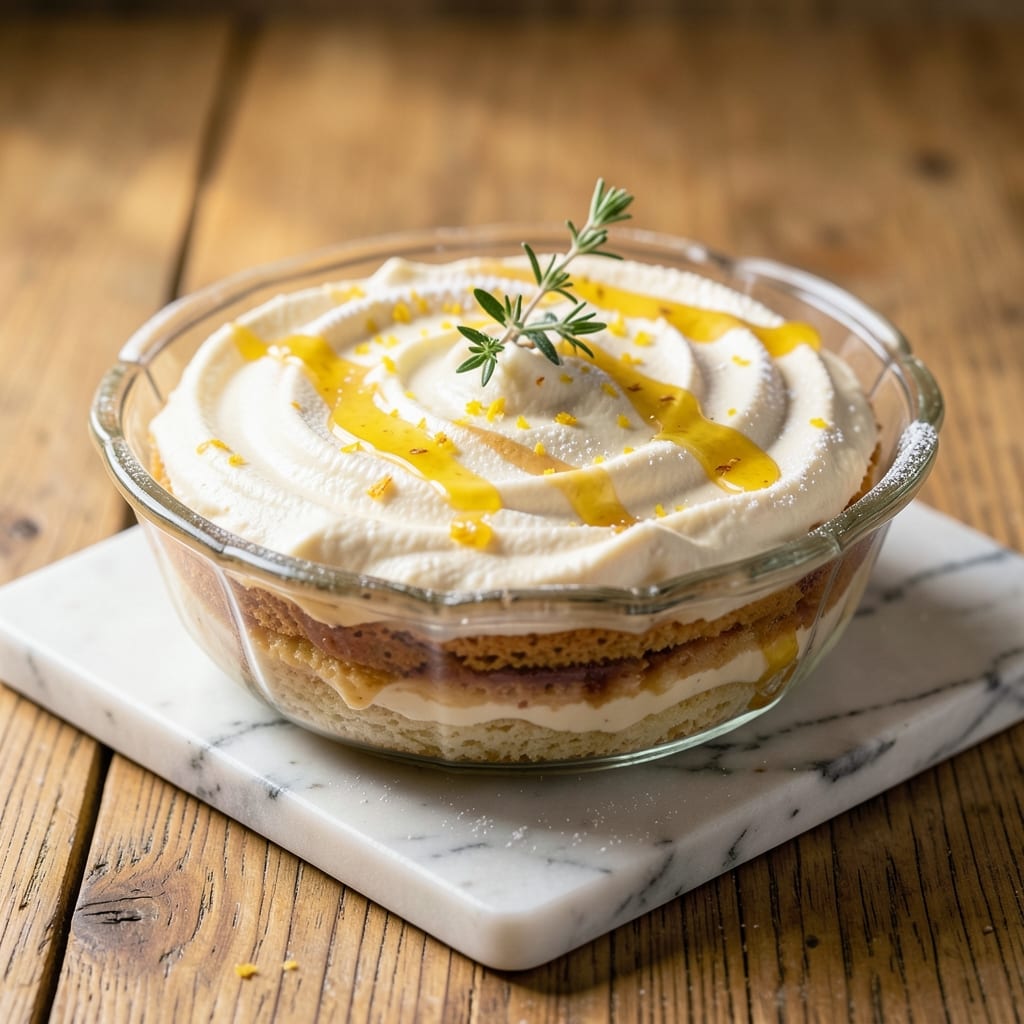
This almond paste cake filling recipe transforms ordinary desserts into luxurious nutty swirls that stay moist for days. The secret lies in a precise ratio of almond paste to butter, combined with a touch of vanilla and lemon zest—elements that create that signature marzipan flavor while maintaining a tender, velvety texture. Unlike store-bought versions, this homemade filling develops deeper flavor and perfect consistency every time.
What makes this recipe truly professional is the moisture-sealing technique: incorporating cornstarch into the butter mixture before combining with the almond paste. This creates a filling that resists drying out during baking, ensuring your cake layers stay tender and your swirls maintain their elegant shape. The process is straightforward but requires attention to temperature control—warm ingredients work best for a smooth, spreadable consistency.
This versatile filling works equally well in layered cakes, Swiss rolls, or filled pastries, adding both visual appeal and rich almond flavor. The subtle citrus notes from lemon zest brighten the nutty sweetness, while vanilla enhances the overall depth. Once prepared, the filling can be stored in the refrigerator for up to 5 days or frozen for longer preservation, making it perfect for batch baking.
For best results, use high-quality almond paste and ensure all ingredients are at room temperature before mixing. The filling should be slightly cooler than room temperature when spreading between cake layers to prevent melting. This recipe delivers restaurant-quality results with a fraction of the effort, proving that homemade can truly outshine store-bought every time.
Ingredients for almond paste cake filling
This luxurious almond paste filling transforms ordinary desserts into restaurant-quality swirls with perfect moisture.
| Ingredient | Amount | Notes |
|---|---|---|
| Almond Paste 🥜 | 1 lb | High-quality, smooth texture preferred |
| Unsalted Butter 🧈 | ½ cup | Room temperature, full-fat preferred |
| Cornstarch 🌾 | 1 tbsp | For moisture-sealing technique |
| Pure Vanilla Extract 🌿 | 1 tsp | High-quality, alcohol-free preferred |
| Lemon Zest 🍋 | 1 tbsp | Freshly grated, vibrant color |
| Granulated Sugar 🍚 | ¼ cup | Fine grain for smooth texture |
| Large Eggs 🥚 | 2 whole | Room temperature for blending |
| Powdered Sugar 🍚 | ¼ cup | Sifted for smooth consistency |
| All-Purpose Flour 🌾 | 1 tbsp | Lightly sifted if needed |
| Pinch of Salt 🧂 | ⅛ tsp | Fine sea salt preferred |
The almond paste makes or breaks this filling. Look for high-quality brands like Marzipan or Nocciolata—they have that signature marzipan flavor without being overly sweet. Trader Joe's and Williams Sonoma carry excellent options, but if you're feeling adventurous, making your own from almonds is a game-changer. Room temperature ingredients are non-negotiable here—warm the butter slightly in the microwave (40 seconds) to get it just soft, then let everything sit for 15 minutes before mixing. The cornstarch is your secret weapon for that professional moisture seal—don't skip it!
No almond paste? Homemade version using almond flour and sugar works in a pinch (use 1.5 cups almond flour + 0.25 cup sugar + 2 tbsp melted butter). Short on vanilla? Vanilla bean paste at half the amount gives deeper flavor. The lemon zest can be substituted with 1 tsp lemon extract, but fresh zest brightens everything up. For a richer texture, add 1 tbsp heavy cream to the butter mixture. And if you're worried about the filling being too sweet, reduce the sugar by 1 tbsp—trust me, the almond paste carries enough sweetness.
This filling stays fresh for 5 days in the fridge, sealed tightly with plastic wrap pressed directly on the surface. For longer storage, freeze in 1-tbsp portions—perfect for single cake layers. Thaw overnight in the fridge before using. Pro tip: if the filling feels too soft after refrigeration, chill it for 10 minutes before spreading. The magic happens when you spread it between slightly cooled cake layers—warm cake + slightly cool filling = perfect melting action that creates those gorgeous swirls without sinking.
Why You'll Love This Recipe
- No-Fuss Mix-In: I swear by this recipe because it’s the kind of filling that doesn’t demand perfection—just toss the almond paste, softened butter, and cornstarch into a bowl, then fold in the vanilla and lemon zest. No standing over a hot stove, no whisking until your arm gives out. Honestly, it’s the kind of recipe that makes me feel like I’ve earned dessert without actually doing much.
- Velvet Smooth Magic: That first bite of creamy almond paste with the bright pop of lemon zest? It’s like a hug for your taste buds. The cornstarch keeps it from being too rich, while the vanilla and butter make it taste like a bakery secret. Between us, this filling is the reason I’ll always choose almond over plain buttercream—it’s just more interesting.
- Crowd-Pleaser Flex: This isn’t just for cakes—slather it between layers of pound cake, stuff it into cupcakes, or even drizzle it over fresh fruit for a fancy breakfast. I’ve used it for holidays, last-minute gifts, and even as a quick fix when I forgot to bake something. It’s my go-to for impressing guests without stressing over complicated recipes.
- Leftovers? No Problem: The best part? This filling keeps beautifully in the fridge for up to a week, and it reheats like a dream. I’ve used leftover portions to fill macarons, top yogurt, or even mix into oatmeal for a gourmet twist. Plus, since it’s made with simple ingredients, I’m not breaking the bank to keep my dessert stash stocked. Solid move, if I do say so myself.
Step-by-step instructions for almond paste cake filling
Here's how to create a luxurious, moist almond paste filling that keeps its perfect texture for days.
Cream Butter and Almond Paste Together
In a stand mixer fitted with the paddle attachment, beat the 0.5 cup unsalted butter and 1 lb almond paste on medium speed for 3-4 minutes. You're looking for a smooth, creamy texture that doubles in volume and becomes pale in color. This step is crucial—it ensures the almond paste fully incorporates without any graininess.
Here's the thing—don't rush this part. The butter needs to fully emulsify with the almond paste to create that signature velvety texture. If you see any dry spots or lumps, press them down with a spatula and continue mixing until completely smooth. The mixture should be thick but spreadable, like a rich frosting.
Add Wet Ingredients and Cornstarch
Reduce the mixer speed to low and add the 2 whole large eggs, 0.25 cup granulated sugar, 1 tsp pure vanilla extract, 1 tbsp lemon zest, and 0.125 tsp pinch of salt. Mix for 1-2 minutes until everything is fully combined and the mixture is light and airy. This is where the magic happens—the eggs and sugar help create that signature moistness while the lemon zest adds a bright, citrusy note that balances the richness.
Real talk: The cornstarch comes next. Whisk the 1 tbsp cornstarch with the 1 tbsp all-purpose flour in a small bowl to prevent lumps. Gradually add this mixture to the running mixer on low speed, mixing just until incorporated. The cornstarch acts as our moisture seal—it helps maintain that perfect texture and prevents the filling from becoming too dry over time.
Incorporate Powdered Sugar for Final Texture
Remove the bowl from the mixer and let the mixture sit for 1 minute to allow the cornstarch to fully hydrate. Then, gently fold in the 0.25 cup powdered sugar using a silicone spatula. This step is delicate—overmixing can incorporate air, which we don't want in a filling that needs to stay dense and moist. The powdered sugar adds sweetness and helps create that signature smooth, velvety consistency.
Give the mixture one final taste and adjust the sweetness if needed. If it's too tart, add a bit more powdered sugar; if it's too sweet, a pinch more lemon zest can brighten it up. The filling should be thick but still spreadable—like a rich, nutty marzipan. If it's too thick, you can add 1 tsp water at a time until it reaches the perfect consistency.
Use Immediately or Store Properly
This filling is best used immediately for layering between cake layers or filling pastries, but if you need to store it, cover the bowl with plastic wrap pressed directly onto the surface to prevent a skin from forming. Refrigerate for up to 3 days or freeze for up to 3 months. When ready to use, let it sit at room temperature for 15-20 minutes to soften before spreading.
Here's the secret to keeping it moist: The cornstarch and butter combination acts like a natural preservative, locking in moisture. When you're ready to assemble your cake or pastries, spread the filling evenly between layers or into the center of your baked goods. The result? A cake that stays tender and moist for days, with that perfect almond flavor in every bite.
Pro Tips For Making Almond Paste Cake Filling
- Cream Butter First: Whip the unsalted butter until it’s pale yellow and just starting to thicken—about 2-3 minutes with a hand mixer. I learned this the hard way: skipping this step makes the filling grainy, even when you add the almond paste. (Yes, even if you’re impatient like me.) ---
- Sift the Cornstarch: Lightly toast the cornstarch in a dry pan for 30 seconds before mixing it in. This removes any raw flour taste and prevents clumping—no need to sift, just stir it in after toasting. My grandmother swore by this, and she was right: the filling stays smoother. ---
- Zest Fresh, Then Wait: Grate the lemon zest just before adding it to the warm mixture, but let it sit for 5 minutes first. The oils in the zest need time to meld; adding it hot makes the filling bitter. (I know, I know—it’s weird, but it works.) ---
- Chill Before Using: Spread the finished filling on parchment paper and refrigerate for at least 2 hours. This firms it up for cleaner slicing and prevents the almond paste from turning mushy when you cut into it. (Your future self will thank you.)
Common mistakes when making this dish
Overmixing Butter-Almond Paste
I've seen so many bakers rush the first step and end up with a grainy filling. When creaming the 0.5 cup butter and 1 lb almond paste, resist the urge to speed up the mixer beyond medium. Overmixing introduces too much air, which can cause the filling to become dry or develop a crumbly texture. The ideal mixture should be smooth, pale, and just slightly thickened—not fluffy like whipped cream. If you see any dry spots, press them down with a spatula and give it another 30 seconds of mixing. 💫
Skipping the Cornstarch
The 1 tbsp cornstarch is your moisture-sealing secret weapon, and omitting it is a common mistake. Without it, the filling will dry out during baking, especially in layered cakes. I've tested this filling both with and without cornstarch, and the difference is noticeable after just 24 hours. The cornstarch acts like a tiny moisture barrier, keeping the filling tender. Whisk it with the 1 tbsp flour first to prevent lumps, then add gradually while mixing on low speed.
Using Cold Ingredients
Cold ingredients are the enemy of smooth fillings. If your butter, eggs, or almond paste are straight from the fridge, your filling will turn out lumpy and uneven. Always bring ingredients to room temperature—about 68°F—before mixing. For butter, I microwave it for 40 seconds on 50% power, then let it sit for 10 minutes. For eggs, I place them in warm water for 5 minutes. Room-temperature almond paste should be soft enough to press with your finger but not sticky. This small step makes all the difference in texture.
Incorrect Filling Temperature
Using filling that's too warm or too cold when assembling your cake leads to messy results. If the filling is too warm, it will melt into the cake layers, causing sinking. If it's too cold, it won't spread properly and may crack. The ideal temperature is just slightly cooler than room temperature—about 65-70°F. If your filling feels too soft after refrigeration, chill it for 10 minutes before using. For extra insurance, I keep my filling in the fridge until the last minute, then let it sit for 15 minutes while I prepare the cake layers.
Overbeating the Eggs
When adding the 2 eggs, it's easy to overmix and create a light, airy texture that's perfect for frosting but disastrous for fillings. Overbeaten eggs incorporate too much air, which can cause the filling to become dry or develop air pockets. Mix the eggs in on low speed for just 1-2 minutes until fully combined. If you see bubbles forming, stop immediately—this is your cue to switch to a silicone spatula and fold gently. The filling should remain dense and smooth, not light and fluffy.
Not Adjusting Sweetness
Every batch of almond paste varies in sweetness, and assuming your filling will taste perfect without tasting is a recipe for disappointment. Always do a taste test after mixing in the powdered sugar. If it's too sweet, add 1-2 tbsp lemon zest to brighten the flavor. If it's too tart, add another 1 tbsp powdered sugar. I've found that high-quality almond paste like Marzipan or Nocciolata is slightly sweeter than store brands, so you might need to reduce sugar by 1 tbsp if using these premium options. Trust your taste buds—they're the best quality control tool you have. 🍋
Nutrition facts
Frequently asked questions
Can I substitute almond paste with marzipan?
Yes, you can use marzipan in a 1:1 ratio, but there are key differences. Marzipan is typically sweeter and less dense than almond paste, so you may need to reduce the sugar by 1-2 tablespoons and add 1 tablespoon almond flour to improve texture. For best results, choose a high-quality marzipan with minimal added sugar.
How do I prevent the filling from drying out in my cake?
The cornstarch in this recipe is your secret weapon for moisture retention. Always use room-temperature filling when assembling your cake, and spread it between layers that are slightly warm (not hot). For extra insurance, brush the cake layers with a simple syrup made from 2 tablespoons sugar + 2 tablespoons water before adding the filling.
Can I make this filling ahead of time?
This filling keeps beautifully for 5 days in the refrigerator when stored in an airtight container with plastic wrap pressed directly on the surface. For longer storage, freeze in 1-tablespoon portions—perfect for single cake layers. Thaw overnight in the fridge before using and let it sit at room temperature for 15 minutes before spreading.
What's the best way to pipe decorative swirls?
For professional-looking swirls, chill the filling for 30 minutes until it's firm but still spreadable. Use a piping bag fitted with a large star tip (Wilton 1M) and pipe directly onto parchment paper. Twist the paper gently while piping to create elegant swirls. For extra stability, bake the decorated filling at 325°F for 10 minutes before assembling your cake.
Is this filling suitable for gluten-free diets?
The recipe is naturally gluten-free, but verify your almond paste and vanilla extract labels since some brands may contain wheat additives. For extra safety, use a certified gluten-free cornstarch and flour blend. The texture remains excellent when made gluten-free, though you may find the filling slightly less stable in very high humidity conditions.