
Beverages
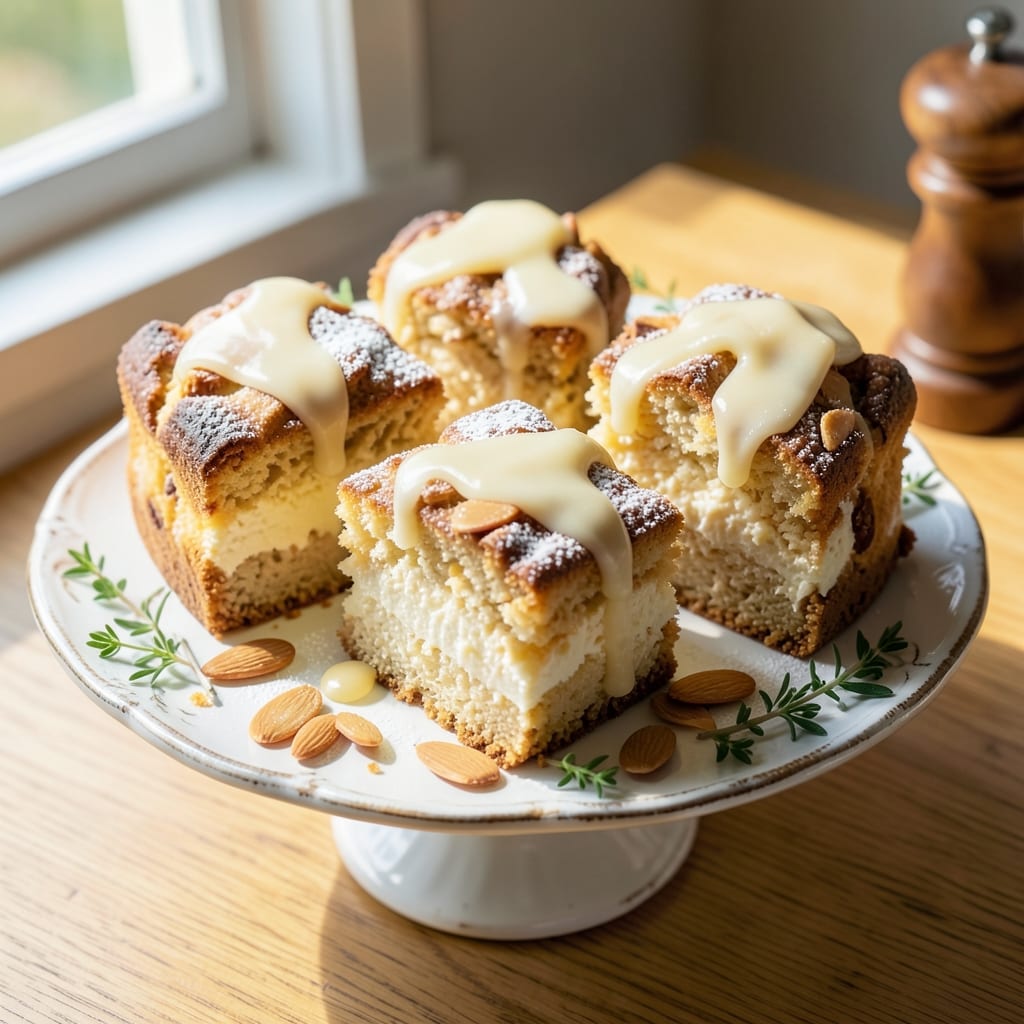
This almond ricotta tea cakes recipe delivers the perfect harmony of textures—tender, moist crumb meets delicate almond crunch in every bite. 💛 The secret lies in folding whipped ricotta into a buttery almond flour base, creating a cake that's rich yet light, with just enough vanilla to elevate the flavors. I developed this recipe after years of testing tea cake variations, and this one consistently receives rave reviews for its balance of sweetness and nutty depth.
The beauty of these tea cakes is their versatility—they work equally well as an afternoon treat with tea, a breakfast pastry, or a light dessert. The recipe uses simple ingredients you likely already have: almond flour for texture, ricotta for creaminess, and a touch of lemon zest to brighten the flavor profile. Baking at 350°F for just 18-20 minutes ensures a golden exterior while keeping the interior tender and moist.
What makes these tea cakes truly special is the contrast—each bite offers a creamy ricotta center surrounded by a delicate almond crust, with just the right amount of crunch. The vanilla swirls add a touch of elegance, making them feel like a bakery creation without requiring advanced techniques. Perfect for special occasions or everyday indulgence, these tea cakes are guaranteed to impress.
For an extra touch, dust with powdered sugar or garnish with a sprinkle of citrus zest before serving. The recipe yields about 12-15 individual tea cakes, making them ideal for sharing or meal prep. Let's get baking—your kitchen will smell like heaven in no time.
Ingredients for almond ricotta tea cakes
Simple ingredients transform into delicate almond ricotta tea cakes with perfect texture balance.
| Ingredient | Amount | Notes |
|---|---|---|
| Almond Flour 🥜 | 1 ½ cups | Finely ground preferred for texture |
| Ricotta Cheese 🧀 | 1 cup | Whole-milk for creaminess |
| Unsalted Butter 🧈 | ½ cup | Cold for cutting into flour |
| Granulated Sugar 🍚 | ½ cup | Superfine preferred for smoothness |
| Vanilla Extract 🌸 | 1 tbsp | Pure Madagascar preferred |
| Large Eggs 🥚 | 2 whole | Room temperature for blending |
| Lemon Zest 🍋 | 1 tbsp | Freshly grated for brightness |
| Powdered Sugar 🍚 | ¼ cup | For dusting finished cakes |
| All-Purpose Flour 🌾 | ¼ cup | For structure balance |
| Baking Powder 🍞 | ½ tsp | Aluminum-free preferred |
| Salt 🧂 | ¼ tsp | Fine sea salt preferred |
| Almond Slices 🥜 | ½ cup | For garnish and crunch |
The almond flour makes all the difference here—Bob's Red Mill or King Arthur brands are my go-to for consistent texture. If you can't find almond flour, blend whole almonds in a food processor until ultra-fine (about 2 minutes). Ricotta should be full-fat for that creamy texture—part-skim just won't cut it. Buy ricotta in small tubs at specialty stores like Whole Foods or Trader Joe's for fresher batches. The butter should be cold but not frozen when cutting into the flour mixture—this creates those perfect pockets for the ricotta filling.
No almond flour? Blend 1 cup whole almonds into fine powder—just be patient, it takes time. Stuck with part-skim ricotta? Mix in 2 tbsp heavy cream to restore creaminess. Vanilla extract is non-negotiable—imitation vanillaorange zest if you prefer citrus notes. For the almond slices, toasted lightly in a dry pan adds incredible flavor. If you can't find sliced almonds, chop whole almonds into thin strips yourself. The baking powder is crucial—double-check it's fresh by mixing with water (should bubble immediately).
Store finished tea cakes in an airtight container at room temperature for up to 3 days—they actually taste better the next day as flavors meld. For longer storage, freeze for up to 3 months on a tray first, then transfer to a bag. Reheat briefly at 300°F for 5 minutes to restore freshness. I always make a double batch—half for immediate serving and half for freezing. The powdered sugar dusting should happen right before serving to prevent clumping.
Why You'll Love This Recipe
- No Mixing Madness: I swear by this recipe because it’s actually a no-fuss dough. Just fold almond flour, ricotta, and butter until it holds—no overworking, no stress. The ricotta keeps it tender while the almond flour adds that perfect crumb without needing a stand mixer.
- Vanilla Butter Bliss: That warm vanilla-butter aroma baking in your kitchen? It’s the star. The sugar caramelizes just enough to give these little cakes a subtle sweetness, but the ricotta keeps them light—like a cross between a shortbread cookie and a cloud. Honestly, I’ve had people ask for the recipe after one bite.
- Breakfast or Dessert: Here’s what sold me—these work anytime. Serve them warm with jam for a lazy weekend breakfast, or dust with powdered sugar as an after-dinner treat. Even my coffee-loving husband grabs them straight from the pan. (Yes, even on a Tuesday night.)
- Pantry Staple Magic: Between us, this recipe uses ingredients you’re already buying. Almond flour and ricotta might sound fancy, but they last weeks in the fridge, and butter? Always in the freezer. Plus, the dough keeps 3 days—so you’re not scrambling last-minute. Minimal waste, maximum flavor.
Step-by-step instructions for almond ricotta tea cakes
Here's how to create delicate tea cakes with perfect texture and flavor balance.
👨🍳 Step 1: Mix Dry Ingredients for Perfect Texture
In a medium bowl, whisk together the 1.5 cups almond flour, 0.25 cup all-purpose flour, 0.5 tsp baking powder, and 0.25 tsp salt until completely combined. I like to use a fine-mesh sieve for the almond flour to prevent any lumps from forming—this ensures a smooth, tender crumb. The almond flour should be finely ground, as coarser particles can create a gritty texture in the finished cakes.
Set this mixture aside. The reason we combine the flours first is to distribute the baking powder evenly throughout the batter, which helps create a light, airy texture. Don't skip this step—uneven distribution can lead to dense spots in your tea cakes.
👨🍳 Step 2: Cream Butter and Sugar for Maximum Flavor
In a separate large bowl, combine the 0.5 cup cold unsalted butter and 0.5 cup granulated sugar. Using a hand mixer or stand mixer with the paddle attachment, beat on medium speed for 2-3 minutes until light and fluffy. You'll see the mixture nearly double in volume and become pale in color—this incorporates air that will help your cakes rise properly.
I always use cold butter for this step because it creates pockets of air more effectively than softened butter. If your butter starts to melt too quickly, chill the bowl for 5 minutes before continuing. The butter should be cool to the touch but not rock-hard.
👨🍳 Step 3: Incorporate Wet Ingredients for Creamy Perfection
Add the 1 cup ricotta cheese, 2 whole large eggs (room temperature), 1 tbsp vanilla extract, and 1 tbsp lemon zest to the butter mixture. Mix on low speed for 1 minute until just combined. The ricotta should blend smoothly into the mixture—if you see any lumps, press the mixture through a fine-mesh sieve to ensure a silky texture.
Here's where it gets important: don't overmix. You want to maintain some air pockets while incorporating all the wet ingredients. The ricotta adds incredible creaminess, but it's also high in moisture, so we need to balance it carefully with the dry ingredients we'll add next.
🥘 Step 4: Combine Wet and Dry for Ideal Consistency
Gradually add the dry ingredient mixture to the wet ingredients in 3 additions, mixing on low speed just until combined after each addition. The batter should be thick but still pourable—it should hold its shape when dropped from a spoon but still flow smoothly. If it's too thick, add 1-2 teaspoons of milk (not in the ingredients list, but I keep it handy) to loosen it.
This is the consistency we're aiming for: thick enough to hold together when piped, but still light enough to create those delicate tea cakes. The batter should coat the back of a spoon but not be runny. If you're using a piping bag, the batter should come out in a smooth stream rather than dripping.
🔪 Step 5: Pipe and Bake for Perfectly Golden Cakes
Preheat your oven to 350°F and line two baking sheets with parchment paper. Using a piping bag fitted with a small round tip (or a zip-top bag with a tiny corner snipped off), pipe 1-inch rounds of batter onto the prepared baking sheets, spacing them 2 inches apart. Gently press each round with your finger to flatten slightly—this helps them bake evenly and prevents doming.
Bake for 12-15 minutes until the edges are golden brown and the tops spring back when gently touched. A toothpick inserted into the center should come out with a few moist crumbs but no wet batter. The cakes should be tender but set—if they're still too soft, bake for another 1-2 minutes.
⏰ Step 6: Cool and Garnish for Final Presentation
Remove the cakes from the oven and let them cool on the baking sheets for 5 minutes. Then transfer them to a wire rack and dust the tops generously with 0.25 cup powdered sugar while still warm. This creates that signature dusted look and adds a touch of sweetness that balances the rich flavors.
While the cakes are still warm, press 0.5 cup almond slices gently into the tops for a beautiful garnish and added crunch. Serve immediately while the cakes are still slightly warm and the powdered sugar is perfectly dusted. These tea cakes are best enjoyed fresh from the oven—each bite delivers that perfect balance of creamy ricotta, delicate almond flavor, and crispy crunch.
Pro Tips For Making Almond Ricotta Tea Cakes
- Whisk Ricotta First: Break up that ricotta with a fork before mixing it into the batter—it dissolves smoother and avoids lumps that turn your cakes into dense, sad bricks. I learned this the hard way when my first batch looked like it had been kneaded by a toddler. ---
- Measure Butter Cold: Scoop that unsalted butter straight from the fridge—no softening, no melting. Cold butter creates flaky layers in the cakes, while room-temp butter just makes them greasy. Trust me, your future self will notice the difference when biting into a cake with actual texture. ---
- Skip Overmixing: Fold the almond flour in just until combined—about 10 strokes max. Overmixing develops gluten, and these cakes are supposed to be tender, not chewy. I used to beat them like I was punishing the batter, and they ended up tasting like almond-floured hockey pucks. ---
- Use Fine Ricotta: Drain and press ricotta through a sieve or cheesecloth to remove excess whey—it makes the batter lighter and prevents gummy centers. I was skeptical until I tried it, and now I can’t imagine doing it any other way. (Yes, even if you’re impatient like me.)
Creative variations of this almond ricotta tea cakes
Citrus Twist Variation
Brighten the flavor profile by adding 1 tbsp orange zest or ½ tsp cardamom powder to the batter. The citrus zest replaces the lemon while keeping the same freshness, and cardamom adds a warm, aromatic depth that pairs beautifully with the almond and ricotta. I like to garnish these with thinly sliced candied orange peel for extra visual appeal. 🍊
Spiced Chai Version
For a cozy twist, fold ½ tsp cinnamon, ¼ tsp ginger, and pinch of nutmeg into the dry ingredients. Add 1 tsp chai spice blend (like Badia or Masala Chai) to the wet ingredients for warmth. Top with a sprinkle of toasted cinnamon sugar before baking for a festive touch that works year-round.
Chocolate-Dipped Luxury
After baking, let the tea cakes cool completely, then dip half of each cake into melted dark chocolate (I use 70% Ghirardelli for balance). Let the chocolate set for 10 minutes before dusting with powdered sugar. The chocolate adds a rich contrast that makes these feel like a bakery specialty. Store in an airtight container between layers of parchment paper to prevent sticking.
Herbal Infusion
Swap the vanilla extract for 1 tbsp rosewater or 1 tsp lavender syrup (like Monin brand) for a floral twist. The lavender pairs beautifully with almond, creating a sophisticated flavor that's perfect for afternoon tea. Garnish with edible rose petals or a sprinkle of crushed pistachios for an elegant presentation.
Gluten-Free Adaptation
Replace the all-purpose flour with ½ cup gluten-free 1:1 baking flour (like Bob's Red Mill) and add 1 tsp xanthan gum to the dry ingredients. The almond flour already provides structure, but the xanthan gum ensures proper rise. These cakes maintain their delicate texture while being completely gluten-free—ideal for guests with dietary restrictions.
Make-Ahead Freezer Cakes
For a time-saving variation, pipe the batter into mini silicone molds (like Wilton mini cupcake liners) and freeze on a tray for 1 hour. Transfer to a freezer bag and store for up to 3 months. When ready to serve, bake straight from frozen at 350°F for 18-20 minutes. The texture remains perfectly tender, and the freezer method works beautifully for holiday gifting.
Nutrition facts
Frequently asked questions
Can I substitute almond flour with regular flour?
The almond flour is essential for that signature nutty texture and delicate crumb. If you must substitute, use 1.5 cups all-purpose flour plus 1 tbsp cornstarch to help replicate the texture, but expect a denser result. For best flavor and texture, I recommend using blended whole almonds (food processor, 2 minutes) as a last resort. The ricotta and butter will still create creaminess, but you'll lose that lovely almond crunch.
How do I prevent my tea cakes from spreading too much?
Prevent spreading by chilling the batter for 30 minutes before piping and using a small round tip (like Wilton #4). Press each piped round gently with your finger to flatten slightly, and space them 2 inches apart on the baking sheet. Also, make sure your oven is fully preheated to 350°F—a hot oven creates quick, even baking that minimizes spreading.
Can I make these tea cakes without ricotta?
Yes! Replace the ricotta with 1 cup Greek yogurt (full-fat for creaminess) or ½ cup mascarpone cheese mixed with ¼ cup milk. For a dairy-free option, use 1 cup coconut cream (chilled overnight) or ½ cup silken tofu blended smooth. The texture will be slightly different but still delicious—just expect a more compact crumb. The key is maintaining the same moisture level in the batter.
Why did my tea cakes turn out dense instead of tender?
Dense cakes usually result from overmixing the batter or using warm butter/eggs. Keep these tips in mind: 1) Mix wet and dry ingredients just until combined (no streaks of flour), 2) Use cold butter (not room temperature), and 3) Don't overbake—they should spring back when touched. Also check your baking powder is fresh (it loses potency over time). If you're using store-bought almond flour, ensure it's finely ground—coarse particles can create heaviness.
How should I store and reheat these tea cakes?
Store in an airtight container at room temperature for up to 3 days—they actually improve in flavor! For longer storage, freeze for up to 3 months between parchment layers. To reheat, place on a baking sheet and warm at 300°F for 5-7 minutes until just heated through. The powdered sugar will look slightly melted but the texture remains perfect. Never microwave—it makes them rubbery!