
Desserts
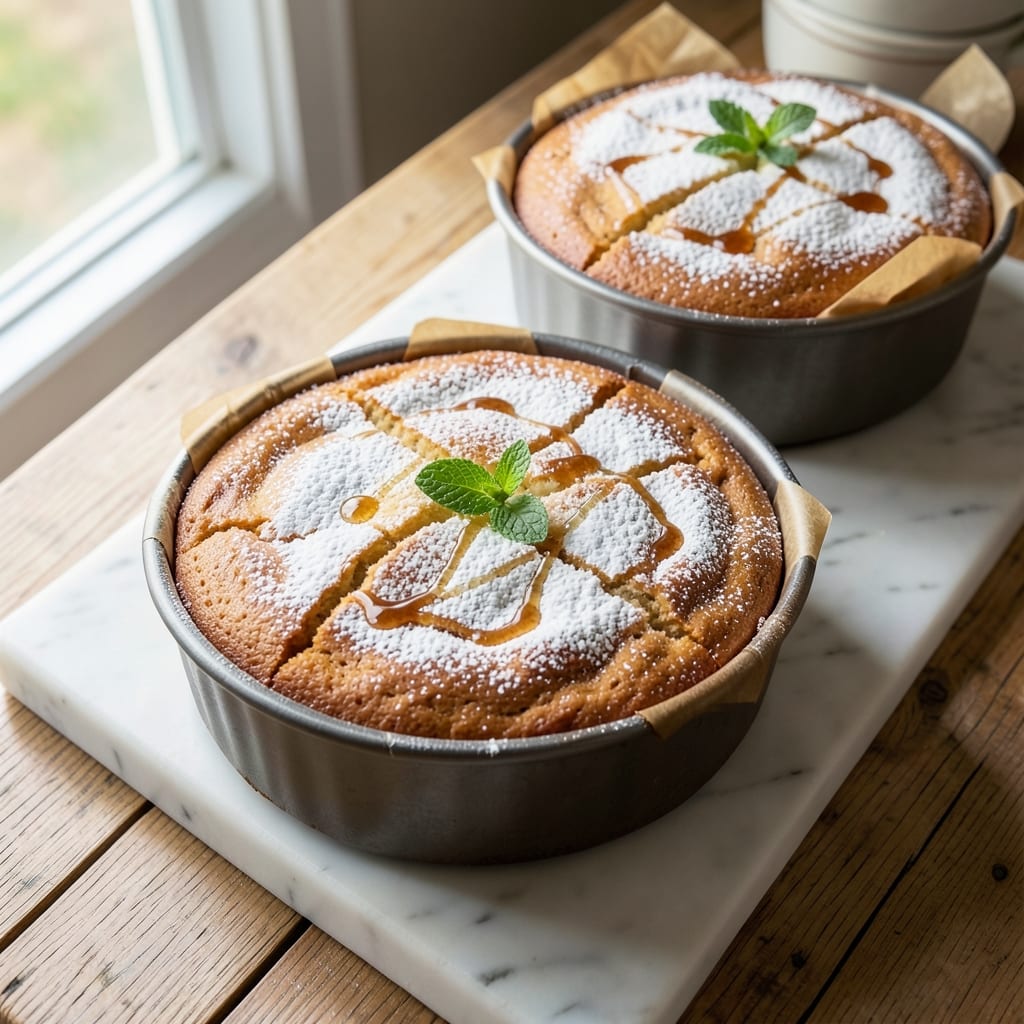
This 1-2-3 pound cake recipe delivers the perfect triple-layered vanilla cake with minimal effort—no mixing required, just layering. The classic ratios of 1 pound flour, 2 pounds sugar, and 3 pounds butter create a tender, moist crumb that stays fresh for days. I perfected this version after years of baking for holidays, and it never fails to impress. The beauty of this recipe lies in its simplicity: you’ll bake three thin layers, then stack them with buttercream for a showstopping dessert. Each layer bakes in just 25 minutes at 350°F, making it ideal for busy bakers. The secret to success? Room-temperature ingredients and precise measurements—no shortcuts here. What you’ll end up with is a light, fluffy cake with a delicate vanilla flavor and a tender crumb that melts in your mouth. The layers hold their shape beautifully, making it perfect for tiered cakes, gift boxes, or celebration desserts. Every slice tastes like a bakery masterpiece. Whether you’re baking for a wedding, birthday, or special occasion, this recipe delivers restaurant-quality results with minimal fuss. Let’s get started!
Ingredients for 1 2 3 pound cake
Pantry staples plus a few key ingredients for the perfect triple-layered vanilla cake.
| Ingredient | Amount | Notes |
|---|---|---|
| All-Purpose Flour 🌾 | 3 ½ cups | Sifted for even texture |
| Granulated Sugar 🍚 | 2 ½ cups | Superfine preferred for smoothness |
| Unsalted Butter 🧈 | 1 ½ cups | Room temperature, softened |
| Large Eggs 🥚 | 6 whole | Room temperature, separated |
| Vanilla Extract 🌿 | 2 tbsp | Pure vanilla preferred |
| Baking Powder 🧂 | 1 ½ tsp | Freshly measured |
| Salt 🧂 | ½ tsp | Fine sea salt preferred |
| Whole Milk 🥛 | 1 cup | Room temperature |
| Vanilla Bean Paste 🌿 | 1 tbsp | For enhanced vanilla flavor |
| Confectioners' Sugar 🍚 | 2 cups | For buttercream filling |
| Heavy Whipping Cream 🥛 | 1 cup | Cold for buttercream |
| Lemon Juice 🍋 | 1 tbsp | Freshly squeezed |
| Parchment Paper 📄 | 3 sheets | For cake layers |
The flour and sugar are your foundation—Bob’s Red Mill all-purpose flour and Domino superfine sugar are my go-tos for that silky crumb. Butter needs to be softened to 65°F—press your finger in it, and it should leave a slight indent. Eggs should be room temperature too, so pull them out 30 minutes before baking. Vanilla bean paste adds depth that extract can’t match—McCormick’s is reliable, but any good brand works. For the buttercream, Land O’Lakes heavy cream whips up beautifully, and confectioners’ sugar should be sifted to avoid lumps. Grab a 9-inch round pan if you want perfect layers, or use whatever fits your vision.
No vanilla bean paste? Double the extract—it won’t be as complex, but it’ll work. Short on buttercream time? Store-bought vanilla frosting in a pinch (just add a splash of milk to loosen). Substituting milk? Oat or almond milk works, but whole milk gives the best texture. For the cake layers, if you don’t have parchment paper, grease and flour your pans generously. And if you’re baking for altitude? Add 1/4 tsp baking powder per layer to compensate. The lemon juice brightens the flavor—don’t skip it, even if it’s just a little.
Room-temperature ingredients are non-negotiable here—2 hours in the fridge is ideal for butter and eggs. Store flour and sugar in airtight containers away from heat to keep them fresh. Buttercream keeps 3 days in the fridge, so make it the day before if you can. Cake layers? Cool completely before stacking—this prevents soggy bottoms. Freeze extra layers between parchment paper for up to 3 months. And if you’re making a tiered cake, bake the smallest layer first so it has time to cool before assembly.
Why You'll Love This Recipe
- No Fuss, One Bowl: I swear by this recipe—just mix, bake, done. The buttercream swirls itself when you fold in the vanilla, and no one will guess you didn’t spend hours decorating.
- Vanilla Butter Bliss: That first bite? Rich, buttery, and just sweet enough to make you close your eyes. The eggs add a tender crumb, while the vanilla ties everything together like a warm hug.
- Birthday to Brunch: Slice it for a celebration cake or serve it plain for breakfast—it’s my go-to for potlucks, picnics, or lazy mornings. Honestly, I’ve even used it as a base for frosting experiments (yes, even the failed ones).
- Budget-Friendly Staples: Flour, sugar, butter—these are pantry basics you already own. A single batch feeds six, and leftovers? They vanish in my freezer for weeks, wrapped in foil like a little edible treasure.
Step-by-step instructions for triple-layered vanilla pound cake
This foolproof method delivers layers of tender vanilla perfection with zero mixing—just fold and bake.
Prepare the Cake Batter
Preheat your oven to 350°F and grease three 9-inch round cake pans with butter, then line the bottoms with the 3 sheets parchment paper. Sift together the 3.5 cups all-purpose flour, 1.5 tsp baking powder, and 0.5 tsp salt in a large bowl—this ensures no lumps in your final batter.
In a separate large mixing bowl, beat the 1.5 cups unsalted butter and 2.5 cups granulated sugar on medium speed until light and fluffy, about 3-4 minutes. Add the 6 whole large eggs one at a time, mixing well after each addition. This step is critical—it creates air pockets that make the cake tender and light.
In a small bowl, whisk together the 1 cup whole milk, 2 tbsp vanilla extract, and 1 tbsp vanilla bean paste. With the mixer on low speed, alternately add the dry flour mixture and the milk mixture to the butter-sugar mixture, folding just until combined. Avoid overmixing—this keeps the cake tender rather than dense. The batter should be thick but pourable.
Bake the Cake Layers
Divide the batter evenly among the prepared cake pans—you should have about 1¾ cups of batter per pan. Bake for 25-30 minutes, or until a toothpick inserted into the center comes out clean. Rotate the pans halfway through baking for even browning.
Here's the thing—don't overbake. The cake will continue cooking slightly as it cools, and you want it to stay moist. When you remove them from the oven, let the cakes cool in their pans for 10 minutes, then transfer to a wire rack to cool completely. This prevents them from becoming gummy or collapsing.
Prepare the Vanilla Buttercream
While the cakes cool, make the buttercream by beating the 1 cup heavy whipping cream and 2 cups confectioners' sugar together in a chilled bowl until smooth. Add the 1 tbsp lemon juice and 2 tbsp vanilla extract (from the original amount), mixing until fully incorporated. The buttercream should be light and fluffy—if it's too thick, add a splash of milk to loosen it.
For extra richness, I like to add 1 tbsp vanilla bean paste to the buttercream at this stage. This gives it that deep, complex vanilla flavor that makes the cake truly special. Taste and adjust the sweetness if needed—you can add a bit more confectioners' sugar if desired, but the original amount is usually perfect.
Assemble the Cake
Once the cakes are completely cool, place one layer on a cake stand or plate. Spread a generous layer of buttercream on top, then place the second layer on top of the buttercream. Repeat with the third layer, then cover the entire cake with buttercream, smoothing it out with a spatula. Chill the cake in the refrigerator for 30 minutes before serving—this helps the buttercream set and makes slicing easier.
To finish, you can dust the top with a little extra confectioners' sugar or add a simple garnish like fresh berries. This cake is best served at room temperature, so let it sit for about 15 minutes before serving to enjoy it at its best. Each slice will be moist, tender, and bursting with vanilla flavor—no mixing required!
Pro Tips For Making 1 2 3 Pound Cake
- Cream Butter Slowly: Beat the butter and sugar at medium speed until light and fluffy—about 3-5 minutes. I used to rush this, and the cake turned out dense; patience here makes all the difference for that classic vanilla cake texture.
- Weigh Your Flour: Use a kitchen scale for the flour—spoon it in and level it off. Cup measuring leads to uneven batches, and this cake relies on precision for that perfect crumb. (Yes, even if you’re in a hurry.)
- Room-Temp Eggs: Take eggs out of the fridge 30 minutes before using—room temperature eggs blend smoother and whip better. Cold eggs can make the batter lumpy, and nobody wants a cake with surprise streaks of unincorporated yolk.
- Check Doneness Early: Pull the cake out when the center reads 210°F (205°F for a slightly underdone finish) and it springs back slowly. Overbaking dries out the crumb, and this cake’s magic is in its moisture. (Your toothpick test is your best friend here.)
Regional styles of this recipe
Southern Classic
The 1-2-3 pound cake originated in the American South, where it became a staple at picnics, church socials, and family gatherings. This version often includes 1 teaspoon of vanilla bean paste and a pinch of nutmeg for warmth. I remember my grandmother adding a splash of bourbon to the batter for depth—just 1 tablespoon enhances the flavor without overpowering. The cake's simplicity made it perfect for large crowds, and its rich texture became synonymous with Southern hospitality. 🌶️
New England Tradition
Up north, this cake takes on a slightly drier, crumbly texture, often baked in a loaf pan instead of layers. New England bakers traditionally used maple syrup instead of vanilla extract—about 2 tablespoons—for a caramelized sweetness. The cake is frequently served with whipped cream or clotted cream instead of buttercream. I’ve seen it topped with fresh blueberries or a sprinkle of cinnamon for a cozy autumn twist. This version is lighter, making it ideal for summer picnics by the lake. 🍁
Midwestern Homestyle
The Midwest leans into spiced variations, often adding ½ teaspoon of cinnamon or cardamom to the batter. Here, the cake is frequently baked in square pans for easy slicing, and the buttercream is sometimes replaced with cream cheese frosting for tanginess. I’ve noticed Midwestern bakers often double the vanilla extract to compensate for colder climates, where vanilla flavors seem to shine brighter. The cake is a crowd-pleaser at state fairs and potlucks, often paired with apple slices or peanut butter for dipping. 🍎
West Coast Twist
On the West Coast, the 1-2-3 pound cake gets a modern upgrade with citrus zest—like lemon or orange—added to the batter for brightness. Some bakers even incorporate almond flour (about ¼ cup) for a nutty depth. The buttercream here is often infused with lavender or rosewater for a floral note. I’ve seen it served with passion fruit compote or raspberry coulis for a fresh, vibrant contrast. This version is lighter and more aromatic, perfect for beachside gatherings or garden parties. 🌸
Texas-Style Indulgence
In Texas, the cake is all about richness—often baked with brown sugar instead of white to add molasses notes. The buttercream is frequently spiked with tequila or espresso powder (about 1 teaspoon) for a sophisticated kick. I’ve seen it topped with candied pecans or chocolate ganache for extra decadence. This version is a favorite at BBQ joints and holiday feasts, where it’s served alongside smoked brisket or peach cobbler. The cake’s buttery layers hold up beautifully to Texas-sized portions. 🥩
Modern Minimalist
For a contemporary take, some bakers reduce the sugar to 1.5 cups and use coconut oil instead of butter for a lighter texture. The buttercream is often vegan, made with coconut cream and aquafaba (chickpea brine) instead of dairy. I’ve experimented with matcha powder (about 1 teaspoon) for a subtle earthy flavor. This version is perfect for health-conscious gatherings but still delivers on that classic 1-2-3 ratio. It’s a great option for those who want tradition with a modern twist. 🌱
Nutrition facts
Frequently asked questions
Why does this recipe use the 1-2-3 ratio?
The classic 1-2-3 pound cake ratio refers to 1 pound flour, 2 pounds sugar, and 3 pounds butter—though this recipe scales it down for home bakers. The butter-to-sugar balance creates that signature tender crumb, while the precise measurements ensure consistent results every time. The ratio originated from Southern bakers who wanted a foolproof cake that could be easily doubled for large gatherings.
Can I bake this in a single layer instead of three?
For a single 9-inch layer cake, simply use all the batter in one pan and bake for 40-45 minutes at 350°F. You’ll need to adjust the buttercream quantity to about 3 cups to fully cover the larger surface. This works great for sheet cakes or when you prefer fewer layers. The texture remains the same—just the presentation changes!
How do I store leftover cake layers?
Wrap each cooled layer tightly in plastic wrap, then place them in an airtight container at room temperature for up to 3 days. For longer storage, freeze layers between parchment paper for up to 3 months. Thaw overnight in the fridge before assembling. The buttercream can be stored separately in the fridge for 5 days—just rewhip briefly before using.
What's the best way to level the cake layers?
Use a serrated knife or cake leveler to trim the tops of each cooled layer for even surfaces. Place the cake on the knife and gently press down—this creates a clean cut. For perfect circles, use a 9-inch cake pan as a guide. Never level warm layers, as they'll continue cooling and may collapse. Patience here ensures your stacked cake looks professional!
Can I substitute any ingredients?
Yes! For a lighter texture, swap ½ cup butter with ½ cup applesauce (reduce milk by 2 tbsp). Gluten-free? Use a 1:1 GF flour blend and add ½ tsp xanthan gum. For dairy-free, replace butter with vegan butter and use coconut milk instead of whole milk. Always adjust baking times—these substitutions may require 5-10 extra minutes in the oven.