
Desserts
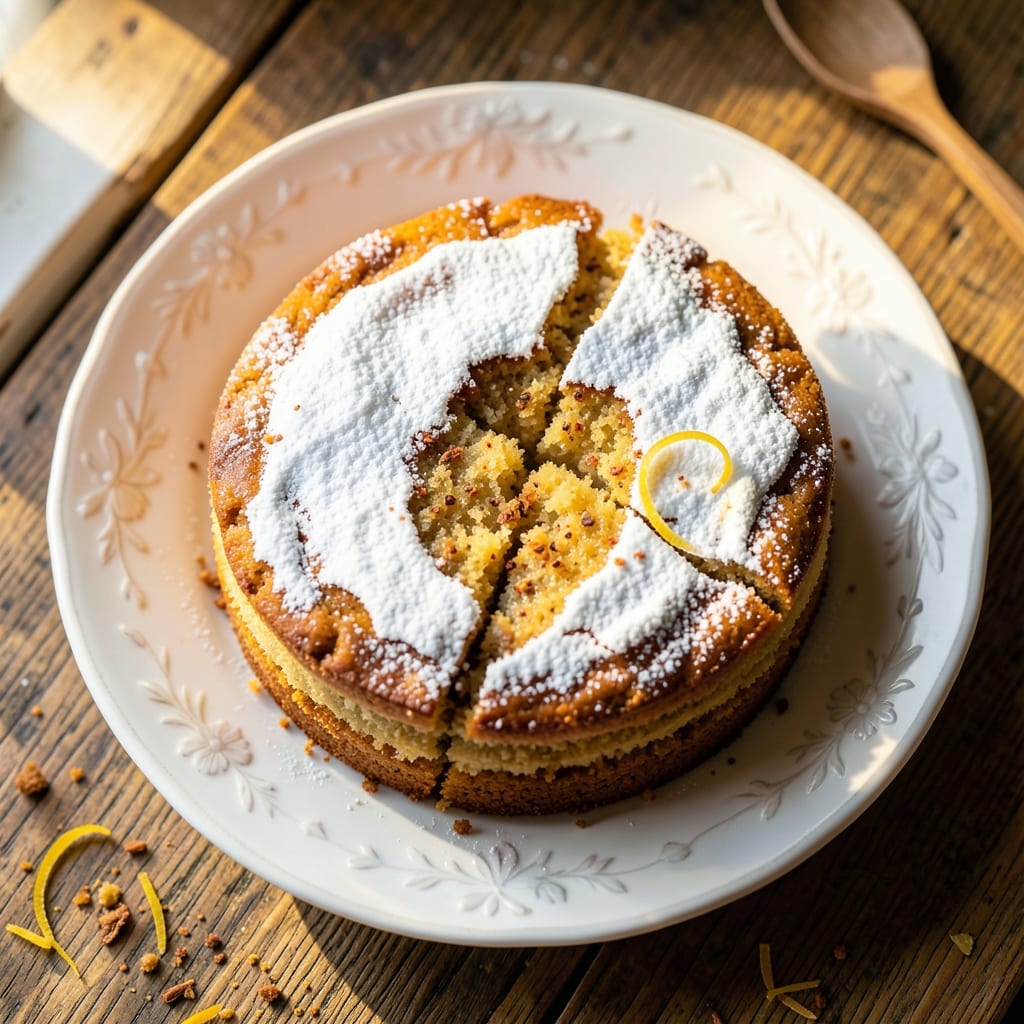
Step into a Victorian parlor with this authentic 1800s cake recipe—where vanilla, warm spices, and tender crumb transport you to an era of refined dessert craftsmanship. The original recipe relied on simple pantry staples like flour, butter, and eggs, elevated by nutmeg, cinnamon, and a touch of molasses or honey instead of refined sugar. Baked in cast iron or over open flames, this cake was a centerpiece of Sunday suppers and holiday celebrations.
The secret to its distinctive texture lies in the slow, gentle baking method—no rushing here. A light hand with leavening agents (like baking soda or a bit of yeast) creates a cake that’s moist yet delicate, with a subtle crumb that crumbles just enough to soak up tea. Spices like ground ginger and cloves add depth, while vanilla extract (a luxury in the 1800s) lends that unmistakable elegance. No electric mixers or precise measurements—just intuition and patience.
What emerges is a cake that’s rich without being heavy, its vanilla-spice aroma lingering long after the first bite. The Victorians adored such simplicity masked as sophistication, and today, it’s a nostalgic treat that feels both historically accurate and timelessly comforting. Perfect for heritage gatherings, dessert lovers curious about culinary history, or anyone craving a cake that tastes like a story.
Modern adaptations—like substituting honey for sugar or using a Dutch oven for even baking—keep the recipe accessible without sacrificing authenticity. Ready to bake like our great-grandmothers? Here’s how to bring this 19th-century classic to life in your kitchen.
Ingredients for 1800s cake
Simple pantry staples transformed into timeless Victorian elegance with warm spices and vanilla essence.
| Ingredient | Amount | Notes |
|---|---|---|
| All-Purpose Flour 🌾 | 2 ½ cups | Sifted for even texture |
| Unsalted Butter 🧈 | 1 cup | Cold, cubed for creaming |
| Granulated Sugar 🍚 | 1 ½ cups | Or substitute honey/molasses |
| Large Eggs 🥚 | 3 whole | Room temperature for blending |
| Pure Vanilla Extract 🍯 | 1 tbsp | High-quality, fresh bottle |
| Ground Cinnamon 🌿 | 1 ½ tsp | Freshly ground preferred |
| Ground Nutmeg 🌶️ | ½ tsp | Freshly grated for potency |
| Ground Ginger 🍃 | ½ tsp | Freshly ground preferred |
| Ground Cloves 🌶️ | ¼ tsp | Lightly toasted for aroma |
| Baking Soda 🧂 | 1 tsp | Pure, unexpired |
| Salt 🧂 | ½ tsp | Fine sea salt preferred |
| Whole Milk 🥛 | ½ cup | Room temperature |
| Molasses or Honey 🍯 | ¼ cup | Optional for depth |
The flour must be sifted—this cake relies on its delicate crumb, not dense structure. King Arthur or Gold Medal brands yield the best texture, though any all-purpose works. For the butter, Plugrá or Land O'Lakes unsalted are ideal—never margarine, as the Victorians would scoff. Sugar was a luxury in the 1800s, so molasses or honey (like Bragg's or local raw honey) adds authenticity while enhancing moisture. Eggs should be room temperature—cold yolks create dense cakes. Vanilla extract was a rare import; Nelson & Sons or McCormick pure extract captures the era’s sophistication.
No cinnamon? Ceylon cinnamon at half the amount delivers a subtler, more authentic flavor. Nutmeg and ginger lose potency quickly—grind whole spices fresh if possible. Cloves can be omitted entirely if their intensity feels overwhelming. Baking soda must be fresh—old leavening weakens structure. Salt balances sweetness; Diamond Crystal kosher salt dissolves evenly. Molasses (like Goya) adds depth, while honey (such as Madhava) lends floral notes. For a vegetarian adaptation, ensure vanilla extract is alcohol-based (no gelatin).
Store flour in an airtight container to prevent absorption of odors. Butter keeps 3 months in the fridge or 1 year frozen. Eggs last 3 weeks refrigerated. Spices stay potent for 6 months in a cool, dark place. Molasses and honey never spoil—seal tightly after opening. Baked cake stays fresh 3 days wrapped at room temperature or 1 month frozen. Slice before serving—this cake’s delicate crumb crumbles easily. Serve warm with Earl Grey tea for an authentic Victorian experience.
Why You'll Love This Recipe
- No Fuss Mixing: I swear by this method—just fold the dry ingredients into the butter-sugar-egg base until just combined. No overmixing, no lumps, and honestly? The cake’s tender crumb is worth the five minutes it takes. My mixer’s seen better days, but this recipe doesn’t care.
- Vanilla Butter Bliss: That slow-creamed butter and sugar combo? It’s like a hug for your taste buds. Add the vanilla, and suddenly you’re tasting cake the way grandma probably made it—rich, buttery, and with just enough warmth to make your kitchen smell like nostalgia. (Yes, even on a Tuesday night.)
- Crowd-Pleaser Classic: Birthday? Brunch? A last-minute "I forgot to plan" moment? This cake handles it all. Slice it warm with a dusting of powdered sugar, or let it cool for that perfect slice-and-share moment. My in-laws still ask for seconds, and they’ve seen everything.
- Pantry Staple Magic: You’re already using what’s in your cupboard—flour, butter, sugar, eggs, vanilla. No weird substitutes, no last-minute grocery runs. I’ve made this with store-bought butter (fine) and even a slightly old vanilla extract (still delicious). Budget-friendly? Absolutely. Reliable? Even more so.
Step-by-step instructions for Victorian spice cake
This classic 19th-century recipe delivers rich, aromatic layers that define Victorian baking.
Prepare the Dry Ingredients
In a medium bowl, sift together the 2.5 cups all-purpose flour, 1.5 teaspoons ground cinnamon, 0.5 teaspoon ground nutmeg, 0.5 teaspoon ground ginger, 0.25 teaspoon ground cloves, 1 teaspoon baking soda, and 0.5 teaspoon salt. Sifting prevents lumps and ensures even distribution of the warm spices throughout the cake. Set this mixture aside while you prepare the wet ingredients.
I always recommend sifting the spices separately from the flour to maximize their aromatic potential. The warm spices—especially the cloves and nutmeg—are the soul of this cake, so don't skip this step. Lightly toast the whole spices before grinding if possible, as this enhances their flavor profile significantly.
Cream Butter and Sugar
In a stand mixer fitted with the paddle attachment, beat the 1 cup cold cubed unsalted butter and 1.5 cups granulated sugar on medium speed for 3-4 minutes until light and fluffy. The mixture should nearly triple in volume and become pale in color. This creaming process incorporates air, which creates a tender crumb and helps the cake rise properly.
I use cold butter here because it creates a more stable emulsion with the sugar. If the butter were softened, the mixture would separate more easily. You'll know you've done it right when the butter and sugar combination looks like pale, fluffy whipped cream and leaves faint ribbons when the paddle is lifted.
Incorporate Eggs and Flavors
Add the 3 whole large eggs, one at a time, mixing well after each addition. Then stir in the 1 tablespoon pure vanilla extract and 0.25 cup molasses or honey (if using). The eggs should be at room temperature for best incorporation. Mix on low speed until just combined, being careful not to overmix the batter.
This is where the cake's signature depth of flavor comes together. The molasses or honey adds a subtle caramel note that complements the warm spices beautifully. If you're using honey, it will make the batter slightly more fluid, so you might need to adjust the milk quantity slightly later if the batter seems too thin.
Combine Wet and Dry Ingredients
Gradually add the dry ingredient mixture to the wet ingredients, mixing on low speed just until combined. Be careful not to overmix—stop as soon as the flour disappears. Then stir in the 0.5 cup whole milk until smooth. The batter should be thick but pourable, similar to a rich pound cake batter.
I've found that adding the milk last helps create a more velvety texture. If the batter seems too thick, add an additional 1 tablespoon of milk to achieve the proper consistency. The batter should coat the back of a spoon but still flow slowly when tilted. This consistency ensures a moist cake with a tender crumb.
Bake to Golden Perfection
Preheat your oven to 350°F. Grease and flour two 9-inch round cake pans or line them with parchment paper. Divide the batter evenly between the pans and smooth the tops. Bake for 30-35 minutes, or until a toothpick inserted in the center comes out clean and the tops are golden brown.
The cake is done when the edges pull away slightly from the pan and the top springs back when gently pressed. I always check for doneness at the 25-minute mark because ovens vary. If the cake browns too quickly, tent it with foil to prevent overbrowning while it continues to cook through.
Cool and Serve
Allow the cakes to cool in their pans for 10 minutes, then transfer to a wire rack to cool completely. Once cooled, you can frost with a simple vanilla glaze or serve as-is to appreciate the cake's natural spiced sweetness. This cake keeps well at room temperature for 3-4 days when stored in an airtight container.
The cooling process is crucial—rushing to cut into the cake too soon will result in a gummy texture. The spices will mellow slightly as the cake cools, allowing their individual notes to harmonize beautifully. Serve slices warm for the most authentic Victorian experience, perhaps with a cup of Earl Grey tea for the full historical ambiance.
Pro Tips For Making 1800s Cake
- Cream Butter Slowly: I learned this the hard way—dumping cold butter into sugar and hoping for the best leads to lumps and uneven texture. Use a hand mixer (or stand mixer) to beat the butter and sugar together for 3-5 minutes until it’s pale and fluffy, not just "combined." The butter needs to turn into tiny, airy ribbons for that classic 1800s cake crumb.
- Sift the Flour Twice: Skipping this step is how you end up with dense, heavy cake. Sift the flour once into the bowl, then sift it again right before folding it into the butter mixture. That second sift breaks up any clumps and ensures even distribution—no surprises when the cake turns out brick-like.
- Room-Temp Eggs Matter: Cold eggs? They’ll sink like stones in your batter, leaving pockets of unincorporated richness. Let your eggs sit in warm water for 10 minutes before cracking them into the bowl. Warm eggs blend smoothly and emulsify better, giving you that silky, old-school cake texture.
- Don’t Overmix the Batter: Once you start folding in the flour, stop as soon as it’s just combined—no streaks, no dry bits, but no overworking either. Overmixing develops gluten, and that’s how you get a tough, chewy cake instead of the tender crumb you’re after. Think "gentle" here, like folding in a shy guest.
Best sauces and condiments for these flavors
Classic Vanilla Glaze
This simple 2-ingredient glaze elevates your cake with a glossy finish and subtle vanilla sweetness. Mix ½ cup powdered sugar with 1 tablespoon heavy cream or milk, then whisk until smooth. Drizzle over the cooled cake layers and let set for 10 minutes before serving. For extra elegance, add ½ teaspoon vanilla extract to the glaze mixture. 💫
Spiced Honey Drizzle
Infuse the cake with warmth by drizzling a honey-spice syrup over the top. Heat ¼ cup honey with 1 teaspoon ground cinnamon and ¼ teaspoon nutmeg in a small saucepan until warm (do not boil). Let cool slightly, then drizzle generously over the cake. The honey caramelizes slightly, enhancing the cake’s natural flavors.
Whipped Cream Frosting
For a lighter touch, whip 1 cup heavy cream with 2 tablespoons powdered sugar and 1 teaspoon vanilla extract until soft peaks form. Spread between cake layers or pipe decorative rosettes on top. This frosting pairs beautifully with the cake’s spiced notes, adding a cloud-like texture. Chill the cake for 30 minutes before frosting to prevent melting.
Citrus Zest Garnish
Brighten the cake’s warm spices with a burst of citrus. Zest 1 lemon or orange (about 1 teaspoon zest) and sprinkle over the glaze or frosting. The citrus cuts through the richness, adding a refreshing contrast. For a more dramatic effect, arrange thin citrus slices around the cake’s edge. 🍊
Boozy Rum Soak
For an adult-friendly twist, brush the cake layers with a rum syrup before assembling. Mix 2 tablespoons dark rum (like Appleton Estate) with 2 tablespoons warm water and 1 tablespoon sugar. Let the syrup soak into the cake for 10 minutes before adding frosting. The rum deepens the vanilla and spice flavors, making it ideal for holiday gatherings.
Chocolate Ganache
Add a decadent layer with a dark chocolate ganache. Melt ½ cup dark chocolate chips (70% cocoa) with ¼ cup heavy cream over a double boiler, then cool slightly. Pour over the cake and let set for 15 minutes. Finish with a dusting of cocoa powder for a sophisticated, Victorian-inspired touch. This pairing works especially well with the cake’s molasses or honey undertones.
Nutrition facts
Frequently asked questions
What makes this cake distinctly Victorian?
The signature elements are the warm spices (cinnamon, nutmeg, ginger, cloves) and the use of vanilla extract—both rare luxuries in the 1800s. The cake also relies on molasses or honey instead of refined sugar, and the gentle baking method creates its signature tender crumb. These details reflect the era's love of subtle sweetness and aromatic complexity.
Can I bake this cake in a modern oven?
Preheat your oven to 350°F and use two 9-inch round pans. The key is to avoid overbaking—test for doneness at 25 minutes with a toothpick. If your oven runs hot, tent the cake with foil after 20 minutes to prevent overbrowning. The texture should be moist, not dry.
What if I don’t have molasses or honey?
You can omit it entirely, but the cake will be slightly less moist. For a substitute, use 1 tablespoon maple syrup or an extra 1 tablespoon of milk to maintain texture. The molasses/honey adds depth, so if you can find Bragg’s apple cider vinegar-based molasses, it’s the most authentic option.
How do I store leftover cake?
Wrap the cake tightly in plastic wrap or place it in an airtight container at room temperature for up to 3 days. For longer storage, freeze slices for 1 month. Thaw at room temperature before serving. The spices mellow slightly over time, making older cake even more aromatic.
Can I make this cake gluten-free?
It’s possible but challenging. Replace the 2.5 cups all-purpose flour with a 1:1 gluten-free baking blend (like Bob’s Red Mill) plus 1 teaspoon xanthan gum. Add 2 tablespoons extra milk to compensate for reduced moisture in GF flours. Expect a denser texture—this cake’s delicate crumb relies on gluten structure.