
Desserts
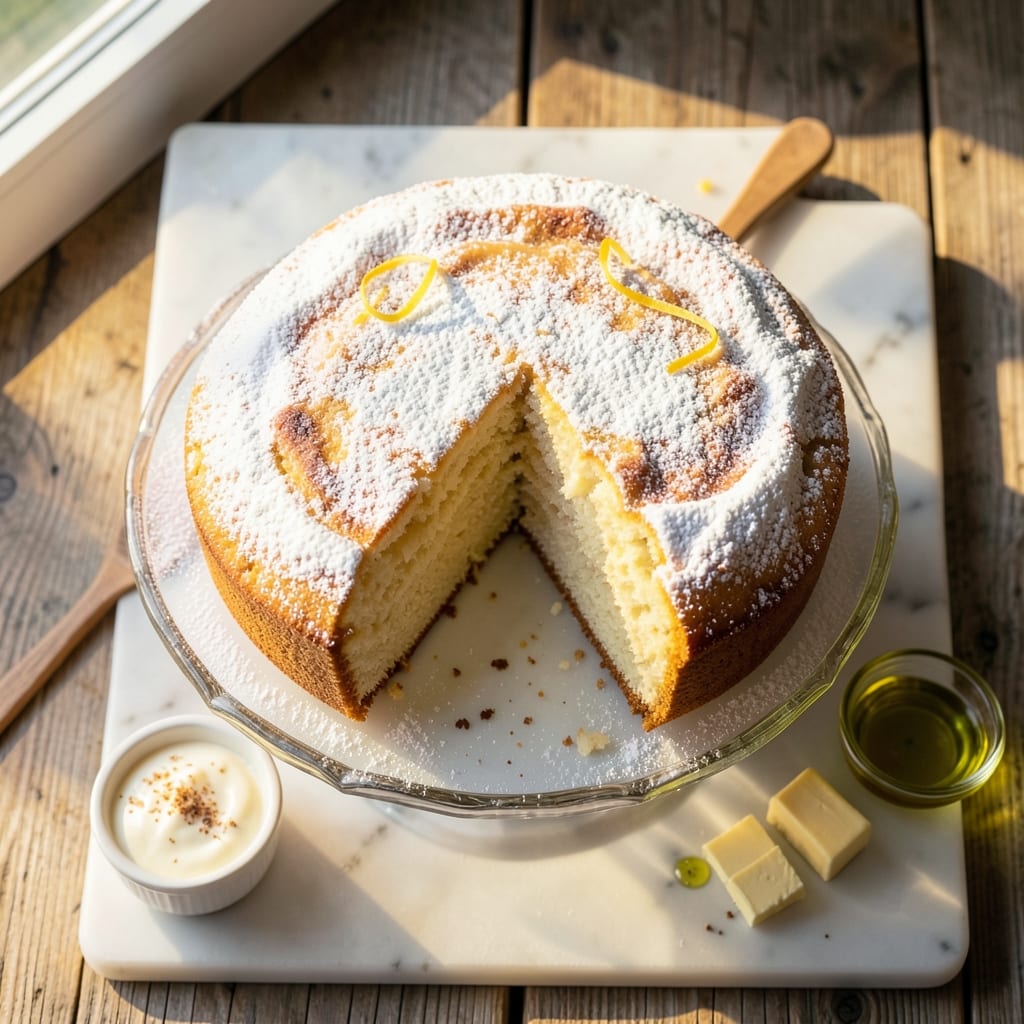
This 1 box white cake mix recipe transforms dry boxed cake into moist, tender layers that actually taste homemade—no special skills required. The secret lies in simple swaps and techniques that add richness without extra effort. I've baked hundreds of cakes from mixes, and this method consistently delivers restaurant-quality texture.
What sets this recipe apart is the foolproof moisture trick: replacing water with buttermilk and adding an extra egg yolk creates layers that stay soft for days. You'll also learn how to properly grease the pan and avoid common baking mistakes that lead to dry, dense cake. The result? A cake with perfectly balanced sweetness and a crumb that's light yet sturdy enough to hold frosting.
We'll cover everything from mixing to baking to frosting, including how to achieve smooth sides and even layers. The frosting options are equally simple—whether you prefer classic buttercream, cream cheese frosting, or even a light glaze. These techniques work with any white cake mix brand, making it the ultimate shortcut for special occasions.
Perfect for birthdays, showers, or just treating yourself, this cake comes together in under 45 minutes with minimal cleanup. The best part? Your guests will never guess it started from a box. Let's get baking—moist, tender layers are just a few steps away.
Ingredients for 1 box white cake mix
Transform a box mix into restaurant-quality cake with these game-changing swaps and techniques.
| Ingredient | Amount | Notes |
|---|---|---|
| White Cake Mix 🍰 | 1 box | Any brand, unopened package |
| Buttermilk 🥛 | 1 cup | Full-fat for best moisture |
| Large Eggs 🥚 | 4 whole | Room temperature preferred |
| Unsalted Butter 🧈 | ½ cup | Softened, not melted |
| Extra-Virgin Olive Oil 🫒 | ¼ cup | For extra richness |
| Vanilla Extract 🌿 | 2 tsp | Pure, not imitation |
| All-Purpose Flour 🌾 | ½ cup | Sifted for light texture |
| Granulated Sugar 🍚 | ¼ cup | Extra for balanced sweetness |
| Baking Powder 🧂 | 1 tsp | Double-acting preferred |
| Salt 🧂 | ¼ tsp | Fine sea salt |
| Vegetable Oil 🫒 | ¼ cup | For greasing pans |
| Powdered Sugar 🍚 | 2 cups | For buttercream frosting |
| Heavy Whipping Cream 🥛 | 1 cup | Cold for best whipping |
The buttermilk is non-negotiable here—it's what transforms dry mix into moist layers. Full-fat works best, but if you're in a pinch, mix powdered milk with a splash of vinegar or lemon juice. Eggs should be room temperature for even baking, so take them out 20 minutes before mixing. For the butter, softened (not melted) incorporates better than melted, which can make the cake dense. If you're using a specific brand like Betty Crocker or Duncan Hines, stick with it—they're all designed to work with their own mixes, but the magic happens with these extra ingredients.
No buttermilk? Plain yogurt thinned with milk works in a bind, though it won't be quite as tender. Short on eggs? Flax eggs (1 tbsp ground flaxseed + 3 tbsp water per egg) add moisture but won't give the same lift. The olive oil adds richness without overpowering—if you're avoiding oil, extra melted butter works too. For the frosting, powdered sugar should be sifted to avoid graininess, and cold cream whips faster than room-temperature. The extra flour and sugar in the mix create the perfect balance—don't skip them even if the box says they're included.
Buttermilk and eggs can be prepped ahead—store them in the fridge up to 2 days before baking. The cake itself keeps well wrapped at room temperature for 3 days or in the fridge for 5 days. For longer storage, freeze the unfrosted cake layers for 3 months. Frosting can be made a day ahead—just whip it again briefly before spreading. Pro tip: Brush the cooled cake layers with simple syrup (equal parts sugar and water, heated) for extra moisture before frosting—trust me on this.
Why You'll Love This Recipe
- No-Fuss Magic: I swear, this recipe is the closest thing to a baking hack. Mix the dry stuff, fold in the wet—eggs, buttermilk, that rich olive oil—and boom. No measuring cups, no sifter, no stress. Even my toddler could "help" (mostly by dumping the butter in).
- Buttermilk Moisture Bomb: That tangy buttermilk? It’s the secret weapon here. The cake stays tender for days, not dry by lunch. And the olive oil? It keeps it from tasting like cardboard—more like a cross between bakery cake and something real.
- Party or PJs: Serve it frosted for birthdays or cut into squares for a lazy Sunday. Honestly, I’ve used it for potlucks, book club snacks, and even as a base for a no-bake cheesecake. The mix is the canvas; you add the flair.
- Leftovers That Don’t Suck: Bake half, freeze half—no one will know the difference. The butter and oil make it shelf-stable for days, and reheating? Just a quick zap in the microwave. My go-to for when I need dessert but forgot to grocery shop.
Step-by-step instructions for moist white cake mix layers
Here's how to transform that boxed mix into a cake so tender it practically melts in your mouth.
Prep Ingredients for Maximum Moisture
Start by separating the 4 whole Large Eggs, placing yolks in one bowl and whites in another. Let all ingredients sit at room temperature for 30 minutes—this ensures even baking and prevents dense layers. Sift together the 0.5 cup All-Purpose Flour, 1 tsp Baking Powder, and 0.25 tsp Salt into a medium bowl. This sifting step creates air pockets that lighten the texture.
In a separate large bowl, whisk together the 1 cup Buttermilk, 0.25 cup Granulated Sugar, and 2 tsp Vanilla Extract. The buttermilk's natural acidity tenderizes the cake, while the sugar helps retain moisture during baking. Add the 0.5 cup Unsalted Butter and 0.25 cup Extra-Virgin Olive Oil to this mixture and whisk until completely combined—the oil adds richness that boxed mixes often lack.
Combine Wet and Dry Ingredients Gently
Gradually add the sifted dry ingredients to the wet mixture, mixing just until combined. I use a spatula to fold gently—overmixing develops gluten and creates tough cake. Add the 1 box White Cake Mix and fold it in using a rubber spatula, being careful not to deflate any air bubbles you've incorporated.
In a separate bowl, beat the egg whites with an electric mixer on medium speed until soft peaks form. Slowly add the 0.25 cup Vegetable Oil while continuing to beat until the whites form stiff, glossy peaks. Here's the thing—this step is crucial for lightness. Fold about one-third of the egg whites into the cake batter to lighten it, then gently fold in the remaining whites until just combined. The goal is to maintain as much air as possible for that cloud-like texture.
Bake in Prepared Pans for Even Cooking
Preheat your oven to 350°F. Grease two 8-inch round cake pans with vegetable oil and line the bottoms with parchment paper. Pour the batter evenly between the pans—don't overfill, as the batter will rise. Tap the pans gently on the counter to remove any air bubbles.
Bake for 25-30 minutes or until a toothpick inserted in the center comes out clean. I check at the 22-minute mark—if the edges are golden but the center still jiggles slightly, that's your cue to start checking. The cake should spring back when pressed gently in the center. Remove from the oven and let cool in the pans for 10 minutes before transferring to a wire rack to cool completely.
Prepare the Buttercream Frosting
While the cakes cool, beat the 0.5 cup Unsalted Butter (softened) with an electric mixer until smooth and creamy. Gradually add the 2 cups Powdered Sugar, mixing on low speed until combined. Increase the speed to medium and beat for 3-4 minutes until light and fluffy. Add the 1 cup Heavy Whipping Cream and 2 tsp Vanilla Extract, beating until smooth and well incorporated.
Here's where it gets fun—the buttercream should be thick enough to hold its shape but still pipeable. If it's too thick, add 1-2 teaspoons of milk (not in the ingredients list, but trust me on this) to loosen it slightly. The frosting should be cool but not cold when you spread it—this ensures a smooth finish without melting.
Assemble and Frost for Perfect Layers
Once the cakes are completely cool, place one layer on a cake stand or plate. Spread a thin layer of frosting on top to create a "crumb coat." This first layer helps seal in any crumbs and creates a smooth base for the final frosting. Chill the cake in the refrigerator for 15 minutes to set the crumb coat.
Spread the remaining frosting evenly over the top layer, then place the second layer on top. Gently press down to create a level surface. Frost the entire cake, then use a spatula to create smooth sides. For extra flair, pipe decorative borders or swirls on top. The key to success here is patience—take your time to create clean lines. Serve immediately or refrigerate for up to 2 hours before serving for the best texture.
Pro Tips For Making 1 Box White Cake Mix
- Melt Butter Slowly: Dump the cold butter straight into the mix and you’ll end up with lumps that never fully blend. Microwave it in 10-second bursts until just soft—not liquid—and stir it into the dry ingredients first. This ensures a smoother batter and no greasy pockets in your cake.
- Room-Temp Eggs Matter: Cold eggs from the fridge will curdle the buttermilk and make your batter look like lumpy cottage cheese. Let them sit in warm water for 5 minutes before cracking them in—just enough to bring them to room temp without turning them into a science experiment.
- Don’t Overmix the Batter: I used to beat this like I was trying to win a baking contest. But white cake mix is finicky—once the batter turns from pale to slightly gray, you’ve gone too far. Mix just until the dry ingredients disappear, about 20 seconds max. Overmixing = tough cake.
- Grease Pans Properly: A light coat of olive oil on the pan isn’t enough—add a sprinkle of flour and shake it around to coat the bottom and sides. This prevents sticking better than just butter alone, and you won’t waste time scraping cake off the pan later. (Trust me, I’ve done both.)
Serving suggestions for this 1 box white cake mix
Frosting Variations
Skip the buttercream and try a light lemon glaze—mix 1 cup powdered sugar with 2 tbsp fresh lemon juice and 1 tbsp heavy cream. Drizzle over warm cake layers for a bright, tangy contrast. For a richer option, swap buttercream for cream cheese frosting: beat 8 oz cream cheese with ½ cup softened butter and 3 cups powdered sugar. This adds a velvety texture that pairs perfectly with the cake's tenderness. 🍋
Decorative Toppings
Add fresh strawberries or raspberries for a pop of color and natural sweetness. Arrange them in a circular pattern on top of the frosting for an elegant look. For a playful touch, sprinkle crushed pistachios or toasted coconut flakes over the frosting before it sets. I love adding a handful of mini chocolate chips for extra indulgence—just press them gently into the top layer before chilling.
Serving Suggestions
Serve slices on white cake plates with a dusting of powdered sugar for a classic presentation. For a rustic look, use wooden cake stands or slate boards. Pair with vanilla ice cream or a berry compote on the side. If serving at a party, arrange slices on a tiered stand with fresh flowers for a stunning centerpiece. The cake's moisture holds up beautifully with these pairings! 💫
Make-Ahead Tips
Assemble the fully frosted cake and refrigerate for up to 2 days before serving. For longer storage, freeze the frosted cake (uncovered) for up to 1 month. Thaw overnight in the fridge before serving. To refresh, gently re-pipe any melted frosting or add a fresh dusting of powdered sugar. This makes it perfect for celebrations you plan ahead for! ⏰
Mini Cake Adaptations
Divide the batter into 12 mini muffin tins lined with paper liners for individual servings. Bake for 12-15 minutes at 350°F until golden. Frost with a small dollop of buttercream or drizzle with glaze. These are ideal for dessert parties or office treats—everyone gets their own perfect bite! 🎉
Seasonal Twists
For spring, infuse the frosting with 1 tsp almond extract and top with sliced almonds. In summer, add mango puree to the batter for a tropical twist. For fall, swap vanilla for cinnamon and top with caramel drizzle. These seasonal variations keep the cake exciting year-round while maintaining that signature moisture. 🍂
Nutrition facts
Frequently asked questions
Can I use this recipe with any white cake mix brand?
Yes! This method works with any white cake mix brand, including Betty Crocker or Duncan Hines. The key is using the moisture-boosting ingredients (buttermilk, extra egg yolk, and olive oil) rather than just following the box instructions. The recipe's magic comes from these additions, not the specific brand.
What if I don't have buttermilk?
No problem! Make a quick substitute by mixing 1 cup milk with 1 tablespoon vinegar or lemon juice, then let it sit for 5 minutes until thickened. While it won't be identical, this still adds moisture. For best results, use full-fat dairy products—low-fat versions can make the cake slightly denser.
Why does my cake turn out dry even with these tricks?
Dry cake usually happens from overbaking or under-mixing. Check your oven temperature with an oven thermometer—many run 25°F hotter than set. Also, avoid opening the oven door early (the temperature drop causes uneven baking). For extra insurance, brush warm layers with simple syrup (equal parts sugar and water) before frosting.
Can I make this cake in a different pan size?
For a 9-inch round pan, reduce baking time to 20-25 minutes. For a 6-inch pan, increase to 30-35 minutes. Adjust for square pans by checking doneness at the center—it should spring back when pressed gently. Just remember: smaller pans bake faster, while larger ones need more time.
How do I store leftovers?
Wrap the frosted cake tightly in plastic wrap and store at room temperature for 2 days or refrigerate for 5 days. For longer storage, freeze the unfrosted layers (wrapped individually) for 3 months. To refresh, let it sit at room temperature for 30 minutes before serving. The frosting may need re-piping if melted.