
Desserts
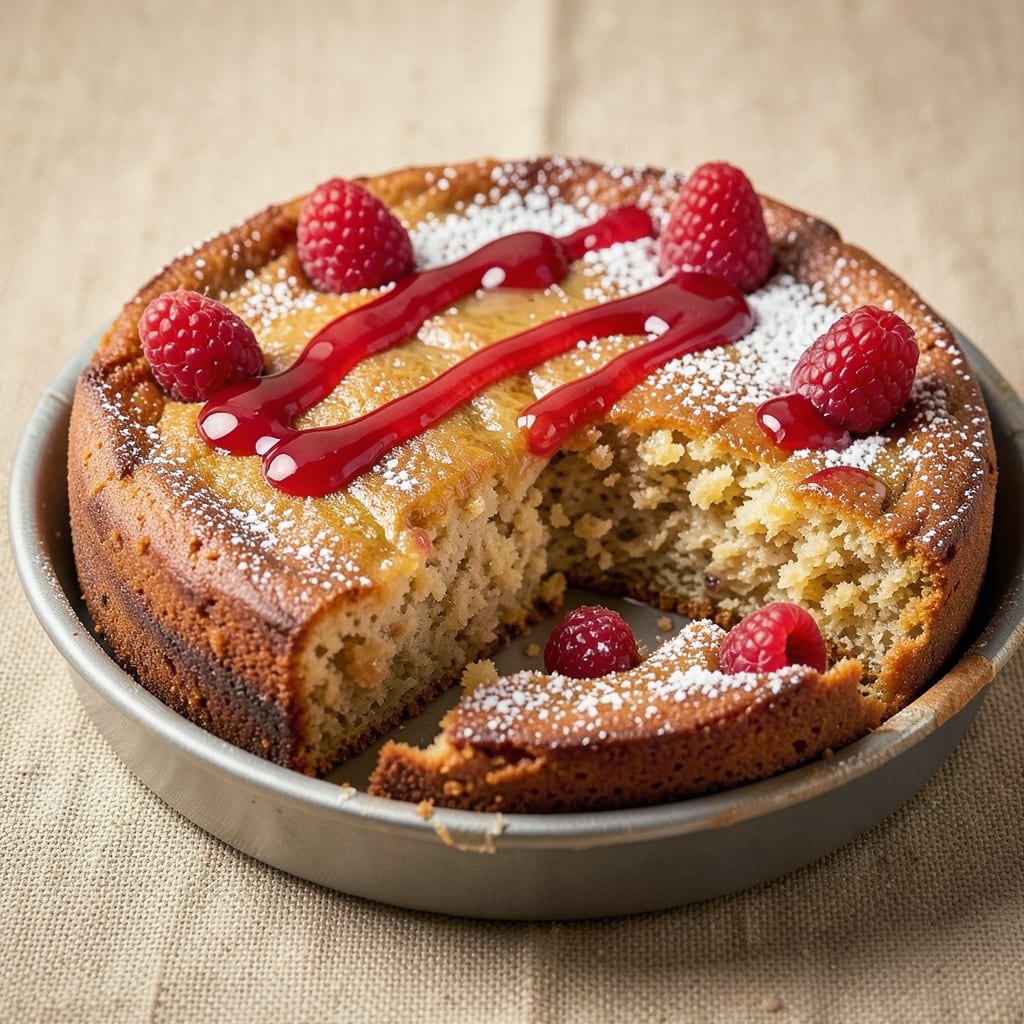
This 1 egg oil cake recipe delivers light-as-air moisture without butter—just one egg, oil, and simple pantry staples. 💛 The secret lies in the oil's ability to create a tender crumb while keeping calories in check, perfect for those who want rich flavor without heaviness. I developed this recipe after years of testing oil-based cakes, and it never fails to impress with its delicate texture and subtle sweetness.
The beauty of this cake is its simplicity: no butter, no complicated techniques, just a foolproof method that yields a moist, fluffy result every time. Vegetable oil works best for neutral flavor, but coconut oil adds a subtle tropical note if you prefer. The key is beating the egg properly and folding in the dry ingredients gently to maintain that signature airiness.
What you'll end up with is a perfectly moist cake that stays tender for days, making it ideal for layering or serving as a single slice. The light golden crust gives way to a soft, almost custard-like interior that melts in your mouth. It's the kind of cake that tastes homemade without requiring hours of baking.
Great for special occasions or everyday treats, this recipe scales easily for cakes or cupcakes. Whether you're watching your butter intake or simply craving a lighter dessert, this one-egg wonder delivers restaurant-quality results with minimal effort. Let's get baking!
Ingredients for 1 egg cake recipe with oil
Simple ingredients for a cake so light it defies expectations—no butter, no fuss, just perfect moisture.
| Ingredient | Amount | Notes |
|---|---|---|
| Large Egg 🥚 | 1 whole | Room temperature for best mixing |
| Vegetable Oil 🫒 | ½ cup | Neutral flavor preferred |
| All-Purpose Flour 🌾 | 1 ½ cups | Sifted for light texture |
| Granulated Sugar 🍚 | ¾ cup | White or light brown |
| Unsweetened Applesauce 🍎 | ¼ cup | Substitute for moisture |
| Baking Powder 🧂 | 1 ½ tsp | Diamond Crystal preferred |
| Salt 🧂 | ½ tsp | Fine sea salt |
| Vanilla Extract 🌸 | 1 tsp | Pure vanilla preferred |
| Milk 🥛 | ¼ cup | Any variety works |
| Almond Extract 🌿 | ¼ tsp | Optional for subtle flavor |
| Powdered Sugar 🍚 | ¼ cup | For dusting finished cake |
The oil is the star here. Vegetable oil keeps things neutral, but coconut oil adds a lovely tropical note if you prefer. Grab the cheapest brand—refined oil works best for baking. The flour should be all-purpose, not self-rising, and make sure it's sifted before mixing to avoid a dense texture. For the sugar, I always use white granulated, but light brown adds subtle depth. The baking powder? Diamond Crystal is my go-to—it's double-acting, which means it works twice as hard for that perfect rise.
No applesauce? Unsweetened applesauce can be swapped for mashed banana or even more oil if you're in a pinch. Vanilla extract is non-negotiable for that classic flavor, but if you're feeling fancy, a splash of almond extract adds sophistication. The milk can be any kind—dairy, almond, or even coconut, but don't skip it entirely. For the powdered sugar, I like to dust the finished cake for that restaurant-quality touch, but it's optional if you're serving it plain. The key to this cake's magic is beating the egg properly—whisk it until it's pale and slightly thickened before adding the oil.
This cake stays moist for 3-4 days when stored in an airtight container at room temperature, but it's even better the next day as the flavors meld. For longer storage, wrap it tightly and refrigerate for up to 1 week. If you're freezing, slice it first and freeze the portions individually for up to 3 months. To reheat, simply pop a slice in the microwave for 10-15 seconds—it'll be just as tender as the day it was baked. Layering tip: brush with simple syrup between layers for extra moisture.
Why You'll Love This Recipe
- No Mixer Needed: I just crack the egg, stir in the oil and applesauce, then fold in the flour—no electric beaters, no sticky mess. The applesauce keeps it light without overworking the batter, and honestly? My arms thank me after a long day.
- Secretly Moist Magic: That one egg and oil combo creates a tender crumb, while the applesauce adds just enough natural sweetness to balance the sugar. It’s not cakey like box mixes; it’s got a subtle richness that feels special, even when it’s just me and my coffee in the morning.
- Breakfast or Snack: Slice it warm for pancakes, cut into squares for a quick dessert, or pack it in lunchboxes—this recipe adapts without extra effort. My kids ask for it cold with peanut butter, and I’ve even used it as a base for mini frittatas. Versatile? Absolutely.
- Budget-Friendly Staples: Flour, sugar, and eggs are pantry basics, and applesauce stretches the batter further than most recipes. I’ve made this for 10 people on a tight budget, and it’s still a hit. Plus, leftovers reheat like a dream—no dry edges, no sad texture. Reliable, simple, and kind to my wallet.
Step-by-step instructions for light-as-air oil cake
This method delivers a tender, moist cake with perfect texture—no butter needed.
👨🍳 Step 1: Whisk Wet Ingredients for Maximum Moisture
In a large mixing bowl, combine the 1 whole large egg, 0.5 cup vegetable oil, and 0.75 cup granulated sugar. Whisk vigorously for 3-4 minutes until the mixture becomes pale and nearly doubles in volume. You'll see ribbons form when you lift the whisk—this aeration creates lightness.
Add the 0.25 cup unsweetened applesauce, 0.25 cup milk, 1 tsp vanilla extract, and 0.25 tsp almond extract. Whisk again until fully incorporated. The applesauce acts as a moisture booster while keeping the cake tender. I like to let this mixture sit for 2 minutes while I prepare the dry ingredients—it helps the flavors meld.
👨🍳 Step 2: Sift Dry Ingredients for Perfect Texture
In a separate medium bowl, sift together the 1.5 cups all-purpose flour, 1.5 tsp baking powder, and 0.5 tsp salt. This sifting step prevents dense pockets in the cake. Use a whisk to break up any lumps in the flour mixture—smooth consistency is key for even baking.
Gently fold the dry ingredients into the wet mixture using a spatula. Start by cutting through the center and folding from the bottom up, then repeat 2-3 times. Stop mixing as soon as the flour disappears—overmixing develops gluten and makes the cake tough. The batter should be smooth with just a few streaks of flour remaining.
🔥 Step 3: Bake at Low Heat for Even Rising
Preheat your oven to 350°F and grease an 8-inch round cake pan or line it with parchment paper. Pour the batter into the prepared pan and smooth the top with a spatula. Tap the pan gently on the counter 3-4 times to remove any air bubbles.
Bake for 30-35 minutes until a toothpick inserted in the center comes out clean. Here's the thing—this cake rises slowly, so don't rush it. The edges should pull away from the pan slightly, and the top should be golden brown with a crackly surface. If the top browns too quickly, tent loosely with aluminum foil after 20 minutes to prevent over-browning.
⏰ Step 4: Cool and Dust for Perfect Finish
Remove the cake from the oven and let it cool in the pan for 10 minutes. Then transfer it to a wire rack to cool completely. This gradual cooling prevents cracking. While the cake cools, dust the top generously with 0.25 cup powdered sugar using a fine-mesh sieve for an elegant finish.
For extra moisture, you can brush the warm cake with simple syrup (equal parts sugar and water, heated until dissolved). This step isn't required but adds that bakery-style wetness. Serve slices at room temperature—they'll be tender and moist, with a delicate crumb that practically melts in your mouth.
Pro Tips For Making 1 Egg Cake Recipe With Oil
- MIX DRY INGREDIENTS FIRST: Mix flour and sugar together before adding wet ingredients—this prevents lumps and ensures the applesauce blends smoothly. I used to add the applesauce first, and half the time I’d end up with a gummy mess.
- USE COLD APPLESAUCE: Refrigerate the applesauce for at least 30 minutes before measuring—cold applesauce keeps the batter from overmixing and guarantees a tender crumb. Warm applesauce turns the cake dense, and nobody wants that.
- DON’T OVERMIX THE BATTER: Stop mixing as soon as the flour disappears—overworking the batter introduces too much air, leading to a cake that collapses or tastes dry. Two minutes max with a spatula, then let the oil do its job.
- BAKE AT 350°F, NOT HIGHER: This isn’t a cookie—350°F is the sweet spot for even baking without burning the edges before the center sets. I learned this after one batch turned out like a hockey puck. Trust the thermometer.
Dietary considerations for this recipe
Vegetarian-Friendly
This cake is naturally vegetarian since it relies solely on eggs, oil, and plant-based ingredients. The 1 whole large egg provides structure and richness without any animal products beyond that. For those avoiding eggs entirely, you can substitute with ¼ cup unsweetened applesauce or ¼ cup mashed banana—though the texture will be slightly denser. The recipe avoids butter completely, making it ideal for lactose-free diets while still delivering that classic cake experience. 🌱
Gluten-Free Adaptation
To make this cake gluten-free, replace the 1.5 cups all-purpose flour with a 1:1 gluten-free flour blend like Bob's Red Mill or King Arthur. I recommend adding ½ tsp xanthan gum to the dry ingredients to improve texture and binding. The rest of the recipe remains unchanged—just ensure your baking powder is gluten-free (most brands are). The result will be just as moist, though slightly denser than the original. Always measure carefully with gluten-free flours, as they pack differently. 🥄
Lower-Calorie Options
Want to reduce calories without sacrificing moisture? Swap ½ cup of the vegetable oil for ½ cup unsweetened applesauce—this cuts about 240 calories while keeping the cake tender. You can also use ½ cup light olive oil instead of regular vegetable oil for a similar calorie reduction. For sweetness, try ½ cup monk fruit sweetener instead of granulated sugar (though the texture may be slightly drier). The cake will still be delicious with these swaps, just more diet-conscious. 💪
Oil Substitutions
The recipe calls for vegetable oil for its neutral flavor, but you can experiment with other oils. Coconut oil adds a subtle tropical note (use refined coconut oil to avoid coconut taste). For a lighter option, try ½ cup melted butter (though this adds dairy) or ½ cup Greek yogurt for tangy moisture. Just remember: oil keeps cakes tender, while butter adds richness. If substituting, adjust baking time by 2-3 minutes—dairy-based swaps may brown faster. 🫒
Nut-Free Considerations
This recipe is naturally nut-free as written, but always double-check your ingredients for cross-contamination. The almond extract is optional and can be omitted entirely if avoiding nuts. For extra flavor without almonds, try ½ tsp orange zest or ½ tsp lemon extract. Store-bought extracts are typically nut-free, but check labels if you're highly sensitive. The cake's base remains safe for nut allergies as long as you skip the extract or use a nut-free brand. 🌿
Dairy-Free Variations
To make this cake dairy-free, simply replace the ¼ cup milk with ¼ cup almond milk, oat milk, or coconut milk. The cake won't know the difference—the milk adds moisture and tenderness without dairy. For extra richness, you could also use ¼ cup coconut cream (though this will slightly alter the texture). The rest of the recipe stays the same, proving that dairy isn't necessary for a perfectly moist cake. 🥛
Nutrition facts
Frequently asked questions
Why does this cake use oil instead of butter?
Oil creates a lighter, more tender crumb while keeping the cake moist for days. Unlike butter, it doesn't add dairy and won't make the cake greasy when used properly. The oil also helps prevent dryness, which is perfect for single-egg baking where moisture retention is key. Plus, it's easier to measure and mix than butter!
Can I make this cake without eggs?
Yes, but the texture will be denser. Replace the 1 egg with ¼ cup unsweetened applesauce or ¼ cup mashed banana. For best results, also add ½ tsp baking soda to help with rise. The cake will still be delicious but may not be as light and airy as the original.
What's the best oil to use for maximum moisture?
Vegetable oil works best for neutral flavor, but coconut oil adds a subtle tropical note. Avoid olive oil—it has a strong flavor that can overpower the cake. For extra richness, you could use ½ cup melted butter, though this adds dairy. The key is using refined oils to prevent any off-flavors.
How do I prevent my cake from cracking?
Let the cake cool gradually in the pan for 10 minutes before transferring to a wire rack. Avoid opening the oven door too early, and don't overmix the batter. If cracks appear, brush them with simple syrup (equal parts sugar and water) to add moisture and disguise them. The cracks are normal with oil cakes!
Can I make this cake in a different pan size?
Yes, but adjust baking time accordingly. For a 9-inch pan, bake 25-30 minutes, and for a 6-inch pan, bake 40-45 minutes. Use a toothpick test to check doneness. The cake should pull away from the sides and have a clean center. Always grease or line your pan to prevent sticking.