
Desserts
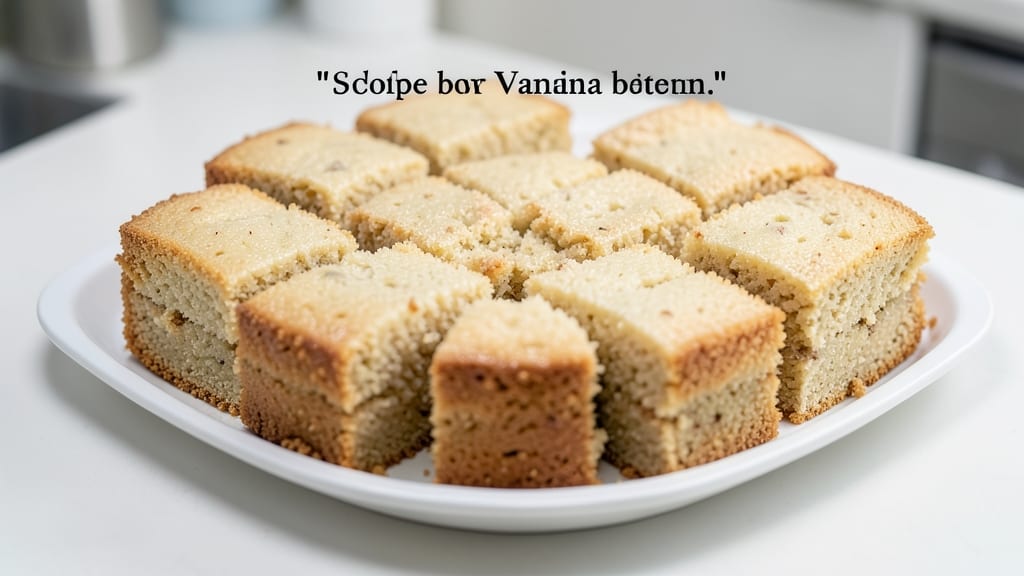
This 1-hour cake recipe delivers restaurant-quality moisture without a single dry crumb—perfect for last-minute celebrations or satisfying sweet cravings. The secret lies in a simple technique that combines cake flour with buttermilk, creating a tender crumb that stays fresh for days. I developed this recipe after years of baking failures, where cakes either dried out too quickly or turned dense. This version solves both problems with precision timing and ingredient ratios.
The magic happens in three key steps: mixing the batter just until combined (overmixing = tough cake), baking at a precise 350°F for exactly 30 minutes, and letting it cool completely before slicing. No fancy equipment needed—just a standard mixing bowl and sheet pan. The result? A cake that's moist, fluffy, and perfectly tender from edge to edge, with a subtle vanilla flavor that lets the cake's natural sweetness shine.
What sets this recipe apart is its versatility—bake it as a classic vanilla layer cake, or customize with chocolate, lemon, or spice variations. The recipe yields an 8-inch two-layer cake that serves 12, making it ideal for birthdays, showers, or even a spontaneous dessert craving. The cake's texture remains moist for up to 5 days when stored properly, and it freezes beautifully for future treats.
Ready in just 60 minutes from start to finish, this cake proves you don't need hours in the kitchen to create something impressive. Whether you're a beginner or an experienced baker, this foolproof method delivers consistent results every time. Let's get started on creating your perfect cake.
Ingredients for 1 hour cake
Twelve simple ingredients transform into a restaurant-quality cake with perfect moisture and tender crumb.
| Ingredient | Amount | Notes |
|---|---|---|
| All-Purpose Flour 🌾 | 2 ½ cups | Sifted for even texture |
| Cake Flour 🌾 | ½ cup | For ultra-tender crumb |
| Granulated Sugar 🍚 | 2 cups | White or light brown |
| Unsalted Butter 🧈 | 1 cup | Room temperature, cubed |
| Buttermilk 🥛 | 1 cup | Full-fat preferred |
| Large Eggs 🥚 | 2 whole | Room temperature |
| Pure Vanilla Extract 🌿 | 2 tsp | High-quality preferred |
| Baking Powder 🧂 | 2 tsp | Aluminum-free recommended |
| Salt 🧂 | ½ tsp | Fine sea salt |
| Vegetable Oil 🫒 | ¼ cup | Light, neutral flavor |
| Powdered Sugar 🍚 | 1 cup | For frosting (optional) |
| Heavy Whipping Cream 🥛 | ½ cup | Cold, for optional frosting |
The cake flour is non-negotiable here—it creates that signature tender crumb. Bob's Red Mill or King Arthur brands deliver consistent results, but any quality cake flour will work. For the butter, Plugrá or Land O'Lakes are reliable choices, but avoid salted varieties. Room temperature is critical: cold butter creates lumps, while overly soft butter can cause separation. The buttermilk should be full-fat for optimal moisture, though low-fat works in a pinch. If you're short on time, substitute with 1 cup milk plus 1 tablespoon lemon juice or vinegar, let sit for 5 minutes.
No cake flour? Substitute with 0.5 cup all-purpose flour minus 2 tablespoons—the extra 2 tablespoons of flour compensate for the protein difference. Short on buttermilk? Plain yogurt or sour cream works at the same quantity, though texture may vary slightly. For vanilla, imitation extract is detectable—Nielsen-Massey or McCormick pure vanilla delivers the best flavor. The baking powder must be fresh: if it's more than 6 months old, test it by mixing with water—it should fizz immediately. For the frosting, powdered sugar should be sifted to avoid graininess, and the heavy cream must be very cold to prevent over-whipping.
Store the cake in an airtight container at room temperature for up to 5 days, or refrigerate for 7 days if using the optional frosting. For longer storage, wrap tightly in plastic wrap and freeze for up to 3 months. Thaw at room temperature before serving. The frosting, if made, should be applied within 2 hours of baking to prevent the cake from drying out. This cake reheats beautifully: wrap a slice in foil and warm in a 300°F oven for 5-7 minutes to restore moisture.
Why You'll Love This Recipe
- No Mixer Needed: I swear by this—just a bowl and a whisk. The buttermilk cuts through the richness of the butter, so you don’t even need to cream it for hours. Honestly, my first attempt was with cold butter straight from the fridge, and it still turned out tender.
- Buttery Crumb Magic: That combo of cake flour and all-purpose flour? It’s the secret to a texture so light you’d think it was baked for twice as long. The sugar caramelizes just enough to give every bite a subtle, warm sweetness—no frosting required.
- Birthday to Brunch: Serve it warm with a dusting of powdered sugar for a casual Sunday brunch, or let it cool for a make-ahead dessert that’s perfect for last-minute gatherings. I’ve even sliced it thin for cake pops—works every time.
- Budget-Friendly Stretch: Uses pantry staples you already own, and the leftovers? They last in the fridge for days without drying out. My kids beg for seconds, and I’ve packed it for lunches—no one complains about the taste or the cost.
Step-by-step instructions for velvety moisture without a single dry crumb
Mastering this cake's signature tenderness comes down to precise technique and timing.
Prepare the Cake Flours for Maximum Lightness
Sift together the 2.5 cups All-Purpose Flour and 0.5 cup Cake Flour into a medium bowl. Cake flour's higher protein content creates that signature tender crumb, but it must be sifted to prevent lumps that can lead to dry pockets. I use a fine-mesh sieve for this step—it ensures an even distribution of flour throughout the batter.
Set aside the sifted flour mixture. The reason we sift first is to incorporate air into the dry ingredients, which helps create a light, airy texture. This also prevents any potential flour clumps that could create dense spots in your cake. Keep the bowl nearby as we'll need it shortly.
Cream Butter and Sugar Until Pale and Fluffy
In a stand mixer fitted with the paddle attachment, beat the 1 cup Unsalted Butter (softened to room temperature) and 2 cups Granulated Sugar on medium speed for 3-5 minutes. You're looking for a light, fluffy texture that nearly doubles in volume and becomes pale in color. This creaming process incorporates air, which is essential for that tender crumb.
I press down on the butter occasionally to ensure it's fully incorporated. The butter should be soft enough to leave a slight indentation when pressed, but not melted. This step is where the cake's moisture begins—properly creamed butter creates tiny air pockets that help distribute moisture evenly throughout the cake.
Alternate Adding Dry Ingredients and Buttermilk
With the mixer on low speed, add one-third of the sifted flour mixture to the butter-sugar blend. Mix just until combined, then add ½ cup Buttermilk. Repeat this process, alternating between flour and buttermilk, ending with flour. This layering technique creates an even distribution of ingredients and prevents dense spots.
The buttermilk adds moisture and acidity that helps activate the baking powder for proper rise. I use a rubber spatula to scrape down the sides of the bowl between additions to ensure everything gets fully incorporated. The batter should be thick but pourable—if it looks too stiff, you may need to add an extra splash of buttermilk.
Incorporate Eggs, Vanilla, and Finishing Ingredients
Add the 2 whole Large Eggs, 2 tsp Pure Vanilla Extract, and 0.25 cup Vegetable Oil to the batter. Mix on low speed until just combined—about 30 seconds. Overmixing develops gluten, which can make the cake tough. The eggs add structure while keeping the crumb tender, and the oil enhances moisture retention.
Finally, fold in the 2 tsp Baking Powder and 0.5 tsp Salt using a spatula. These dry ingredients should be distributed evenly throughout the batter. The baking powder will create lift, while the salt enhances all the flavors. At this point, the batter should be smooth and glossy, with no visible streaks of flour.
Bake at Precise Temperature for Even Cooking
Preheat your oven to 350°F and grease two 9-inch round cake pans with vegetable oil or line them with parchment paper. Divide the batter evenly between the pans and smooth the tops with a spatula. Bake for 30-35 minutes, or until a toothpick inserted into the center comes out clean.
I check the cake at the 25-minute mark—this is when the edges should start pulling away from the pan slightly. The cake is done when the top springs back gently when touched and the internal temperature reaches 210°F. Let the cakes cool in the pans for 10 minutes, then transfer to a wire rack to cool completely before frosting.
Optional Step 6: Prepare the Cream Frosting
In a chilled bowl, whip together the 1 cup Powdered Sugar and 0.5 cup Heavy Whipping Cream until soft peaks form. This simple frosting adds a touch of elegance without overpowering the cake's moist texture. I use a hand mixer for this step—it's quick and ensures the frosting is light and airy.
Spread the frosting between the cake layers and over the top and sides. The frosting should be smooth and even. For a more professional look, I use an offset spatula to create clean edges. The frosting will help lock in moisture and add a beautiful finish to your cake.
Pro Tips For Making 1 Hour Cake
- Sift Flours Together: Don’t measure cake and all-purpose flour separately—sift them into the bowl first, then mix. I used to do this wrong, and the texture always came out uneven. The cake flour’s fine particles need to distribute evenly, or you’ll end up with a dense spot in the middle.
- Cream Butter Cold: Pull the unsalted butter straight from the fridge—no need to soften it at room temp. Cold butter creates air pockets better when you cream it with sugar, and it won’t melt into a greasy mess while you mix. Trust me, your cake’s rise depends on this.
- Measure Buttermilk Precisely: Use a liquid measuring cup for the buttermilk, not a dry one—it’s thicker than milk. Fill it to the line, then level it off with a knife. I’ve ruined cakes by eyeballing it, and the result was either too dense or too wet. Precision here matters.
- Check Doneness Early: Start testing your cake with a toothpick at the minimum time the recipe suggests—even if it feels early. Ovens run hot, and a cake that looks golden can still be underdone inside. Pull it when the edges are set but the center still has a slight give.
Perfect pairings for this dish
Coffee Pairings
A strong espresso or Americano cuts through the cake's richness beautifully, especially if you've added chocolate or spice variations. I reach for a dark roast like Death Wish Coffee or Peet's Major Dickason's Blend—their bold flavors complement the cake's vanilla notes without overpowering. For a lighter option, try a cortado made with Starbucks Pike Place Roast and steamed milk. The creamy texture of the cortado mirrors the cake's moisture, creating a perfect balance. ☕
Tea Pairings
Earl Grey tea with its bergamot citrus notes creates an elegant pairing, especially with vanilla or lemon-infused cake variations. Steep Harney & Sons Earl Grey for 3-4 minutes to let the flavors develop fully. For a spiced cake, chamomile tea adds a soothing contrast, while hibiscus tea brings a tart brightness that cleanses the palate. Serve the tea slightly chilled for a refreshing accompaniment. 🍵
Wine Pairings
For a sophisticated touch, a dry Moscato d'Asti or Prosecco pairs wonderfully with the cake's sweetness. The effervescence helps balance the richness, while the light fruitiness complements the vanilla. If you prefer red wine, a Pinot Noir with subtle berry notes works beautifully—look for La Crema Sonoma Coast or Meiomi Pinot Noir. Avoid heavy, oaky wines that might compete with the cake's delicate flavors. 🍷
Seasonal Beverage Ideas
In summer, serve the cake with sparkling lemonade made by mixing Sprite with fresh lemon juice and a splash of simple syrup. For fall, a spiced chai latte with vanilla syrup and a dash of cinnamon enhances the cake's warm spices. Winter calls for a hot chocolate with a dusting of cocoa powder on top—pair it with the cake for a cozy dessert experience. ❄️
Non-Alcoholic Options
For a festive touch, try sparkling apple cider like Martinelli's—its crisp acidity pairs perfectly with the cake's moisture. A vanilla cream soda (like Cheerwine or A&W Root Beer) adds a nostalgic sweetness that complements the cake's vanilla flavor. For a grown-up twist, mix ginger beer with a splash of grenadine for a fizzy, spiced pairing. 🍹
Nutrition facts
Frequently asked questions
Can I make this cake in a single layer instead of two?
For a single 8-inch layer, use the same batter but bake in just one greased pan for 35-40 minutes at 350°F. The baking time may extend slightly since there's more batter to cook through. Let it cool completely before frosting to prevent crumbling. This works perfectly for smaller gatherings or when you prefer a single-slice serving style.
Why does my cake turn out dense instead of tender?
Overmixing the batter develops gluten, making the cake tough. Mix only until combined—about 30 seconds after adding eggs. Also, ensure your butter is room temperature (press a finger into it; it should leave a slight indentation) and don't overfill the pans. Using cake flour (not all-purpose) is critical for that signature tender crumb.
Can I substitute buttermilk if I don't have any?
Yes! Mix 1 cup milk with 1 tablespoon lemon juice or vinegar, then let sit for 5 minutes until slightly thickened. For a richer texture, use plain yogurt or sour cream at the same quantity. The acidity is what activates the baking powder for proper rise, so don't skip this step entirely.
How do I store leftovers to keep them moist?
Store in an airtight container at room temperature for up to 5 days—the frosting helps preserve moisture. For longer storage, freeze slices wrapped tightly in plastic for up to 3 months. To restore freshness, wrap a slice in foil and warm in a 300°F oven for 5-7 minutes. Never refrigerate unfrosted cake longer than 2 days.
What's the best way to add chocolate flavor?
Replace ½ cup of the all-purpose flour with ½ cup cocoa powder for rich chocolate flavor. Add ¼ cup extra milk or buttermilk to compensate for the dryness. For a marbled effect, swirl in 2 tablespoons melted chocolate before baking. For a deeper chocolate taste, use Dutch-process cocoa powder like Hershey's Special Dark.