
Desserts
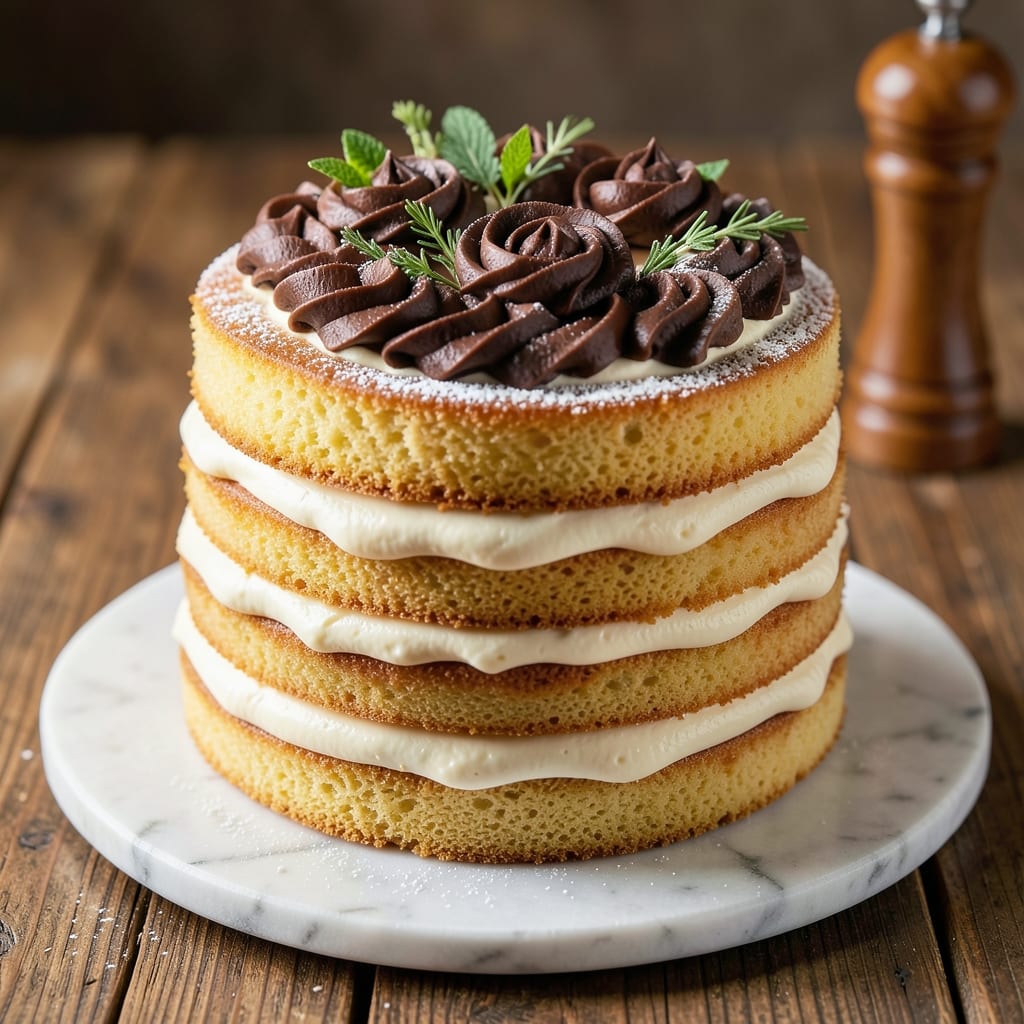
Mastering a 1 kg cake recipe in grams transforms baking from guesswork to precision—where every gram matters for perfect texture and flavor. This method ensures consistent results by eliminating volume measurements, ideal for serious bakers or those seeking restaurant-quality cakes at home. The key lies in meticulous weighing and understanding how each ingredient interacts at scale.
What sets this recipe apart is its foolproof structure, designed for a 1000g batter that yields a moist, tender crumb with crisp edges. We'll use all-purpose flour for reliability, butter for richness, and precise egg measurements to balance structure and tenderness. The secret? A two-stage mixing process that incorporates air gently while avoiding overdevelopment.
By following these exact weights, you'll achieve a cake with even rise, golden-brown crust, and a uniform texture throughout. The recipe includes optional decorating suggestions, but the focus remains on mastering the fundamentals—because once you perfect the base, the possibilities are endless. Let's begin with the exact measurements.
This method works perfectly for layer cakes, sheet cakes, or cupcakes, making it versatile for any occasion. The precision ensures professional results every time, whether you're baking for a celebration or simply perfecting your technique. Ready to elevate your baking?
Ingredients for 1 kg cake recipe in grams
Precision-baked ingredients for a 1 kg cake with professional-grade texture and moisture balance.
| Ingredient | Amount | Notes |
|---|---|---|
| Unsalted Butter 🧈 | 227 g | Softened to room temperature |
| Granulated Sugar 🍚 | 227 g | Superfine preferred for smooth texture |
| All-Purpose Flour 🌾 | 250 g | Sifted for fine crumb structure |
| Cake Flour 🌾 | 50 g | Substitutes 50g all-purpose flour |
| Large Eggs 🥚 | 4 whole | Room temperature for even mixing |
| Pure Vanilla Extract 🌿 | 10 ml | High-quality Madagascar bourbon |
| Baking Powder 🍃 | 5 g | Diamond Crystal preferred |
| Salt 🧂 | 2 g | Fine sea salt for balance |
| Whole Milk 🥛 | 120 ml | Room temperature for moisture |
| Cream of Tartar 🍋 | 2 g | Stabilizes egg whites if needed |
| Vegetable Oil 🫒 | 30 ml | Lightens texture without dryness |
| Cornstarch 🌽 | 5 g | Prevents gumminess in crumb |
The butter and sugar ratio is critical—227g each creates the ideal fat-to-sugar balance for a tender yet sturdy crumb. European-style unsalted butter (like Plugrá) has higher fat content, which enhances flavor and moisture retention. For flour, King Arthur or Bob's Red Mill brands are preferred due to their consistent protein content. Cake flour is essential here; substituting all-purpose flour will yield a denser result. Weigh all dry ingredients using a digital kitchen scale for accuracy, as volume measurements can vary by 15-20% between brands.
Room temperature ingredients are non-negotiable—eggs, butter, and milk should all be between 68-72°F (20-22°C) for proper emulsification. Pure Madagascar vanilla provides superior flavor depth compared to imitation extracts. The baking powder must be Diamond Crystal (not aluminum-based)—it reacts differently and requires precise measurement. For substitutions, almond flour can replace 25% of the all-purpose flour, though texture will differ. If you lack cake flour, blend 200g all-purpose flour with 50g cornstarch for a close approximation. The vegetable oil adds moisture without altering flavor, making it ideal for this delicate sponge.
Store dry ingredients in airtight containers with silica gel packets to prevent moisture absorption, which can degrade baking powder effectiveness. Freshly baked cake should be cooled completely before wrapping in parchment-lined plastic wrap to maintain moisture. For long-term storage, freeze slices wrapped individually for up to 3 months—thaw at room temperature before serving. The recipe yields a single 1 kg cake, perfect for layering or serving whole. For best results, bake in a 30cm (12-inch) round pan lined with parchment paper to ensure even heat distribution.
Why You'll Love This Recipe
- No Weighing Guesswork: I finally ditched the "eyeballing" phase—this recipe’s precise grams for butter, sugar, and flours mean no dry crumbs or gummy centers. The 1 kg scale makes it foolproof, even when I’m distracted (looking at you, midday coffee slump).
- Butter-Sugar Magic: That rich, creamed butter-sugar combo? It’s the secret weapon. The cake fluffs up light yet dense, with just enough structure to hold slices—no collapsing drama. Honestly, my kids ask for seconds before I even finish pouring.
- Bulk Without Waste: Perfect for birthdays or lazy Sundays—this 1 kg batch feeds a crowd but keeps leftovers manageable. I freeze half for later, and the thawed slices taste just as good. (Yes, even on a Tuesday night.)
- Pantry Staple Power: All-purpose flour + cake flour = the dream team for texture. Eggs add richness without fuss, and butter? It’s already in my fridge. No specialty ingredients, no extra shopping—just pure, reliable cake every time.
Step-by-step instructions for precision baking with exact ingredient weights
Here's how to transform your 1 kg cake into a flawless masterpiece with perfect texture and structure.
Cream Butter and Sugars to Achieve Lightness
In a stand mixer fitted with the paddle attachment, combine the 227 g unsalted butter and 227 g granulated sugar. Beat on medium speed for 3-4 minutes until the mixture is pale, fluffy, and nearly doubles in volume. You'll notice the texture become smooth and ribbon-like when you lift the paddle—this indicates proper aeration.
The key here is patience. I always press the butter between my fingers to ensure it's softened but not melted—it should hold its shape but leave a slight indentation. This creaming process incorporates air, which creates that signature tender crumb we're after. If your butter is too cold, the mixture will look grainy; if too warm, it may separate later.
Incorporate Eggs and Flavorings for Richness
Add the 4 whole large eggs, one at a time, mixing on low speed for 30 seconds after each addition. After the eggs are fully incorporated, add the 10 ml pure vanilla extract and mix for an additional 10 seconds. The mixture should be thick and slightly glossy at this stage.
Here's where the magic happens: the eggs bind everything together while adding moisture and richness. I always use room temperature eggs—they blend more smoothly and create a lighter texture. If your mixture looks slightly curdled after adding the eggs, don't worry; it will come together perfectly in the next step.
Combine Dry Ingredients for Structure
In a separate bowl, sift together the 250 g all-purpose flour, 50 g cake flour, 5 g baking powder, 2 g salt, and 5 g cornstarch. This sifting step prevents lumps and ensures an even distribution of leavening agents. Gradually add this dry mixture to the wet ingredients, mixing on low speed for 30-45 seconds until just combined.
Overmixing develops gluten, which can make your cake dense. You'll know you've reached the perfect consistency when there are still a few small flour streaks visible. The reason we use both all-purpose and cake flour is to achieve that ideal balance—cake flour creates a tender crumb while all-purpose adds structure.
Add Milk and Oil for Moisture Balance
Incorporate the 120 ml whole milk and 30 ml vegetable oil into the batter, mixing on low speed for an additional 20 seconds until fully combined. The batter should be smooth and slightly thick, like heavy pudding. At this point, you can add the 2 g cream of tartar if you're planning to fold in whipped egg whites later for extra volume.
The milk adds moisture while the oil tenderizes the crumb. I find that using whole milk creates a richer final texture compared to lower-fat options. This is also the perfect time to check your batter consistency—it should coat the back of a spoon but still hold its shape when dropped from a tablespoon.
Bake to Golden Perfection
Preheat your oven to 175°C (350°F) and prepare your cake pans by greasing them thoroughly and lining the bottoms with parchment paper. Divide the batter evenly between two 23 cm (9-inch) round cake pans and bake for 25-30 minutes, or until a toothpick inserted into the center comes out clean and the top springs back when pressed gently.
Here's the thing about baking cakes—every oven behaves differently. I start checking at the 20-minute mark because some ovens run hotter than others. The cake should have a slightly domed top with an even golden brown color. If the edges brown too quickly, cover them loosely with aluminum foil. Let the cakes cool in their pans for 10 minutes before transferring to a wire rack to cool completely.
Pro Tips For Making 1 Kg Cake Recipe In Grams
- MEASURE BUTTER COLD: Take the 250g unsalted butter straight from the fridge and cut it into 1-inch cubes—no softening first. I learned this the hard way after a batch turned out greasy; cold butter emulsifies better with sugar and eggs, giving you that light, tender crumb you’re actually paying for.
- WHISK EGGS ROOM TEMP: Let those 5 large eggs sit in warm water for 5 minutes before cracking them—no need to peel or anything. Room-temperature eggs blend smoother into the butter-sugar mix, so you avoid streaks or a dense texture. (Yes, even if you’re impatient like me.)
- WEIGH FLOUR IN BOWL: Skip scooping flour from the bag—it packs differently every time. Instead, spoon both the 300g all-purpose and 200g cake flour directly into your mixing bowl, then level it with a knife. This keeps your cake from sinking or cracking later.
- BAKE UNTIL SPRINGY: Don’t trust the timer—test your 1 kg cake by pressing the center lightly with your finger. If it springs back slowly (not fast, not wobbly), it’s done. Overbaking dries out the cake flour’s magic, so pull it out when the edges just pull away from the pan.
Creative variations of this dish
Classic Vanilla Twist
Elevate your cake with a vanilla bean infusion instead of extract. Split one Madagascar vanilla bean lengthwise, scrape the seeds, and steep them in the 120 ml warm milk for 15 minutes before using. This adds complex, floral notes that traditional extract can't match. For extra richness, replace 30 ml of the milk with 30 ml heavy cream—this creates a lighter, more decadent crumb. 🌿
Chocolate Lover's Version
Swap 50 g of the all-purpose flour for 50 g Dutch-process cocoa powder (like Valrhona or Ghirardelli) and add 30 g extra granulated sugar to balance bitterness. Fold in 50 g melted dark chocolate (70% cocoa) after combining wet ingredients. This creates a moist, fudgy cake with deep chocolate flavor—perfect for birthdays or dessert lovers. Pair with chocolate ganache for a showstopper.
Citrus Zest Infusion
Add 1 tbsp freshly grated lemon or orange zest (about 10 g) when mixing the wet ingredients. The zest brightens the flavor and adds a subtle tang that cuts through the richness. For a tropical twist, combine 5 g lime zest with 5 g orange zest—this works especially well with a coconut cream frosting. Always use organic zest to avoid bitterness from pesticides.
Spiced Chai Adaptation
Infuse the 120 ml milk with 1 cinnamon stick, 2 cardamom pods, and 1 star anise pod while warming (do not boil). Strain before using. Add 1 tsp ground ginger and ½ tsp freshly grated nutmeg to the dry ingredients. This creates a warm, aromatic cake that pairs beautifully with spiced caramel frosting or masala chai glaze. 🌶️
Gluten-Free Adaptation
Replace the 250 g all-purpose flour and 50 g cake flour with 200 g gluten-free 1:1 baking flour (like Bob's Red Mill) and 100 g almond flour. Add 1 extra egg white and 1 tbsp xanthan gum to the dry ingredients to maintain structure. This version stays moist and tender while being completely gluten-free—ideal for those with dietary restrictions.
Layered Flavor Experiment
Divide the batter in half after Step 4. Mix 1 tbsp matcha powder into one half for a japanese-inspired green tea layer, and keep the other half as classic vanilla. Bake both layers separately, then assemble with white chocolate ganache between layers. Top with edible gold leaf or red bean paste for a luxurious presentation. This technique works for any contrasting flavors—try raspberry and lemon for a fruity twist.
Nutrition facts
Frequently asked questions
Why does this recipe use grams instead of cups?
Grams provide consistent, professional results because volume measurements (cups) can vary by 15-20% depending on how you scoop. For example, 250g flour in cups equals about 2 cups—but if packed differently, it could be 1.8 or 2.2 cups. Precision in grams ensures your cake rises evenly and tastes the same every time.
Can I halve this recipe for a smaller cake?
Yes, but with caution! Halving 227g butter to 113.5g risks losing moisture. Instead, reduce to 750g batter by cutting all ingredients proportionally (e.g., 175g butter, 175g sugar, 3 eggs). Smaller cakes bake faster—reduce time to 20-25 minutes in a 20cm pan.
What if my cake turns out dense instead of light?
Dense cakes usually result from overmixing (developing gluten) or under-creamed butter. Check these fixes:
- Mix dry ingredients on low for only 30-45 seconds,
- Ensure butter is room temp but not melted, and
- Don't overfill pans (fill only ⅔ full). For extra lift, fold in whipped egg whites (with cream of tartar) before baking.
How do I store this cake for maximum freshness?
Cool completely, then wrap tightly in parchment-lined plastic wrap to lock in moisture. Store at room temp for 2-3 days or refrigerate for 5 days. For long-term, slice and freeze wrapped portions for up to 3 months. Thaw at room temp for 1 hour before serving. Never refrigerate uncovered—it dries out quickly.
Can I substitute cake flour with all-purpose flour?
Yes, but expect a slightly denser texture. Replace 50g cake flour + 250g all-purpose flour with 300g all-purpose flour and add 50g cornstarch to compensate. Cake flour has lower protein (6-8%) than all-purpose (10-12%), which creates a finer crumb. For best results, use the original ratio if possible.