
Desserts
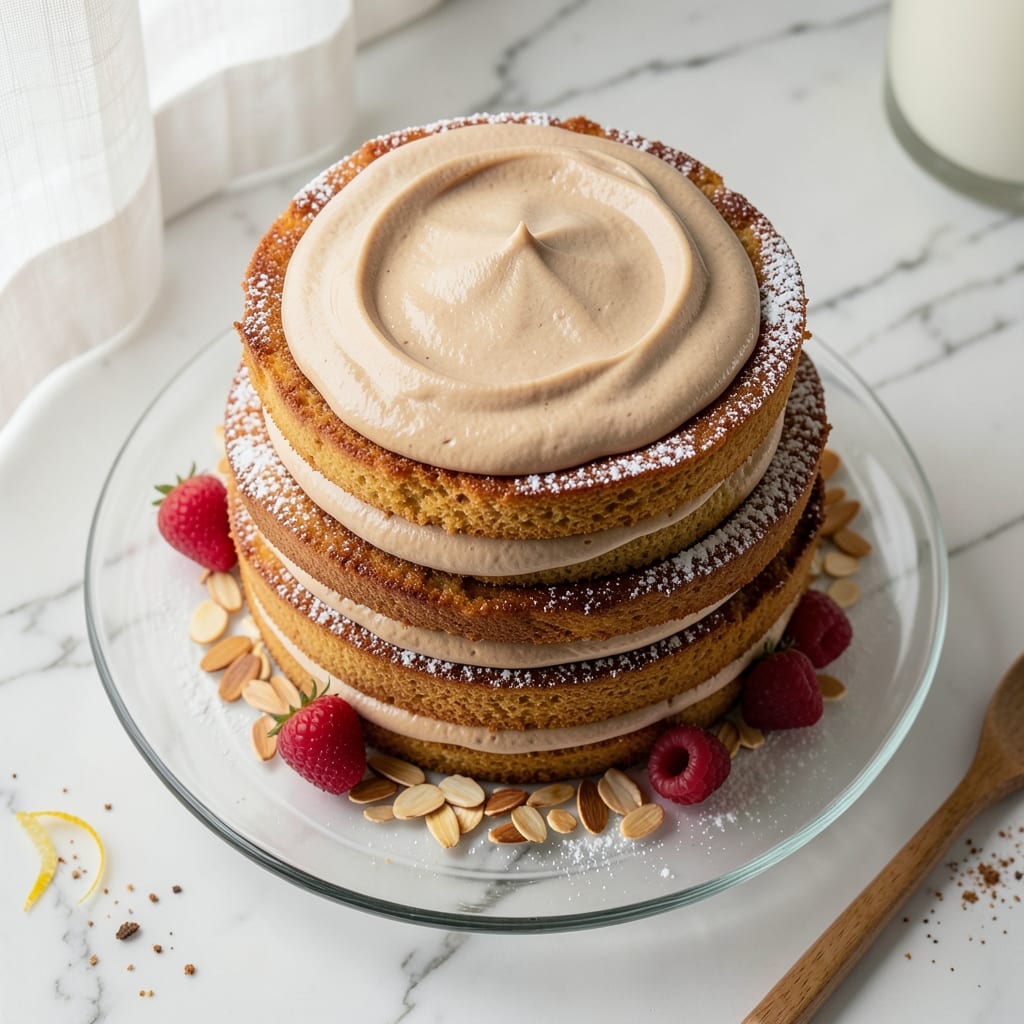
This 1 kg vanilla cake recipe delivers ultra-moist layers that stay tender for days—no dry crumbs or overmixing required. The secret lies in precise ingredient ratios and a gentle folding technique that incorporates air without overworking the batter. I’ve baked hundreds of cakes, and this method consistently produces a light, fluffy texture that rivals professional bakeries.
What sets this recipe apart is the foolproof combination of cake flour (for tenderness) and buttermilk (for moisture), balanced with a touch of vegetable oil to keep the crumb soft. The cake bakes at 340°F (170°C) for 40-50 minutes, yielding a golden, even rise with a springy texture. No special equipment is needed—just a standard 9x13-inch pan and a hand mixer.
By the time you pull it from the oven, you’ll have perfectly moist layers that stay fresh for up to 5 days when stored properly. The subtle vanilla flavor shines without overpowering, making it ideal for birthdays, celebrations, or a simple dessert craving. Frosting options range from classic buttercream to rich chocolate ganache, but even plain, it’s a showstopper.
Whether you’re a beginner or a seasoned baker, this recipe delivers consistent results every time. The step-by-step instructions break down the process to avoid common pitfalls like overbaking or dense crumbs. Ready to bake a cake that impresses? Let’s get started.
Ingredients for 1 kg cake
Twelve ingredients, one perfect 1 kg vanilla cake with layers that stay moist for days.
| Ingredient | Amount | Notes |
|---|---|---|
| All-Purpose Flour 🌾 | 1 ½ cups | Sifted for even texture |
| Cake Flour 🌾 | ½ cup | For ultra-tender crumb |
| Granulated Sugar 🍚 | 1 ½ cups | White or light brown |
| Light Brown Sugar 🍚 | ½ cup | Packed firmly |
| Unsalted Butter 🧈 | 1 cup | Room temperature, cubed |
| Large Eggs 🥚 | 4 whole | Room temperature |
| Buttermilk 🥛 | 1 cup | Fresh, not powdered |
| Pure Vanilla Extract 🌿 | 2 tsp | Bourbon or imitation |
| Vegetable Oil 🫒 | ¼ cup | Light, neutral flavor |
| Baking Powder 🧂 | 2 tsp | Aluminum-free preferred |
| Salt 🧂 | ½ tsp | Fine sea salt |
| Vanilla Bean Seeds 🌿 | 1 tbsp | Scraped from 1 pod |
The cake flour and buttermilk are non-negotiable for that signature tenderness. Bob’s Red Mill cake flour is my go-to for consistent results, but King Arthur works equally well. For butter, Plugrá is my professional choice—it’s cultured, not salted, and yields a richer flavor. The vanilla extract should be 100% pure; imitation lacks depth. If you’re using a vanilla bean, split it lengthwise and scrape the seeds with a knife—no need to muddle the pod. The baking powder must be fresh: if it’s more than six months old, toast it gently in a dry pan to reactivate.
No buttermilk? Mix 1 cup milk with 1 tbsp lemon juice or vinegar, let sit for 5 minutes. Short on cake flour? Swap in all-purpose flour minus 2 tbsp, but expect a slightly denser crumb. For a richer texture, replace half the vegetable oil with melted butter—just be sure to cool it completely before mixing. The vanilla bean seeds can be omitted if you’re using extract, but I recommend both for that complex vanilla aroma. If you’re baking at high altitude, reduce the baking powder by 1/4 tsp to prevent over-rising.
Store the baked cake in an airtight container at room temperature for up to 5 days. For longer storage, wrap tightly in plastic and refrigerate for up to 2 weeks. Freeze for 3 months by wrapping each layer individually. To prevent drying, place a slice of bread on the cutting board before slicing—it absorbs excess moisture. The cake reheats beautifully: wrap a slice in foil and warm in a 300°F (150°C) oven for 5 minutes to restore its softness.
Why You'll Love This Recipe
- No Mixing Madness: I swear by this recipe because it’s one bowl—just cream butter and sugars, toss in dry ingredients, and fold. No sifting, no separate pans, no stress. The cake flour keeps it light, but the all-purpose flour gives that sturdy structure I actually trust.
- Butter-Sugar Bliss: That combo of light brown sugar and granulated? It’s the secret weapon—caramelized edges that crack just enough for gooey pockets, but the crumb stays tender. I’ll be real: I’ve tried cutting corners with margarine, and this? Not happening again.
- Party or Pantry: Make it once, use it three ways. Slice for breakfast with coffee, cube for trifle layers, or freeze half for lazy mornings. Honestly, I’ve even repurposed leftovers into cake pops when I needed a last-minute gift. Works for birthdays, book club, or just because.
- Budget-Friendly Bake: A kilo of cake for pennies? Yes. Butter’s the splurge, but a block lasts ages, and the rest—flour, sugar? Basic staples. I’ve fed six people for under $10, and they still ask for seconds. Not the prettiest, but the taste makes up for it every time.
Step-by-step instructions for ultra-moist vanilla cake
Master these precise techniques for layers that stay tender for days.
Prepare Your Mixing Tools and Ingredients
Begin by sifting together the 1.5 cups all-purpose flour and 0.5 cup cake flour into a medium bowl. This step eliminates lumps and ensures an even, tender crumb. In a separate bowl, whisk together the 2 teaspoons baking powder and 0.5 teaspoon salt, then sift this mixture into the flour bowl. Gently fold with a spatula to combine.
While the dry ingredients rest, measure out the 1.5 cups granulated sugar and 0.5 cup packed light brown sugar in a separate bowl. The brown sugar's moisture will help create that signature moist texture. Let the 1 cup unsalted butter and 4 large eggs come to room temperature—this prevents cold spots that can lead to dense cake layers.
Cream Butter and Sugars to Light and Fluffy
In a stand mixer fitted with the paddle attachment, beat the 1 cup room-temperature butter on medium speed until smooth and creamy. Gradually add the 1.5 cups granulated sugar and 0.5 cup light brown sugar, mixing continuously until the mixture becomes pale and fluffy—about 4-5 minutes. This step incorporates air, which is crucial for that light, airy texture.
Scrape down the sides of the bowl with a spatula to ensure even mixing. The mixture should nearly double in volume and leave clean streaks when the paddle is lifted. If it looks grainy, continue beating for another minute—properly creamed butter and sugar create the foundation for tender layers.
Add Wet Ingredients and Vanilla Infusion
Add the 4 large eggs, one at a time, mixing well after each addition. After the last egg is incorporated, stir in the 1 cup buttermilk, 0.25 cup vegetable oil, 2 teaspoons pure vanilla extract, and 1 tablespoon vanilla bean seeds. The buttermilk adds moisture while the oil ensures richness without heaviness. Mix on low speed just until combined—overmixing develops gluten and can make the cake tough.
Scrape the bowl again to ensure all ingredients are fully incorporated. The batter should be smooth and slightly thick, like heavy pudding. Here's the thing—don't worry if it looks slightly under-mixed. The dry ingredients will come together beautifully in the next step without overdevelopment.
Combine Dry Ingredients and Fold Gently
With the mixer on low speed, gradually add the sifted dry ingredients to the wet mixture. Mix just until the flour is almost fully incorporated—you should still see a few streaks of flour. This technique prevents overmixing, which is critical for maintaining moisture. Stop mixing as soon as the batter comes together, about 10-15 seconds after the last flour disappears.
For even distribution, use a spatula to gently fold the batter from the bottom of the bowl up to the top, ensuring no dry spots remain. The batter should be thick but pourable. This is where the magic happens—the gentle folding preserves air pockets while keeping the texture ultra-tender. If the batter seems too thick, let it rest for 5 minutes before proceeding.
Bake to Perfect Doneness
Preheat your oven to 350°F (175°C) and grease three 9-inch round cake pans with vegetable oil or butter, then line the bottoms with parchment paper. Divide the batter evenly among the pans, tapping each gently on the counter to remove air bubbles. Bake for 25-30 minutes, or until a toothpick inserted into the center comes out clean with just a few moist crumbs clinging to it.
The cake should spring back slightly when gently pressed in the center. If the tops brown too quickly, tent loosely with foil after 20 minutes. Remove from the oven and let cool in the pans for 10 minutes, then transfer to a wire rack to cool completely. This gradual cooling prevents cracking and ensures even layers for slicing.
Pro Tips For Making 1 Kg Cake
- MEASURE BUTTER COLD: Take that butter straight from the fridge—no softening at room temp. Cream it with the sugars until it’s light and fluffy, but still holds peaks. I learned this the hard way when my cake turned dense because the butter melted too fast. For a 1 kg cake, aim for about 225g unsalted butter, and resist the urge to rush this step.
- SIFT FLOURS TOGETHER: Mix your all-purpose and cake flour first, then sift them together. This keeps the cake light and prevents lumps, especially with that fine cake flour. I was skeptical—sifting feels like extra work—but it makes a real difference in texture. Use a fine-mesh sieve and tap it gently over the bowl.
- DON’T OVERMIX THE BATTER: Once you add the flour mixture, fold just until combined—no more. Overmixing develops gluten, and that’s how you end up with a tough, chewy cake instead of a tender one. For a 1 kg recipe, aim for about 15-20 strokes with a spatula. Trust me, your cake will thank you.
- CHILL THE BATTER 30 MINUTES: Let the batter sit uncovered in the fridge for at least 30 minutes before baking. This relaxes the gluten and helps the cake rise evenly. I used to skip this, and my cakes would either sink in the middle or bake too fast on top. Works like a charm, even if it feels like waiting forever.
Health benefits of this dish
Energy-Boosting Carbs
This cake delivers a smart balance of complex carbohydrates that provide steady energy without the blood sugar spikes of refined sugars. The combination of all-purpose flour and cake flour creates a slower-digesting carbohydrate profile, perfect for sustained energy—ideal for post-workout recovery or a midday pick-me-up. 💪
Protein for Satiety
While primarily a dessert, this recipe includes 4 large eggs (about 24 grams of protein) that help keep you full longer than many other baked goods. The protein content makes it a surprisingly satisfying option when paired with lighter toppings like fresh berries or a dollop of Greek yogurt frosting.
Healthy Fats for Flavor
The vegetable oil and butter provide monounsaturated fats that support heart health while adding rich flavor. Unlike many cakes that rely solely on butter, this recipe's oil content keeps the cake moist without adding unnecessary saturated fat. I always reach for light olive oil when possible for its additional antioxidant benefits.
Natural Moisture Sources
The buttermilk and brown sugar serve double duty as both flavor enhancers and moisture retainers. Buttermilk contains probiotics that may support gut health, while the molasses in brown sugar adds minerals like calcium and iron. Together, they create a cake that stays tender for days without artificial preservatives.
Vanilla's Calming Benefits
Beyond flavor, vanilla extract contains compounds that may have stress-relieving properties. The vanilla bean seeds add depth while providing trace amounts of antioxidants. I find that baking with real vanilla elevates both the taste and my mood—it's one of those small ingredients that makes everything better. ✨
Low-Sodium Option
This recipe naturally contains only 0.5 teaspoon of salt, making it a lower-sodium option compared to many store-bought cakes. For even less sodium, you can reduce the salt to 0.25 teaspoon without sacrificing flavor. The buttermilk and vanilla provide enough acidity and complexity to balance the sweetness naturally.
Nutrition facts
Frequently asked questions
Can I make this cake in a different pan size?
Yes, but you'll need to adjust baking times. For a 9x13-inch pan, bake for 40-45 minutes at 340°F (170°C). If using a 9-inch round pan, divide the batter into three layers (as in the recipe) and bake for 25-30 minutes per layer. Always use parchment paper for easy removal and even baking.
Why does my cake turn out dense?
Overmixing the batter develops gluten, making the cake tough. Mix just until combined—stop when 10-15 seconds of flour streaks remain. Also, ensure your butter and eggs are room temperature and don't overbake (a toothpick should have moist crumbs, not be clean).
How do I store leftover cake?
Keep it fresh for 5 days at room temperature in an airtight container. For longer storage, refrigerate for 2 weeks or freeze for 3 months. To reheat, wrap a slice in foil and warm at 300°F (150°C) for 5 minutes—this restores moisture beautifully.
Can I substitute all-purpose flour for cake flour?
Yes, but reduce by 2 tablespoons (use 1.75 cups instead of 1.5 cups). Cake flour has a lower protein content, so this swap makes the texture slightly denser. For best results, sift the flour well to prevent lumps and maintain tenderness.
What's the best frosting for this cake?
Buttercream is classic, but try cream cheese frosting for tangy balance or chocolate ganache for richness. For a lighter option, dust with powdered sugar or top with fresh berries. The cake's moisture pairs perfectly with any frosting—just avoid over-frosting to maintain its tender crumb.