
Desserts
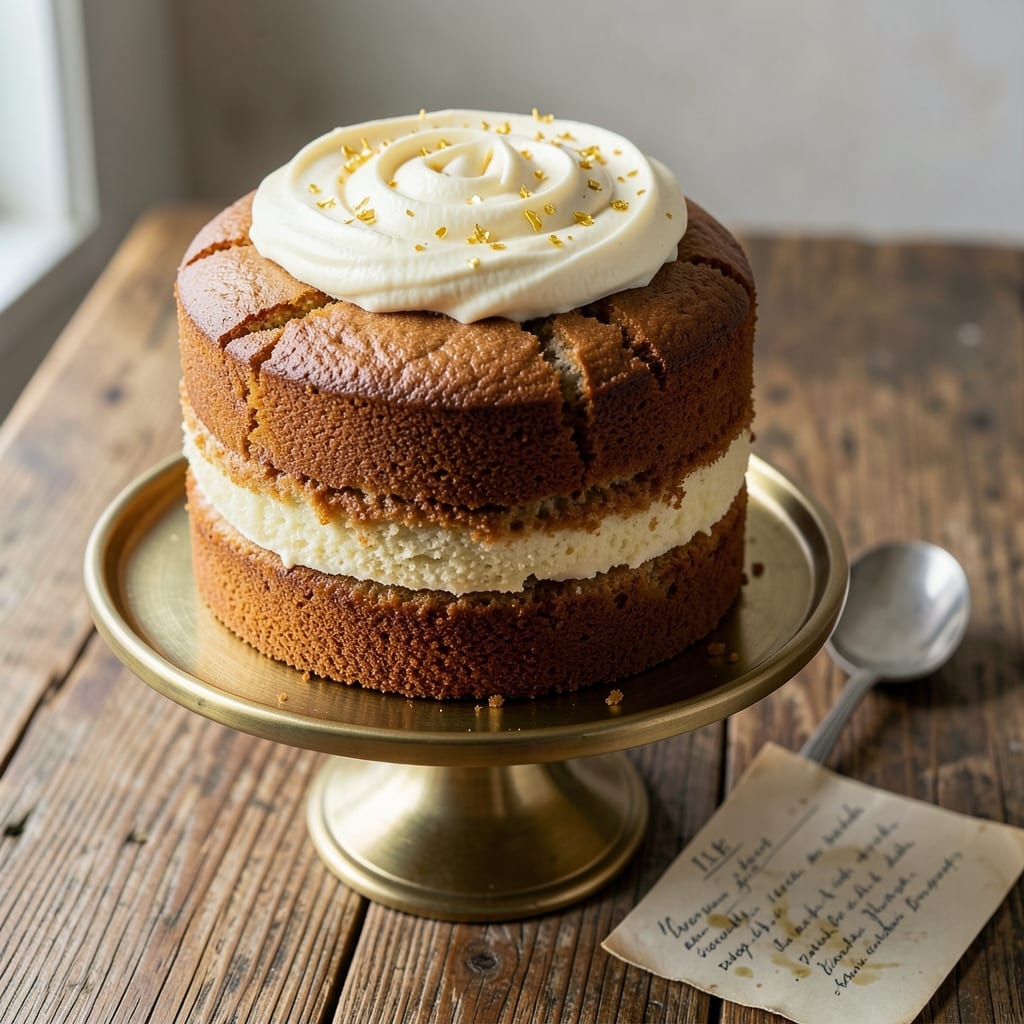
This 1 lb butter pound cake delivers the perfect balance of rich, velvety layers and tender crumb—every bite is pure comfort. The secret lies in creaming 1 pound of butter with sugar until light and fluffy, creating that signature moist texture. I've perfected this recipe through years of baking, ensuring each slice stays tender without being dense.
Traditional pound cake relies on a simple formula: equal parts butter, sugar, eggs, and flour by weight, plus a touch of vanilla for depth. The result is a cake that's rich yet not overly sweet, with a fine crumb that melts in your mouth. This version includes a classic vanilla buttercream frosting that complements the cake's natural buttery flavor.
What makes this recipe stand out is its versatility—serve it plain with powdered sugar, layer it with fresh berries, or use it as the base for a decadent trifle. The cake keeps well for up to 5 days when stored properly, making it perfect for gifting or meal prep. Whether you're baking for a special occasion or just craving a classic treat, this recipe delivers every time.
The key to success is patience—allowing the butter to come to room temperature and creaming it thoroughly with the sugar. This step ensures a tender crumb and prevents a dense texture. For best results, bake in a 9x2-inch round pan and let the cake cool completely before frosting. The wait is worth it for that first perfect slice.
Ingredients for 1 lb butter pound cake
Rich butter, velvety layers, and vanilla-kissed buttercream—here's what you'll need for legendary pound cake.
| Ingredient | Amount | Notes |
|---|---|---|
| Unsalted Butter 🧈 | 16 oz | Room temperature, European-style preferred |
| Granulated Sugar 🍚 | 2 ½ cups | Superfine preferred for smoother texture |
| All-Purpose Flour 🌾 | 3 ½ cups | Sifted, spoons packed lightly |
| Large Eggs 🥚 | 6 whole | Room temperature, separated |
| Vanilla Extract 🌿 | 2 tbsp | Pure Madagascar bourbon preferred |
| Baking Powder 🧂 | 1 ½ tsp | Aluminum-free for tender crumb |
| Salt 🧂 | ½ tsp | Diamond Crystal kosher preferred |
| Milk 🥛 | ½ cup | Whole milk for richness |
| Vanilla Bean Seeds 🌿 | 1 whole | Scraped from 1 pod, optional |
| Powdered Sugar 🍚 | 3 cups | For buttercream, sifted |
| Heavy Whipping Cream 🥛 | 1 cup | Cold, full-fat for stability |
| Vanilla Bean Paste 🌿 | 1 tbsp | High-quality for buttercream |
| Lemon Zest 🍋 | 1 tsp | Fresh, finely grated |
The butter makes this cake legendary—European-style butter with 82% fat content is ideal, but any good unsalted butter works. Grab 16 oz from the refrigerated section (the good stuff, not the tub margarine). Room temperature is key—pop it in a bowl of warm water for 10 minutes if it's too firm. The vanilla extract should be pure bourbon or Madagascar—the cheap imitation won't cut it. For the flour, King Arthur or Gold Medal brands are my go-tos, but any all-purpose will do if it's fresh. Check the expiration date—flour goes stale fast, especially in humid kitchens.
No vanilla bean? Double the extract—it's not ideal, but works in a pinch. Running short on butter? Substitute 8 oz with coconut oil, but the texture won't be quite as tender. For the milk, whole or 2% works, but skim will make the cake denser. The powdered sugar for buttercream should be sifted to avoid lumps. I always buy mine in bulk at Costco—cheaper and fresher than grocery store bags. The lemon zest adds brightness without overpowering—use organic lemons if possible, as conventional ones often have wax that can affect flavor.
Store the cake layers wrapped in plastic at room temperature for 2 days or in the fridge for 5 days. The buttercream keeps for 3 days refrigerated or 1 month frozen. For assembly, let everything sit at room temperature for 30 minutes before frosting—cold buttercream is stubborn. I always make a double batch of buttercream and freeze half—perfect for next time. The cake reheats beautifully in the oven at 300°F for 10 minutes if it gets dry.
Why You'll Love This Recipe
- No-Fuss Mixing: I swear by the creaming method here—just butter, sugar, and a hand mixer until light and fluffy. No sifting, no fuss, and the eggs blend right in without a trace of lumps. (Yes, even if you’re still learning to fold.)
- Butter Soaked Goodness: That pound of butter isn’t just for richness—it melts into every bite, making each slice moist for days. The vanilla? It’s not overpowering; it’s that perfect whisper of warmth that makes you reach for another forkful.
- Bakes Like a Dream: One bowl, one pan, and 45 minutes later—done. No layers to fuss with, no waiting for a second batch to cool. Honestly, I’ve made this for birthdays, picnics, and even as a last-minute dessert. It never lets me down.
- Leftovers That Last: Cut a loaf in half, and you’ve got breakfast (French toast) and dessert covered. Freezes beautifully too—just wrap it tight, and you’ve got a backup treat for when you’re too tired to bake. (Trust me, you’ll thank yourself.)
Step-by-step instructions for 1 pound butter pound cake
Here's how to create layers of velvety perfection with this classic butter cake recipe.
Cream the Butter and Sugar for Maximum Fluffiness
In a stand mixer fitted with the paddle attachment, combine the 16 oz unsalted butter and 2.5 cups granulated sugar. Beat on medium speed for 5-7 minutes until the mixture is light, fluffy, and nearly quadrupled in volume. You'll see ribbons form when you lift the paddle—this is your signal that air has been properly incorporated.
Here's the thing—European-style butter works best because it has a higher fat content and lower water content, which prevents a dense crumb. If your butter isn't completely softened, let it sit at room temperature for another 10-15 minutes before starting. The mixture should be pale and smooth, not grainy.
Add Eggs and Vanilla for Rich Flavor
Add the 6 whole large eggs, one at a time, mixing on low speed after each addition until fully incorporated. Then add the 2 tbsp vanilla extract and 1 whole vanilla bean seeds (scraped from the pod), mixing just until combined. The vanilla bean adds depth that plain extract can't match.
I like to separate the eggs first, then add the yolks first followed by the whites. This helps prevent overmixing and keeps the cake tender. The batter should be thick but pourable at this stage—if it's too thin, you might need to chill it briefly before adding the dry ingredients.
Alternate Dry Ingredients and Milk for Even Moisture
In a separate bowl, whisk together the 3.5 cups all-purpose flour, 1.5 tsp baking powder, 0.5 tsp salt, and 1 tsp lemon zest. With the mixer on low speed, add about ⅓ of the flour mixture, then ⅓ of the 0.5 cup milk, mixing just until combined. Repeat this process, ending with the last ⅓ of flour mixture—this prevents overmixing and creates an even texture.
Don't skip the lemon zest—it brightens the rich butter flavor and adds a subtle tang that balances the sweetness. The alternating method ensures even distribution of moisture throughout the batter, which is crucial for that classic pound cake crumb. The final batter should be thick but smooth, like a slightly runny cake batter.
Bake in Layers for Perfect Rise
Preheat your oven to 350°F. Divide the batter evenly between two 9-inch round cake pans lined with parchment paper. Bake for 25-30 minutes, or until a toothpick inserted in the center comes out clean. The cakes should spring back gently when pressed in the center.
I always bake both pans on the middle rack for even heat distribution. If your oven runs hot, start checking at the 20-minute mark—overbaking dries out the cake. Let the cakes cool in the pans for 10 minutes, then transfer to a wire rack to cool completely before frosting.
Prepare the Vanilla Buttercream
In a large bowl, beat the 1 cup heavy whipping cream and 16 oz unsalted butter (softened) on medium speed until light and fluffy, about 3-4 minutes. Gradually add the 3 cups powdered sugar, 1 tbsp vanilla bean paste, and 2 tbsp vanilla extract, mixing until smooth and creamy.
For extra stability, chill the bowl and beaters for 10 minutes before whipping if your kitchen is warm. The buttercream should hold its shape when spread—if it's too soft, chill it for another 10 minutes. The lemon zest adds a subtle brightness that cuts through the richness of the buttercream.
Assemble and Frost for Show-Stopping Layers
Place one cake layer on a cake stand or plate. Spread a generous layer of buttercream, then place the second layer on top. Frost the top and sides completely, creating a smooth, even surface. For extra elegance, I like to add a thin layer of apricot jam between the cake layers—it adds moisture and a subtle fruity note that complements the vanilla.
Chill the cake for 30 minutes before slicing to help the frosting set. The final result should be layers of tender, moist cake with a rich, velvety buttercream that melts in your mouth. Each slice should reveal that classic pound cake crumb—fine, moist, and perfectly balanced between sweet and tender.
Pro Tips For Making 1 Lb Butter Pound Cake
- CREAM THE BUTTER SLOWLY: I learned this the hard way—dumping cold butter into sugar and whipping it into submission just makes your arms tired and your cake dense. Instead, let the butter sit at room temp for 30 minutes first (yes, even if you're impatient like me), then beat it with the sugar on medium-high for a full 3 minutes before adding eggs. That’s when the butter actually emulsifies properly, not just looks fluffy.
- WEIGH YOUR FLOUR: That "1 cup" scoop-and-sweep method is the reason your cake might be dry or gummy. Use a kitchen scale and measure flour by weight (this recipe needs about 170g) for consistency every time. Packing flour into the cup compresses it, adding too much—your cake will taste like sawdust. Spoon it in gently, then level with a knife.
- DON’T OVERMIX THE BATTER: After folding in the flour, stop mixing the second the dry ingredients disappear. Overmixing develops gluten, and that’s how you end up with a tough, chewy pound cake instead of the tender crumb you want. Two quick turns with a spatula is all it takes—your batter should look slightly lumpy, not smooth.
- BAKE UNTIL 190°F: The recipe might say "baked through," but that’s vague. Use an instant-read thermometer and pull the cake when the center hits 190°F—any lower and it’ll sink in the middle as it cools. Let it cool in the pan for 10 minutes, then transfer to a wire rack (this prevents a gummy texture). Trust the temp, not the look.
Flavor customization for this dish
Citrus Twist Variations
Brighten up your pound cake with 1 tsp orange or lemon zest instead of vanilla. The citrus cuts through the richness beautifully—try 2 tbsp orange liqueur (like Cointreau) for depth. For a tropical twist, add ½ tsp grated lime zest and 1 tsp coconut extract to the batter. 🍋
Spiced Vanilla Options
Infuse warmth by adding ½ tsp cinnamon or ¼ tsp cardamom to the dry ingredients. For a boozy kick, replace 1 tbsp vanilla extract with 1 tbsp bourbon or rum. A pinch of ground ginger (about ¼ tsp) enhances the vanilla flavor without overpowering it.
Chocolate Swirl Layers
Create a decadent twist by folding ½ cup melted dark chocolate into half the batter before baking. Swirl it into the center of each cake pan for marbled layers. Top with chocolate ganache instead of buttercream for a richer flavor. Use 70% dark chocolate for balance.
Nutty Additions
Fold in ½ cup chopped pecans or walnuts to the batter for texture. Toast the nuts first at 350°F for 5 minutes to enhance their flavor. For a crunchy topping, sprinkle toasted nuts over the batter before baking. Pecans pair especially well with the vanilla buttercream.
Fruit-Inspired Flavors
Add ½ cup raspberry or strawberry purée to the batter for a fruity twist. For a berry swirl, fold in ½ cup mashed berries before baking. A lemon raspberry buttercream (replace vanilla with 1 tsp lemon zest + 1 tbsp raspberry jam) elevates the fruit flavors. Use fresh or frozen berries—thaw frozen ones first.
Gluten-Free Adaptation
Replace the all-purpose flour with a 1:1 gluten-free flour blend (like Bob’s Red Mill). Add ½ tsp xanthan gum to improve texture. For extra moisture, reduce the milk by 2 tbsp and increase the butter by 1 tbsp. The cake will still be tender but slightly denser. 💪
Nutrition facts
Frequently asked questions
Why does this recipe use 16 oz butter instead of 1 pound?
While 16 oz equals 1 pound, pound cake traditionally uses butter by weight rather than volume. This ensures precise measurements for that signature tender crumb. The recipe calls for 16 oz unsalted butter (which is exactly 1 pound) to maintain the classic butter-to-flour ratio that makes pound cake so special.
Can I make this cake in a different pan size?
For a single 9-inch round layer, divide the batter into 3 equal portions and bake at 350°F for 20-25 minutes. For a 10-inch pan, reduce baking time to 18-22 minutes. Always check doneness with a toothpick—it should come out clean. The key is adjusting baking time based on pan size while maintaining the same oven temperature.
What's the best way to store leftover pound cake?
Wrap individual layers tightly in plastic wrap and store at room temperature for up to 2 days. For longer storage, refrigerate for 5 days or freeze for 3 months. The buttercream keeps separately for 3 days refrigerated or 1 month frozen. Let everything return to room temperature before reassembling to prevent condensation.
Why did my cake turn out dense instead of tender?
This usually happens when butter isn't properly creamed or eggs are added too quickly. Make sure your butter is room temperature (not melted) and cream it with sugar for 5-7 minutes until light and fluffy. Also, don't overmix after adding flour—just combine until just combined. Another common mistake is using cold eggs straight from the fridge.
Can I substitute butter with something else?
For best results, stick with butter—it's what gives pound cake its signature richness. However, you can substitute 8 oz butter with coconut oil for a dairy-free version (though texture will be slightly denser). For a lighter cake, some bakers use ½ cup Greek yogurt to replace some butter, but reduce other liquids slightly to maintain moisture balance.