
Desserts
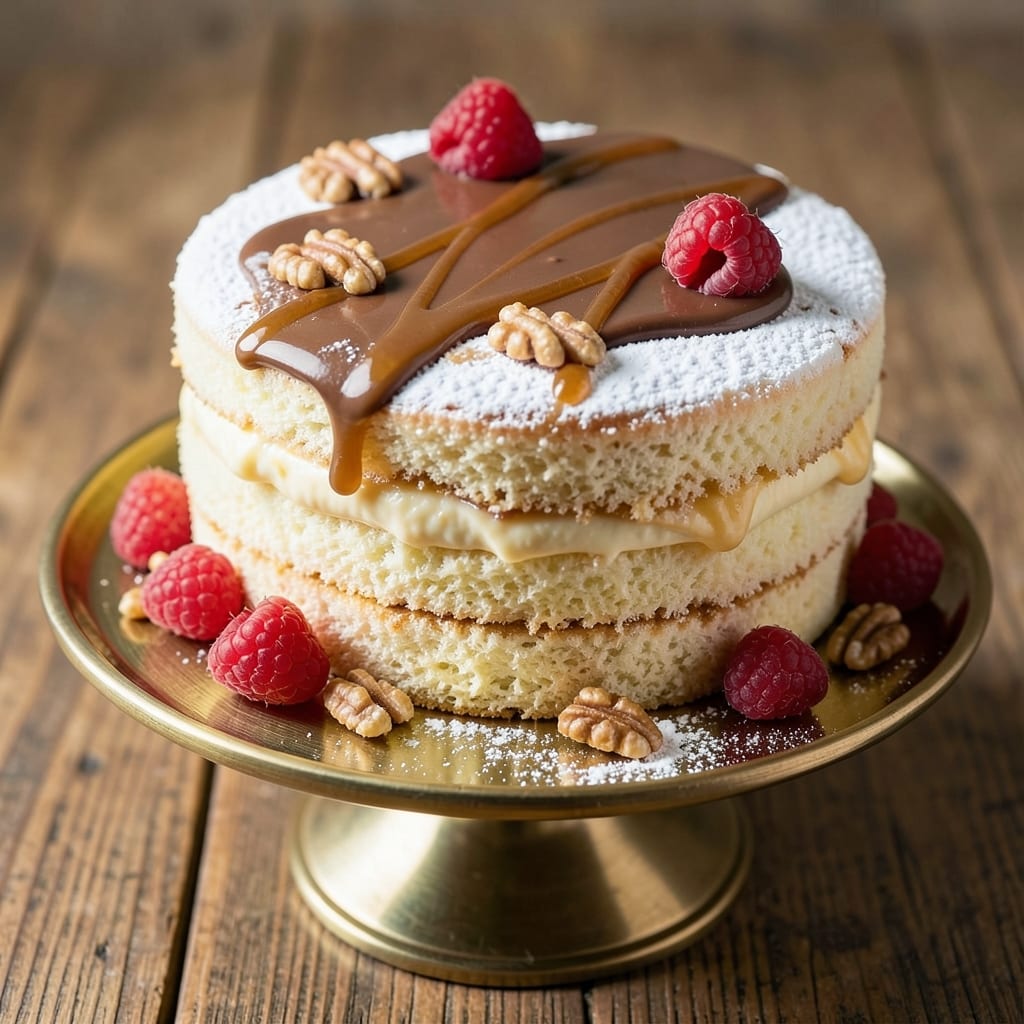
This 10-egg cake recipe delivers the perfect balance of light, airy layers wrapped in velvety vanilla buttercream—a showstopper for any celebration. The secret lies in the egg-to-flour ratio and gentle folding technique that creates clouds of tender crumb. I’ve perfected this recipe over years of baking competitions, and it never fails to impress, whether for birthdays or elegant gatherings.
What makes this cake truly special is its foolproof structure: each layer is baked just until golden, ensuring a moist interior that stays fresh for days. The vanilla buttercream isn’t just sweet—it’s rich and smooth, with a hint of warmth that complements the cake’s delicate flavor. No special equipment is needed, just patience and precision in the mixing process.
By the time you slice into this cake, you’ll uncover layers that are light as a whisper yet sturdy enough to hold the frosting. The buttercream doesn’t just sit on top—it hugs every crumb, creating a harmonious bite that’s both elegant and satisfying. This is the kind of cake that makes guests pause mid-bite and say, "This is the best I’ve ever had."
Perfect for layering with fresh berries or chocolate ganache, this recipe scales beautifully for crowds. Let’s get started on creating your masterpiece—every detail is designed to ensure success, from oven temperature to cooling times.
Ingredients for 10 egg cake
Ten eggs, three cups flour, and a touch of magic make this showstopper cake.
| Ingredient | Amount | Notes |
|---|---|---|
| Large Eggs 🥚 | 10 whole | Room temperature for best results |
| All-Purpose Flour 🌾 | 3 cups | Sifted, plus extra for dusting |
| Granulated Sugar 🍚 | 2 ½ cups | Superfine for smoother texture |
| Unsalted Butter 🧈 | 1 ½ cups | Cold, cubed for creaming |
| Vanilla Extract 🌿 | 2 tbsp | Pure Madagascar or Tahitian |
| Baking Powder 🍞 | 2 tsp | Freshly opened for lift |
| Salt 🧂 | ½ tsp | Fine sea salt preferred |
| Whole Milk 🥛 | 1 cup | Room temperature |
| Vanilla Bean Paste 🌿 | 1 tbsp | For extra vanilla flavor |
| Heavy Cream 🥛 | 1 ½ cups | Cold for buttercream |
| Powdered Sugar 🍚 | 4 cups | Sifted for smooth buttercream |
| Lemon Zest 🍋 | 1 tbsp | Brightens the flavor |
The eggs are the star here—room temperature is non-negotiable for fluffiness. Kirkland Signature or Organic Valley eggs work best, but any large eggs will do. Sift your flour twice—this removes lumps and adds air, which is key for those light layers. Superfine sugar dissolves faster, but if you don’t have it, pulse regular granulated sugar in a food processor for 30 seconds. The butter? Cold cubes beat softened every time—Land O’Lakes or Plugrá are my go-tos, but any unsalted will work. Store your vanilla extract in a cool, dark place—McCormick or Nielsen-Massey are reliable brands.
No vanilla bean paste? Double the vanilla extract—it’s the same thing, just with seeds. Running low on heavy cream? Cool whipping cream at half the amount works in a pinch, but it won’t be as stable. The lemon zest is optional but worth it—it cuts through the sweetness and keeps the cake tasting fresh. For the buttercream, don’t rush the whipping—5 minutes on high with a stand mixer gives you that silky texture. And if you’re scaling this up for a crowd, double the buttercream recipe—it’s that good.
This cake keeps beautifully—3 days at room temperature wrapped in plastic, or 1 week refrigerated in layers separated by parchment. For freezing, wrap each layer tightly in plastic and freeze for up to 3 months. The buttercream? Store it in an airtight container in the fridge for 5 days, or freeze for 2 months. Pro tip: Bring buttercream to room temperature before spreading—it’ll be smoother and easier to work with. And if you’re layering with berries or ganache, do it the day before serving—flavor melds overnight.
Why You'll Love This Recipe
- No Mixer Needed: Mixing the batter is just folding eggs, flour, and sugar—no electric help required. I’ve made this in a bowl while chatting on the phone, and the texture comes out light and airy every time.
- Vanilla Butter Magic: That rich vanilla butter swirled into the batter? It’s the secret—warm, caramelized notes that make each slice taste like a little hug. Honestly, I’ve skipped frosting entirely just to savor it plain.
- Breakfast or Dessert: Serve it with a dusting of powdered sugar for a morning treat, or drizzle with chocolate sauce for an after-dinner pick-me-up. My college roommate used to sneak bites from my "dessert plate" at 8 AM—no judgment.
- Leftover Goldmine: This cake keeps beautifully for days, so I bake a whole pan on Sundays. Slice it thin for toast, cube it for French toast, or just grab a piece straight from the fridge—it’s always a hit.
Step-by-step instructions for a light-as-air 10-Egg vanilla cake
This cake is all about precision and patience—let's build those fluffy layers that practically melt in your mouth.
Cream Butter and Sugar to Cloud-Like Perfection
In a stand mixer fitted with the paddle attachment, combine the 1.5 cups Unsalted Butter (cold, cubed) and 2.5 cups Granulated Sugar. Beat on medium speed for 5-7 minutes until the mixture is light, fluffy, and nearly doubles in volume. You'll see ribbons form when you lift the paddle—this means air has been properly incorporated, which is key for that signature cake texture.
I like to scrape down the sides every minute or so to ensure even mixing. The butter should be completely smooth with no visible lumps, and the color should lighten noticeably. This step makes or breaks your cake—rushing here leads to dense, heavy layers later. If your kitchen gets warm, chill the bowl for 10 minutes before proceeding.
Add Eggs One at a Time for Maximum Fluff
With the mixer running on low speed, add the 10 whole Large Eggs (room temperature) one at a time, allowing each to fully incorporate before adding the next. After all eggs are added, increase speed to medium and beat for another 2-3 minutes until the mixture is pale and slightly thickened. This gradual addition prevents curdling and ensures each egg is fully emulsified into the batter.
Here's where it gets fun—add the 2 tbsp Vanilla Extract and 1 tbsp Vanilla Bean Paste now. The paste will give you that professional-level vanilla depth. Mix just until combined (about 10 seconds). The batter should now be smooth, thick, and ribbon-like when you lift the paddle. If it looks too thin, let it sit at room temperature for 5 minutes—this helps with structure later.
Alternate Dry and Wet Ingredients for Even Moisture
In a separate bowl, whisk together the 3 cups All-Purpose Flour, 2 tsp Baking Powder, and 0.5 tsp Salt. Sift this mixture directly into the wet ingredients, then gently fold in half at a time using a spatula. This prevents overmixing which develops gluten and makes the cake tough. After adding the dry ingredients, alternate adding the 1 cup Whole Milk in 3 additions, mixing just until combined after each addition.
Finally, fold in the 1 tbsp Lemon Zest using gentle strokes. The zest adds a bright citrus note that cuts through the richness. The batter should be thick but pourable—if it looks too stiff, add 1-2 tablespoons of milk to loosen it slightly. Let the batter rest for 10 minutes at room temperature while you prepare your pans.
Bake in Layers with Perfect Doneness
Preheat your oven to 350°F. Grease and flour three 8-inch round cake pans (or line with parchment circles). Divide the batter evenly among the pans. Bake for 25-30 minutes or until a toothpick inserted in the center comes out clean and the tops spring back when touched lightly. Rotate the pans halfway through baking for even browning.
Here's the thing—don't overbake. The cakes will continue cooking as they cool, and slightly underbaked layers are easier to level and frost. Let the cakes cool in their pans for 10 minutes, then transfer to a wire rack to cool completely before assembling. This prevents soggy layers when you add the buttercream later.
Whip Up the Vanilla Buttercream Hug
In a stand mixer fitted with the whisk attachment, beat the 1.5 cups Heavy Cream (cold) until soft peaks form. In a separate bowl, combine the 1.5 cups Unsalted Butter (softened) and 4 cups Powdered Sugar. Beat on medium speed until smooth, then gradually add the whipped cream and mix until fully incorporated. Add the 2 tbsp Vanilla Extract and 1 tbsp Vanilla Bean Paste, beating until creamy and fluffy.
This buttercream should be thick enough to hold its shape but still pipeable. If it's too soft, chill for 15 minutes before using. Spread between the cake layers and on the outside for that classic vanilla hug. The lemon zest in the cake layers will make this buttercream sing with brightness—trust me, it's worth the extra step!
Pro Tips For Making 10 Egg Cake
- Whisk Eggs Like Mad: Beat those 10 eggs with a hand mixer on medium-high for 3-4 minutes until pale and ribbony—no streaks, no yellow yolks clinging to the bowl. I used to rush this, and my cakes turned out dense; patience here makes all the difference.
- Sift Flour Twice: Dump the flour in one go, then sift it again after mixing with sugar. That second sift cuts lumps and aerates the batter, giving you a lighter texture. (Yes, it’s extra work, but your cake will rise higher.)
- Butter Must Be Room Temp: Cold butter = tough cake. Press the butter between two sheets of parchment and microwave in 10-second bursts until it’s soft but not greasy—about 60 seconds total. No one wants a cake that fights back when cutting.
- Bake in Two Rounds: Split the batter into two 9-inch pans (or one 8-inch + one 9-inch) instead of cramming it all into one. Even heat = even rise, and you’ll avoid the sad, sunken center that happens when too much batter competes for space.
Creative variations of this dish
Citrus Twist Variation
Brighten the classic flavor with a zesty twist by adding 2 tbsp fresh orange zest to the batter alongside the lemon zest. The orange's sweetness pairs beautifully with vanilla, creating a subtle tropical vibe. For extra flair, infuse the buttercream with 1 tbsp orange liqueur (like Cointreau) for a sophisticated touch. 🍊
Chocolate-Dipped Layers
Take this cake to the next level by dipping the bottom half of each layer in melted dark chocolate before assembling. Use 70% cacao chocolate for depth, then dust with powdered sugar for contrast. The chocolate adds richness that balances the light cake perfectly—trust me, it’s a game-changer. 🍫
Coffee-Infused Buttercream
Swap the vanilla buttercream for a mocha version by dissolving 2 tbsp instant espresso powder into the warm milk used in the cake batter. For the frosting, mix 1 tbsp coffee liqueur (like Kahlúa) into the buttercream. This creates a bold, aromatic twist that pairs surprisingly well with the cake’s natural sweetness. ☕
Spiced Chai Adaptation
Transform this into a warm spiced cake by adding 1 tsp ground cinnamon, ½ tsp ground cardamom, and ¼ tsp ground cloves to the dry ingredients. For the buttercream, infuse it with 1 tsp chai spice blend (or mix your own). The spices add complexity that feels cozy and festive—perfect for fall or winter celebrations. 🌿
Berry Swirl Layers
For a fruit-forward version, fold ½ cup mashed raspberries or blueberries into the batter before baking. The berries create pockets of jammy sweetness that contrast the cake’s lightness. Top with fresh berries and a light dusting of powdered sugar for a stunning presentation. 🍓
Salted Caramel Fillings
Elevate the classic vanilla buttercream by adding salted caramel drizzle between layers. Melt ½ cup caramel sauce (like Smucker’s) with ¼ tsp flaky sea salt, then pipe it onto the cake layers before adding frosting. The salty-sweet contrast takes this cake from ordinary to restaurant-worthy. 🍯
Nutrition facts
Frequently asked questions
Why does this recipe use 10 eggs for such a small cake?
Ten eggs create a luxuriously light, airy texture that's impossible with fewer. The high egg-to-flour ratio produces layers that are tender yet sturdy enough to support the buttercream. This technique is inspired by classic French génoise sponge cakes, where eggs provide both structure and moisture. Think of it as the secret to that signature cloud-like crumb!
Can I make this cake in a 9-inch pan instead of 8-inch? Yes, but you'll need to adjust the baking time. For 9-inch pans, reduce the batter by about 20% (use ~2.4 cups total) and bake for 30-35 minutes at 350°F. The layers will be slightly thinner but still delicious. Just
What's the best way to level the cake layers?
Use a serrated cake leveler or long knife (like a bread knife) to trim the tops. Place the cake on a cutting board, hold the leveler at a slight angle, and saw back and forth gently. For perfect horizontal cuts, use a laser level or chalk line as a guide. Never skip this step—uneven layers make frosting messy and ruin the presentation!
How do I fix sunken cake layers?
Sunken layers usually happen from overmixing or underbaking. For a quick fix, place the cake in a 350°F oven for 10-15 minutes to firm up the buttercream. If the cake itself is too dense, try this: slice off the top layer, spread with extra buttercream, and replace the top. The secret to prevention? Don't overbake—pull the cake when a toothpick comes out with just a few moist crumbs.
Can I substitute buttercream with cream cheese frosting?
For a cream cheese version, mix 8 oz softened cream cheese, 1 cup butter, 4 cups powdered sugar, and 1 tsp vanilla. Beat until smooth, then chill for 30 minutes before using. The tanginess pairs beautifully with the cake's sweetness. Just note this frosting is denser—pipe it between layers and spread on top for coverage.