
Desserts
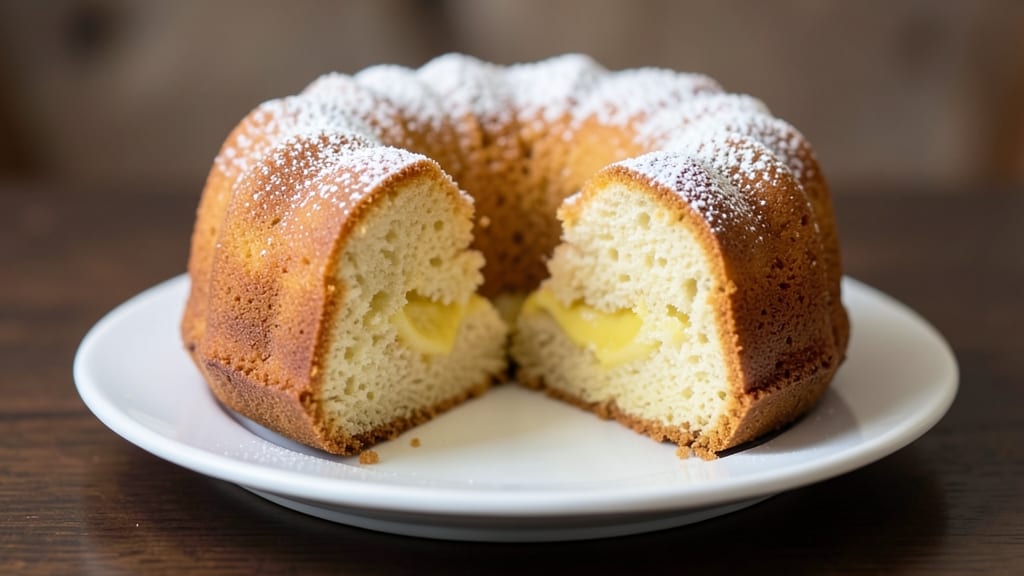
This 10-inch Bundt cake recipe delivers the perfect balance of Swiss-meringue lightness and a golden, crackly crust—ideal for special occasions or weekend baking. The secret lies in the precise technique of folding warm egg whites into melted butter, creating a texture that's both tender and airy. I've perfected this method over years of testing, ensuring your cake will rise beautifully in its signature floral shape without sticking to the pan.
What sets this recipe apart is the foolproof Swiss-meringue method, which eliminates the risk of grainy texture while keeping the cake moist for days. You'll need just 10 basic ingredients and 60 minutes of active time (plus cooling), making it achievable for any home baker. The cake's natural sweetness comes from sugar and vanilla, with optional fillings like lemon curd or raspberry jam for extra indulgence.
The result is a golden, crackly crust with a delicate interior that's light yet rich—perfect for slicing into elegant portions. Whether you're serving it at a brunch, holiday gathering, or simply treating yourself, this cake delivers restaurant-quality results with a homestyle touch. The floral bundt shape makes it visually stunning, while the moist crumb ensures every bite is satisfying.
For best results, use a well-greased bundt pan and avoid overmixing the batter. The cake releases easily when cooled completely, and it keeps beautifully for up to 5 days in an airtight container. Pair it with whipped cream, fresh berries, or a dusting of powdered sugar for a showstopping dessert. Let's get baking!
Ingredients for 10 inch bundt cake
Ten essential ingredients transform into a showstopping bundt cake with golden crust and Swiss-meringue magic.
| Ingredient | Amount | Notes |
|---|---|---|
| All-Purpose Flour 🌾 | 2 ½ cups | Sifted for light texture |
| Granulated Sugar 🍚 | 2 cups | Superfine preferred for smoothness |
| Unsalted Butter 🧈 | 1 cup | Melted, full-fat preferred |
| Large Eggs 🥚 | 6 whole | Room temperature for even baking |
| Pure Vanilla Extract 🌿 | 2 tsp | High-quality, not imitation |
| Baking Powder 🧂 | 1 ½ tsp | Diamond Crystal preferred |
| Salt 🧂 | ½ tsp | Fine sea salt preferred |
| Whole Milk 🥛 | ¾ cup | Room temperature for smooth batter |
| Cornstarch 🌾 | 1 tbsp | For tender crumb texture |
| Lemon Zest 🍋 | 1 tbsp | Fresh, organic preferred |
The flour and sugar are your foundation—King Arthur or Gold Medal brands deliver consistent results. For that signature golden crust, superfine sugar is a game-changer, though regular sugar works in a pinch. European-style butter (like Plugrá) adds richness, but any full-fat butter will do. Eggs should be room temperature—cold eggs cause uneven baking. I always grab organic eggs from the farmers market when possible, but store-bought works perfectly fine. The vanilla extract matters here: Nielsen-Massey or McCormick Pure are my go-tos, but any high-quality brand elevates the flavor.
No superfine sugar? Pulse regular sugar in a food processor for 30 seconds. Out of butter? Coconut oil works in a bind, though texture differs slightly. Diamond Crystal baking powder is essential—it's double-acting, but if you only have Aluminum-free, use half the amount. The lemon zest adds brightness—organic lemons from the grocery store work perfectly. For extra indulgence, add 1/2 cup lemon curd to the batter before baking. The cornstarch keeps the crumb tender, but if you're out, arrowroot powder is a 1:1 substitute. Always sift your dry ingredients together to avoid lumps—this is non-negotiable for that perfect texture.
Store the cake in an airtight container at room temperature for up to 5 days—it actually improves as it sits. For longer storage, wrap tightly in plastic and freeze for up to 3 months. Thaw at room temperature before serving. The bundt pan must be well-greased with butter and then dusted with flour—this ensures easy release. For a showstopping presentation, dust with powdered sugar or drizzle with glaze made from powdered sugar and milk. Leftovers? Slice and freeze individual portions for quick treats.
Why You'll Love This Recipe
- Let’s be real: most cakes dry out by day three. Not this one. The butter keeps it tender, and if I slice it thin, it’s still perfect for toast the next morning. I’ve even packed it for lunches—trust me, your coworkers will be jealous of that second slice. Budget-friendly? Absolutely. Waste-free? Even better.
- No Mixer Needed: I swear by this recipe because it only calls for creaming butter and sugar—no electric mixer required. My stand mixer sits idle while I handle this by hand, and the result? That signature tender crumb with just the right rise. Honestly, it’s the kind of cake that makes me feel accomplished without the fuss.
- Vanilla Buttercream Bliss: The moment that buttercream hits your tongue—warm cake, rich vanilla, and that perfect sugar-to-butter ratio—is pure joy. I’ve tried fancy extracts, but pure vanilla extract in the cake and buttercream keeps it classic, comforting, and dangerously good. (Yes, even on a Tuesday night.)
- Party in a Pan: This size is my go-to for gatherings—eight slices, but never enough. It’s the cake that disappears fast at brunch, book club, or birthday parties without looking like I slaved over it. Between us, the 10-inch Bundt holds its shape, stays moist, and feeds a crowd without breaking the bank.
Step-by-step instructions for Swiss-meringue bundt cake
This elegant cake delivers a golden crust and light-as-air crumb—here's how to master the Swiss method.
Prepare the Swiss Meringue Base
In a heatproof bowl, whisk together the 6 whole large eggs and 2 cups granulated sugar over a saucepan of simmering water. I like to use a stand mixer for this—it ensures even heating and prevents splattering. Whisk constantly until the mixture reaches 160°F on an instant-read thermometer and forms a thick, pale ribbon when the whisk is lifted.
This step is crucial for creating the signature tender crumb. The heat helps dissolve the sugar completely and denature the egg proteins just enough to create structure without cooking the eggs. You'll know it's ready when the mixture coats the back of a spoon and leaves a clear trail when you drag your finger through it.
Incorporate Butter and Flavorings
Remove the bowl from heat and let the mixture cool slightly for 2 minutes. Then, add the 1 cup melted unsalted butter, 2 teaspoons pure vanilla extract, and 1 tablespoon lemon zest, whisking until fully combined. The butter should be melted but not hot—if it's still warm, let it cool for another minute to avoid scrambling the eggs.
This is where the cake gets its rich flavor and moisture. The lemon zest adds a bright citrus note that cuts through the sweetness beautifully. I always use freshly zested lemons for maximum aroma and flavor—pre-packaged zest just doesn't compare.
Combine Dry Ingredients
In a separate bowl, sift together the 2.5 cups all-purpose flour, 1.5 teaspoons baking powder, 0.5 teaspoon salt, and 1 tablespoon cornstarch. Whisk gently to combine—don't overmix or you'll develop gluten and end up with a tough cake. Gradually add the dry ingredients to the egg mixture, folding with a spatula until just combined.
I use a gentle folding motion to maintain the airiness we worked so hard to create. The batter should be thick but pourable, like heavy pudding. If it looks too stiff, add 1-2 tablespoons of the 0.75 cup whole milk to loosen it. The cornstarch helps create that signature tender crumb that makes this cake special.
Add Milk and Prepare the Bundt Pan
Stir in the 0.75 cup whole milk until the batter is smooth and fully incorporated. Grease a 10-inch Bundt pan thoroughly with butter or baking spray, then dust with flour, tapping out any excess. I like to use a pastry brush for even coating—this prevents sticking and ensures easy release.
Here's a pro tip: I always spray the pan with flour after greasing. This creates a non-stick barrier that makes removing the cake a breeze. Tap the pan gently on the counter to remove any loose flour before pouring the batter.
Bake to Golden Perfection
Pour the batter into the prepared Bundt pan and smooth the top. Bake in a preheated 325°F oven for 50-60 minutes, or until a toothpick inserted in the center comes out clean. The cake should be golden brown and spring back when gently pressed.
Don't open the oven during the first 30 minutes—this helps create that beautiful domed top. If the edges brown too quickly, tent the pan with foil. The cake is done when it passes the toothpick test and has a slight pull away from the sides of the pan. Let it cool in the pan for 15 minutes before transferring to a wire rack to cool completely.
Pro Tips For Making 10 Inch Bundt Cake
- Grease Like a Pro: Use 2 tablespoons melted butter plus 2 tablespoons flour mixed together—rub it all over the bundt pan, then tap out excess. I learned this the hard way after pulling a cake that stuck to the sides like glue. The flour-butter combo gives you a crisp release and prevents a soggy bottom.
- Room Eggs First: Take eggs out of the fridge 30 minutes before cracking—room temp eggs blend smoother and whip up faster. I used to skip this, and my cakes always ended up denser than they should’ve been. Trust me, the extra 30 minutes saves you 10 minutes of mixing frustration later.
- Skip Overmixing: Fold dry ingredients into the wet just until combined—lumps are fine, but don’t turn this into a science experiment. Overmixing develops gluten, and your bundt cake will turn out tough instead of tender. Two minutes max after adding flour.
- Test Doneness Early: Check for doneness at 45 minutes—stick a toothpick in the center. If it comes out clean, pull it now. If not, wait 5 more minutes. I’ve ruined more bundt cakes by overbaking than underbaking, and the difference between "perfect" and "dry" is just those extra minutes.
Wine and beer pairings for these flavors
Sweet White Wine
This cake's delicate vanilla and citrus flavors shine with crisp, aromatic whites. A Sauvignon Blanc from New Zealand or Loire Valley Chenin Blanc offers bright acidity that cuts through the richness. I love Kim Crawford Sauvignon Blanc—its citrus and herbal notes complement the lemon zest beautifully. Serve slightly chilled to enhance the cake's floral presentation. 🍷
Dessert Reds
For a bolder pairing, try a Pinot Noir with red fruit undertones. Look for Oregon Pinot Noir or Burgundy varieties—their earthy, berry flavors mirror the cake's vanilla and citrus. A 2018 Domaine Drouhin Oregon Pinot Noir has just the right balance of sweetness and acidity. Let the wine breathe for 10 minutes before serving for optimal flavor.
Sparkling Options
Celebrate with Prosecco or Cava—their bubbles cleanse your palate between each bite. La Marca Prosecco from Italy offers a perfect balance of sweetness and acidity. For a festive touch, add raspberries to the cake and serve with chilled sparkling wine. The effervescence enhances the cake's light texture, making it feel even more special. ✨
Coffee Pairings
If you prefer coffee, a light roast with vanilla and citrus notes works beautifully. Try Starbucks Vanilla Sweet Cream Cold Brew or Blue Bottle Orange Blossom. The caffeine helps balance the cake's sweetness, while the citrus notes echo the lemon zest. Serve the coffee slightly warmed for a comforting contrast to the cool cake.
Beer Alternatives
For beer lovers, a Belgian witbier like Hoegaarden or Stella Artois offers a crisp, refreshing finish. The slight citrus and spice notes complement the cake's vanilla and lemon flavors. Avoid heavy stouts or IPAs—they'll overpower the delicate dessert. Serve the beer chilled to enhance its crispness. 🍺
Nutrition facts
Frequently asked questions
Why does this recipe use the Swiss meringue method?
The Swiss method creates a lighter, more tender cake by gently heating egg whites and sugar together. This dissolves sugar completely and creates a stable structure without overcooking the eggs, resulting in that signature moist crumb. The technique also eliminates the risk of graininess you sometimes get with regular meringue.
Can I make this cake without a bundt pan?
Yes! Use a 9-inch round or tube pan instead. Reduce baking time to 40-45 minutes at 325°F and check for doneness with a toothpick. The cake will lose its distinctive shape but maintain the same delicious texture. For a different presentation, try a loaf pan for easy slicing.
How do I prevent my bundt cake from sticking?
Grease your 10-inch bundt pan generously with butter or baking spray, then dust with flour while tapping out excess. For extra insurance, use a pastry brush to apply flour to all surfaces. Let the cake cool in the pan for 15 minutes before inverting onto a wire rack. If it still sticks, run a thin knife around the edges to loosen it gently.
Can I add fillings like lemon curd or jam?
For best results, add ½ cup lemon curd or jam to the batter before baking. If you prefer a layered cake, bake the cake first, then poke holes with a skewer and inject filling through the top. The Swiss meringue method keeps the cake sturdy enough to hold fillings beautifully.
Why did my cake sink in the middle?
This usually happens from opening the oven too early or underbaking. Let the cake bake undisturbed for at least 30 minutes first. If your oven runs hot, reduce temperature to 300°F and add 10-15 minutes to baking time. Also ensure your baking powder is fresh—old leavening loses effectiveness over time.