
Desserts
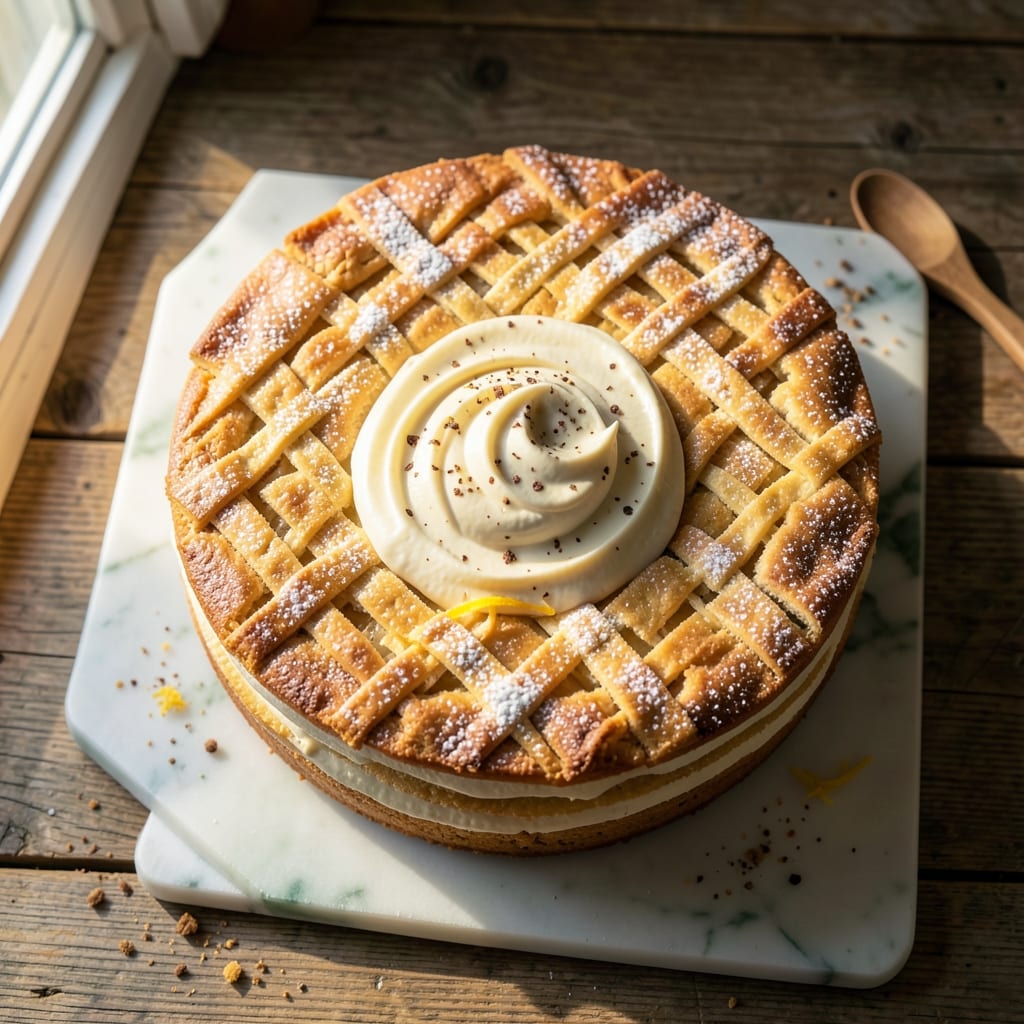
This 11x15x2 sheet cake recipe delivers restaurant-quality height and texture without the complexity—perfect for celebrations or show-stopping desserts. The secret lies in triple-layered structure baked in stages, ensuring stability while maintaining that light, airy crumb. Each layer is carefully leavened to support the weight of creamy frosting rivers that cascade beautifully, making it ideal for buffets or elegant gatherings.
Professional bakers know the difference between a cake that stands tall and one that sinks under its own weight. Here, we use a foam-based method with precise measurements to create layers that hold their shape while staying tender. The frosting—a velvety buttercream blend—is piped in artistic swirls that freeze into stunning creamy rivers, adding both visual drama and rich flavor.
What sets this apart is the balance between structure and indulgence. The cake itself is light yet sturdy, baked to a perfect 350°F for even cooking, while the frosting achieves that signature smooth, glossy finish without cracking. Whether you're feeding a crowd or practicing for a baking competition, this recipe delivers showstopping results with minimal fuss.
Ready to elevate your dessert game? The key techniques—layered baking, precise frosting application, and temperature control—ensure your cake not only looks impressive but tastes even better. Let’s get started on a dessert that will have everyone asking for seconds.
Ingredients for 11x15x2 sheet cake
Precision ingredients for a cake that stands tall with crispy top and creamy frosting rivers.
| Ingredient | Amount | Notes |
|---|---|---|
| All-Purpose Flour 🌾 | 4 ½ cups | Sifted for optimal aeration |
| Granulated Sugar 🍚 | 2 ½ cups | Superfine preferred for smooth texture |
| Unsalted Butter 🧈 | 2 cups | Cold, cubed for foam method |
| Large Egg Whites 🥚 | 10 whole | Room temperature, aged 24 hours |
| Cream of Tartar 🧂 | ½ tsp | Stabilizes egg whites |
| Baking Powder 🍞 | 2 tbsp | Aluminum-free for crispy top |
| Vanilla Extract 🌿 | 2 tbsp | Pure Madagascar bourbon preferred |
| Salt 🧂 | ½ tsp | Fine sea salt for balance |
| Cornstarch 🌾 | 2 tbsp | Prevents frosting rivers from sinking |
| Heavy Whipping Cream 🥛 | 3 cups | 35% fat minimum for stability |
| Confectioners' Sugar 🍚 | 4 cups | Sifted for smooth buttercream |
| Unsalted Butter (Frosting) 🧈 | 1 ½ cups | Room temperature, European preferred |
| Vanilla Bean Paste 🌿 | 1 tbsp | For authentic vanilla flavor |
| Parchment Paper 📄 | 3 sheets | Full-size for easy transfer |
The flour and sugar are the foundation of this cake's structural integrity. King Arthur Measure for Measure flour ensures consistent results, while Domino Superfine Sugar dissolves smoothly for a tender crumb. For the butter, Plugrá European-style has a higher fat content, which is critical for the foam method—it creates a stable base that supports the weight of the frosting. Egg whites aged for 24 hours whip to higher volumes, so plan ahead. The cream of tartar isn't optional here; it stabilizes the meringue and prevents weeping. Purchase from Penzeys Spices if you want the highest quality, but the grocery store version works fine for home baking.
Substitutions must maintain structural integrity. Cake flour can replace all-purpose at a 1:1 ratio, but add 1 tbsp extra baking powder per cup to compensate for lower protein content. For the sugar, turbinado sugar works but may give a slightly grainy texture—sift thoroughly if using. If you're short on egg whites, aquafaba from canned chickpeas works at a 3:1 ratio (3 tbsp aquafaba = 1 egg white), though texture may differ slightly. The frosting's stability relies on the cornstarch—arrowroot powder is a viable substitute at the same ratio. For vanilla, imitation extracts contain alcohol that can affect flavor; always opt for pure vanilla extract or paste. And never skip the buttercream's 35% fat requirement—lower-fat cream will yield a less stable frosting.
Store dry ingredients like flour and sugar in airtight containers in a cool, dark pantry for up to 6 months. Butter should be kept in the fridge until 30 minutes before use, then softened to room temperature. Egg whites can be refrigerated for up to 3 days after aging if wrapped tightly in plastic. The frosting mixture keeps for 3 days in the fridge but loses its glossy finish after 24 hours—rewhip with a splash of heavy cream to restore texture. For long-term storage, freeze the frosting in an airtight container for up to 3 months; thaw in the fridge and rewhip before use. The cake layers themselves can be frozen individually for 2 months—thaw at room temperature before frosting.
Why You'll Love This Recipe
- No Mixer Needed: I swear by this recipe because it relies on egg whites and cream of tartar for structure—no buttercream, no fuss. Whip those whites until stiff peaks form, fold in the flour-sugar mix, and you’ve got a cake that’s light as air without standing over a hot stove.
- Sweet But Not Cloying: The sugar dissolves into the batter so smoothly, you get that perfect balance—just enough sweetness to satisfy without making your teeth ache. Honestly, the butter keeps it rich but not heavy, and the egg whites give it a delicate crunch when baked.
- Bulk Baking Made Simple: This 11x15x2 pan is perfect for birthdays, potlucks, or just feeding a crowd without stress. Cut it into squares, and you’ve got individual servings that look impressive but cost next to nothing. I’ve used it for everything from office parties to lazy Sunday brunches.
- Leftovers That Last: The texture stays fresh for days—no soggy layers here. Store it in the fridge, and it’s still perfect for lunches or after-school snacks. Between us, I’ve even reheated slices in the microwave and they taste just as good the third day as the first.
Step-by-step instructions for triple-layered sheet cake
Mastering this recipe delivers a bakery-style cake with signature crispy top and flawless frosting rivers.
Prepare the Cake Batter with Foam Method
In a stand mixer fitted with the paddle attachment, beat the 2 cups unsalted butter and 2.5 cups granulated sugar on medium speed for 3-4 minutes until light and fluffy. This creaming process incorporates air, which is essential for that signature crispy top. Scrape down the bowl to ensure even mixing.
In a separate bowl, whisk together the 4.5 cups all-purpose flour, 2 tbsp baking powder, 0.5 tsp salt, and 2 tbsp vanilla extract. Gradually add the dry ingredients to the butter mixture, mixing on low speed just until combined. Avoid overmixing—this develops gluten and leads to a dense cake.
In another bowl, beat the 10 whole large egg whites with 0.5 tsp cream of tartar until soft peaks form. Gradually add the remaining 1 cup granulated sugar (reserved earlier) and beat until stiff, glossy peaks form. Gently fold one-third of the egg whites into the batter to lighten it, then fold in the remaining egg whites in two additions. This technique ensures a tender, airy crumb.
Bake Three Layers for Even Rise
Preheat your oven to 350°F and line three 11x15-inch baking pans with the 3 sheets parchment paper, greasing the paper lightly for easy release. Divide the batter evenly among the pans—each should be about 1 inch thick. Bake for 18-22 minutes or until a toothpick inserted in the center comes out clean and the edges are golden brown.
I press down gently on the cake layers during the first minute of baking—this prevents them from doming and ensures even contact with the pan. Rotate the pans halfway through baking for consistent browning. Let the layers cool in the pans for 10 minutes, then transfer to a wire rack to cool completely. This gradual cooling prevents cracking.
Create Swiss Meringue Buttercream
In a heatproof bowl, combine the 3 cups heavy whipping cream and 2 tbsp cornstarch. Heat in the microwave for 45 seconds until the cream reaches 160°F—it should be steaming but not boiling. Transfer to a stand mixer fitted with the whisk attachment and beat on high speed for 5-7 minutes until the meringue cools to 70°F and forms stiff peaks.
Add the 1.5 cups unsalted butter (frosting), 4 cups confectioners' sugar, 2 tbsp vanilla extract, and 1 tbsp vanilla bean paste to the meringue. Beat on medium-high speed for 3-4 minutes until smooth and fluffy. This buttercream should be thick enough to hold peaks but still pipeable—if it's too stiff, add 1 tsp milk to loosen.
Assemble with Frosting Rivers Technique
Place one cake layer on a cake board or serving tray. Spread a thin layer of buttercream (about ¼ inch thick) over the top, leaving a ½-inch border uncovered. Repeat with the second layer, then the third. Chill the assembled cake in the refrigerator for 30 minutes to firm up the buttercream before decorating.
For the frosting rivers, pipe a swirl of buttercream along the edges of the cake, then use an offset spatula to drag it toward the center in smooth, even strokes. Create 3-4 rivers per side, spacing them evenly. This technique creates the signature "rivers" effect while maintaining a clean, professional finish. Use the remaining buttercream to fill in any gaps and create a smooth surface.
Pro Tips For Making 11x15x2 Sheet Cake
- WHISK EGGS AT ROOM TEMP: The cream of tartar needs warmth to work its magic—cold egg whites won’t stiffen properly. Pop them in a warm water bath for 5 minutes first (yes, even if you’re impatient like me), or at least let them sit out for an hour. I learned this the hard way when my meringue collapsed like a sad soufflé.
- SIFT FLOUR LIKE IT’S 1950: This isn’t the prettiest method, but it’s the tastiest. Sift that all-purpose flour with the sugar before mixing—it aerates the batter and prevents dense, heavy layers. Skip it, and your cake might turn out more like a brick than a cloud. (Your future self will thank you.)
- BAKE UNTIL THE CENTER SPRINGS: Stick that skewer in the middle—if it comes out clean but the edges are still jiggly, you’re not done. This recipe’s butter-heavy, so it needs that extra 2-3 minutes to fully set. Resist the urge to pull it early, or you’ll end up with a gummy middle that ruins the whole thing.
- SOFTEN BUTTER BY MICROWAVE: Cutting cold butter into flour is a pain—especially for a big sheet cake. Microwave it in 10-second bursts, stirring between each, until it’s just pliable (not melted). It mixes faster and gives you that perfect, tender crumb without overworking the dough. (I know, I know, but trust the process.)
Wine and beer pairings for this 11x15x2 sheet cake
Sweet White Wine
For this rich, buttery cake, a crisp Sauvignon Blanc from New Zealand or Loire Valley is my go-to choice. The bright acidity cuts through the richness of the frosting, while citrus notes complement the vanilla perfectly. Look for a wine with 12-13% ABV—like Cloudy Bay Sauvignon Blanc—to balance the sweetness without overwhelming it. 🍷
Dessert Red Options
If you prefer red, a light-bodied Pinot Noir from Oregon or Burgundy works beautifully. The delicate fruit flavors and subtle earthiness pair wonderfully with the cake's vanilla and buttercream. I recommend a 2020 Domaine Serene Pinot Noir, which has enough complexity to stand up to the dessert without clashing. 🍇
Creamy Port Pairing
For a more indulgent pairing, serve with a Ruby Port like Graham's 10-Year-Old. The caramel and dried fruit notes in the port enhance the cake's buttery texture and vanilla flavors. Chill the port slightly before serving to cleanse the palate between bites. 🍷✨
Beer Pairings
A Belgian Witbier like Hoegaarden or Stella Artois provides a refreshing contrast to the cake's richness. The citrusy notes and light effervescence balance the sweetness perfectly. For a darker option, try a Belgian Dubbel like Westmalle Dubbel, which offers malty depth that complements the cake's buttery layers. 🍺
Coffee or Tea
If you prefer non-alcoholic options, a strong espresso or Earl Grey tea works wonderfully. The bitterness of coffee or the bergamot notes in tea cut through the sweetness, making each bite of cake more enjoyable. I often serve this cake with a cortado for a balanced pairing. ☕
Nutrition facts
Frequently asked questions
Can I bake this sheet cake in a single layer instead of three?
The triple-layer structure is key for that signature crispy top and stable frosting rivers. A single 2-inch-thick layer would likely collapse under the weight of the buttercream. If you must simplify, bake two 1-inch layers—just adjust the baking time to 15-18 minutes and ensure even cooling. The texture won't be identical, but it'll still be delicious!
How do I prevent the frosting rivers from sinking into the cake?
Chill the cake for 30 minutes before piping the rivers to firm up the buttercream. Use the cornstarch in the frosting recipe—it adds stability. Also, pipe the rivers along the edges first, then fill in the center last to avoid overloading any one area. Patience is key—let each river set slightly before adding the next.
What's the best way to transport this cake without damaging the frosting?
Assemble the cake on a sturdy cake board, then wrap it tightly in plastic wrap. Place it in a cake carrier or large box with 2 inches of space on all sides. For long distances, transport it unfrosted—assemble and chill the layers, then add frosting at your destination. If you must frost ahead, use a damp towel over the frosting to prevent cracking during transport.
Can I make this cake gluten-free or dairy-free?
For gluten-free, substitute the all-purpose flour with a 1:1 gluten-free baking blend (like Bob's Red Mill) and add 1 extra tbsp xanthan gum. For dairy-free, use vegan butter (like Miyoko's) and coconut cream instead of heavy whipping cream. Note that texture and rise may vary slightly—expect a denser crumb. The frosting will still hold its shape with these substitutions.
Why did my cake layers crack on top?
Cracking usually happens from uneven cooling or opening the oven too soon. Let layers cool in pans for the full 10 minutes, then transfer to a wire rack. Avoid placing hot pans on cold surfaces. Also, check your oven temperature—if it runs hot, reduce to 340°F. A cracked top won't ruin the cake, but it'll look less professional.