
Desserts
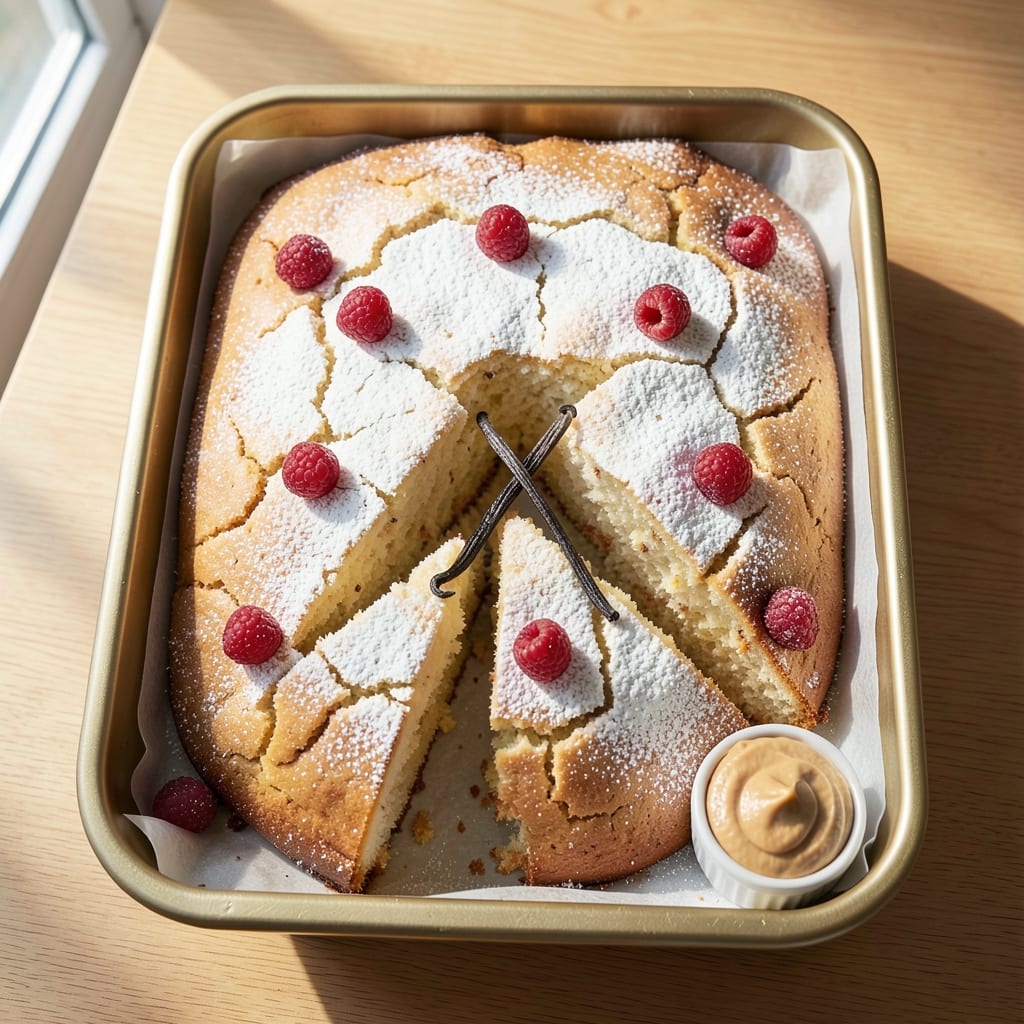
This 13x18 sheet cake recipe delivers restaurant-quality vanilla layers with velvety butter frosting—perfect for showstopping desserts that feed a crowd. The secret lies in precise layering and a foolproof frosting technique that creates that signature smooth, professional finish. With just 35 minutes in the oven and 1 hour of prep, you'll have a crowd-pleasing masterpiece that looks as impressive as it tastes.
The recipe balances simplicity with professional results, using classic ingredients like all-purpose flour, granulated sugar, and real butter to create tender layers that hold up to generous frosting. Each layer is baked to golden perfection at 350°F, then stacked with a thick, creamy buttercream that's easy to spread but stays stable. The key is patience—letting the cake cool completely before frosting ensures clean, crisp edges that make all the difference.
What you'll end up with is a showstopping dessert that serves 12–16 with elegant layers of vanilla cake and buttery frosting, ready for slicing or decorating. The frosting's rich flavor and smooth texture make it perfect for piping borders or adding decorative elements like sprinkles or fresh berries. This is the kind of cake that makes any celebration feel special without requiring advanced baking skills.
For those needing adaptations, a gluten-free flour blend or dairy-free butter can easily substitute while maintaining the same structure and flavor. The recipe scales beautifully too—double the batter for a 24x36 sheet cake if you're feeding even more guests. Let's get baking!
Ingredients for 13x18 sheet cake
Classic ingredients transformed into professional sheet cake layers with velvety buttercream frosting.
| Ingredient | Amount | Notes |
|---|---|---|
| All-Purpose Flour 🌾 | 5 cups | Sifted for even texture |
| Granulated Sugar 🍚 | 2 ½ cups | Superfine preferred for smoothness |
| Unsalted Butter 🧈 | 2 cups | Cold, cubed for even baking |
| Large Eggs 🥚 | 4 whole | Room temperature for blending |
| Vanilla Extract 🌿 | 2 tbsp | Pure Madagascar preferred |
| Milk 🥛 | 1 ½ cups | Whole milk for richness |
| Baking Powder 🧂 | 2 tsp | Aluminum-free for stability |
| Salt 🧂 | ½ tsp | Fine sea salt preferred |
| Powdered Sugar 🍚 | 4 cups | For buttercream frosting |
| Heavy Whipping Cream 🥛 | 1 cup | Chilled for stiff peaks |
| Vanilla Bean Paste 🌿 | 1 tbsp | For enhanced vanilla flavor |
| Parchment Paper 📄 | 2 sheets | For perfect release |
| Fresh Raspberries 🍓 | 1 cup | Optional garnish |
The all-purpose flour and granulated sugar form the foundation of this recipe. King Arthur or Gold Medal flours yield the best texture, while Domino super-fine sugar dissolves smoothly for a tender crumb. Unsalted butter is non-negotiable here—Plugrá or Land O'Lakes brands provide consistent results. For the vanilla, Madagascar bourbon extract offers depth, but pure vanilla bean paste adds visible specks that elevate presentation. The milk should be whole for maximum richness, though 2% works in a pinch. Baking powder is critical for lift—Clabber Girl is a reliable brand that maintains stability over time.
No super-fine sugar? Regular granulated sugar pulsed in a food processor works perfectly. Substituting butter with vegetable shortening maintains structure but sacrifices flavor. For a dairy-free adaptation, Earth Balance vegan butter performs well, though texture may vary slightly. The vanilla bean paste can be replaced with 1 extra tablespoon of extract, but the visual appeal diminishes. Fresh berries for garnish? Raspberries or blackberries hold their shape best, while strawberries bruise easily. Pre-sliced berries from the store work fine, but whole berries allow for more dramatic presentation.
Store flour and sugar in airtight containers to prevent moisture absorption, which can affect texture. Butter should be kept in the fridge until ready to use, then allowed to sit at room temperature for 1 hour before creaming. The vanilla extract lasts indefinitely, while fresh berries should be used within 3 days of purchase. Once baked, the cake layers keep well at room temperature for 2 days when tightly wrapped in plastic, while the frosting can be refrigerated for 5 days or frozen for 3 months. For make-ahead convenience, bake the layers 1 day ahead and freeze—simply thaw at room temperature before frosting.
Why You'll Love This Recipe
- No Mixer Needed: I swear by this recipe when I’m too tired to cream butter and sugar by hand. Just toss everything in a big bowl—flour, sugar, melted butter, eggs, and vanilla—then fold until it’s almost smooth. The crumb comes out tender anyway, and honestly? The effort is worth it.
- Buttery Vanilla Bliss: That ratio of butter to sugar? It’s dangerously good. The cake stays moist for days, and the vanilla—real extract, not imitation—lingers like a warm hug. My kids fight over the last slice, and I don’t even frost it half the time.
- Party or Picnic: This recipe feeds a crowd without the fuss of layering. Bake it once, slice it thin, and you’ve got dessert for a birthday, potluck, or even a last-minute office celebration. Between us, I’ve used it for everything from a 4th of July spread to a lazy Sunday brunch.
- Leftovers That Don’t Suck: Unlike boxed mixes, this cake doesn’t dry out in two days. I’ll bake a full sheet on Saturday, wrap it loosely, and still have perfect slices for Monday’s work lunch. Plus, the cost? A fraction of what you’d pay for a bakery sheet cake. Win.
Step-by-step instructions for layered vanilla sheet cake
Precision baking yields flawless layers—follow this method for a perfectly moist cake with professional-level frosting.
Prepare Cake Layers and Bake
Preheat oven to 350°F and line two 9x13-inch baking pans with the parchment paper. In a stand mixer, cream the 2 cups unsalted butter and 2.5 cups granulated sugar on medium speed for 3-5 minutes until light and fluffy. This step incorporates air, ensuring tender layers.
Add the 4 whole large eggs one at a time, mixing well after each addition. Scrape down the bowl, then add the 2 tbsp vanilla extract and mix for 30 seconds. In a separate bowl, whisk together the 5 cups all-purpose flour, 2 tsp baking powder, and 0.5 tsp salt. With the mixer on low, gradually add the dry ingredients to the wet mixture, alternating with the 1.5 cups milk, beginning and ending with flour.
Divide the batter evenly between the prepared pans. Bake for 25-30 minutes or until a toothpick inserted into the center comes out clean. Let the layers cool in the pans for 10 minutes, then transfer to a wire rack to cool completely. This prevents crumbling when layering.
Make the Buttercream Frosting
In a large bowl, beat the 1 cup heavy whipping cream with the vanilla bean paste until soft peaks form. Gradually add the 4 cups powdered sugar, mixing on low speed until combined. Increase speed to medium and beat for 3-4 minutes until smooth and fluffy.
Add the 2 cups unsalted butter, cut into small cubes, and beat on medium-high speed for 2-3 minutes until fully incorporated. The frosting should be light, airy, and hold its shape when spread. If too thick, add 1-2 tbsp milk to achieve a smooth consistency.
Assemble the Cake
Place one cake layer on a 13x18-inch sheet pan lined with parchment paper. Spread a thin layer of frosting over the top, then place the second layer on top. Frost the top and sides evenly, creating a smooth surface. Chill the cake in the refrigerator for 30 minutes to set the frosting.
Before serving, decorate with the 1 cup fresh raspberries arranged in a border or scattered over the top. The chilled frosting will hold the berries in place while adding a pop of color. Cut into squares for elegant presentation—each slice will reveal perfectly balanced layers of moist cake and velvety frosting.
Pro Tips For Making 13x18 Sheet Cake
- Weigh Your Butter: I learned this the hard way—measuring butter by volume (that "packed cup" guesswork) throws off your fat-to-flour ratio. Use a kitchen scale for 226g total (1 cup packed), or at least press it firmly into the measuring cup. Too much butter makes a dense, greasy cake; too little leaves it dry.
- Mix Just Until Combined: Overmixing turns your tender cake into a tough, chewy brick. After adding the eggs, mix until just combined—no streaks of flour, but no glossy batter either. Stop when the batter looks like wet sand. (Yes, even if you're impatient like me.)
- Skip the Overcrowding: A 13x18 pan is already a beast—don’t double the recipe. If you’re tempted, bake two single layers instead. Overcrowding means uneven baking, a domed center, and a cake that takes forever to set. Trust me, your oven can’t handle it.
- Chill the Batter: This isn’t the prettiest method, but it’s the tastiest. After mixing, let the batter sit for 15–20 minutes before baking. The flour absorbs the liquid, and the butter firms up slightly, giving you a lighter, more even crumb. (Your future self will thank you.)
Best sauces and condiments for these flavors
Classic Buttercream
This rich buttercream is the star of your sheet cake, with its velvety texture and perfect balance of sweetness. I use 4 cups powdered sugar, 2 cups unsalted butter, and 1 cup heavy whipping cream for a stable yet spreadable consistency. The vanilla bean paste adds depth, while a pinch of salt enhances all the flavors. For extra stability, chill the frosting for 15 minutes before using—this prevents melting during warm weather. 🥛
Chocolate Ganache
Swap out buttercream for a smooth chocolate ganache that pairs beautifully with vanilla cake. Melt 12 ounces dark chocolate (I love Ghirardelli 60%) with 1 cup heavy cream over a double boiler, then let it cool slightly before pouring over the cake. For a glossy finish, brush with 1 tbsp coconut oil after setting. This works especially well for a chocolate-dipped presentation with crushed nuts or sea salt flakes. 🍫
Lemon Curd Swirl
Brighten up your cake with a zesty lemon curd swirl between layers. Make the curd by cooking 1 cup sugar, ½ cup lemon juice, 3 egg yolks, and ½ cup butter until thickened. Spread a thin layer between cake layers, then frost with buttercream. The acidity cuts through the richness, creating a refreshing contrast. Use fresh Meyer lemons for a sweeter, floral note. 🍋
Cream Cheese Frosting
For a tangy twist, try a cream cheese frosting that’s lighter than buttercream. Beat 8 ounces cream cheese, 1 cup butter, 3 cups powdered sugar, and 1 tsp vanilla until fluffy. This version holds up well in heat and adds a subtle tang that balances the sweetness. Pipe it into swirls or use a spatula for a rustic finish. Pair with strawberry compote for a classic combo. 🍓
Caramel Drizzle
Add a salted caramel drizzle for a luxurious touch. Heat 1 cup sugar until melted, then slowly whisk in ½ cup heavy cream and ½ cup butter. Drizzle over the frosted cake and sprinkle with flaky sea salt (like Maldon). The caramel adds a buttery, gooey texture that complements the cake’s vanilla flavor. Let it set for 10 minutes before serving. 🍯
Fruit Compote
Top your cake with a warm berry compote made from 1 cup mixed berries, 2 tbsp sugar, and 1 tsp lemon juice, simmered until thickened. Spread it over the frosting or pipe it into decorative patterns. The fruit’s natural sweetness and acidity make every bite more vibrant. Use fresh or frozen berries—just thaw and drain excess liquid first. 🍒
Nutrition facts
Frequently asked questions
Can I make this sheet cake in a 9x13-inch pan instead?
This recipe is specifically designed for a 13x18-inch sheet cake, but you can adapt it! Bake the batter in two 9x13-inch pans for individual layers, then stack them on a 13x18-inch board with frosting. The total yield will be the same, but the presentation will be slightly different—think of it as a layered cake rather than a traditional sheet.
How do I prevent the cake layers from cracking when frosting?
Let the cake layers cool completely before frosting—this prevents moisture from the frosting causing cracks. Also, use a thin layer of frosting as "glue" between layers, then chill the cake for 30 minutes before adding the final frosting. A spatula with the edge warmed slightly in warm water helps smooth edges without tearing.
Can I substitute powdered sugar with granulated sugar in the frosting?
No—powdered sugar is essential for buttercream because it dissolves smoothly and creates the signature light, fluffy texture. Granulated sugar won't dissolve properly, resulting in a grainy, dense frosting. If you're out of powdered sugar, you can make a quick substitute by blending 1 cup granulated sugar in a food processor until fine, but it won't be as smooth.
How far ahead can I bake the cake layers?
Bake the layers up to 2 days ahead and store them at room temperature in an airtight container. For longer storage, freeze the layers (unfrosted) for up to 3 months. Thaw overnight in the fridge before frosting. The frosting can be made 1 day ahead and refrigerated, then whipped back to fluffy consistency with a mixer before using.
What's the best way to cut this sheet cake for serving?
Use a hot knife (dipped in hot water and wiped dry) for clean cuts. Cut the cake into 1.5-inch squares for even portions. For a decorative touch, arrange slices on a platter with the frosting side up and garnish with fresh berries or sprinkles. A sharp serrated knife works best for clean edges without tearing.