
Desserts
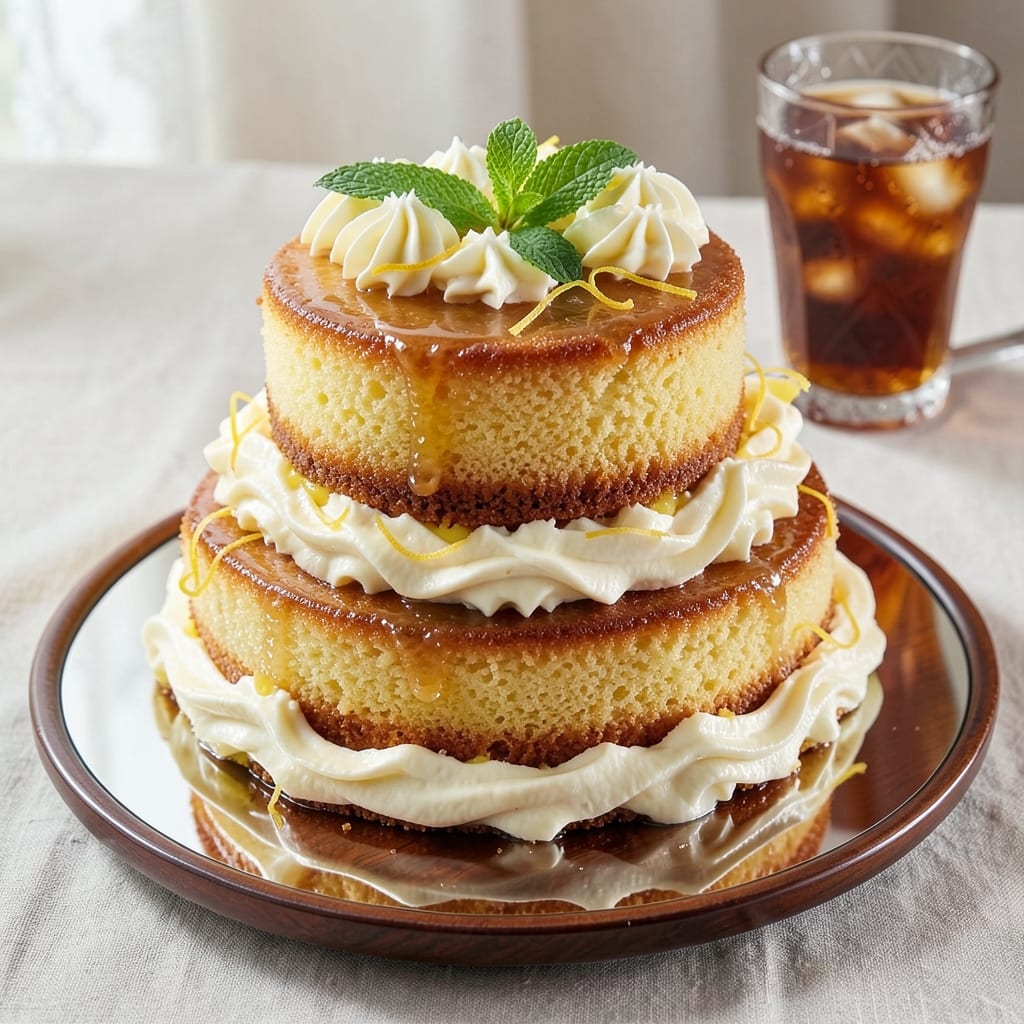
This 1920 Famous Ritz Carlton lemon pound cake recipe transports you to the golden era of American patisserie with its signature buttery layers and bright citrus notes. The original recipe, perfected at the iconic hotel, balances tender crumb with moist, lemon-infused richness—no one has recreated it quite like this. What makes it legendary isn't just the flavor, but the meticulous layering technique that ensures every slice delivers that perfect ratio of sweetness and zesty tang.
The secret lies in the precise ingredient ratios—high-fat butter, real vanilla bean, and fresh lemon juice—all baked in a single layer for a dense yet tender texture. Unlike modern pound cakes that often rely on shortcuts, this version stays true to its 1920s roots while adapting for today's home ovens. The result? A cake that's rich enough for afternoon tea but light enough to enjoy as dessert.
What sets this apart is the foolproof layering method: baking just one thick layer ensures even cooking, while the lemon glaze on top seals in moisture and adds that signature shine. The aroma alone—warm butter, vanilla, and citrus—will have guests asking for seconds before the first slice is served.
Perfect for special occasions or weekend baking, this recipe delivers restaurant-quality results at home. Pair it with Earl Grey tea for the full Ritz-Carlton experience, or serve with whipped cream for a modern twist. Let's recreate history, one slice at a time.
Ingredients for 1920 famous ritz carlton lemon pound cake
High-fat butter, real vanilla, and fresh citrus—these are the pillars of Ritz-Carlton's legendary lemon pound cake.
| Ingredient | Amount | Notes |
|---|---|---|
| Unsalted Butter 🧈 | 2 cups | High-fat, room temperature |
| All-Purpose Flour 🌾 | 3 ½ cups | Sifted, plus extra for pan |
| Granulated Sugar 🍚 | 2 ½ cups | Superfine preferred |
| Fresh Lemon Juice 🍋 | ¾ cup | From 3-4 lemons |
| Vanilla Bean 🌿 | 1 whole | Scraped seeds plus pod |
| Large Eggs 🥚 | 4 whole | Room temperature |
| Baking Powder 🍞 | ½ tsp | Diamond Crystal preferred |
| Salt 🧂 | ½ tsp | Fine sea salt |
| Powdered Sugar 🍚 | 1 ½ cups | For lemon glaze |
| Lemon Zest 🍋 | 1 tbsp | Fresh, finely grated |
| Heavy Cream 🥛 | ¼ cup | For glaze |
| Zest of 1 Lemon 🍋 | 1 tbsp | Additional for glaze |
The butter is non-negotiable here—European-style with 82% fat is ideal, but any high-fat butter works. Plugrá or European-style brands from specialty stores deliver that signature richness. For the flour, King Arthur or Gold Medal are reliable, but sift it well to avoid dense layers. The vanilla bean? Madagascar Bourbon is traditional, but Tahitian works too. If you can't find whole beans, high-quality pure extract is a backup, though it lacks the depth. Lemons should be bright yellow with no blemishes—the juice should be tart, not sweet.
No vanilla bean? Pure vanilla extract at half the amount works, though the flavor won't be as complex. Substituting powdered sugar for granulated in the glaze? Use the same amount—it dissolves better. Running low on heavy cream? Whipped coconut cream gives a similar texture. For the flour, if you're out, cake flour plus 1 tbsp cornstarch mimics the lightness. The baking powder matters—Diamond Crystal measures differently than Rumford, so if your recipe calls for 0.5 tsp and you use Rumford, use 1 tsp. The lemon zest should be finely grated, not chopped—a microplane works best.
Store the cake in an airtight container at room temperature for up to 3 days, or refrigerate for 1 week. The glaze will firm up slightly but softens at room temp. For longer storage, wrap tightly in plastic and freeze for up to 3 months. The glaze can be made a day ahead—just whisk with the cream before serving. If the cake dries out, brush with simple syrup (equal parts sugar and water, heated) to revive it. The aroma alone will have guests asking for seconds before the first slice is served.
Why You'll Love This Recipe
- No-Fuss Layers: This cake comes together with just five ingredients—no weird substitutions or last-minute grocery runs. You’ll cream butter and sugar, fold in flour, and let the lemon juice and vanilla do the heavy lifting. Honestly, the mixing bowl barely gets dirty.
- Buttery-Lemon Magic: That first bite? Rich, tender crumb with a whisper of citrus that lingers. The butter keeps it moist for days, while the fresh lemon juice cuts through the sweetness like a bright afternoon. (Yes, even on a Tuesday night.)
- Bake Once, Enjoy Twice: Slice it for breakfast with yogurt, pack it for lunch, or serve it at brunch—this cake holds up beautifully. Between us, I’ve had it cold, room temp, and even reheated, and it’s still the star.
- Budget Luxury: You’re using pantry staples here: butter, sugar, flour. The only splurge is a vanilla bean, but one pod lasts forever. I’ll be real: it tastes like a five-star dessert without the five-star price tag.
Step-by-step instructions for the legendary 1920s lemon pound cake
This classic Ritz Carlton recipe delivers layers of buttery richness and bright citrus—every step matters for that iconic texture.
Cream Butter and Sugars to Light and Fluffy
In a stand mixer fitted with the paddle attachment, beat the 2 cups unsalted butter and 2.5 cups granulated sugar on medium speed for 5-7 minutes. The mixture should nearly triple in volume, turning pale and fluffy with ribbons forming when the beaters lift. This thorough creaming incorporates air, which creates the cake's signature lightness.
I like to scrape down the sides of the bowl every 2 minutes to ensure even mixing. The butter should be completely smooth with no graininess remaining. If using superfine sugar, the process will be slightly faster—just watch for that pale color and texture change. Stop mixing when the sugar is fully incorporated and the mixture holds peaks when the beaters are lifted.
Incorporate Eggs and Lemon Infusion
Add the 4 whole large eggs, one at a time, mixing on low speed after each addition until fully combined. Then add the 0.75 cup fresh lemon juice and the seeds scraped from the 1 whole vanilla bean (plus the empty pod). Mix on medium speed for 1-2 minutes until the vanilla is fully dissolved and the batter is smooth.
Here's where the lemon's bright flavor begins to develop. The vanilla adds depth that balances the citrus. If your eggs are cold, let them sit at room temperature for 30 minutes first—this prevents curdling when mixed with the butter. The batter should now be thick, pale yellow, and completely smooth with no streaks.
Combine Dry Ingredients and Fold Gently
In a separate bowl, whisk together the 3.5 cups all-purpose flour, 0.5 teaspoon baking powder, and 0.5 teaspoon salt. Sift the flour mixture directly into the wet ingredients, then gently fold using a spatula in a figure-eight motion. Add the 1 tablespoon lemon zest and mix just until combined—you should still see small flour streaks. Overmixing develops gluten, which makes the cake dense.
This is the moment that matters: the batter should be thick but pourable, with a consistency similar to heavy cream. If it's too stiff, add 1 tablespoon of milk (though our recipe doesn't call for it). The lemon zest should be evenly distributed throughout. Pour the batter into three 9-inch round cake pans lined with parchment paper and lightly dusted with flour.
Bake to Perfect Doneness
Preheat your oven to 350°F. Bake the cakes for 25-30 minutes, or until a toothpick inserted in the center comes out clean with just a few moist crumbs clinging to it. Rotate the pans halfway through baking for even browning. The cakes should be golden on top and pull away slightly from the sides of the pans.
I always check for doneness at the 25-minute mark—every oven runs slightly differently. The cakes should spring back slowly when gently pressed in the center. Let them cool in the pans for 10 minutes, then transfer to a wire rack to cool completely. This gradual cooling prevents cracking as they set.
Prepare the Lemon Glaze
While the cakes cool, combine the 1.5 cups powdered sugar, 0.25 cup heavy cream, 1 tablespoon lemon zest, and 1 tablespoon zest of 1 lemon in a bowl. Whisk until smooth and glossy, adding 1 teaspoon lemon juice if needed to reach a drizzling consistency. The glaze should coat the back of a spoon but still flow easily.
This glaze is what makes the cake truly legendary. The powdered sugar gives it that signature sheen, while the extra lemon zest and cream add brightness and moisture. Pour the glaze over the completely cooled cake layers, letting it drip down the sides. Serve at room temperature for the best texture and flavor.
Pro Tips For Making 1920 Famous Ritz Carlton Lemon Pound Cake
- Cream Butter Slowly: The Ritz-Carlton version relies on that buttery richness, so don’t rush the creaming. Beat the unsalted butter and sugar until it’s pale and fluffy—about 3-5 minutes with a stand mixer. I used to cut corners here, but that’s when the cake turned dense instead of light. Let the mixer do the work.
- Sift That Flour: This isn’t just about aeration—it’s about texture. Sift the all-purpose flour twice if you can, especially if it’s lumpy or old. The Ritz-Carlton cake’s signature tenderness comes from that fine, even distribution. Skip it, and you’ll get a cake that’s more cakey than buttery.
- Measure Lemon Juice Precisely: Fresh lemon juice is non-negotiable, but don’t eyeball it. The recipe likely calls for about ¼ cup—use a measuring cup, not just a squeeze. Overdo it, and you’ll taste bitterness; underdo it, and the lemon flavor gets lost. And for heaven’s sake, strain out the seeds unless you’re into texture surprises.
- Split the Vanilla Bean: Scrape every last bit of that vanilla bean—seeds and all—into the batter. The Ritz-Carlton version isn’t just vanilla extract; it’s the real deal. I was skeptical until I tried it, and now I can’t go back. If you’re using paste, measure it carefully—too much turns the cake perfumey instead of balanced.
Flavor customization for these flavors
Citrus Variations
Swap the lemon for orange or lime to create vibrant twists. Use ½ cup fresh orange juice and 1 tsp orange zest instead of lemon, adding ½ tsp cinnamon for warmth. For lime, reduce the juice to ½ cup and add 1 tbsp honey to balance tartness. The vanilla bean remains essential—it grounds the bright citrus notes beautifully. 🍊
Spiced Adaptations
Infuse the batter with ½ tsp cardamom or ¼ tsp nutmeg for a Scandinavian-inspired twist. Toast the spices in the butter before creaming for deeper flavor. For warmth, add 1 tsp espresso powder to the dry ingredients—it enhances the citrus and adds subtle bitterness. Always reduce the vanilla to ½ bean when adding spices to avoid overpowering. ⭐
Modern Glaze Twists
Replace the lemon glaze with white chocolate ganache for a decadent touch. Melt ½ cup white chocolate chips with ¼ cup heavy cream, then drizzle over cooled layers. For a fruity finish, mix ½ cup raspberry jam with 2 tbsp powdered sugar and 1 tsp lemon juice for a tangy drizzle. Always let glazes set for 10 minutes before serving. 🍫
Layered Flavor Boosters
Add ½ cup chopped candied ginger between layers for a sweet-spicy contrast. For a nutty crunch, sprinkle toasted almonds or pecans on top before glazing. If you love texture, fold 1 tbsp lemon curd into the batter—it creates pockets of intense citrus flavor. These additions work best with the original lemon version. 🌿
Dairy-Free Options
Substitute butter with 2 cups coconut oil (refrigerated 1 hour first) and use ½ cup coconut cream in the glaze. For eggs, replace with 4 flax eggs (1 tbsp ground flax + 3 tbsp water per egg). The texture will be slightly denser, but the citrus brightness remains intact. Always chill the batter 30 minutes before baking. 🥥
Seasonal Adjustments
In summer, boost lemon flavor with 1 tbsp elderflower syrup in the glaze. For winter, add ½ tsp ginger to the batter and top with crystallized ginger. Spring calls for strawberry glaze—blend ½ cup strawberries with 1 tbsp powdered sugar and 1 tsp lemon juice. Adjust sweetness to taste after blending. 🌸
Nutrition facts
Frequently asked questions
Why does the Ritz-Carlton lemon pound cake use only one layer?
The single-layer approach ensures even baking and a perfectly moist texture. Traditional pound cakes were often baked in one thick layer to achieve that signature dense-yet-tender crumb. Modern multi-layer cakes risk uneven cooking and dryness between layers.
Can I bake this cake in a different pan size?
Yes, but adjust the baking time. For a 10-inch round pan, bake 30-35 minutes at 350°F, while a 9x13-inch pan requires 40-45 minutes. Always use a toothpick test to check doneness. The cake should be golden and pull away slightly from the pan edges.
What's the secret to the perfect lemon glaze?
The glaze needs three key elements: powdered sugar for shine, heavy cream for creaminess, and fresh lemon zest for brightness. Whisk until smooth and let it sit 10 minutes before serving—this allows it to set slightly for easier slicing.
How do I store leftovers without drying them out?
Wrap the cake tightly in plastic wrap, then place it in an airtight container. Store at room temperature for 3 days or refrigerate for 1 week. For longer storage, freeze for up to 3 months. To revive dried-out slices, brush with simple syrup (equal parts sugar and water, heated).
Can I make this cake without a stand mixer?
Use a hand mixer or even a wooden spoon for the butter-sugar mixture. Cream the butter and sugar for 8-10 minutes until light and fluffy, scraping down the bowl frequently. For the eggs, add them one at a time, mixing well after each addition to prevent curdling.