
Desserts
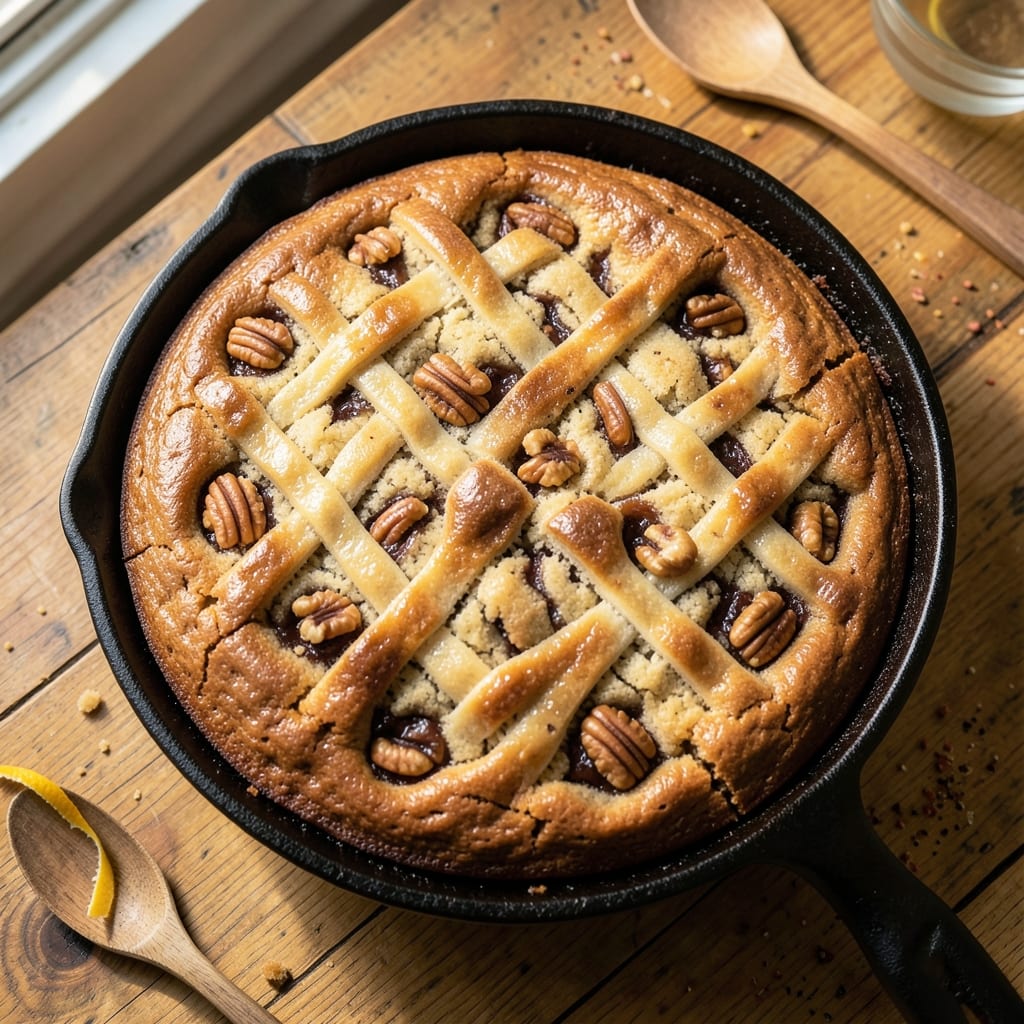
This 1954 Lausd coffee cake recipe brings back the golden era of school cafeteria baking—where crumbly streusel topped a tender vanilla center, perfumed with coffee and studded with raisins. The secret lies in its moist crumb, achieved through precise butter-to-flour ratios and a touch of instant coffee for depth. Back when this was a staple in Los Angeles Unified School District kitchens, it became a beloved treat that still delights today.
The recipe’s charm comes from its simplicity: a basic vanilla cake batter enriched with coffee and raisins, crowned with a buttery streusel that cracks into perfect crumbs when baked. No fancy techniques—just a bowl, a whisk, and an oven set to 350°F. The key is patience: letting the cake rise fully before adding the streusel ensures that signature crackly top without drying out the tender center.
What makes this recipe special is its ability to transport you back to mid-century school days while still feeling fresh. The moist vanilla cake pairs perfectly with the caramelized streusel, creating a texture contrast that’s impossible to resist. Dust with powdered sugar for a finishing touch, or serve warm with a cup of coffee for the full retro experience.
Whether you’re recreating a piece of history or simply craving a classic dessert, this coffee cake delivers comfort in every bite. The original recipe has stood the test of time, proving that sometimes, the best things come from the past. Ready to bake?
Ingredients for 1954 lausd coffee cake
Classic 1954 school lunch ingredients for a nostalgic coffee cake with perfect moist crumb and crackly streusel.
| Ingredient | Amount | Notes |
|---|---|---|
| All-Purpose Flour 🌾 | 2 ½ cups | Sifted for light texture |
| Granulated Sugar 🍚 | 1 ½ cups | White or light brown |
| Instant Coffee Powder ☕ | 2 tbsp | For authentic flavor |
| Baking Powder 🧂 | 2 tsp | Aluminum-free preferred |
| Salt 🧂 | ½ tsp | Fine sea salt |
| Unsalted Butter 🧈 | 1 cup | Cold, cubed, not softened |
| Large Eggs 🥚 | 2 whole | Room temperature |
| Vanilla Extract 🥛 | 1 tbsp | Pure, not imitation |
| Milk 🥛 | 1 cup | Whole milk preferred |
| Raisins 🍇 | 1 ½ cups | Plump, not dried out |
| All-Purpose Flour (Streusel) 🌾 | 1 ½ cups | Same as cake flour |
| Light Brown Sugar 🍚 | ½ cup | Packed firmly |
| Unsalted Butter (Streusel) 🧈 | ½ cup | Cold, cubed |
| Powdered Sugar 🍚 | ¼ cup | For dusting |
The butter and flour ratio is critical for that signature moist crumb—don't substitute with margarine or shortenings. Land O'Lakes or Plugrá unsalted butter work best for this recipe. For the raisins, Sun-Maid or Thompson Seedless plump varieties keep their shape during baking. The instant coffee powder should be Folgers or Maxwell House for authentic flavor—no instant espresso substitutes. If you can't find instant coffee powder, a strong brewed coffee cooled and reduced by half works in a pinch, but it won't have the same depth of flavor.
No instant coffee powder? Dissolve 2 tbsp of regular ground coffee in 2 tbsp hot water and let cool before adding to the batter. For a richer streusel, swap half the brown sugar for light corn syrup. If you're avoiding sugar, monk fruit sweetener at half the amount works, though the texture will differ slightly. The raisins can be soaked in warm water for 10 minutes if they're particularly dry, but don't overdo it or they'll sink in the batter. For a gluten-free version, use a 1:1 gluten-free flour blend and add an extra 0.5 tsp of xanthan gum to the cake batter.
Store the baked coffee cake in an airtight container at room temperature for up to 3 days, or refrigerate for 1 week if you want to extend freshness. The streusel stays crispy for about 2 days at room temperature, so slice and serve within that window for the best texture. To reheat, wrap individual slices in foil and warm in a 350°F oven for 5-7 minutes—this revives the streusel's crunch. For make-ahead baking, prepare the batter and refrigerate overnight, then bake straight from the fridge (add 5-10 minutes to baking time).
Why You'll Love This Recipe
- Here’s what sold me: it’s just as good cold with coffee as it is warm with butter. I’ve packed slices for school lunches, office meetings, or a quick pick-me-up after lunch—no judgment if you eat it straight from the pan.
- No Mixer Needed: I swear by this recipe when my hands are full—just stir, fold, and pour. The instant coffee powder dissolves right into the batter, so no extra steps or measuring spoons cluttering your counter.
- Moist Without Syrup: Honestly, the sugar and coffee combo keeps this cake tender for days. No one will guess it’s not dripping with sticky glaze—just that perfect crumb and a hint of bitterness that makes every bite satisfying.
- Breakfast or Snack: Here’s what sold me: it’s just as good cold with coffee as it is warm with butter. I’ve packed slices for school lunches, office meetings, or a quick pick-me-up after lunch—no judgment if you eat it straight from the pan.
Step-by-step instructions for 1954 Lausd coffee cake
This classic recipe delivers a perfectly balanced cake with a moist vanilla center and crunchy coffee-infused streusel topping.
Prepare the Cake Batter
Preheat your oven to 350°F and grease a 9x13-inch baking pan or line it with parchment paper for easy removal. In a large mixing bowl, combine the 2.5 cups all-purpose flour, 2 tbsp instant coffee powder, 2 tsp baking powder, and 0.5 tsp salt. Sift the dry ingredients together to ensure even distribution and break up any lumps in the coffee powder.
In a separate bowl, cream together the 1 cup cold, cubed unsalted butter and 1.5 cups granulated sugar using an electric mixer on medium speed until light and fluffy—about 3-4 minutes. This step is crucial for achieving that tender cake texture. Add the 2 whole room-temperature eggs one at a time, mixing well after each addition. Stir in the 1 tbsp vanilla extract and 1 cup milk until just combined.
Gradually add the dry ingredients to the wet mixture, mixing on low speed just until incorporated. Be careful not to overmix—the batter should be smooth but slightly lumpy. Fold in the 1.5 cups raisins by hand, ensuring they're evenly distributed throughout the batter. Pour the batter into the prepared pan and spread it evenly.
Make the Coffee Streusel Topping
While the cake bakes, prepare the streusel topping in a medium bowl. Cut the 0.5 cup cold, cubed unsalted butter (streusel) into the 1.5 cups all-purpose flour (streusel) using a pastry cutter or your fingers until the mixture resembles coarse crumbs with pea-sized butter pieces remaining. Add the 0.5 cup packed light brown sugar and mix until evenly distributed.
Here's the thing—this streusel should be slightly uneven in texture. The butter pieces should be visible but not overly large. Sprinkle the streusel evenly over the cake batter, pressing down gently with your fingers to ensure good contact. The streusel will create a beautiful contrast with the moist cake underneath.
Bake to Golden Perfection
Bake the coffee cake in the preheated oven for 40-45 minutes, or until a toothpick inserted into the center comes out clean. The streusel topping should be golden brown and crispy, while the cake underneath should be just set but still slightly springy to the touch.
I always check for doneness at the 40-minute mark—your oven might run hot, so start watching for color changes. The cake is done when the edges pull away slightly from the pan and the top is evenly browned. If the streusel starts browning too quickly, tent the pan with aluminum foil to prevent over-browning.
Cool and Serve
Remove the cake from the oven and let it cool in the pan for 10 minutes before transferring it to a wire rack to cool completely. This gradual cooling prevents the cake from cracking as it sets. While it cools, dust the top generously with the 0.25 cup powdered sugar for that classic finish.
The cake is best served at room temperature, allowing the flavors to fully develop. Each slice should reveal a moist, vanilla-infused cake with a crunchy coffee streusel topping that perfectly complements the soft center. For an authentic experience, serve with a cup of freshly brewed coffee or warm milk.
Pro Tips For Making 1954 Lausd Coffee Cake
- SIFT THE FLOUR WELL: I learned this the hard way—skipping the sift leaves lumps that make your cake dense. Use a fine-mesh sieve and tap the bowl sharply to break up any hidden clumps, especially with instant coffee powder mixed in. That extra 30 seconds guarantees a lighter texture.
- DON’T OVERMIX THE BATTER: This isn’t the prettiest method, but it’s the tastiest. Stir just until the dry ingredients disappear—about 10 strokes max. Overmixing develops gluten, and your cake will turn out tough instead of tender. Trust the process, even if it looks uneven.
- USE COLD BUTTER FOR LAYERS: Sounds weird, but it works: cut the butter into tiny cubes and fold them into the batter last. Cold butter creates pockets that melt into flaky layers as it bakes—no one wants a brick. (Yes, even if you’re impatient like me.)
- CHECK DONENESS WITH A TOOTHPICK: The instant coffee makes this cake tricky—it can look set but still be underdone. Insert a toothpick into the center; it should come out with a few moist crumbs, not wet batter. If unsure, give it 3-5 more minutes. Your future self will thank you.
Essential equipment for 1954 lausd coffee cake
Classic Mixing Tools
The heart of this recipe lies in your mixing tools. For the cake batter, I recommend a stainless steel mixing bowl—it keeps ingredients at a consistent temperature and prevents butter from melting prematurely. Use a hand mixer with a paddle attachment (like the KitchenAid KHM5221CP) for creaming butter and sugar, as it ensures even incorporation without overmixing. For the streusel, a pastry cutter or your fingers work best to create those signature coarse crumbs. 🧑🍳
Precision Baking Pan
A 9x13-inch baking pan is non-negotiable for this recipe—it ensures even baking and the perfect ratio of cake to streusel. I prefer Wilton's non-stick baking pans because they prevent sticking and make removal effortless. If you don’t have one, line a standard pan with parchment paper for easy release. Avoid glass pans unless you’re willing to reduce the baking time by 5-7 minutes—they can over-bake the edges.
Temperature Control Essentials
An oven thermometer (like the Thermoworks Oven Thermometer) is your best friend for this recipe. School kitchens in 1954 likely had less precise ovens, so maintaining 350°F is critical. If your oven runs hot, lower the temperature to 325°F and add 5-10 minutes to the baking time. For the streusel to achieve that perfect golden-brown crunch, a light-colored aluminum pan works best—it reflects heat evenly and prevents over-browning.
Measuring for Perfection
Precision matters, especially with the butter-to-flour ratio in the streusel. Use a digital kitchen scale (like the OXO Good Grips) for the butter to ensure accuracy—1 cup of cold, cubed butter should weigh 2 sticks (8 oz). For dry ingredients, use the spoon-and-level method with a stainless steel measuring cup (like Pyrex) to avoid packing flour too tightly. The raisins should be measured by volume, but pat them dry with a paper towel first to prevent a soggy cake. ✨
Optional Upgrades
For a professional touch, invest in a silicon spatula (like OXO Good Grips) to spread the batter evenly in the pan—it prevents streaks and ensures a smooth surface. A fine-mesh sieve (such as Microplane) helps sift the dry ingredients flawlessly, especially the instant coffee powder, which can clump. If you’re dusting with powdered sugar, a sifter (like Norpro) creates a cloud-like finish that looks restaurant-worthy. These tools elevate the recipe without being essential.
Nutrition facts
Frequently asked questions
Why does the original 1954 recipe use instant coffee powder instead of brewed coffee?
The instant coffee powder was standard in school kitchens during the 1950s—it dissolved evenly into the batter without altering the texture. Brewed coffee would add liquid, making the batter too thin. The powder also enhances the cake's moisture retention, creating that signature tender crumb. For best results, use Folgers or Maxwell House instant coffee.
Can I make this coffee cake without raisins?
The raisins add sweetness and texture, but you can omit them or substitute with chopped walnuts (½ cup) or dried cranberries for a different flavor profile. If skipping raisins, reduce the sugar by 1 tablespoon to balance the sweetness. The cake will still be delicious—just less nostalgic!
How do I fix a streusel topping that's too crumbly or not crispy enough?
For a firmer streusel, chill the butter-flour mixture for 30 minutes before baking. If it's too crumbly after baking, the butter may have melted too quickly—try using colder butter cubes next time. For extra crispiness, sprinkle a pinch of salt on the streusel before baking. The key is 350°F oven heat—any hotter, and it burns!
What's the best way to store leftovers to keep the streusel crispy?
Store the cake in an airtight container at room temperature for 2 days max—the streusel loses crispness after that. For longer storage, slice and freeze individual portions on parchment paper. Reheat slices wrapped in foil at 350°F for 5-7 minutes to restore the crunch. Pro tip: Serve slices directly from the fridge for the best texture!
Can I use this recipe for a school event or large group?
Yes! Double the recipe for a 9x13-inch pan or bake two pans simultaneously. For a crowd, use a 13x18-inch pan (increase ingredients by 50%). The coffee cake freezes well—wrap baked (but cooled) pans in plastic wrap and foil, then freeze for up to 3 months. Thaw overnight in the fridge before serving.