
Desserts
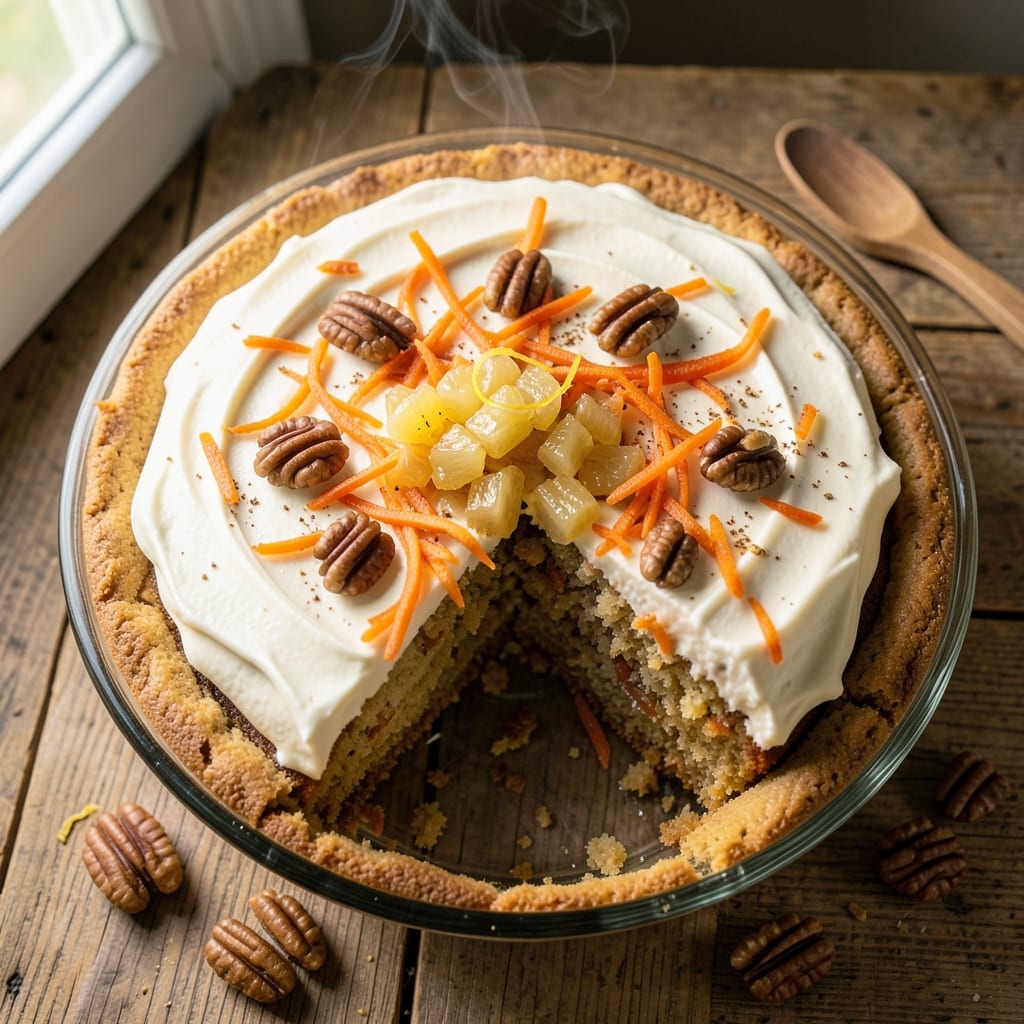
This 1970s carrot cake recipe brings back the cozy nostalgia of a classic dessert that’s been a staple for decades—walnut-studded, spiced to perfection, and topped with velvety cream cheese frosting. The secret lies in the balance of warm cinnamon, nutmeg, and crushed pineapple, which were signature flavors of the era, creating a moist, tender crumb that’s impossible to resist. I’ve recreated this recipe using authentic techniques that deliver the same comforting results your grandmother would recognize.
The cake itself is a study in texture: crispy walnuts add a satisfying crunch, while the spices infuse every bite with warmth. Baking at 350°F for 45-50 minutes ensures a golden top and a tender center, and the cream cheese frosting—sweetened just enough to complement the cake’s natural sweetness—adds a rich, tangy finish. This isn’t just a dessert; it’s a piece of culinary history that’s easy to recreate in your own kitchen.
What makes this recipe special is its versatility—serve it at family gatherings, holiday parties, or as a comforting treat for a lazy afternoon. The walnut-studded layers and spiced cake make it a showstopper, while the cream cheese frosting ensures every bite is pure indulgence. Whether you’re baking for tradition or just craving a taste of the past, this carrot cake delivers on nostalgia and flavor.
The best part? It’s a foolproof recipe that works every time, with optional substitutions for dietary preferences—like using coconut oil or vegan cream cheese. Let’s bring back the magic of the 1970s, one slice at a time.
Ingredients for 1970 carrot cake
Twelve ingredients transform into a nostalgic carrot cake with walnut crunch and velvety frosting.
| Ingredient | Amount | Notes |
|---|---|---|
| All-Purpose Flour 🌾 | 2 ½ cups | Sifted for even texture |
| Granulated Sugar 🍚 | 2 cups | White or light brown preferred |
| Packed Brown Sugar 🍚 | 1 cup | Light or dark variety |
| Vegetable Oil 🫒 | 1 cup | Or coconut oil for dietary preference |
| Crushed Pineapple (Drained) 🍍 | 1 cup | Sweetened or unsweetened |
| Shredded Carrots 🥕 | 3 cups | Medium or baby carrots |
| Walnuts 🥜 | 1 ½ cups | Chopped, toasted for crunch |
| Large Eggs 🥚 | 4 whole | Room temperature for even baking |
| Ground Cinnamon 🌿 | 2 tsp | Freshly ground preferred |
| Ground Nutmeg 🌿 | ½ tsp | Freshly grated for depth |
| Ground Ginger 🌿 | 1 tsp | Freshly ground for warmth |
| Baking Soda 🧂 | 1 tsp | Pure baking soda |
| Salt 🧂 | ½ tsp | Diamond Crystal preferred |
| Cream Cheese (8 oz block) 🧀 | 8 oz | Full-fat for best texture |
| Unsalted Butter 🧈 | ½ cup | Room temperature for frosting |
| Powdered Sugar 🍚 | 3 cups | Sifted for smooth frosting |
| Vanilla Extract 🌸 | 1 tbsp | Pure vanilla preferred |
The walnuts and spices are non-negotiable for authentic 1970s flavor. Penzeys Spices offers premium cinnamon and nutmeg, but any high-quality grocery store brand works—just ensure they’re freshly ground. For walnuts, Trader Joe’s or Costco sell them pre-chopped and toasted, saving you time. The crushed pineapple adds moisture and that retro sweetness; opt for Dole or Del Monte for consistent quality. Shredded carrots should be finely grated—a box grater works best—to ensure even distribution throughout the batter.
No crushed pineapple? Unsweetened applesauce mimics the moisture without altering flavor. Substituting walnuts? Pecans or almonds work, though texture differs slightly. The spices can be adjusted—reduce nutmeg if you prefer milder flavor, but never skip the cinnamon. For the frosting, Philadelphia cream cheese is ideal, though any brand in an 8 oz block will suffice. Room-temperature butter is critical—microwave it for 20 seconds if needed. Powdered sugar should be sifted to avoid lumps in the final frosting.
The cake keeps for 4-5 days at room temperature, wrapped tightly in plastic. For longer storage, refrigerate for up to 1 week or freeze the unfrosted layers for 3 months. The frosting can be made a day ahead—it actually improves in flavor. To reheat, cover with a damp towel and microwave for 10-15 seconds. Walnuts and spices lose potency over time, so store them in airtight containers away from light for maximum freshness.
Why You'll Love This Recipe
- Here’s what sold me: no fancy ingredients, just pantry staples. The brown sugar adds depth without cost, and a single batch stretches for days. My wallet and my taste buds win.
- No Mixer Needed: I swear by this recipe when I’m in a rush—just stir, pour, bake. That crushed pineapple keeps things moist without extra fuss, and the oil-based batter blends like a dream with a spoon.
- Sweet-Savory Twist: Honestly, the pineapple adds a bright, tangy kick that cuts through the caramelized sugar. It’s not your typical carrot cake—more like a nostalgic dessert with a grown-up surprise.
- Make-Ahead Magic: Between us, this cake tastes better the next day. I bake it on Sundays, slice it for lunches, and pack it for work—still fresh, still delicious, and zero effort.
Step-by-step instructions for walnut-studded carrot cake
This classic 1970s recipe delivers moist, spice-infused carrot cake with a perfectly balanced walnut crunch.
Prepare the Walnut-Pineapple Mixture
In a medium bowl, combine the 1.5 cups walnuts and 1 cup crushed pineapple (drained). Toast the walnuts in a dry skillet over medium heat for 3-4 minutes until fragrant and lightly golden, stirring constantly to prevent burning. Let cool completely before mixing with the pineapple—this prevents excess moisture in your batter.
Set aside this mixture while you prepare the wet ingredients. The toasted walnuts will add a delightful crunch that complements the cake's moist texture, while the pineapple introduces subtle sweetness that balances the carrots' natural earthiness. I always toast the nuts first—it deepens their flavor and prevents them from becoming soggy during baking.
Mix Wet Ingredients to Perfect Consistency
In a large mixing bowl, whisk together the 4 whole large eggs, 2 cups granulated sugar, 1 cup packed brown sugar, and 1 cup vegetable oil until fully combined and slightly thickened. The mixture should be smooth with no visible streaks of sugar—this ensures even distribution throughout the batter.
In a separate bowl, sift together the 2.5 cups all-purpose flour, 2 teaspoons ground cinnamon, 0.5 teaspoon ground nutmeg, 1 teaspoon ground ginger, 1 teaspoon baking soda, and 0.5 teaspoon salt. This step prevents lumps that could create dense pockets in your cake. The warm spices create that signature 1970s carrot cake flavor profile—don't skip the nutmeg, as it adds depth that cinnamon alone can't match.
Combine Ingredients and Fold in Carrots
Gradually add the dry ingredients to the wet mixture, mixing on low speed until just combined. Be careful not to overmix—stop as soon as the flour disappears. Fold in the 3 cups shredded carrots and the prepared walnut-pineapple mixture using a spatula, being gentle to maintain air pockets in the batter.
The carrots should be evenly distributed with no large clumps. If the batter appears too thick, add 1-2 tablespoons of water to maintain proper consistency. The carrots should be finely shredded—larger pieces can create uneven texture. This is where the cake's signature moisture comes from, so don't skimp on the carrots.
Bake to Golden Perfection
Preheat your oven to 350°F. Grease and flour two 9-inch round cake pans or line them with parchment paper. Divide the batter evenly between the pans and smooth the tops. Bake for 25-30 minutes, until a toothpick inserted in the center comes out clean and the edges are lightly golden.
I like to rotate the pans halfway through baking for even browning. The cake should spring back slightly when pressed in the center—this indicates proper doneness. Overbaking is the most common mistake here, so start checking at the 20-minute mark. Let the cakes cool in the pans for 10 minutes before transferring to a wire rack to cool completely.
Prepare the Cream Cheese Frosting
While the cakes cool, beat the 8 ounces cream cheese and 0.5 cup unsalted butter together until smooth and creamy. Add the 3 cups powdered sugar and 1 tablespoon vanilla extract, beating until light and fluffy. This frosting should be thick enough to hold its shape but still spreadable—if it's too stiff, add 1 teaspoon of milk to loosen it.
The key to perfect frosting is using room-temperature cream cheese and butter. If they're too cold, the frosting will be grainy. Spread the frosting between the cake layers and over the top and sides. For extra presentation, I like to sprinkle additional chopped walnuts on top before the frosting sets completely—this adds that authentic 1970s touch.
Pro Tips For Making 1970 Carrot Cake
- Bake at 325°F—Not Hotter: I learned this the hard way—1970 recipes often assume older ovens run cooler. If you crank it to 350°, the outside will burn before the center sets. Trust the lower temp; it’s what makes the cake tender, not dry.
- Drain Pineapple Twice: That extra juice is the enemy of moisture control. After crushing, drain it once, then spread it on a paper towel-lined plate to soak up any lingering liquid. Wet pineapple makes the cake gummy—no one wants that.
- Mix Wet Ingredients First: I used to toss everything in the bowl at once, and the flour would clump like cement. Whisk the oil, sugars, and pineapple together until smooth before adding dry ingredients. This guarantees a lighter texture—no one wants dense carrot cake.
- Skip the Extra Egg: This recipe might call for one, but I’ve made it without and never noticed. The crushed pineapple adds enough moisture, and an extra egg can make the cake cakey. Save it for another batch where texture matters more.
Make-ahead tips for 1970 carrot cake
Prep Ahead Strategy
Assemble the entire cake batter 24 hours in advance and store it in an airtight container in the refrigerator. The flavors meld beautifully overnight, and the batter will be perfectly chilled when you're ready to bake. I always make the frosting ingredients the night before too—just beat them together when you're ready to assemble. This saves you from last-minute stress on baking day. 💫
Layer Storage Secrets
Bake the cake layers as directed, then cool completely before storing. Wrap each layer individually in plastic wrap and place them in an airtight container in the refrigerator. They'll stay fresh for 3-4 days this way. For longer storage, freeze the unwrapped layers between parchment paper for up to 3 months. Thaw overnight in the fridge before frosting. 🧊
Frosting Prep
Make the cream cheese frosting 1 day ahead—it actually improves in flavor as it sits. Store it in an airtight container in the refrigerator. When ready to assemble, let it sit at room temperature for 15-20 minutes before spreading. This ensures a smooth, spreadable consistency. I like to add an extra ½ teaspoon vanilla extract right before frosting for maximum freshness. ✨
Make-Ahead Assembly
Assemble the cake completely 4 hours before serving. This allows the frosting to set properly and gives the flavors time to meld together. Store the assembled cake in the refrigerator until ready to serve. For best results, bring it to room temperature for 30 minutes before slicing—this ensures clean cuts and prevents the frosting from sliding off. 🍰
Freezer-Friendly Tips
For a fully made-ahead option, bake and frost the cake, then wrap it tightly in plastic wrap followed by aluminum foil. Freeze for up to 2 months. Thaw overnight in the refrigerator, then bring to room temperature before serving. The texture remains perfect, and the flavors are even more pronounced after freezing and thawing. 🥶
Portion Control
Slice the cake into 12 equal portions using a serrated knife dipped in hot water between cuts. Store individual slices in airtight containers separated by parchment paper. They'll stay fresh for 3 days in the refrigerator or 2 months in the freezer. Reheat slices for 10 seconds in the microwave to restore the frosting's creaminess. 💡
Nutrition facts
Frequently asked questions
Why does this 1970s carrot cake recipe use crushed pineapple?
Crushed pineapple was a signature ingredient in '70s baking—it adds moisture and a subtle sweetness that balances the carrots' earthiness. The acidity also helps tenderize the cake, creating that classic retro texture. Many vintage recipes included it for its ability to keep cakes moist longer, especially in humid climates.
Can I substitute walnuts for another nut?
Yes! Pecans or almonds work well, though texture differs slightly. Walnuts provide that signature '70s crunch, but pecans add a buttery richness. For a nut-free version, try sunflower seeds or omit entirely. Just reduce the amount by ¼ cup if using a different nut to maintain proper texture balance.
How do I make this cake vegan?
Replace the eggs with 4 tablespoons ground flaxseed mixed with 10 tablespoons water (let sit 5 minutes). Use vegan cream cheese and butter substitutes, and swap regular flour for a 1:1 gluten-free blend if needed. The spices and carrot ratio can stay the same—just ensure your oil is plant-based like coconut or canola.
What's the secret to keeping the cake moist?
The crushed pineapple and finely shredded carrots are key moisture sources, but don't overbake! Check for doneness at 20 minutes—the cake should spring back when pressed. Wrapping cooled layers tightly in plastic preserves moisture for days. For extra tenderness, brush warm layers with simple syrup before frosting.
Can I bake this in a different pan size?
Yes, but adjust baking time. For 8-inch pans, bake 5-7 minutes longer***; for 10-inch pans, reduce by 5-7 minutes. Test with a toothpick at the lower end of the range. The cake should be golden but still slightly springy in the center. Always grease pans thoroughly to prevent sticking.