
Breakfast & Brunch
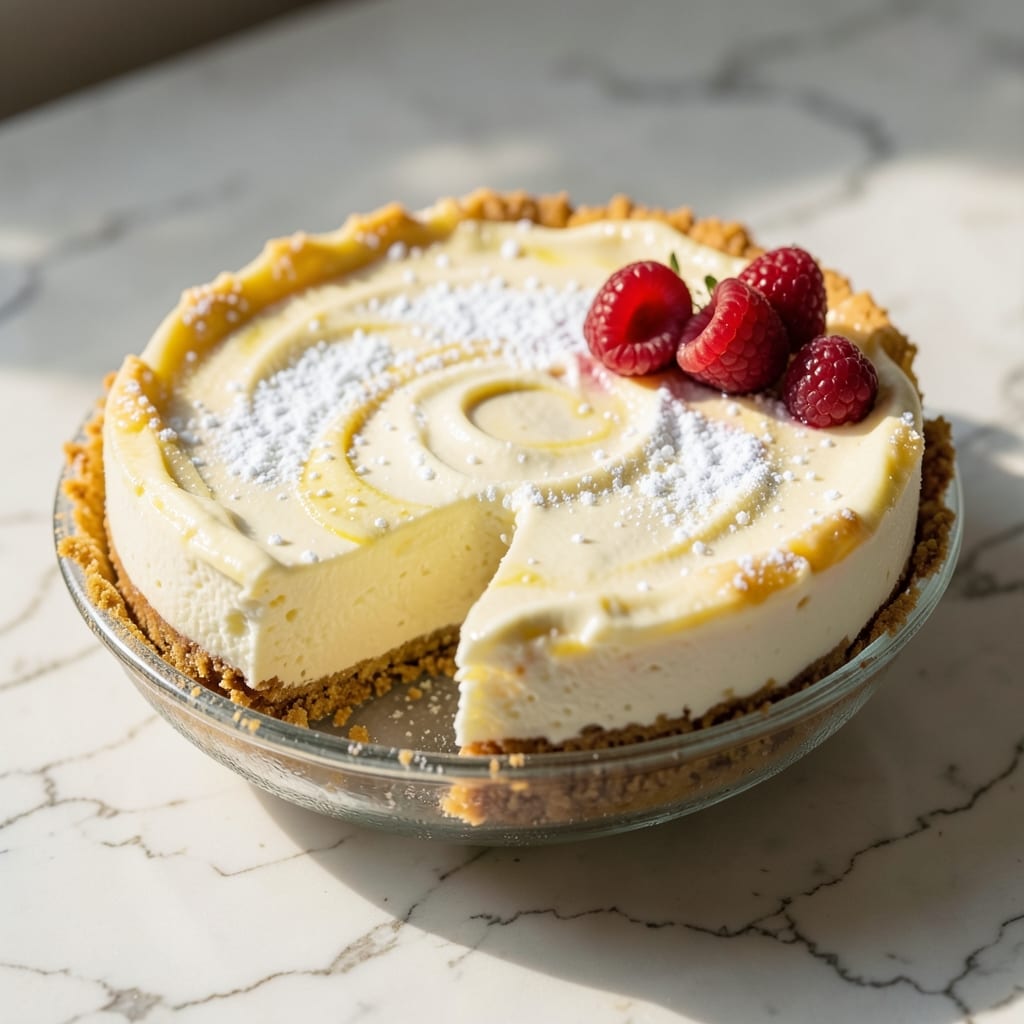
A 2-egg cheesecake delivers all the creamy richness of classic cheesecake with half the eggs—and none of the sinking or cracking. This recipe transforms simple pantry staples into a velvety, jiggly center with a buttery graham cracker crust, all while cutting calories and prep time. The secret lies in precise egg incorporation and a water bath bake that ensures a silky texture without fail.
What sets this recipe apart is its foolproof structure: a sturdy crust baked just enough to hold its shape, followed by a light-as-air filling that sets perfectly without overcooking. No special equipment is needed—just a springform pan and a water bath (or double boiler) to prevent cracks. The result? A cheesecake so tender it melts in your mouth, yet sturdy enough to slice cleanly.
By the time you take that first bite, you’ll taste the balance of sweet and tangy—creamy filling with a subtle graham cracker crunch at the base. The texture is what makes it special: no graininess, no dense center, just pure, velvety perfection. This version proves you don’t need a full dozen eggs to achieve restaurant-quality results at home.
Whether you’re hosting brunch or craving a light dessert, this cheesecake delivers in under 2 hours with minimal effort. Serve it chilled with fresh berries or a drizzle of caramel for an elegant finish. Here’s how to make it—step by step.
Ingredients for 2 egg cheesecake
Pantry staples and two eggs—this is all you need for velvety perfection.
| Ingredient | Amount | Notes |
|---|---|---|
| Graham Crackers 🍪 | 1 ½ cups | Crushed into fine crumbs |
| Unsalted Butter 🧈 | ½ cup | Melted, full-fat preferred |
| Granulated Sugar 🍚 | ½ cup | For crust sweetness |
| Large Eggs 🥚 | 2 whole | Room temperature, separated |
| Full-Fat Sour Cream 🥛 | ½ cup | Full-fat for creaminess |
| Cream Cheese 🧀 | 8 oz | Room temperature, full-fat |
| Powdered Sugar 🍚 | ½ cup | For sweetness and stability |
| Vanilla Extract 🌿 | 1 tsp | Pure vanilla preferred |
| Lemon Juice 🍋 | 1 tbsp | Freshly squeezed |
| Salt 🧂 | ¼ tsp | Fine sea salt preferred |
| Heavy Whipping Cream 🥛 | ¼ cup | Optional for extra richness |
| Graham Cracker Crust 🍪 | 1 package | Standard 14-15 sheet box |
The graham crackers make the crust. Honey Maid or Keebler work best—they crush into fine, buttery crumbs. If you're using a box, crush them in a food processor or bag with a rolling pin. For the butter, full-fat is non-negotiable—it's what gives that rich flavor. If you're short on time, melt the butter in the microwave for 40 seconds instead of on the stove. The crust should be crumbly but hold together when pressed—if it's too dry, add a splash of melted butter.
No full-fat sour cream? Greek yogurt works in a pinch, but it won't be as rich. Cream cheese is the backbone of the filling, so Philadephia brand is your best bet—it's consistently smooth. Room temperature matters here: take the cream cheese out of the fridge 30 minutes before mixing. The powdered sugar isn't just for sweetness—it helps stabilize the filling so it doesn't sink. If you want extra tang, add a pinch of lemon zest along with the juice. And if you're feeling fancy, swap the vanilla extract for vanilla bean paste.
Prep the crust first and chill it while you make the filling—it's worth the 15 minutes. The filling keeps at room temperature for 4 hours, but it's best served chilled. For make-ahead, assemble the cheesecake and refrigerate overnight—the flavors meld beautifully. If you're giving it as a gift, wrap the pan in plastic and secure it with a ribbon. Store leftovers in the fridge for up to 5 days, but honestly, it won't last that long.
Why You'll Love This Recipe
- No Crust Fuss: I crush graham crackers with my hands—no food processor, no stress. The buttery crumbs melt into a perfect base while you mix the filling, and honestly? It’s the kind of shortcut that makes me want to bake more.
- Two Egg Magic: That’s right, just two eggs. They whip up fluffy and rich, balanced by the tang of sour cream and the sweetness of sugar—no grainy texture, no waiting for a water bath. It’s the kind of simple filling that tastes like it took all day.
- Potluck Star: Bring this to a gathering and watch it disappear. The graham crust adds a buttery crunch that pairs perfectly with fruit or caramel, and it slices cleanly—no one will guess it’s made with just two eggs. (Yes, even on a Tuesday night.)
- Budget Buster: Full-fat sour cream and eggs stretch further than you’d think, and graham crackers are a pantry staple. I’ve made this for under $5 per serving, and the leftovers? They last in the fridge for days without drying out. Practical? Absolutely. Delicious? Ridiculously.
Step-by-step instructions for 2 egg cheesecake
This ultra-light cheesecake comes together with just two eggs—no heavy mixing, no waiting hours. Here's how to make it perfectly smooth every time.
Prepare the Crust and Mix the Filling Base
Start by crushing the 1.5 cups graham crackers into fine crumbs using a food processor or rolling pin. Mix these with the 0.5 cup melted unsalted butter and 0.5 cup granulated sugar until the mixture looks like wet sand. Press this firmly into your prepared crust (from the 1 package graham cracker crust) and chill in the freezer while you make the filling.
In a large bowl, beat the 8 oz cream cheese and 0.5 cup full-fat sour cream together until completely smooth. Add the 0.5 cup powdered sugar, 1 tsp vanilla extract, 1 tbsp lemon juice, and 0.25 tsp salt, mixing until fully combined. This step ensures your cheesecake will be light and tangy—not too sweet. Here's the thing—don't overmix or you'll end up with a dense texture instead of that signature creamy finish.
Incorporate Eggs and Whipping Cream
Add the 2 whole large eggs (separated at room temperature) one at a time, mixing just until each is fully incorporated. For the egg yolks, beat them in completely before adding the whites. Gently fold in the 0.25 cup heavy whipping cream if using, reserving about 2 tablespoons for the top later. The key here is to mix just enough to combine—overmixing introduces air that can cause cracks during baking.
Pour the filling over the chilled crust, spreading it evenly. Here's where precision matters: tap the pan gently on the counter to release any air bubbles. This prevents unsightly cracks later. If you're worried about cracks, sprinkle a thin layer of crushed graham crackers on top before baking—it creates a protective barrier.
Bake at Low Heat for Perfect Texture
Place the cheesecake in the center of your preheated 325°F oven (don't use the broiler—this is critical). Bake for 45-50 minutes until the edges are set but the center still jiggles slightly (it will firm up as it cools). The oven should be fully preheated—cold spots lead to uneven baking. I like to place a baking sheet under the pan to catch any drips and ensure even heat distribution.
Real talk: don't open the oven door during baking. The temperature drop causes the cheesecake to sink. If you see the top browning too quickly, tent it loosely with foil. When you pull it out, the center should still look slightly underdone—it'll set as it cools. Let it cool in the oven with the door slightly ajar for 15 minutes before transferring to a wire rack to cool completely.
Chill and Serve for Maximum Creaminess
Once completely cooled, refrigerate the cheesecake for at least 4 hours (overnight is even better). This chilling time is non-negotiable—it allows the flavors to meld and the texture to set properly. If you're in a hurry, you can speed up the process by placing it in the freezer for 1 hour, but it won't be as creamy.
Before serving, run a hot knife through the cheesecake to clean up the edges and create neat slices. Top with the reserved 2 tablespoons heavy whipping cream if desired, or a dusting of powdered sugar. Each slice should be light, creamy, and rich—no graininess from overmixing, no cracks from improper baking. Serve with fresh berries or a drizzle of caramel for extra flair.
Pro Tips For Making 2 Egg Cheesecake
- Preheat Pan and Oven Together: My first burned batch taught me this: place your springform pan inside the oven while it preheats to 325°F (165°C). That way, the crust hits the right temperature immediately—no waiting for the pan to catch up after you pour the batter.
- Toast Graham Crumbs Until Golden: Skip the microwave shortcut—toss those graham cracker crumbs with melted butter and sugar, then spread them in the pan and bake for 5 minutes at 325°F. The extra heat makes the crust crispier and less likely to turn soggy when the filling sets.
- Whip Eggs and Sugar First: I used to mix the sour cream and eggs straight into the batter, but now I whip the eggs and sugar together until pale and slightly thickened before folding in the sour cream. This lightens the texture and keeps the cheesecake from getting dense—especially important with just two eggs.
- Bake Until Jiggly, Not Firm: Take the cheesecake out when the edges are set but the center still wobbles like Jell-O. If you wait for it to look fully done, it’ll overbake and crack. A toothpick test is fine, but don’t trust it—your hands know better.
Wine and beer pairings for this recipe
Sweet Wine Pairings
This delicate cheesecake pairs beautifully with sweet wines that complement its creamy texture and subtle vanilla notes. I always reach for a Moscato d'Asti—its light effervescence and honeyed sweetness cleanse the palate between bites. The 2% alcohol content makes it perfect for dessert without overpowering the cheesecake's richness. For a slightly bolder option, try a Riesling from Germany, particularly a Spätlese—the stone fruit flavors mirror the cheesecake's sweetness while adding a refreshing acidity. 🍷
Creamy Dessert Ports
If you prefer fortified wines, a Ruby Port or Tawny Port adds depth to each slice. The caramel and dried fruit notes in a 10-year Tawny enhance the cheesecake's vanilla and lemon undertones. I like to serve it slightly chilled—around 60°F—to balance the cheesecake's cool creaminess. For a lighter option, a Pedro Ximénez Sherry with its raisin and chocolate flavors creates a luxurious pairing that feels almost decadent. 🍷
Coffee Liqueur Infusions
For a non-alcoholic twist, I drizzle a vanilla bean syrup or Kahlúa over the top before serving. The coffee notes in Kahlúa cut through the sweetness, adding complexity that makes the cheesecake taste even more sophisticated. If you're serving this at a brunch, a strong espresso on the side lets guests adjust their own balance of coffee and cheesecake. 💛
Beer Pairings for Brunch
Believe it or not, a Belgian Witbier like Hoegaarden works surprisingly well with this cheesecake. The citrusy notes from coriander and orange peel brighten the dish, while the slight sweetness balances the tang. For a craft beer option, try a honey brown ale—the caramel and toasted malt flavors complement the graham cracker crust beautifully. Serve the beer slightly chilled (45-50°F) to enhance its crispness against the creamy cheesecake. 🍺
Seasonal Adaptations
In summer, pair with sparkling rosé to keep the meal light and refreshing. The berry notes in the wine echo the cheesecake's vanilla sweetness while adding a touch of acidity. For winter gatherings, a spiced Chardonnay with hints of cinnamon and vanilla creates a cozy, festive pairing that feels like a hug in a glass. The warmth of the wine contrasts perfectly with the cheesecake's cool creaminess. ✨
Nutrition facts
Frequently asked questions
Why does this recipe use only 2 eggs?
This recipe uses just 2 eggs to create a light, airy texture without the heaviness of traditional cheesecakes. The secret is in the whipping cream and sour cream, which add volume while keeping the filling rich and creamy. Fewer eggs also reduce the risk of cracks and sinking while cutting calories by nearly 50%.
Can I make this cheesecake without a water bath?
Yes, but it requires extra care! If you skip the water bath, bake at 300°F instead of 325°F and tent the pan loosely with foil after 20 minutes to prevent over-browning. The center should still jiggle slightly when done. For best results, use a springform pan with a well-greased base.
How do I prevent cracks in my cheesecake?
Cracks usually happen from overmixing or sudden temperature changes. To avoid them: mix just until combined, don't open the oven door during baking, and let it cool gradually. For extra insurance, sprinkle crushed graham crackers on top before baking—this creates a protective barrier. Also, ensure your eggs are at room temperature.
Can I substitute Greek yogurt for sour cream?
Yes, but expect a slightly tangier flavor. Use ½ cup full-fat Greek yogurt and add 1 extra tablespoon lemon juice to balance the taste. For texture, whisk the yogurt until completely smooth before mixing. The cheesecake will still be creamy, but the yogurt adds a subtle protein-rich richness.
How long can I keep this cheesecake in the fridge?
This cheesecake stays fresh in the fridge for 5-6 days when stored in an airtight container. For longer storage, freeze slices wrapped tightly in plastic—they'll keep for up to 2 months. Thaw overnight in the fridge for best texture. The crust stays crispy when properly sealed!