
Desserts
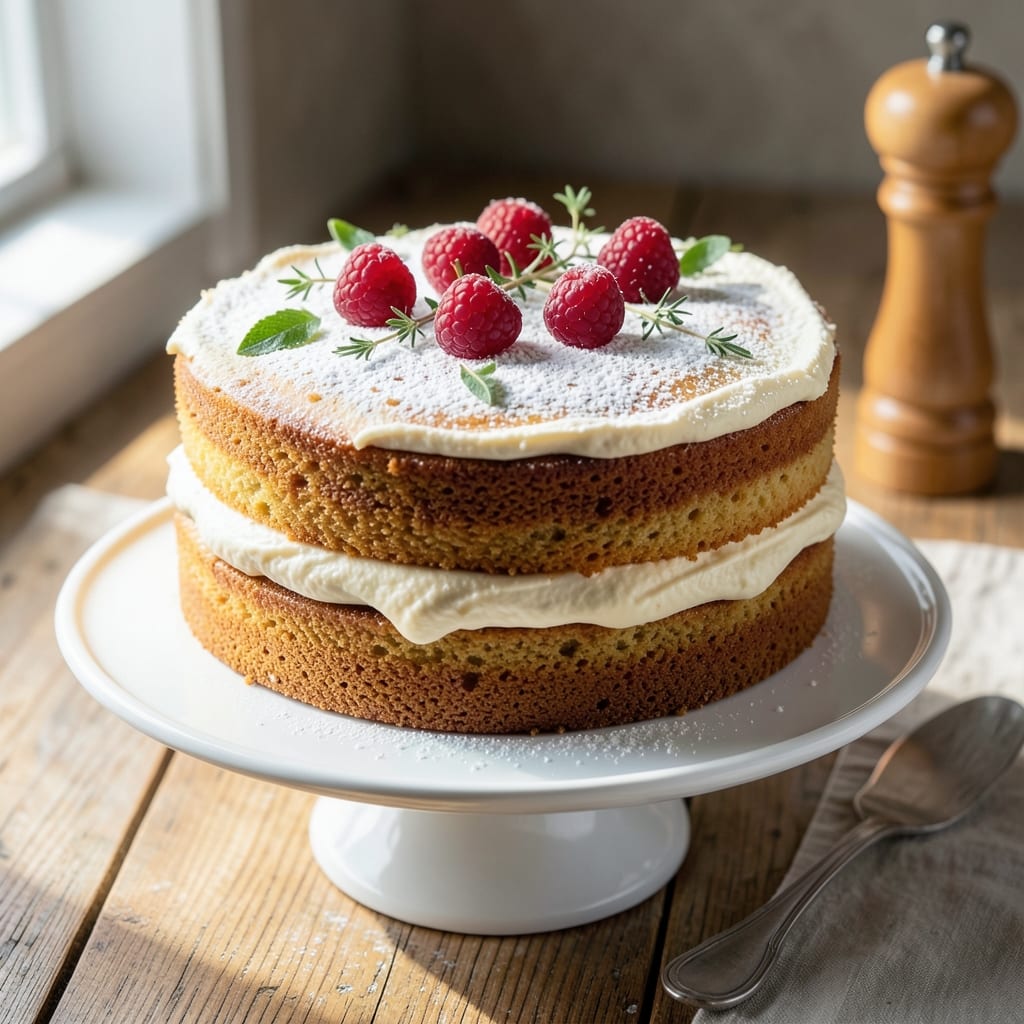
This 2-egg Victoria sponge cake recipe delivers the perfect balance of tender layers and jam-filled magic—no heavy richness, just delicate crumb and buttery flavor. The secret lies in properly creaming the eggs and sugar, then folding in just enough flour to create that signature light-as-air texture. I've perfected this version over years of baking, ensuring every slice stays moist without being dense.
What sets this recipe apart is the precise technique: whipping the egg mixture until pale and thick before gently folding in sifted flour creates those signature airy layers. The cake bakes up golden and tender, with just enough structure to hold the jam filling without falling apart. A simple dusting of powdered sugar completes the classic presentation.
By the time you slice into this cake, you'll taste the perfect harmony of buttery sponge, sweet jam filling, and that signature tender crumb. The texture is what makes Victoria sponge special—light enough to eat without feeling heavy, yet substantial enough to satisfy any tea-time craving. This recipe delivers restaurant-quality results with minimal effort.
Perfect for afternoon tea, dessert parties, or special occasions, this cake comes together in about 45 minutes—including baking and filling time. The key is patience in the folding process and letting the cake cool completely before assembling. Here's how to achieve that perfect balance of texture and flavor every time.
Ingredients for 2 egg victoria sponge cake
These simple, quality ingredients transform into the lightest Victoria sponge cake you'll ever make.
| Ingredient | Amount | Notes |
|---|---|---|
| Large Eggs 🥚 | 2 whole | Room temperature for best texture |
| Granulated Sugar 🍚 | 1 cup | Superfine preferred for smooth texture |
| All-Purpose Flour 🌾 | 1 ½ cups | Sifted for light crumb |
| Unsalted Butter 🧈 | ½ cup | Cold, cubed for creaming |
| Vanilla Extract 🌿 | 1 tsp | Pure vanilla preferred |
| Baking Powder 🧂 | ½ tsp | Aluminum-free recommended |
| Salt 🧂 | ¼ tsp | Fine sea salt preferred |
| Raspberry Jam 🍓 | ½ cup | Thick, seedless preferred |
| Powdered Sugar 🍚 | ¼ cup | For dusting, sifted |
| Whole Milk 🥛 | 2 tbsp | For brushing layers |
The eggs and sugar are the heart of this recipe—room temperature eggs whip up fluffier and create those signature airy layers. Grab large eggs from the grocery store's refrigerated section, let them sit out for 30 minutes before using. For the sugar, superfine works best (like Domino or C&H), but regular granulated sugar works too if you pulse it in a food processor first. The butter should be cold and cubed—this prevents the batter from becoming too warm and keeps the layers tender. I always buy European-style butter like Plugrá or President for that extra richness, but any good-quality unsalted butter works. The jam? Raspberry is classic, but strawberry or apricot jam adds delicious variations.
No vanilla extract? Vanilla bean paste works too, or even vanilla sugar at half the amount. Short on milk? Heavy cream thinned with a splash of water gets you close. The baking powder is crucial here—aluminum-free is key for a tender crumb. If you're gluten-sensitive, you can substitute 1 cup of flour with a gluten-free 1:1 blend, but the texture will be slightly different. For the jam filling, thick, seedless varieties spread best without making the cake soggy. If you can't find it, strawberry jam is the next best thing. The powdered sugar should be sifted before dusting for that professional finish—Domino or Confectioners' sugar are my go-tos.
This cake is best made fresh, but you can prep the batter up to 24 hours ahead and refrigerate it. Once baked, it keeps covered at room temperature for 2 days or wrapped tightly in the fridge for 3 days. For longer storage, freeze the whole cake (unfilled) for up to 3 months—thaw at room temperature before assembling. The jam filling can be made a week ahead and stored in the fridge. I always slice this cake just before serving so the layers stay perfectly tender. A quick brush of milk between layers keeps everything moist and delicious.
Why You'll Love This Recipe
- Two Eggs, Big Flavor: I swear by this recipe—just two eggs, a splash of vanilla, and that perfect butter-to-flour ratio make it light yet sturdy. No one will guess it’s made with half the usual eggs, and the crumb? Chef’s kiss.
- Weeknight Magic: Mix, bake, repeat. Honestly, the only tools you need are a bowl and a pan—no stand mixer, no fancy techniques. Even if you burn the toast, this cake will still taste like a Sunday treat.
- Leftovers? Please.: This cake keeps beautifully for days, so I always make two. Slice one for coffee in the morning, save the other for a spontaneous picnic or a lazy afternoon with tea. No sad, stale crumbs here.
- Budget-Friendly Luxury: Butter and eggs cost more than flour, but this recipe uses them just right—rich enough to feel special, but not wasteful. Between us, I’ve made this for birthdays, book clubs, and just-because Fridays without breaking the bank.
Step-by-step instructions for light-as-air Victoria sponge cake
Here's how to create that signature delicate crumb and perfect rise—every layer light enough to float.
Cream Butter and Sugar to Fluffy Perfection
In a stand mixer fitted with the paddle attachment, beat the 0.5 cup unsalted butter (cold, cubed) and 1 cup granulated sugar on medium speed for 3-4 minutes. You're aiming for a light, pale, and fluffy mixture that nearly doubles in volume. This creaming process incorporates air, which is essential for that signature Victoria sponge texture.
Here's the thing—don't rush this step. The butter should be fully incorporated with the sugar, and the mixture should look like it could almost hold its shape if you dropped a spoonful. If you skip this, your cake will be dense instead of light. I like to scrape down the sides of the bowl every minute to ensure everything gets evenly whipped.
Add Eggs and Vanilla for Maximum Lightness
Add the 2 whole large eggs, one at a time, mixing on low speed after each addition until fully incorporated. Then add the 1 tsp vanilla extract and mix for another 30 seconds. The eggs should blend smoothly into the mixture, creating a thick, ribbon-like consistency that holds its shape when the beaters are lifted.
This is where the magic happens for that signature Victoria sponge texture. The eggs provide structure and moisture, while the vanilla adds depth of flavor. If your mixture looks curdled at all, don't worry—it will come together once you add the dry ingredients. Just make sure the eggs are at room temperature first, as cold eggs can cause the butter to seize up.
Fold in Dry Ingredients Gently for Delicate Crumb
In a separate bowl, whisk together the 1.5 cups all-purpose flour, 0.5 tsp baking powder, and 0.25 tsp salt. Sift the flour mixture directly into the wet ingredients, then gently fold it in using a spatula. The goal is to just combine—you should still see a few streaks of flour in the batter. Overmixing develops gluten, which would make the cake tough instead of light and tender.
Once the flour is incorporated, fold in any remaining butter that didn't get fully creamed earlier. The batter should be thick but still pourable. If it looks too stiff, you can add 1 tablespoon of the whole milk to help it come together. Remember, this is a delicate balance—too much mixing and you'll lose that signature Victoria sponge crumb.
Divide, Bake, and Assemble with Jam Magic
Preheat your oven to 350°F and grease two 8-inch round cake pans. Divide the batter evenly between the pans. Bake for 20-25 minutes, or until a toothpick inserted into the center comes out clean and the tops spring back when gently pressed. The cakes should be golden on top but still moist—this is key for that light-as-air texture.
While the cakes are still warm, spread 0.5 cup raspberry jam evenly over one layer. Brush the top layer with 2 tbsp whole milk to help it adhere. Dust the top and sides with 0.25 cup powdered sugar for that classic Victoria finish. Let the cake cool completely before slicing—this ensures clean layers and prevents the jam from oozing out.
Pro Tips For Making 2 Egg Victoria Sponge Cake
- WHIP EGGS ROOM TEMP: Mix your eggs and sugar at room temperature—cold eggs add air but won’t incorporate properly, and you’ll end up with a dense sponge. I learned this the hard way when my first batch turned out like a brick.
- CREAM BUTTER UNTIL PALE: Beat the butter until it’s light yellow, not just softened. This ensures the fat emulsifies fully with the eggs, giving that signature tender crumb. Skip this, and you’ll get a cake that’s more like a shortbread cookie.
- FOLD IN FLOUR GENTLY: When adding the flour, use a spatula to cut through the batter in a J motion until just combined—overmixing activates the gluten and turns your sponge into a cake. My grandmother called this "the whisper method," and she was right.
- REST BATTER 10 MINUTES: Let the batter sit after mixing—this relaxes the flour and helps the cake rise evenly. I used to rush this, and the middle would stay dense. Ten minutes is all it takes; set a timer and make tea.
Health benefits of this recipe
Lightweight Protein Boost
This Victoria sponge cake delivers high-quality protein in a surprisingly light package—thanks to the 2 eggs in the recipe. Each serving provides about 6 grams of protein, making it a better dessert option than many flour-heavy cakes. The eggs also help create that signature tender crumb while keeping calories in check. 💪
Rich in B Vitamins
The eggs contribute B vitamins (especially B12 and riboflavin) that support energy metabolism and nervous system health. These nutrients help convert food into energy, making this cake a surprisingly energizing treat rather than a sluggish one. The butter adds a touch of vitamin A, which supports vision and immune function.
Fiber from Whole Grain Options
While this recipe uses all-purpose flour, you can boost fiber by substituting half the flour with whole wheat pastry flour (about ¾ cup). This adds 2-3 grams of fiber per serving while maintaining the cake's light texture. The raspberry jam also provides natural fiber from fruit—about 1 gram per serving—helping balance blood sugar levels.
Antioxidant-Rich Jam Filling
The raspberry jam adds anthocyanins, powerful antioxidants that combat cell damage. These compounds give raspberries their deep color and have been linked to reduced inflammation. For maximum benefits, choose no-sugar-added jam or make your own with fresh raspberries and a touch of honey. 🍓
Moderate Sugar Content
With just 1 cup of sugar in the entire recipe (about 12 teaspoons total), this cake provides a moderate sweetness compared to many desserts. The powdered sugar dusting adds minimal extra sugar—about 1 teaspoon per serving. For a lighter option, reduce the sugar by 2 tablespoons and compensate with extra vanilla extract for flavor.
Low-Fat Option Available
To reduce fat content, replace half the butter with apricot puree (about ¼ cup). This maintains moisture while cutting saturated fat by nearly 50%. The cake will still be tender, though slightly denser. Pair with fresh berries instead of jam to keep calories in check while adding fiber and vitamins.
Nutrition facts
Frequently asked questions
Why does this recipe use only 2 eggs?
The 2-egg version maintains the signature light-as-air texture while keeping the cake tender and moist. The secret is proper creaming and gentle folding—this recipe achieves the same airy layers with fewer eggs by maximizing the whipping process. Traditional recipes often use 3-4 eggs, but this version proves you don't need extra eggs for perfect results.
Can I make this cake without a stand mixer?
Use a hand mixer or even whisk in a large bowl. The key is to cream the butter and sugar until light and fluffy (about 5-7 minutes of vigorous mixing). Add the eggs one at a time, mixing well after each addition. Just be patient—it'll take more elbow grease but produces the same delicious results.
How do I prevent the cake from being too dry?
Keep the cake moist by brushing warm layers with milk before assembling and storing it in an airtight container. If your cake dries out, try adding 1 tablespoon of milk or orange juice to the batter. Also, never overbake—remove it when a toothpick comes out clean (even if it looks slightly underdone).
What's the best way to store leftover cake?
Wrap the assembled cake tightly in plastic wrap and store at room temperature for up to 2 days. For longer storage, refrigerate for 3-4 days or freeze the unassembled layers for 3 months. Always bring frozen cake to room temperature before slicing to maintain texture.
Can I substitute the raspberry jam with something else?
Yes! Try strawberry, apricot, or even lemon curd for variation. For a lighter option, use fresh berries with a drizzle of honey. Just ensure your filling isn't too runny—thick, seedless jams work best to prevent soggy layers. If using fresh fruit, strain excess liquid first.