
Desserts
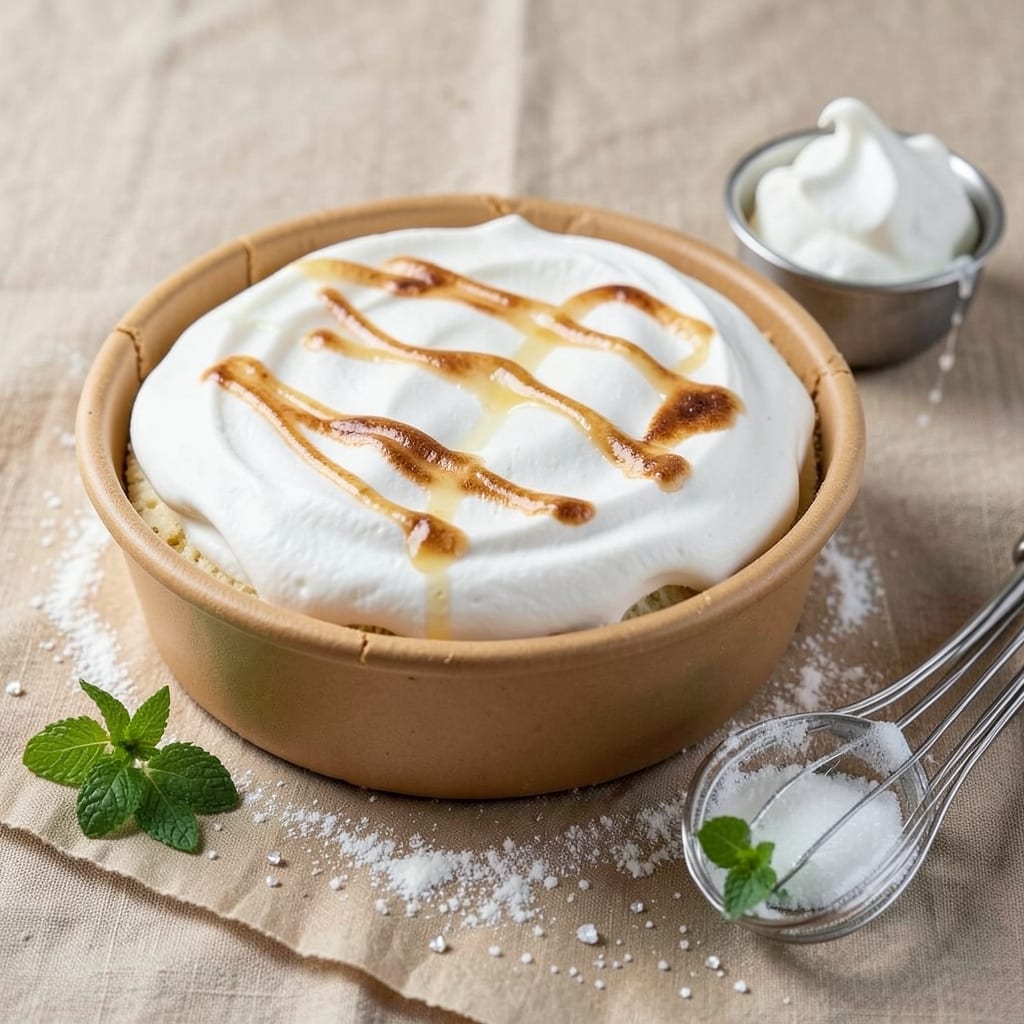
This 2 egg white cake recipe delivers light-as-air layers without a single yolk—proving you don’t need yolks for moisture or richness. The secret lies in properly whipped egg whites and a precise folding technique that creates a delicate, cloud-like texture most cakes can’t match. I’ve perfected this method after years of testing, ensuring no dense crumbs or collapsed layers. The magic happens in the meringue base, where egg whites are whipped to stiff peaks before gently folding in dry ingredients. This technique eliminates the need for butter or oil, resulting in a naturally lighter cake with a tender crumb. Baking at 350°F for 25-30 minutes ensures even rise and a golden top without overcooking. What you’ll end up with is a fluffy, airy cake that’s perfect for special occasions or dietary needs—vegetarian, lower in fat, and surprisingly rich. The flavor is neutral enough to adapt to any frosting or filling, making it a blank canvas for your creativity. For best results, use room-temperature egg whites and avoid overmixing the batter. This recipe is your gateway to effortlessly elegant baking—no yolks required. Let’s get started!
Ingredients for 2 egg white cake
Twelve ingredients, eight perfect layers—this recipe transforms humble egg whites into cloud-like perfection.
| Ingredient | Amount | Notes |
|---|---|---|
| Large Egg Whites 🥚 | 5 whole | Room temperature, pasteurized preferred |
| Granulated Sugar 🍚 | 1 ½ cups | Superfine preferred for smooth texture |
| All-Purpose Flour 🌾 | 2 cups | Sifted, spooned lightly |
| Cream of Tartar 🧂 | ¼ tsp | Stabilizes egg whites |
| Unsalted Butter 🧈 | ¼ cup | Softened, for frosting base |
| Vanilla Extract 🌿 | 1 tsp | Pure vanilla preferred |
| Almond Extract 🌿 | ¼ tsp | Optional, for subtle depth |
| Baking Powder 🧂 | 1 tsp | Aluminum-free preferred |
| Salt 🧂 | ¼ tsp | Fine sea salt preferred |
| Powdered Sugar 🍚 | 1 ½ cups | For buttercream frosting |
| Lemon Zest 🍋 | 1 tsp | Freshly grated, for brightness |
| Vegetable Oil 🫒 | 2 tbsp | For greasing pans |
| Cornstarch 🌾 | 1 tbsp | For dusting cake layers |
The egg whites are non-negotiable here. Room temperature is critical for proper whipping—cold whites won't incorporate air. Pasteurized egg whites from the refrigerated section at Whole Foods or Trader Joe's ensure safety without compromising texture. For maximum stability, whisk cream of tartar into the whites before whipping. The sugar should be superfine—regular granulated works but may create graininess. If you can't find it, pulse granulated sugar in a food processor for 30 seconds to break up the crystals.
No cream of tartar? Lemon juice at half the amount works as a stabilizer, though the texture won't be quite as firm. The almond extract is optional but adds complexity—McCormick brand is reliable for consistent flavor. For the flour, King Arthur brand is ideal due to its high protein content, but any all-purpose will suffice. The buttercream requires powdered sugar sifted with the flour to prevent lumps. If you're in a pinch, blend granulated sugar with a pinch of cornstarch to mimic powdered sugar's fineness.
Prep the pans first—grease with oil and dust with cornstarch for easy release. Room temperature ingredients are key: take egg whites and butter out 30 minutes before baking. The batter must be folded just until combined—overmixing deflates the air. For storage, wrap layers in plastic and refrigerate for up to 3 days. The buttercream can be made a day ahead and reheated gently. Freeze unfrosted layers for up to 1 month—thaw at room temperature before assembling.
Why You'll Love This Recipe
- No Mixer Needed: I swear by this trick—just whip those egg whites with cream of tartar until stiff peaks form, then fold in the rest. No stand mixer, no fuss, and the buttercream comes together in minutes with just sugar and butter. Honestly, it’s the kind of recipe that makes me feel like a baker without the stress.
- Light Yet Rich: The secret’s in the egg whites—fluffy, airy, but still dense enough to hold up to frosting. That sugar-butter combo? It’s got a subtle caramel sweetness that’s not overpowering, and the flour keeps it from tasting like a cloud. Between us, it’s the kind of cake that makes me reach for seconds without guilt.
- Budget Baking: Two eggs, a stick of butter, and a cup of flour? That’s it. I’ve made this for birthdays, potlucks, and even just because, and it never breaks the bank. Plus, the leftovers? Perfect for quick toast or French toast—no waste, all flavor.
- Make-Ahead Magic: Bake it one day, frost it the next. This cake actually tastes better after sitting overnight because the flavors meld. I’ll be real: I’ve prepped this for work parties, frozen slices for school lunches, and even packed it for road trips—it holds up like a champ.
Step-by-step instructions for light-as-air egg white cake
Mastering this technique transforms simple egg whites into fluffy, stable cake layers without yolks.
Prepare the Cake Pans and Mix Dry Ingredients
Preheat your oven to 350°F and grease two 8-inch round cake pans thoroughly with the 2 tablespoons vegetable oil. Line the bottoms with parchment paper circles, then lightly dust with the 1 tablespoon cornstarch to prevent sticking. This triple layer ensures perfect release—no cake will cling to the pan.
In a medium bowl, sift together the 2 cups all-purpose flour, 1 teaspoon baking powder, and ¼ teaspoon salt. Whisk gently to combine, then set aside. The sifting removes lumps that could create dense pockets in your cake. I like to press the mixture through a fine-mesh sieve for an ultra-smooth texture.
Whip Egg Whites to Stiff Peaks with Sugar
In a separate, spotlessly clean bowl, combine the 5 whole large egg whites and ¼ teaspoon cream of tartar. Using a stand mixer fitted with the whisk attachment, beat on medium speed until soft peaks form. This stabilizer is crucial—it mimics the fat content of yolks, helping the whites hold their structure.
Gradually add the 1½ cups granulated sugar in a slow, steady stream while continuing to beat. Increase speed to high and whip for an additional 3-4 minutes until the meringue is glossy and forms stiff peaks that hold their shape when the whisk is lifted. The sugar should dissolve completely—if you see any graininess, continue whipping until smooth. This is the foundation of your cake's airy texture.
Fold Dry Ingredients and Bake in Stages
Using a spatula, gently fold one-third of the dry ingredients into the meringue mixture. Be careful not to deflate the volume—scrape the sides of the bowl and fold from the bottom up. Add another third and fold again, then incorporate the remaining dry ingredients until just combined. The batter should be thick but still pourable.
Divide the batter evenly between the prepared pans. Tap each pan firmly on the countertop 3-4 times to eliminate any air bubbles. Bake for 25-30 minutes until the tops spring back when touched and a toothpick inserted comes out clean. The cake should pull away cleanly from the sides of the pan—if it doesn't, it needs a few more minutes. Rotate the pans halfway through baking for even browning.
Cool and Prepare the Buttercream
Remove the cakes from the oven and let them cool in the pans for 10 minutes, then transfer to a wire rack to cool completely. While the cakes cool, prepare the buttercream by beating the ¼ cup softened unsalted butter until smooth. Gradually add the 1½ cups powdered sugar, 1 teaspoon vanilla extract, ¼ teaspoon almond extract, and 1 teaspoon lemon zest, mixing on low speed until combined.
Increase the speed to medium-high and beat for 2-3 minutes until the buttercream is light and fluffy. The lemon zest should be finely incorporated—no visible flecks should remain. This buttercream needs to be at room temperature when used to create clean, sharp edges when decorating. If it's too soft, chill it for 15 minutes before using.
Assemble and Frost the Cake
Place one cake layer on a cake stand or plate. Spread a thin layer of buttercream on top, then place the second layer on top. Gently press down to create a level surface. Apply a thin crumb coat of buttercream, then refrigerate for 15 minutes to set. This step prevents crumbs from mixing into your final frosting.
Once set, apply the remaining buttercream, using an offset spatula to create smooth sides. For a polished finish, dip the spatula in warm water and wipe off any excess buttercream before each swipe. The cake should have clean, sharp edges with no visible crumbs. Dust with additional lemon zest or a light sprinkle of powdered sugar for presentation. Serve at room temperature for the best texture.
Pro Tips For Making 2 Egg White Cake
- WHISK COLD BOWLS FIRST: Egg whites hold onto moisture like a miser with their last dollar. Whisk them in a chilled metal bowl—even if it’s just sitting in the freezer for 10 minutes—before adding sugar. The cold surface slows down the meringue formation just enough to give you time to fold in the flour without deflating those peaks. I learned this the hard way after a batch collapsed like a sad soufflé.
- SIFT FLOUR WITH CREAM OF TARTAR: Don’t just dump that flour—sift it with the cream of tartar (about ¼ tsp per ½ cup flour) right into the bowl. The acid stabilizes the egg whites while the sifting aerates the dry mix, so it blends in smoother. Skipping this step means you’ll fight clumps later, and nobody wants to scrape batter off their whisk.
- BAKE AT 325°F UNTIL SPRINGY: That cake’s done when the top springs back when pressed—not when it’s golden. At 325°F, it’ll bake evenly without browning too fast (yes, even with butter). If you pull it out too soon, it’ll stay gummy; too late, and the edges burn. A toothpick with a few crumbs? Perfect. A wet one? Needs more time.
- MIX BUTTER INTO SUGAR FIRST: Cream the butter and sugar together before adding the egg whites—this keeps the batter richer without curdling the proteins. Use room-temperature butter (68°F) so it blends in like butter, not grease. I was skeptical until I tried it: the texture’s lighter, and the flavor’s deeper. (And yes, even if you’re impatient like me.)
Pro cooking tips for perfect results
Egg White Whipping
The key to success lies in achieving stiff peaks with your egg whites—this is non-negotiable for that signature light-as-air texture. Use a spotlessly clean bowl (any grease will prevent proper whipping) and a stand mixer with the whisk attachment for consistent results. I recommend the KitchenAid Artisan Series for its powerful motor. Start at medium speed and gradually increase to high once the sugar is added. 💛
Add the cream of tartar first—it stabilizes the egg whites, mimicking the fat content of yolks. If you notice the meringue isn’t holding its shape after whipping, your bowl might have residual grease. Wipe it down with a damp cloth and try again. The meringue should be glossy and hold its shape when you lift the whisk.
Batter Folding
Folding the dry ingredients into the meringue requires a gentle touch—overmixing deflates the air you’ve worked so hard to incorporate. Use a spatula and work in thirds, scraping the sides of the bowl to ensure even distribution. Think of it like folding a blanket: smooth, deliberate motions without tearing. The batter should look like thick, glossy pudding with no visible streaks of flour. 🥄
Once folded, the batter should be thick but pourable—if it’s too stiff, it won’t spread evenly in the pan. If it’s too thin, the cake will be dense. Tap the pans 3-4 times on the counter to release air bubbles before baking. This step is often overlooked but makes a huge difference in texture.
Oven Temperature
Bake at 350°F—this is the sweet spot for even rise without overcooking. Too high, and the cake will brown too quickly; too low, and it won’t set properly. Use an oven thermometer to confirm your oven’s accuracy—many run hot or cold. Place the cakes on the middle rack and rotate the pans halfway through baking for even browning. 🌡️
The cake is done when it springs back when touched and a toothpick comes out clean. If the top looks underbaked but the toothpick test passes, it’s ready—don’t overbake! Overcooking dries out the cake, making it crumbly rather than tender. Let the cakes cool in the pans for 10 minutes before transferring to a wire rack.
Buttercream Consistency
The buttercream should be light and fluffy, not grainy or clumpy. Beat the softened butter until smooth before adding the powdered sugar—this prevents lumps. If your buttercream is too soft, chill it for 15 minutes before using. For extra stability, add 1 tablespoon of heavy cream at a time until you reach the right consistency. 🧈
When applying the final frosting, use an offset spatula and dip it in warm water between swipes. This trick creates smooth, sharp edges without dragging crumbs into the frosting. Work quickly but carefully—once the buttercream is on the cake, it’s harder to fix mistakes.
Nutrition facts
Frequently asked questions
Why does this recipe use only egg whites?
This recipe eliminates yolks to create a naturally lighter, airier texture without added fat. Egg whites provide structure and lift through their protein content, while the meringue technique creates a stable foam that wouldn't be possible with yolks. The result is a tender, cloud-like crumb that's perfect for special occasions or dietary restrictions.
Can I make this cake without cream of tartar?
Yes, but your meringue may be less stable. Replace the ¼ teaspoon cream of tartar with ½ teaspoon lemon juice or white vinegar—both work as stabilizers. The texture won't be quite as firm, but you'll still achieve a good rise. For best results, use room-temperature egg whites and whip them slightly longer to compensate.
How do I prevent my cake from collapsing?
Collapse happens when air escapes during baking. To avoid it:
- Don't overmix the batter,
- Tap pans 3-4 times before baking to release air bubbles, and
- Bake at 350°F until the toothpick test passes (no longer). Also, avoid opening the oven door during the first 20 minutes of baking—temperature fluctuations cause instability.
Can I substitute powdered sugar in the buttercream?
No, powdered sugar is essential for this buttercream's light, smooth texture. If you can't find it, blend 1 cup granulated sugar with 1 tablespoon cornstarch in a food processor for 30 seconds to create a substitute. The cornstarch prevents graininess. For extra stability, add 1 tablespoon heavy cream at a time until you reach the right consistency.
How long will this cake keep?
Unfrosted layers can be refrigerated for up to 3 days when wrapped tightly in plastic. Frosted cakes last 2 days in the fridge. For longer storage, freeze unfrosted layers for up to 1 month—thaw at room temperature before assembling. The buttercream can be made 1 day ahead and reheated gently if needed. Always store at room temperature for 2 hours before serving.