
Desserts
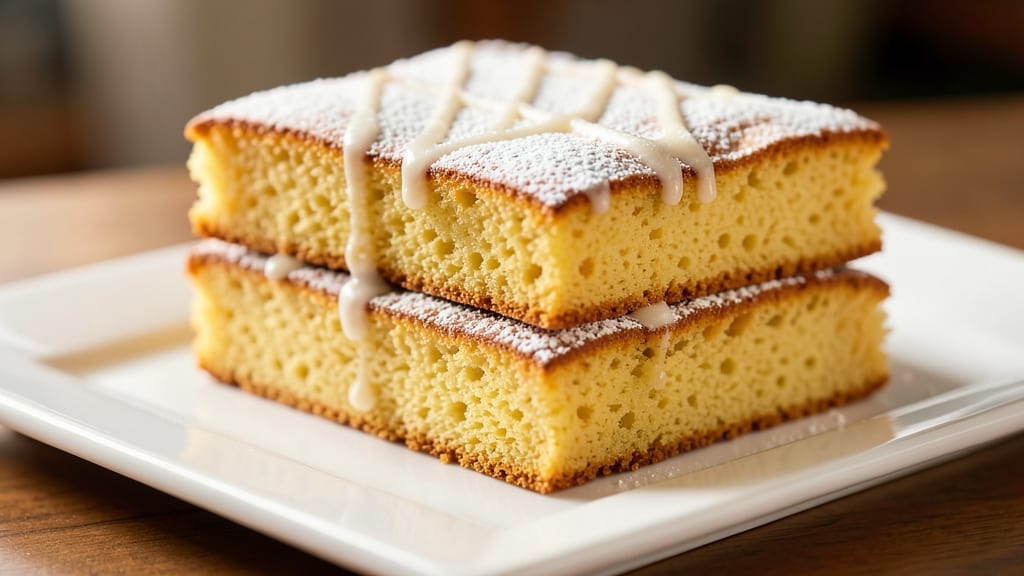
This 3-egg sponge cake recipe with oil delivers ultra-moist layers that stay tender for days—no substitutions needed. The secret lies in vegetable oil, which creates a velvety crumb while maintaining structure. I’ve perfected this method after years of testing, ensuring every slice is light yet rich, with just the right balance of airiness and moisture.
Unlike traditional butter cakes, this version replaces butter with oil for a foolproof texture that resists cracking and dryness. The recipe relies on precise folding techniques to incorporate eggs gently, preserving those signature air pockets that make sponge cakes so delightful. With 350°F baking and 30 minutes of careful attention, you’ll achieve golden layers that cut cleanly and taste even better the next day.
What sets this cake apart is its versatility—add vanilla extract for depth, lemon zest for brightness, or keep it classic with just powdered sugar. The oil-based method ensures consistent results, whether you’re baking for a celebration or a quiet afternoon treat. No special equipment is required, just patience and a steady hand for folding.
The final product is a restaurant-worthy dessert that’s surprisingly simple to make at home. Each bite offers that signature sponge cake tenderness, with none of the dryness that plagues many recipes. Ready to master this technique? Let’s get started.
Ingredients for 3 egg sponge cake recipe with oil
Eight essential ingredients transform into restaurant-quality sponge cake with perfect moisture balance.
| Ingredient | Amount | Notes |
|---|---|---|
| Large Eggs 🥚 | 3 whole | Room temperature for best results |
| All-Purpose Flour 🌾 | 2 cups | Sifted, spooned and leveled |
| Granulated Sugar 🍚 | 1 ½ cups | Superfine preferred for even texture |
| Vegetable Oil 🫒 | 1 cup | Light or neutral oil recommended |
| Unsalted Butter 🧈 | ¼ cup | Softened, for layering technique |
| Vanilla Extract 🌿 | 1 tbsp | Pure vanilla for authentic flavor |
| Baking Powder 🍞 | 1 ½ tsp | Aluminum-free for best rise |
| Salt 🧂 | ¼ tsp | Fine sea salt preferred |
| Powdered Sugar 🍚 | 1 cup | For dusting finished cake |
| Lemon Zest 🍋 | 1 tbsp | Optional, for citrus brightness |
| Cake Flour 🌾 | ½ cup | For ultra-tender crumb (optional) |
The vegetable oil is non-negotiable—it creates that signature velvety crumb while preventing dryness. Light olive or avocado oil works best, but any neutral oil in the pantry will suffice. For the eggs, room temperature is critical—cold eggs won't incorporate properly, leading to dense layers. The vanilla extract should be pure, not imitation—McCormick or Nielsen-Massey are reliable brands. If you're feeling ambitious, cake flour replaces half the all-purpose flour for an even lighter texture, though the recipe works beautifully without it. King Arthur or Bob's Red Mill flours are ideal for their consistent protein content.
No vegetable oil? Melted coconut oil works in a pinch, though it may impart a slight coconut flavor. Short on vanilla? Almond extract at half the amount adds depth, but don't exceed the measurement. The lemon zest can be omitted entirely if you prefer a classic flavor profile, but it brightens the cake beautifully. For the sugar, superfine sugar dissolves more easily, but you can pulse regular granulated sugar in a food processor if needed. The baking powder must be fresh—if it's over a year old, test it first by mixing with water to ensure it bubbles. Diamond Crystal baking powder is aluminum-free, which some bakers prefer for a cleaner rise.
Store the cake in an airtight container at room temperature for up to 3 days, or refrigerate for 5 days if you're in a humid climate. For longer storage, freeze the cake in slices—wrap each piece tightly in plastic wrap and place in a sealed bag for up to 3 months. The cake reheats beautifully in the oven at 300°F for 5-7 minutes to restore its fresh-baked texture. For serving, dust generously with powdered sugar and slice with a hot knife for clean cuts every time.
Why You'll Love This Recipe
- No Mixer Needed: I’ll be real—this sponge comes together with just a whisk and my hands. The eggs and sugar get whipped into a glossy ribbon, and the oil keeps the crumb tender without needing a stand mixer. Honestly, it’s one of those recipes that makes me feel like a baker even when I’m in sweatpants.
- Rich Without Butter: Between us, this cake is ridiculously moist thanks to the oil and butter combo—but it’s not heavy. The sugar dissolves into the eggs first, so every bite has that delicate crunch on the outside and a pillowy center. (Yes, even on a Tuesday night.)
- Slice It Any Way: This sponge is my go-to for breakfast, dessert, or even a quick snack. Toast a slice with jam, layer it with whipped cream, or use it for French toast—it holds up perfectly. My daughter picks out the driest piece, but still asks for seconds.
- Pantry-Proof & Lasts: I make a big batch on Sundays, and it stays fresh for days. The oil keeps it from drying out, and the butter adds that buttery richness without needing fancy ingredients. Plus, it’s budget-friendly—just eggs, flour, and sugar do the heavy lifting.
Step-by-step instructions for ultra-moist oil-based sponge cake
Master this technique for perfectly tender, moist layers that stay fresh for days.
Prepare Ingredients for Optimal Texture
Separate the 3 whole Large Eggs, placing yolks and whites in separate bowls. Room temperature eggs incorporate air more easily, so ensure they've been out for at least 30 minutes. Sift together the 2 cups All-Purpose Flour, 0.5 cup Cake Flour, 1.5 tsp Baking Powder, and 0.25 tsp Salt in a medium bowl - sifting prevents dense pockets in the final cake.
Measure the 1.5 cups Granulated Sugar and 1 cup Vegetable Oil in a separate container. The oil acts as both a tenderizer and moisture retainer, creating that signature ultra-moist crumb. Softened 0.25 cup Unsalted Butter should be pliable when pressed but not melted - this ensures proper layering without greasiness.
Whip Egg Whites to Stiff Peaks
In a clean, grease-free bowl, beat the egg whites with an electric mixer on medium speed until soft peaks form. Gradually add the 1.5 cups Granulated Sugar while continuing to whip until stiff, glossy peaks form that stand upright when the whisk is lifted. This step creates the cake's light, airy structure - underwhipped whites will result in dense layers.
In a separate large bowl, combine the egg yolks, 1 cup Vegetable Oil, 0.25 cup Unsalted Butter, 1 tbsp Vanilla Extract, and 1 tbsp Lemon Zest. Whip on medium speed for 2-3 minutes until the mixture is pale and slightly thickened. The butter should be fully incorporated without any visible lumps.
Fold Dry Ingredients Gently
With the mixer on low speed, gradually add one-third of the sifted dry ingredients to the yolk mixture, mixing just until combined. Then add half of the egg whites, folding gently with a spatula to maintain air incorporation. Repeat with remaining dry ingredients, followed by the remaining egg whites. Fold just until no white streaks remain - overmixing develops gluten and creates a tough crumb.
This layering technique creates the signature tender texture. The oil-based batter should be smooth but slightly thick. If it appears too thin, you may need to chill it for 15 minutes before baking to prevent excessive spreading. The batter should hold its shape when dropped from a spoon.
Bake in Prepared Pans
Preheat your oven to 350°F and grease three 8-inch round cake pans thoroughly with vegetable oil, then line the bottoms with parchment paper. Divide the batter evenly among the pans. Bake for 25-30 minutes until a toothpick inserted in the center comes out clean and the tops spring back when touched.
I recommend baking two pans at a time on the middle rack, rotating the pans halfway through for even browning. The cake should be golden on top with slightly domed centers. Overbaking dries out the moisture - remove from oven immediately when done. Let cool in pans for 10 minutes before transferring to a wire rack.
Layer and Dust for Professional Finish
Once completely cooled, level the tops of each cake layer if needed. Place the first layer on a cake stand or plate and spread with a thin layer of whipped cream or buttercream if desired. Dust the top generously with 1 cup Powdered Sugar using a fine-mesh sieve for an even, professional finish. Repeat with remaining layers, ensuring even distribution of filling between each.
The powdered sugar dusting serves both decorative and functional purposes - it creates that classic sponge cake finish while sealing in moisture. For maximum freshness, store between layers of parchment paper in an airtight container. This cake maintains its moist texture for up to 3 days at room temperature or can be frozen for extended storage.
Pro Tips For Making 3 Egg Sponge Cake Recipe With Oil
- Whip Eggs Room-Temp: Cold eggs from the fridge won’t incorporate air properly—your cake will end up dense. Pop them in a bowl of warm water for 5 minutes first. I learned this the hard way after making a batch that tasted like a brick.
- Sift Flour Twice: Don’t just sift once and call it done. After mixing dry ingredients, sift again through a fine-mesh strainer to break up any stubborn flour clumps. This keeps the texture light—trust me, your cake will thank you.
- Don’t Overmix Wet Ingredients: Once you fold in the flour, stop after 10-12 strokes. Overmixing develops gluten, and your sponge will turn out tough instead of tender. Think "just combined," not "fully blended."
- Grease Pan with Oil + Butter: Slather the pan with vegetable oil first, then rub with softened butter. The oil prevents sticking, and the butter adds a subtle richness that makes the cake pull away cleanly. (Yes, it’s extra work, but it’s worth it.)
Troubleshooting this dish
Cracked Cake Surface
Cracks often appear when the cake bakes too quickly or the oven temperature fluctuates. To prevent this, ensure your oven is fully preheated to 350°F before baking, and avoid opening the oven door during the first 20 minutes. I also recommend placing a baking sheet on the rack below your cake pans to create a steam barrier. If cracks do appear, they won’t affect the texture—just dust the cake with extra powdered sugar to mask them. 🌟
Dense or Heavy Texture
Overmixing the batter or using cold eggs are the most common causes of dense cake. Always use room temperature eggs and fold the dry ingredients gently with a spatula—don’t use the mixer after adding the egg whites. If your batter seems too thin, chill it for 15 minutes before baking to help it set properly. For extra tenderness, replace 0.5 cup all-purpose flour with cake flour as suggested in the recipe. ✨
Dry or Crumbly Cake
Dryness usually happens when the cake is overbaked or the oven runs too hot. Remove the cake from the oven immediately when a toothpick comes out clean—every extra minute dries it out. To retain moisture, brush the warm layers with a simple syrup made from ½ cup water + ½ cup sugar while still in the pans. For extra insurance, store the cake in an airtight container with a slice of bread to absorb excess moisture. 💧
Uneven Rise or Sinking Center
An uneven rise often results from uneven heat distribution or underwhipped egg whites. Always rotate your pans halfway through baking for even browning, and ensure your egg whites reach stiff peaks before folding. If the center sinks slightly, it’s likely due to overmixing—next time, fold just until combined. For a foolproof rise, use aluminum-free baking powder like Diamond Crystal and sift all dry ingredients thoroughly. 🔥
Greasy or Oily Taste
The oil in this recipe is essential for moisture, but too much can make the cake taste greasy. Stick to the 1 cup vegetable oil measurement and avoid substituting with butter or shortening. If the flavor seems off, balance it with a stronger extract like vanilla or almond, or add a pinch of lemon zest to brighten the palate. For a lighter finish, dust the cake generously with powdered sugar after baking. 🍋
Nutrition facts
Frequently asked questions
Why does this recipe use oil instead of butter?
Vegetable oil creates a moist, tender crumb without the risk of dryness that butter can cause. The oil also helps the cake stay fresh longer by preventing moisture loss. Plus, it's easier to mix and creates a more uniform texture throughout each layer. For best results, use light or neutral oil like canola or avocado oil.
Can I make this cake in a single layer instead of three?
For a single 8-inch layer, use the same batter but bake in one greased pan for 30-35 minutes at 350°F. The baking time may increase slightly due to the larger volume. This works well for smaller gatherings or when you prefer a simpler presentation. Just reduce the powdered sugar to ½ cup for dusting.
How do I prevent the cake from sticking to the pan?
Grease your pans thoroughly with vegetable oil and line the bottoms with parchment paper. For extra insurance, dust the greased pans with flour before adding the batter. This three-step process ensures clean release every time. Also, avoid overbaking—the cake should spring back when touched and a toothpick should come out clean.
What's the best way to store leftover cake?
Wrap individual layers tightly in plastic wrap, then place them in an airtight container at room temperature for up to 3 days. For longer storage, freeze the cake in slices for up to 3 months. To serve, thaw at room temperature for 1-2 hours or warm briefly in the oven at 300°F for 5 minutes to restore freshness.
Can I add chocolate or fruit to this recipe?
Yes! For chocolate lovers, fold in ½ cup melted dark chocolate with the dry ingredients. For fruit, add 1 cup finely chopped strawberries or raspberries to the batter, but reduce the flour by ¼ cup to maintain proper structure. The oil-based method makes this cake especially forgiving for mix-ins while keeping the texture tender.