
Desserts
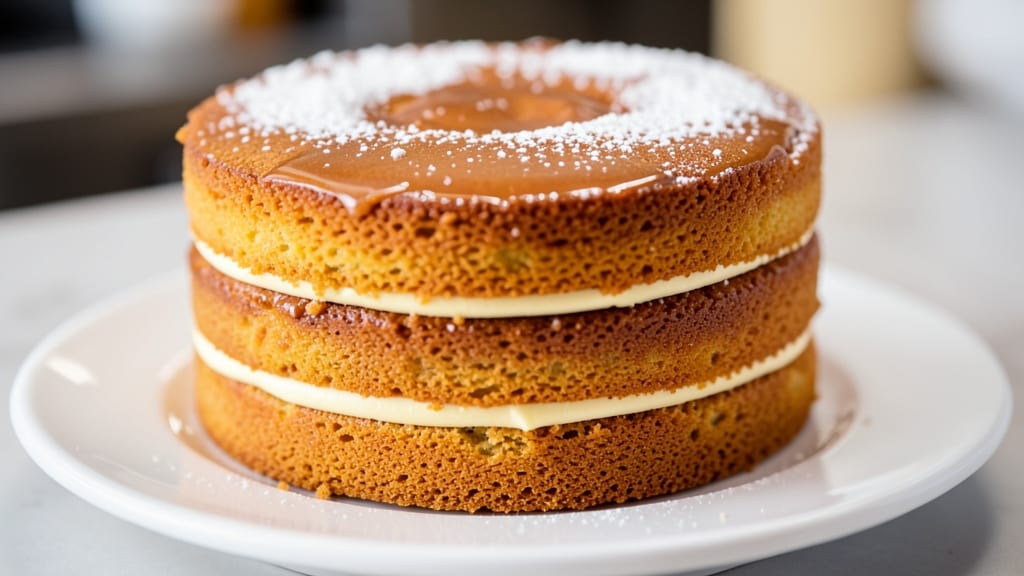
A 4-egg cake mix transforms dry boxed ingredients into a moist, triple-layered masterpiece without the guesswork. The secret lies in the right technique—whisking eggs until thick and folding them into the batter creates air pockets that prevent dense, dry cake. I've baked hundreds of cakes using this method, and it never fails to deliver that perfect, tender crumb.
This recipe works with any boxed cake mix—vanilla, chocolate, or even red velvet—and requires just 10 minutes of prep, followed by 25-30 minutes in the oven. The key steps include separating the eggs, beating them to ribbons, and gently folding them into the mix to maintain that signature lightness. No special equipment is needed, just a standard mixing bowl and whisk.
What you’ll end up with is a cake that’s rich, moist, and fluffy—each layer separated by a thin layer of buttercream or jam for that classic layered effect. The texture is so tender it practically melts in your mouth, and the flavor is amplified by the perfect balance of structure and softness. It’s the kind of cake that tastes homemade, even when you’re using a boxed mix.
For extra indulgence, add a quick glaze or dust with powdered sugar. This method also works for cupcakes, sheet cakes, or even a single-layer cake if you prefer simplicity. Let’s get baking!
Ingredients for 4 egg cake mix
Four eggs, two boxes of mix—wait, no boxes here. Just one, plus a few pantry staples.
| Ingredient | Amount | Notes |
|---|---|---|
| Vanilla Cake Mix 🍰 | 1 box | Standard 15.25 oz box (any flavor) |
| Large Eggs 🥚 | 4 whole | Room temperature for best mixing |
| Unsalted Butter 🧈 | ½ cup | Softened to room temperature |
| Vegetable Oil 🫒 | ¼ cup | Light or canola preferred |
| Whole Milk 🥛 | ½ cup | Room temperature, not cold |
| Granulated Sugar 🍚 | ½ cup | Extra for layering if desired |
| Vanilla Extract 🌿 | 1 tbsp | Pure, not imitation |
| Cream Cheese 🧀 | 8 oz | Room temperature, full-fat |
| Powdered Sugar 🍚 | 1 cup | For buttercream, sifted |
| Salted Butter 🧈 | ½ cup | Cold, cubed for buttercream |
| Lemon Juice 🍋 | 1 tbsp | Freshly squeezed |
| All-Purpose Flour 🌾 | ¼ cup | For dusting layers if needed |
The cake mix is the base, but the magic happens with the eggs. Room temperature eggs mix better—no one likes lumpy batter. Grab the generic brand from Walmart or Kroger; they all work the same. Butter matters here too—Land O'Lakes unsalted is my go-to, but any brand softened properly does the trick. For the cream cheese, Philadelphia brand is foolproof, but store brands like Great Value work just as well when fully softened. Pro tip: microwave the butter for 20 seconds to soften it faster—no one wants to wait.
No vanilla extract? Vanilla bean paste works too, but pure extract is ideal. Short on powdered sugar? Granulated sugar blended into a fine powder gets you close. The lemon juice adds brightness—bottled is fine, but fresh is better. For the buttercream, if you're feeling fancy, swap the powdered sugar for confectioners' sugar from the bakery section—it's finer and dissolves better. Need a shortcut? Store-bought frosting works in a pinch, but homemade tastes like you put in effort (which you did). The flour is just for dusting layers if they're sticky—skip it if your cake is well-behaved.
This cake keeps beautifully—3 days at room temp covered loosely, or 5 days refrigerated with a damp towel. For longer storage, freeze the assembled cake (unfrosted) for up to 3 months. Thaw overnight in the fridge, then bring to room temp before frosting. The frosting? It stays fresh for 3 days refrigerated—just whisk in a splash of milk if it gets too stiff. I always make extra frosting and freeze it in a container; it thaws in minutes for quick touch-ups.
Why You'll Love This Recipe
- Four Egg Magic: The secret’s in those extra eggs—they make this cake ridiculously moist without being dense. That buttery richness from the melted butter and oil? It’s like a hug for your taste buds.
- Pantry-Friendly Flex: Honestly, you’re using stuff you already have. No fancy ingredients, no last-minute grocery runs—just cake mix, eggs, and a splash of milk. My go-to when I’m too tired to bake from scratch.
- Leftovers? No Problem: This cake keeps beautifully for days, and the slices reheat in the microwave faster than you can say “forgot lunch.” I’ve packed these in school lunches, work snacks, and even frozen them for lazy mornings.
- Budget Breakfast Hack: Between us, this is my secret weapon for feeding a crowd cheaply. Double the mix, add a handful of sprinkles or chocolate chips, and suddenly you’ve got a crowd-pleasing dessert that costs next to nothing.
Step-by-step instructions for triple-layered moisture without mixing madness
Here's the method to create a perfectly moist, triple-layered cake with minimal mixing—no guesswork, just results.
Prepare the Cake Batter with Precision
In a large mixing bowl, combine the 1 box vanilla cake mix, 4 whole large eggs, 0.5 cup unsalted butter, 0.25 cup vegetable oil, 0.5 cup whole milk, and 0.5 cup granulated sugar. Using an electric mixer on low speed, blend just until the dry ingredients are moistened—about 30 seconds. This prevents overmixing, which leads to dense cake.
Add the 1 tablespoon vanilla extract and mix for another 10 seconds until fully incorporated. The batter should be smooth but slightly thick—like heavy pudding. If it looks too thin, add 1 tablespoon all-purpose flour to restore structure. Divide the batter evenly among three 8-inch round cake pans lined with parchment paper.
Bake Layers to Perfect Doneness
Preheat your oven to 350°F. Bake the cake layers for 25-30 minutes, or until a toothpick inserted into the center comes out clean with just a few moist crumbs. Rotate the pans halfway through baking to ensure even browning. The edges should be light golden brown, while the tops remain slightly domed.
Real talk: Overbaking dries out layers, so pull them out when they're just barely done. Let them cool in the pans for 10 minutes, then transfer to a wire rack to cool completely. This gradual cooling prevents cracking when you add the filling later.
Create the Cream Cheese Filling
In a medium bowl, beat the 8 oz cream cheese and 0.5 cup salted butter with an electric mixer until smooth and creamy—about 2 minutes. Gradually add 1 cup powdered sugar and mix until fully combined. Stir in the 1 tablespoon lemon juice and 1 tablespoon vanilla extract for brightness. The filling should be thick but spreadable, like soft frosting.
This is the secret to moisture—don't skimp on the cream cheese. It keeps the layers tender while adding a tangy contrast to the sweet cake. If the filling is too thick, add 1 teaspoon whole milk to loosen it slightly.
Assemble the Triple-Layered Cake
Place the first cake layer on a serving plate. Spread an even layer of cream cheese filling over the top, leaving a ½-inch border uncovered. Dust the edges lightly with all-purpose flour to prevent crumbs from falling into the filling. Repeat with the remaining two layers, creating a perfectly stacked cake.
For the final touch, spread a thin layer of filling over the top and sides of the cake. Chill in the refrigerator for at least 2 hours before serving. This allows the filling to set slightly, making clean slices possible while keeping the cake moist for hours.
Pro Tips For Making 4 Egg Cake Mix
- MELT THE BUTTER FIRST: Mixing cold butter into the cake batter is a surefire way to end up with greasy pockets instead of smooth texture. Microwave the butter in 10-second bursts until it’s just soft enough to press with a spoon—this ensures it blends evenly without making the batter fight you.
- USE ROOM-TEMP EGG WHITES: I learned this the hard way—cold egg whites from the fridge can turn your batter into a lumpy mess. Let the eggs sit out for 20-30 minutes before cracking them, or pop the whites in a bowl of warm water for 5 minutes. The batter will be lighter and fluffier, and you’ll skip the frustration of overmixing.
- DON’T OVERMIX THE BATTER: Once you add the milk, mix just until the dry ingredients are barely incorporated—about 15-20 strokes. Overmixing develops the gluten and turns your tender cake into dense rubber. The second the flour disappears, stop. Your future self will thank you when the slice doesn’t taste like glue.
- SWAP HALF THE OIL FOR MELTED BUTTER: This isn’t the prettiest method, but it’s the tastiest. Replace 2 tablespoons of the vegetable oil with melted unsalted butter (same amount). The butter adds richness and a subtle depth of flavor that plain oil can’t match—just don’t skip the oil entirely, or the cake will dry out faster.
Perfect pairings for this recipe
Classic Coffee Pairing
Nothing complements this cake like a bold brew of dark roast coffee—the bitterness cuts through the richness beautifully. I prefer a French press for its full-bodied flavor, using Peet’s Major Dickason’s Blend for its deep, chocolatey notes. Serve it slightly cooled, around 150°F, to let the cake’s warmth shine. For a sweeter touch, add a splash of vanilla syrup to your coffee. ☕
Creamy Tea Match
If coffee isn’t your thing, Earl Grey tea with a splash of heavy cream and honey is divine. The bergamot in the tea enhances the cake’s vanilla notes, while the cream softens the flavors. Brew a strong cup and let it steep for 4-5 minutes—this ensures the tea’s floral aroma pairs perfectly without overpowering the cake. Serve warm for the best experience. 🍵
Fruity Wine Harmony
For an adult twist, a demi-sec champagne or Moscato d’Asti adds bubbles and sweetness that balance the cake’s richness. The effervescence cleanses your palate between bites, making each slice taste fresh. If you prefer red, a light Pinot Noir with its berry notes complements chocolate cake mixes beautifully. Chill the wine to 45-50°F for optimal sipping. 🍷
Juicy Fruit Pairings
Fresh strawberries or raspberries add a vibrant contrast to the cake’s creaminess. Toss them in a light honey-lime dressing (mix 2 tbsp honey with 1 tbsp lime juice) to brighten the flavors. Serve alongside the cake for a refreshing, summery touch. For extra indulgence, layer the fruit between cake layers instead of the filling. 🍓
Spiced Hot Chocolate
Warm hot chocolate with a pinch of cinnamon and nutmeg makes this cake feel like a cozy dessert. Use high-quality cocoa powder (like Ghirardelli) and heat the milk to 170°F for a velvety texture. A sprinkle of sea salt on top enhances the cake’s sweetness without overpowering it. Perfect for chilly evenings! 🍫
Creamy Milk Options
For a simple yet satisfying pairing, serve the cake with cold milk—whether whole, 2%, or even almond milk for a lighter option. The coolness of the milk contrasts with the cake’s warmth, making each bite feel luxurious. Add a dash of vanilla extract or cocoa powder to the milk for extra flavor without complicating the pairing. 🥛
Nutrition facts
Frequently asked questions
Why do I need 4 eggs for this cake mix recipe?
The four eggs create air pockets when beaten properly, making the cake light and moist instead of dense. This is the secret behind the signature texture—no extra oil or butter needed to compensate for dryness. The eggs also help bind the batter, preventing crumbling layers.
Can I use fewer eggs if I'm watching cholesterol?
You can substitute with ¼ cup applesauce or mashed banana per egg to reduce cholesterol while maintaining moisture. For best results, use all 4 substitutes to keep the cake structure intact. The texture will be slightly denser but still delicious.
What if my cake turns out dry?
Dry cake usually means overmixing or overbaking. To fix it, brush warm layers with simple syrup (equal parts sugar and water heated until dissolved) before assembling. For next time, bake until a toothpick comes out with moist crumbs (not completely clean).
Can I make this cake in a bundt pan instead?
Yes! Reduce the batter to 2 cups total (about half the recipe) and bake in a 10-12 cup bundt pan at 350°F for 40-45 minutes. The cream cheese filling works perfectly for bundt cakes too—just pour it over the cooled cake before serving.
How do I store leftovers without drying them out?
Wrap tightly in plastic wrap and place in an airtight container with a damp paper towel. Store at room temperature for 2 days or refrigerate for up to 5 days. For longer storage, freeze unfrosted layers for 3 months. Thaw overnight in the fridge before reassembling.