
Desserts
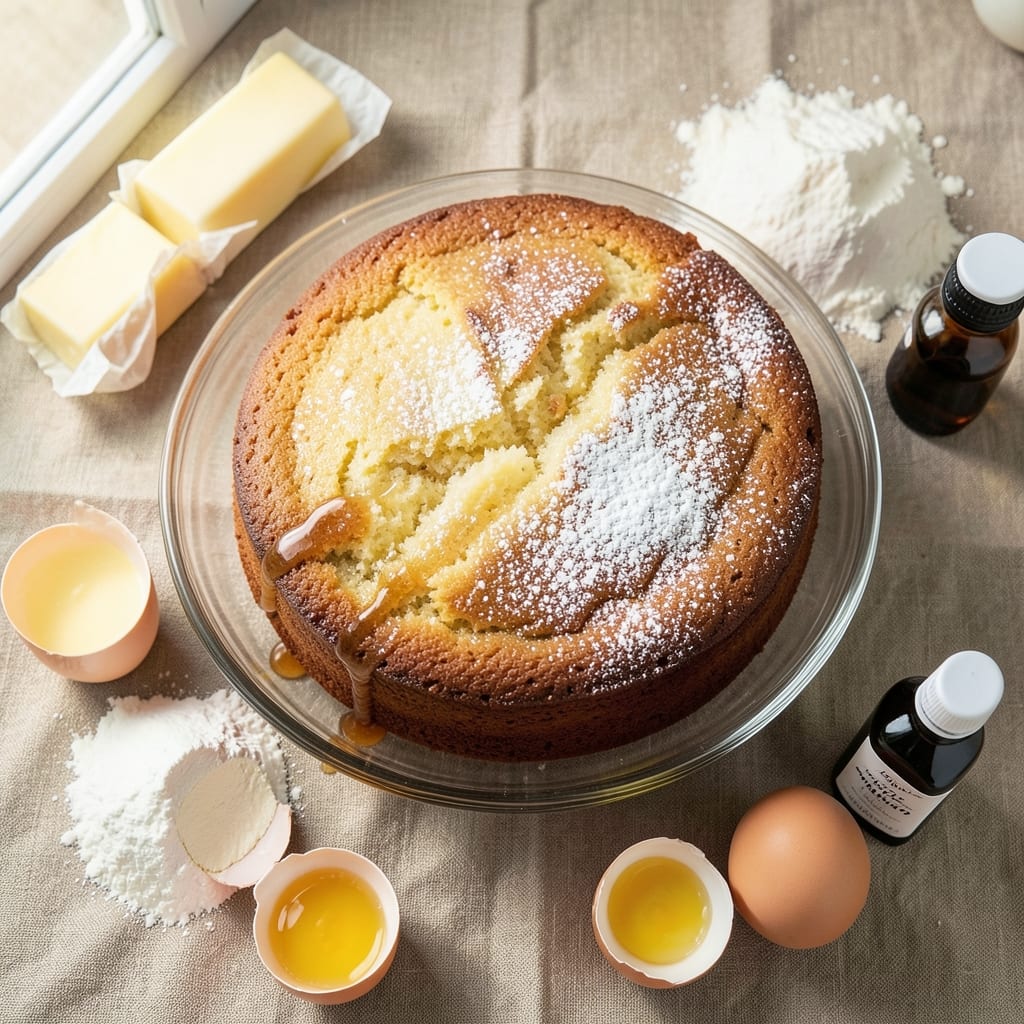
This 4-egg pound cake recipe delivers the classic dense, buttery texture you crave—without the dryness or crumbly texture that ruins so many recipes. The secret lies in the precise ratio of eggs to butter and sugar, creating a tender crumb that stays moist for days. I've baked this version countless times for family gatherings, and it's always the first slice to disappear.
The one-bowl method makes this pound cake incredibly approachable, even for beginners. You'll mix everything together in a single bowl, then bake until golden brown, resulting in a cake that's rich, flavorful, and perfectly balanced. The vanilla extract adds subtle warmth, while the butter ensures that signature pound cake richness that keeps it irresistible.
What sets this recipe apart is its ultra-moist texture—no dry crumbs here. The eggs provide structure while keeping the crumb tender, and the butter creates that signature pound cake richness. Baking at the right temperature ensures even cooking, so every slice has that perfect balance of density and moisture.
Serve this cake plain with a dusting of powdered sugar, or slice it for breakfast toast with a spread of butter. The versatility makes it perfect for any occasion, from holiday desserts to everyday treats. Let's get baking!
Ingredients for 4 egg pound cake
Buttery richness meets tender crumb in this classic one-bowl pound cake.
| Ingredient | Amount | Notes |
|---|---|---|
| Unsalted Butter 🧈 | 1 cup | Softened to room temperature |
| Granulated Sugar 🍚 | 2 cups | Superfine preferred for smooth texture |
| Large Eggs 🥚 | 4 whole | Room temperature for even mixing |
| All-Purpose Flour 🌾 | 2 cups | Sifted for light crumb structure |
| Pure Vanilla Extract 🌿 | 2 tsp | Bourbon or imitation-free preferred |
| Baking Powder 🧂 | 1 ½ tsp | Freshly opened for leavening |
| Salt 🧂 | ½ tsp | Fine sea salt preferred |
| Milk 🥛 | ½ cup | Whole milk for richness |
| Powdered Sugar 🍚 | 2 tbsp | For final dusting |
The butter is non-negotiable here—European-style or Land O'Lakes both work, but avoid margarine. Room temperature is key; cold butter creates lumps, and melted butter can make the cake greasy. For the sugar, superfine dissolves faster, but regular granulated works if pulsed in a food processor first. Eggs should be room temperature—cold eggs cause dense cakes. I always buy extra-large eggs for this recipe; they yield more volume. The flour? King Arthur or Bob's Red Mill are my go-tos—they're reliable for baking.
No vanilla extract? Vanilla bean paste or even vanilla sugar (1 tbsp) works in a pinch. For the milk, evaporated milk adds extra richness, or buttermilk for a subtle tang. Running short on baking powder? Baking soda plus cream of tartar (1/2 tsp each) substitutes 1.5 tsp. The powdered sugar is just for dusting—skip it if you prefer a plain finish. For extra moisture, some bakers add 1 tbsp sour cream to the batter, but I find the eggs and butter do the job perfectly.
Store wrapped tightly at room temperature for 3 days, or up to 1 week refrigerated in an airtight container. For longer storage, slice and freeze between parchment paper for 3 months. This cake reheats beautifully—wrap a slice in foil and warm in a 300°F oven for 5 minutes. The vanilla flavor deepens over time, making it even more delicious the next day.
Why You'll Love This Recipe
- No Mixer Needed: I swear by this recipe when I’m in a hurry—just cream butter and sugar, crack in eggs, fold in flour. The eggs do most of the work, so no overmixing or dense cake. Honestly, it’s the kind of recipe that makes me feel like a baker even when I’m exhausted.
- Vanilla Buttercream Ready: The vanilla extract isn’t just for flavor—it’s the secret to a cake that practically begs for buttercream. I’ve made this for birthdays, showers, and even just because, and every slice feels like a treat. (Yes, even on a Tuesday night.)
- Slices Like Gold: This cake stays moist for days, but the best part? It cuts cleanly—no crumbly mess. I’ve packed it for lunch, frozen slices for breakfast, and even served it cold with whipped cream. It’s my go-to when I need something reliable that won’t let me down.
- Budget-Friendly Luxury: Four eggs and a stick of butter make this cake feel indulgent without breaking the bank. I’ve made it for potlucks, and no one ever guesses it’s not from a bakery. Between us, that’s the kind of win I’ll take any day.
Step-by-step instructions for ultra-moist vanilla pound cake
This one-bowl method delivers a tender, rich cake with a perfect crumb every time.
Cream Butter and Sugar Until Light and Fluffy
In a large mixing bowl, combine the 1 cup unsalted butter and 2 cups granulated sugar. Using an electric mixer on medium speed, beat for 3-5 minutes until the mixture is pale, thick, and nearly doubles in volume. You'll notice the texture becomes smooth and ribbon-like when you lift the beaters—this creaming process incorporates air, which creates that signature tender crumb.
I press down on the mixture with a spatula occasionally to check for proper aeration. If the butter isn't fully softened or the mixture still looks grainy after 5 minutes, let it sit at room temperature for another 10 minutes before continuing. This step is critical for achieving that ultra-moist texture promised in the title.
Add Eggs and Vanilla for Richness
Add the 4 whole large eggs, one at a time, mixing well after each addition until fully incorporated. The mixture will become even lighter in color. Then stir in the 2 teaspoons pure vanilla extract until completely blended. I like to scrape down the sides of the bowl with a rubber spatula to ensure no dry ingredients remain.
At this stage, the batter should be smooth and slightly thick. If it looks curdled or separated, don't worry—it will come together in the next step. The vanilla extract should be evenly distributed, adding that warm, aromatic depth that makes this cake truly special. The eggs provide both moisture and structure, so don't skip this step or use substitutes.
Alternate Dry and Wet Ingredients
In a separate bowl, whisk together the 2 cups all-purpose flour, 1.5 teaspoons baking powder, and 0.5 teaspoon salt. Sift the mixture directly into the wet ingredients to prevent lumps. With the mixer on low speed, add the flour mixture in three additions, alternating with 0.5 cup milk added after each flour addition.
Begin and end with the flour to ensure even distribution. Mix just until combined—you should still see some flecks of flour in the batter. Overmixing develops gluten, which can make the cake tough. The batter should be smooth but slightly thick, like heavy pudding. This alternating method guarantees a tender crumb without dry spots.
Bake Until Golden and Springy
Pour the batter into a 9-inch round cake pan lined with parchment paper and lightly greased. Smooth the top with a spatula. Bake in a preheated 350°F oven for 50-60 minutes, or until a toothpick inserted in the center comes out clean. The cake should be golden brown on top and pull away slightly from the edges of the pan.
I check for doneness at the 50-minute mark—the cake is done when it springs back gently when pressed in the center. If the top browns too quickly, tent the cake with foil after 30 minutes to prevent over-browning while ensuring even cooking. The internal temperature should reach 210°F for that perfect moist texture.
Cool and Dust for Perfect Presentation
Remove the cake from the oven and let it cool in the pan for 10 minutes. Then transfer it to a wire rack to cool completely. Once fully cooled, dust the top generously with the 2 tablespoons powdered sugar using a fine-mesh sieve for an elegant finish. This step adds a delicate sweetness and enhances the cake's visual appeal.
The cake should have a tender, moist crumb with no dry spots. If stored properly in an airtight container at room temperature, it will stay fresh for up to 5 days. For the best results, slice when completely cool to ensure clean cuts and maintain that perfect texture promised in the recipe title.
Pro Tips For Making 4 Egg Pound Cake
- Weigh the Butter: Butter’s density changes with temperature—softened butter measures differently than cold. Use a kitchen scale for precision (1 cup of cold butter weighs ~225g, softened can be 200g or less). I learned this the hard way when my cake turned out greasier than expected—now I always weigh it straight from the fridge.
- Room-Temp Eggs Only: Cold eggs won’t blend smoothly, leaving streaks in your batter. Let them sit in warm water for 5 minutes first—just long enough to reach room temp. Sounds fussy, but it guarantees a silky texture instead of that chalky, uneven finish.
- Bake Until Slightly Under: Pound cake’s magic is in its moisture. Pull it out when the center reads 210°F (93°C) on an instant-read thermometer—it’ll keep baking in the pan. Overbaking dries it out, and no one wants a cake that crumbles like a sad sandwich.
- Sift the Flour Twice: Even if your flour looks fine, sifting removes hidden lumps and aerates it, which lightens the cake. Do it directly into the bowl, then sift again after adding baking powder. I skip this sometimes, and the cake’s always denser—worth the extra 30 seconds.
Creative variations of this 4 egg pound cake
Citrus Twist Variation
Add 1 tablespoon lemon or orange zest to the batter after mixing in the vanilla extract for a bright, zesty twist. I like to use freshly grated zest from a Meyer lemon or blood orange—it adds a subtle tang that pairs beautifully with the vanilla. For extra flavor, replace 1 tablespoon of milk with orange juice before adding the dry ingredients. 🍊
Spiced Chai Version
Infuse the cake with warm spices by adding 1 teaspoon ground cardamom, ½ teaspoon cinnamon, and ¼ teaspoon ginger to the dry ingredients. For deeper flavor, steep 1 cinnamon stick in the milk for 5 minutes before using. This variation tastes amazing with a cup of chai tea or a dollop of whipped cream. The spices complement the butter and vanilla beautifully.
Chocolate Chip Swirl
Fold in ½ cup chocolate chips (I prefer Ghirardelli semi-sweet) after adding the milk, then use a knife to gently swirl them throughout the batter. For a marbled effect, divide the batter into two bowls—leave one plain and mix ¼ cup melted chocolate into the other. Alternate spoonfuls of each into the pan before baking. This creates stunning visual contrast while keeping the classic pound cake texture.
Coffee Mocha Upgrade
Replace ½ cup of milk with ½ cup strong brewed coffee or espresso for a mocha twist. Add 1 teaspoon instant coffee granules directly to the dry ingredients for extra depth. This version pairs perfectly with a dusting of cocoa powder instead of powdered sugar. The coffee enhances the vanilla flavor and adds a sophisticated touch that works well for breakfast or dessert.
Nutty Crunch Addition
Toast ½ cup chopped walnuts or pecans in a dry skillet over medium heat for 3-4 minutes until fragrant, then sprinkle them over the batter before baking. Press down lightly so they don't float to the top. For extra crunch, add ¼ cup chopped candied pecans on top after baking. The nuts add texture contrast and a buttery richness that complements the cake's moist crumb. 🌰
Seasonal Fruit Layers
Create a layered effect by baking the cake in a 9x13-inch pan instead of round, then slicing it horizontally into three layers. Fill between layers with raspberry jam or whipped cream mixed with lemon curd. For summer, use fresh berries, and for fall, try spiced apple butter. This variation transforms your pound cake into a showstopping dessert that feels special for holidays or celebrations.
Nutrition facts
Frequently asked questions
Why does this recipe use 4 eggs instead of 3?
The extra egg creates that signature ultra-moist texture while adding structure to prevent a crumbly cake. Four eggs also help emulsify the butter and sugar better, creating a lighter batter that bakes into a tender crumb. This is key for achieving that classic pound cake density without dryness.
Can I make this cake in a different pan size?
Yes! For a 9x2-inch loaf pan, reduce baking time to 40-45 minutes. For a 9x13-inch pan, increase time to 60-70 minutes and cover loosely with foil if browning too quickly. Always check for doneness with a toothpick. The cake's texture remains the same regardless of pan shape.
What if my cake comes out dry?
Dryness usually means overbaking or under-mixing. Check your oven temperature with an oven thermometer—it should read 350°F. Also ensure you're not overmixing the batter (just until combined). For extra moisture, brush warm slices with simple syrup or store in an airtight container with a slice of bread to retain moisture.
How do I store leftovers?
Wrap tightly in plastic wrap or aluminum foil at room temperature for up to 3 days. For longer storage, refrigerate in an airtight container for 1 week or freeze slices (wrapped individually) for 3 months. To serve, thaw at room temperature or warm slices in a 300°F oven for 5 minutes for that fresh-baked taste.
Can I substitute butter with oil?
Not recommended—this recipe depends on butter for its signature richness and moisture. If absolutely necessary, use ½ cup melted coconut oil plus ½ cup vegetable oil, but the texture will be slightly different. The cake may be less tender and have a denser crumb. Stick with butter for authentic results!