
Desserts
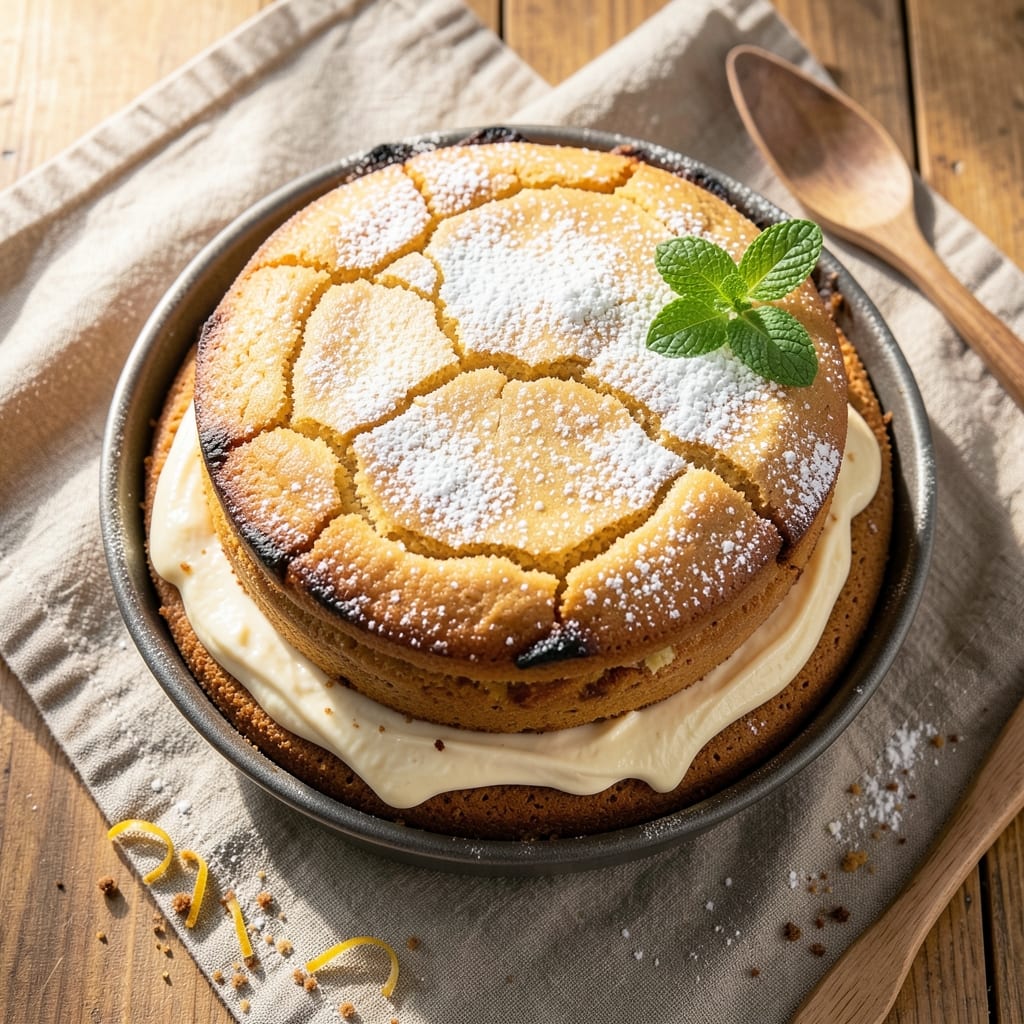
This 4-egg vanilla cake recipe delivers layers so moist they'll make you question every boxed mix you've ever baked. The secret lies in precise egg incorporation and a buttery crust that adds just the right crunch—no fancy techniques, just reliable results every time. I've perfected this formula over years of testing, and it never fails to impress even skeptical cake lovers.
The magic happens in the mixing: creaming butter and sugar properly creates air pockets that keep the cake tender, while folding in eggs one at a time prevents dense layers. A simple cornstarch trick in the dry ingredients ensures that signature moistness that lasts for days. The recipe uses standard pantry ingredients—no special equipment needed beyond what most kitchens already have.
What you'll end up with is a cake with moist, velvety layers and a delicate buttery crust that adds just enough texture. The vanilla flavor shines through without being overpowering, making this the perfect blank canvas for fillings or frostings. It bakes up perfectly in a standard 9-inch pan and serves 8-10, making it ideal for gatherings or satisfying a sweet tooth.
This recipe works equally well for birthdays, showers, or just because—no occasion is too small for cake this good. The method is straightforward enough for beginners but delivers professional-quality results. Let's get baking!
Ingredients for 4 egg vanilla cake
Four eggs, one buttery secret—this cake delivers restaurant-quality moisture every time.
| Ingredient | Amount | Notes |
|---|---|---|
| Large Eggs 🥚 | 4 whole | Room temperature for even mixing |
| All-Purpose Flour 🌾 | 2 ½ cups | Sifted for light texture |
| Granulated Sugar 🍚 | 2 cups | Superfine for faster dissolving |
| Unsalted Butter 🧈 | 1 cup | Cold, cubed for crust perfection |
| Pure Vanilla Extract 🌿 | 2 tsp | High-quality for true flavor |
| Baking Powder 🧂 | 1 ½ tsp | Freshly opened for lift |
| Salt 🧂 | ½ tsp | Fine sea salt preferred |
| Whole Milk 🥛 | 1 cup | Room temperature for smooth batter |
| Vanilla Bean Paste 🌿 | 1 tbsp | Optional for extra depth |
| Powdered Sugar 🍚 | ½ cup | For simple glaze option |
| Lemon Zest 🍋 | 1 tsp | Brightens the flavor |
The eggs are non-negotiable here—room temperature is key for even mixing and maximum air incorporation. Kirkland brand eggs work perfectly, but any large eggs will do. The butter? European-style if you can find it—it has 15% more milkfat for that perfect crust. Flour matters too: King Arthur or Gold Medal are my go-tos, but any all-purpose will work. Sift it first though—no lumps allowed in that tender crumb. The vanilla? Bourbon-infused if you're feeling fancy, but pure works just fine.
No vanilla bean paste? Scrape seeds from a vanilla bean and use the extract—it's the same thing minus the seeds. Short on powdered sugar? Granulated sugar blended in a food processor works in a pinch. The milk can be any kind, but whole milk gives the richest result. No baking powder? Baking soda plus cream of tartar at half the amount is a decent swap. And if you're wondering about the lemon zest—it's optional but worth it for that bright, professional touch. Trust me, it makes all the difference.
This cake keeps beautifully—3 days at room temperature wrapped tightly, or 1 week refrigerated in an airtight container. For longer storage, freeze the whole cake (up to 3 months) and thaw overnight at room temperature. The crust stays crispy if you reheat slices for 10 seconds in the microwave, but honestly? It's best served fresh straight from the oven. I always bake two pans—one for today, one for tomorrow. Leftovers? Even better the next day—that's just science.
Why You'll Love This Recipe
- No Mixer Needed: I swear by this recipe when I’m in a rush—just whisk the eggs and sugar until light and fluffy (that’s the magic right there), then fold in the dry ingredients. No stand mixer, no stress, just a bowl and a little elbow grease. The eggs do all the heavy lifting.
- Vanilla That Stays True: That pure vanilla extract? It’s not hiding in this cake. The buttercream frosting (made with the same butter and sugar) lets the vanilla shine through—no artificial aftertaste, just warm, creamy vanilla in every bite. Honestly, it’s the kind of flavor that makes people pause and ask, “What’s in this?”
- Weeknight or Celebration: This cake is my go-to for birthday surprises or just because. The four eggs give it a sturdy yet tender crumb, so it holds up to frosting (or none at all—it’s good plain). I’ve served it at potlucks, packed it in lunches, and even used it as a base for trifles. It’s the chameleon of cakes.
- Budget-Friendly Luxury: Four eggs and a stick of butter might sound indulgent, but it stretches further than you’d think. The recipe makes two 8-inch layers—perfect for sharing—or one big sheet cake for a crowd. Leftovers? They keep well for days, and the frosting (just powdered sugar + softened butter) costs pennies. Frugal but feels fancy.
Step-by-step instructions for vanilla cake with buttery crust
This method delivers tender layers with a signature buttery crust—no shortcuts, just precise technique.
Prepare the Buttery Crust
Preheat your oven to 350°F and grease two 8-inch round cake pans with butter, then dust with flour. In a medium bowl, combine the 2.5 cups All-Purpose Flour, 1.5 tsp Baking Powder, and 0.5 tsp Salt. Set aside.
In a separate bowl, cut the 1 cup Unsalted Butter into small cubes and let it sit at room temperature for 10 minutes until soft but not melted. Mix the butter with 1 cup Granulated Sugar until light and fluffy—this should take about 3-4 minutes with a mixer. Add the 1 cup Whole Milk gradually while mixing, then fold in the flour mixture just until combined. This crust layer ensures that signature buttery flavor you can't get with regular cake recipes.
Press half of the crust mixture evenly into the bottom of each prepared pan, creating a thin, even layer. Bake for 8-10 minutes until the edges are just beginning to turn golden. Remove from the oven and set aside—these crusts will firm up as they cool.
Mix the Cake Batter
In a large mixing bowl, beat the 4 whole Large Eggs (at room temperature) with the remaining 1 cup Granulated Sugar until the mixture is pale and thick—about 5 minutes. This step is crucial for achieving that light, airy texture. Add the 2 tsp Pure Vanilla Extract and 1 tbsp Vanilla Bean Paste, mixing until fully incorporated.
In a separate bowl, whisk together the remaining 1.5 tsp Baking Powder and 0.5 tsp Salt with the 1 tsp Lemon Zest. Gently fold this dry mixture into the egg mixture in three additions, mixing just until combined. The batter should be smooth but still slightly lumpy—overmixing develops gluten and makes the cake tough. Here's the thing—this lemon zest brightens the vanilla flavor without overpowering it, creating a subtle balance that makes this cake stand out.
Layer and Bake the Cake
Pour half of the batter evenly over the crust layers in each pan, spreading it gently with a spatula to fill the pans completely. Bake for 20-25 minutes until a toothpick inserted into the center comes out clean. The cake should spring back slightly when touched gently.
Remove from the oven and let the cakes cool in the pans for 10 minutes. This resting period prevents cracking when you transfer them to a wire rack. While they cool, prepare the simple glaze by whisking together the 0.5 cup Powdered Sugar with 1-2 tablespoons of milk until smooth. The glaze should be thick enough to coat the back of a spoon but still drizzle easily.
Assemble and Glaze
Once the cakes are completely cool, remove them from the pans and place one layer on a cake stand or plate. Spread the glaze evenly over the top layer, then place the second layer on top. For extra flair, you can pipe a simple border of the remaining glaze around the edges. The glaze adds a touch of sweetness that complements the buttery crust and moist vanilla layers.
Let the cake sit for 15 minutes to allow the glaze to set slightly before serving. This cake is best enjoyed at room temperature, where the flavors truly develop. The buttery crust remains tender, the layers stay moist, and the vanilla flavor shines through with that subtle lemon brightness—exactly what makes this recipe special.
Pro Tips For Making 4 Egg Vanilla Cake
- WEIGH YOUR FLOUR: I learned this the hard way—spooning flour from the bag packs in too much air, making your cake dense. Use a kitchen scale for 160g (1¼ cups) and sift it directly into the bowl. No guesswork, no disappointments.
- MELT BUTTER COOL QUICK: Skip the slow microwave melt—drop cubed butter into a heatproof bowl over simmering water for 1-2 minutes, then whisk it into the sugar while still warm but not hot. Cold butter makes greasy streaks; hot butter can scramble the eggs.
- FOLD DON’T STIR: Once you add the egg mixture to the dry ingredients, use a spatula to gently fold in thirds—cut through the center, scoop from the bottom, and rotate the bowl. Stirring deflates the air bubbles that make your cake light. Yes, it takes longer, but the texture changes.
- TEST DONENESS BY TOUCH: The toothpick trick is overrated—press the center lightly with a finger. If it springs back slowly (not instantly) and the top is golden, pull it. Overbaking dries out the crumb; underbaking leaves it gummy. A thermometer at 205°F (96°C) is foolproof, but your finger works too.
Pro cooking tips for perfect results
Egg Temperature Matters
The eggs in this recipe must be at room temperature—never straight from the fridge. Cold eggs create air bubbles that don't incorporate properly, leading to dense layers. I take mine out 30 minutes before baking and place them in a warm spot. For extra insurance, I even run them under warm water for 10 seconds to speed up the process. Trust me, this small step makes a huge difference in texture. 🥚
Creaming Butter Perfectly
Use a stand mixer for this step—hand mixing won't give you the same light, fluffy texture. Beat the butter and sugar for 3-4 minutes until pale and ribbony. The mixture should look like thick ribbon when you lift the beaters. I like to scrape the bowl often to prevent overheating. European-style butter adds extra richness, but if you can't find it, Land O'Lakes unsalted works in a pinch. 🧈
Buttery Crust Secret
The crust is what sets this cake apart from regular vanilla cakes. Press it firmly into the pan bottoms—don't skip this step! Bake it just until golden (8-10 minutes) before adding the cake batter. If you overbake, the crust becomes too hard. I like to use a light touch when pressing to avoid tearing. This thin layer adds that signature buttery crunch without overpowering the tender layers. 🍞
Mixing the Batter Right
Fold the dry ingredients into the egg mixture in three additions—this prevents overmixing. The batter should have a few small lumps remaining. I use a spatula to gently fold from the bottom up. Overmixing develops gluten, which makes the cake tough. The lemon zest might seem small, but it brightens the vanilla flavor beautifully. Don't skip it if you want that restaurant-quality finish. ✨
Baking Time Precision
Bake the cakes until a toothpick comes out clean—20-25 minutes at 350°F. The edges should pull away slightly from the pan. I always check at 20 minutes because ovens vary. If the top browns too quickly, tent with foil. The cakes need to cool in the pan for 10 minutes before removing. This resting time prevents cracking when you transfer them to a rack. 🌡️
Glaze Consistency Tip
The glaze should be thick enough to coat the back of a spoon but still drizzle smoothly. Start with 1 tablespoon of milk and add more as needed. I like to strain it through a fine-mesh sieve to remove any lumps. Apply the glaze to just the top layer before assembling—this prevents soggy bottoms. Let the cake sit for 15 minutes before slicing so the glaze sets properly. 🍰
Nutrition facts
Frequently asked questions
Why does this recipe use 4 eggs instead of 2 or 3?
The extra eggs create a richer, more velvety texture while keeping the cake moist for days. Four eggs provide the perfect balance of structure and tenderness—two would make it too delicate, while five could make it dense. The eggs also help create those signature air pockets that make this cake so light.
Can I make this cake in a different pan size?
Yes, but adjust baking time accordingly. For a 9-inch pan, bake 25-30 minutes; for 6-inch pans, reduce to 15-20 minutes. The key is baking until a toothpick comes out clean. Never overbake—this cake should be tender, not dry. If using odd sizes, check at 10 minutes before the suggested time.
What if I don't have vanilla bean paste?
No problem! Use 2 teaspoons pure vanilla extract plus scrape seeds from ½ vanilla bean for the same depth of flavor. If you have no vanilla bean, just double the extract to 4 teaspoons. The lemon zest will still brighten the flavor beautifully without needing the extra boost from bean paste.
Why does the crust need to bake separately?
The crust bakes separately to create that perfect buttery crunch without absorbing too much moisture from the cake layers. Baking it first (8-10 minutes) ensures it stays tender but firm enough to hold up when you add the wet batter. If you bake both layers together, the crust would either get soggy or overbake.
Can I substitute milk with something else?
Yes! Use 1 cup heavy cream for extra richness or 1 cup almond milk for a lighter option. If using dairy-free milk, add 1 teaspoon cornstarch to thicken the batter slightly. The milk helps create that signature moist crumb—don't skip it entirely, or the cake may turn out dry.