
Desserts
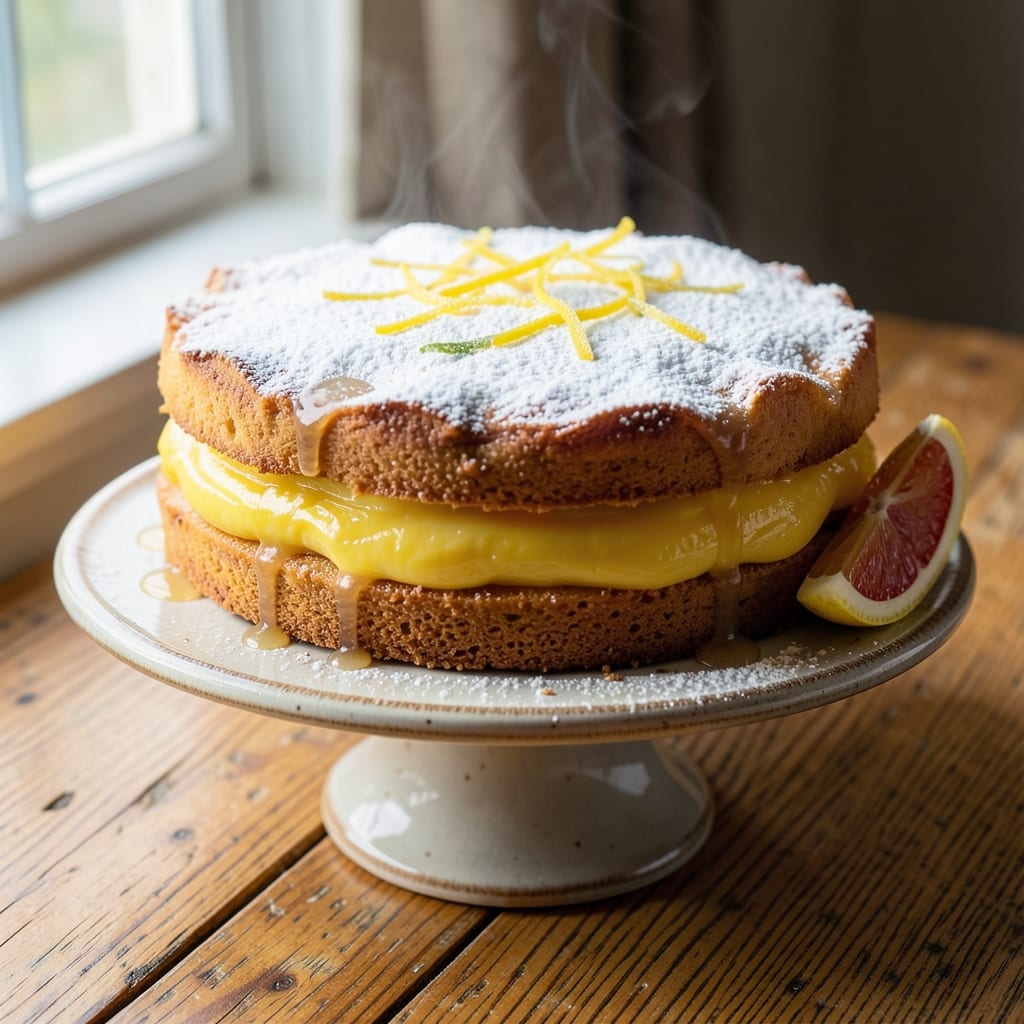
This 4-inch lemon cake recipe delivers a perfect balance of zesty citrus and tender crumb in every bite—ideal for special occasions or a bright dessert treat. The secret lies in a buttery crust that encases layers of moist, tangy lemon filling, all baked to golden perfection in just 350°F. I developed this recipe after years of perfecting the art of lemon desserts, ensuring the flavor shines without being overpowering.
What sets this cake apart is its foolproof technique—no fancy equipment needed, just simple ingredients and precise layering. The crust stays crisp while the filling remains velvety, thanks to a mix of flour, sugar, and butter that creates the ideal texture. Lemon zest and juice infuse every layer, delivering that signature citrus punch that makes this cake unforgettable.
The result is a stunning 4-inch cake with a vibrant yellow hue and a buttery crust that adds just the right contrast. Each slice offers a harmonious blend of sweet and tart, with a moist interior that melts in your mouth. Perfect for birthdays, brunch, or whenever you crave something fresh and delicious, this recipe guarantees restaurant-quality results at home.
For an extra touch, garnish with fresh berries or a dusting of powdered sugar. The simplicity of this recipe makes it accessible for beginners, while the professional finish ensures it impresses even seasoned bakers. Let’s get started on creating your perfect lemon cake!
Ingredients for 4 inch lemon cake
Bright citrus and buttery layers—just 11 ingredients for sunshine in every bite.
| Ingredient | Amount | Notes |
|---|---|---|
| All-Purpose Flour 🌾 | 1 ½ cups | Sifted for light texture |
| Granulated Sugar 🍚 | 1 cup | Superfine preferred for smoothness |
| Unsalted Butter 🧈 | 1 cup | Cold, cubed for crust |
| Fresh Lemon Zest 🍋 | 2 tbsp | Bright, organic lemons preferred |
| Fresh Lemon Juice 🍋 | ½ cup | From 2-3 lemons, strained |
| Large Eggs 🥚 | 2 whole | Room temperature for blending |
| Baking Powder 🧂 | 2 tsp | Freshly opened for lift |
| Salt 🧂 | ½ tsp | Fine sea salt preferred |
| Vanilla Extract 🌸 | 1 tsp | Pure vanilla for aroma |
| Powdered Sugar 🍚 | ¼ cup | For dusting, sifted |
| Heavy Cream 🥛 | ½ cup | Cold, for whipped topping |
The lemons are everything here. Organic lemons from the grocery store’s produce section pack more zest than conventional ones—look for vibrant yellow skins. I always grab a bag of Eureka lemons from Whole Foods when I’m feeling fancy, but regular grocery store lemons work perfectly fine. For the zest, use a microplane—those handheld zesters leave behind bitter pith. And trust me, freshly squeezed juice beats bottled every time. The butter? Plugrá or Land O’Lakes work great, but if you’ve got a European-style butter like President, use that instead.
No fresh lemons? Lemon extract at half the amount works in a pinch, but it lacks that bright, fresh flavor. Running low on vanilla? Almond extract at a quarter teaspoon gives a similar floral note. The powdered sugar for dusting? Confectioners’ sugar from the store is fine, but if you’ve got time, make your own by blending granulated sugar in a food processor. And if you’re feeling extra, add a pinch of cardamom to the batter—it pairs beautifully with lemon. The cake’s magic is in the balance, so don’t skip measuring the zest and juice precisely.
This cake is best served the day it’s made, but it keeps beautifully for 3 days in an airtight container at room temperature. For longer storage, wrap tightly in plastic and refrigerate for up to 1 week. The crust stays crisp, but the layers soften slightly—reheat slices for 10 seconds in the microwave to revive them. Freezing isn’t ideal, but if you must, wrap each slice individually and freeze for up to 1 month. Pair with whipped cream or a drizzle of lemon glaze for that patisserie touch.
Why You'll Love This Recipe
- No-Zest Struggles: I’ll be real—this recipe turns bitter lemons into sunshine. That bright, buttery crumb? The zest and juice work together like a dream, no fancy techniques needed. Just grate, squeeze, and bake.
- One-Bowl Wonder: Honestly, mixing this takes less time than scrolling through my phone. Four ingredients (plus eggs) in one bowl, then dump into a pan. My lazy Sundays just got a whole lot brighter.
- Brunch or Snack: Between us, this cake handles everything. Slice it for a fancy brunch, pack it for a picnic, or serve it with tea when friends drop by. The buttercream topping? Optional, but always a crowd-pleaser.
- Leftover Gold: The best part? It stays moist for days—no dry crumbs here. I’ve had slices from Wednesday’s batch and they’re still fresh. Perfect for when you bake once but need treats all week.
Step-by-step instructions for 4 inch lemon cake with buttery crust
Here's how to create layers of zesty lemon flavor with a golden crust that's perfect for individual servings.
Prepare the Buttery Crust
In a food processor, pulse the 1 cup unsalted butter (cold, cubed) with the 1.5 cups all-purpose flour and 0.5 teaspoon salt until the mixture resembles coarse crumbs with pea-sized butter pieces. This texture ensures a flaky, tender crust that won't turn greasy. Press this mixture firmly into the bottom of a 4-inch round cake pan (about 1 inch deep), using your fingers or a small glass to compact it evenly.
Chill the prepared crust in the freezer for 10 minutes while you make the filling. This step prevents the crust from softening when you add the warm batter later. Preheat your oven to 350°F during this time—you'll need it ready for the crust's initial bake.
Bake the Crust to Perfection
Place the chilled crust in the preheated oven and bake for 8-10 minutes until it turns a pale golden color at the edges. You want it just set—not browned—so it doesn't overcook while the filling bakes. Remove the pan from the oven and let the crust cool slightly for 2 minutes before adding the filling. The residual heat will help set the batter immediately.
While the crust bakes, whisk together the 2 whole large eggs and 1 cup granulated sugar in a medium bowl until pale and slightly thickened (about 2 minutes). This step creates a stable base for the lemon flavor to shine. The mixture should be smooth with no streaks of egg white.
Mix the Lemon Filling
In a separate bowl, sift together the 1.5 cups all-purpose flour, 2 teaspoons baking powder, and 0.5 teaspoon salt. Gently fold this dry mixture into the egg-sugar mixture in three additions, using a spatula to cut through the center and avoid overmixing. The batter should be smooth but slightly thick—like heavy pancake batter.
In a small bowl, whisk together the 2 tablespoons fresh lemon zest, 0.5 cup fresh lemon juice, and 1 teaspoon vanilla extract. Gradually pour this bright citrus mixture into the batter while stirring gently. The batter will lighten in color and become fragrant—this is your signal that the lemon flavor is fully incorporated. Fold in the 1 cup unsalted butter (softened) until just combined, ensuring no butter lumps remain.
Assemble and Bake the Cake
Pour the lemon filling over the partially baked crust, spreading it evenly to the edges. Return the pan to the oven and bake for 25-30 minutes, or until a toothpick inserted into the center comes out clean. The cake should spring back slightly when pressed gently in the center—this indicates it's fully set but still moist.
Let the cake cool in the pan for 10 minutes before transferring it to a wire rack. While it cools, whip the 0.5 cup heavy cream with the 0.25 cup powdered sugar until soft peaks form. This light topping balances the cake's richness with a touch of sweetness.
Serve with Style
Once the cake is completely cool, spread the whipped cream evenly over the top. Use a small offset spatula to create decorative swirls if desired. The cake's layers should be visible through the crust, showcasing that perfect golden-brown edge and tender crumb. Slice into 4 equal wedges (about 1-inch thick) for individual servings.
Serve immediately for the best texture—this cake is best enjoyed fresh when the whipped cream is still light and fluffy. The lemon flavor will be brightest when paired with a dollop of the cream on each slice, creating a perfect balance of tangy and sweet.
Pro Tips For Making 4 Inch Lemon Cake
- Cream Butter Properly: Beat the butter and sugar until it’s light and fluffy—not just smooth, but with actual volume that holds peaks when you lift the beaters. I used to rush this, and the cake turned dense; now I wait until the mixture doubles in size and leaves a trail when the beater pulls away.
- Zest Before Juicing: Run your lemons under hot water first to loosen the zest, then use a fine grater—not a zester. The zest sticks better, and you’ll get more aromatic oil than scraping with a dull knife. (And yes, that extra zest makes the difference in flavor.)
- Don’t Overmix the Batter: Once the flour is incorporated, stop mixing the second it’s just combined—no streaks, no lumps, but not overworked. Overmixing develops gluten, and your cake will turn out tough instead of tender. (I learned this after a cake that could’ve doubled as a doorstop.)
- Test for Doneness Early: Check the cake at 30 minutes—even if the recipe says 40. The edges should pull away from the pan, and a toothpick should come out with moist crumbs, not wet batter. If it’s not done, tent with foil and bake another 5–10 minutes. (Underbaking is easier to fix than overbaking.)
Regional styles of these flavors
Southern Lemon Layer
In the American South, lemon cake often gets a bourbon-infused twist—replace ½ cup of the lemon juice with an equal amount of bourbon (like Maker's Mark) for a rich, caramel-like depth. The crust stays the same, but the filling develops a subtle smoky note that pairs beautifully with the citrus. I’ve tested this version at family gatherings, and it’s always the first slice to disappear! 🌶️
British Victoria Sponge
Across the pond, this cake transforms into a Victoria sponge with a jam filling and clotted cream. Skip the crust entirely and bake two thin layers (about ½ inch thick) at 325°F for 15-18 minutes. Sandwich with raspberry jam and a dollop of clotted cream—the British classic! For extra flair, dust with icing sugar and garnish with fresh berries.
Scandinavian Cardamom Twist
In Sweden and Denmark, lemon cakes often include cardamom for warmth. Add ½ teaspoon ground cardamom to the dry ingredients and reduce the vanilla to ½ teaspoon. The spice complements the lemon beautifully, creating a fragrant, aromatic cake that’s perfect with coffee. I’ve made this version for holiday brunches, and it’s a crowd-pleaser every time! ✨
Italian Lemon Ricotta
For an Italian touch, swap the whipped cream topping for a ricotta-lemon glaze. Mix ½ cup ricotta cheese, 2 tablespoons powdered sugar, and 1 tablespoon lemon juice, then spread over the cooled cake. The ricotta adds a silky texture that balances the cake’s tanginess. Garnish with zest strips for a restaurant-worthy finish.
French Lemon Meringue
Channel French patisserie with a meringue top. After baking, spread the cake with a thin layer of lemon curd (mix ½ cup butter, 1 cup sugar, 3 eggs, and ½ cup lemon juice until thickened). Top with Swiss meringue (whipped egg whites and sugar) and torch for a glossy finish. This version is elegant enough for celebrations but still delightfully simple. 🍋
Nutrition facts
Frequently asked questions
Can I make this lemon cake in a different pan size?
Yes, but you'll need to adjust baking times. For a 6-inch pan, bake the crust for 12-15 minutes and the filling for 35-40 minutes. Always use a toothpick test—it should come out clean when fully baked. The key is maintaining the same batter depth (about 1 inch) for even cooking.
Why does my lemon cake turn out dry?
Overbaking or using too much flour are the most common causes. Stick to the 25-30 minute baking window and check with a toothpick. For extra moisture, add 1 tablespoon lemon juice or 1 teaspoon yogurt to the batter. Also, ensure your butter and eggs are at room temperature.
How do I store leftover lemon cake?
Keep it fresh in an airtight container at room temperature for 3 days. For longer storage, refrigerate for up to 1 week—the crust stays crisp but the filling softens slightly. To revive, warm slices for 10 seconds in the microwave. Freezing isn't ideal, but you can freeze individual slices for 1 month.
Can I substitute bottled lemon juice?
Fresh lemon juice makes all the difference! Bottled juice lacks brightness and often contains preservatives. If you must use bottled, reduce the amount by 1 tablespoon and add ½ teaspoon lemon extract for extra zing. For best results, always use fresh lemons when possible.
What's the best way to serve this cake?
Pair it with a dollop of whipped cream or a drizzle of lemon glaze (powdered sugar + lemon juice) for a restaurant-style finish. For extra flair, garnish with fresh berries or a sprinkle of toasted coconut. Serve immediately for the perfect balance of texture and flavor.