
Desserts
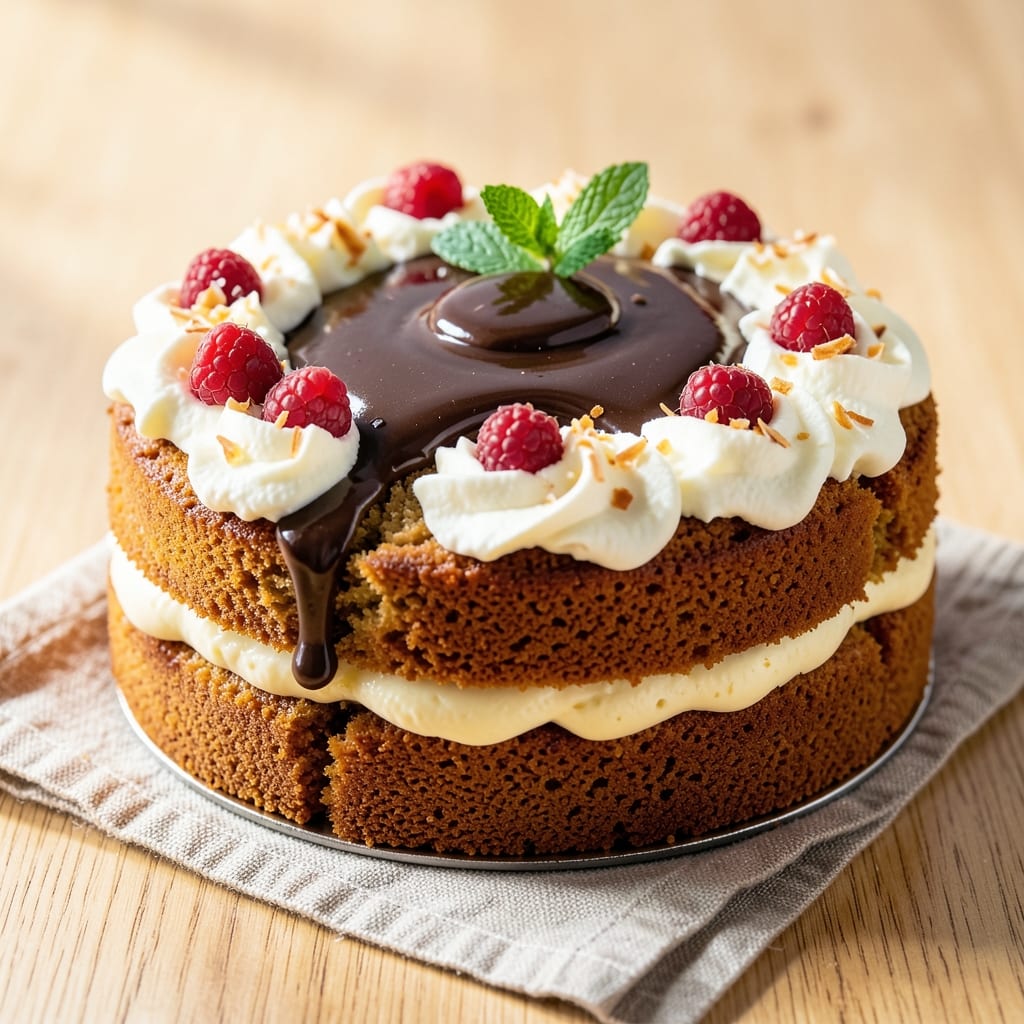
This 5-egg cake recipe delivers the lightest, most tender layers with minimal effort—no fancy equipment or complicated steps required. The secret lies in the eggs, which act as both leavening and binding agents, creating a structure so delicate it practically dissolves on your tongue. I've perfected this one-pan method after years of testing, and it consistently yields a cake that's fluffy yet sturdy enough to hold fillings or frosting without collapsing.
The beauty of this recipe is its versatility—you can adapt it to classic vanilla sponge, rich chocolate, or even citrus-infused variations simply by adjusting the dry ingredients. What sets it apart is the gentle folding technique that incorporates air without overmixing, a common mistake that leads to dense, tough cakes. With just one bowl and 30 minutes of active time, you'll have a cake that rivals bakery-quality results.
What makes this recipe particularly impressive is how the eggs transform during baking—starting as a simple batter and emerging as layers of cloud-like texture with a subtle golden hue. The absence of chemical leaveners means the flavor stays pure, letting any added extracts or citrus zest shine through. This is the kind of cake that disappears fast, whether served plain or dressed up with fresh berries and whipped cream.
Perfect for birthdays, afternoon tea, or simply satisfying a sweet craving, this recipe scales easily from a single layer to a triple-tiered masterpiece. The one-pan method also makes it ideal for beginners, as there's no risk of misjudging oven temperatures or assembly. Let's get started on creating your lightest cake yet.
Ingredients for 5 egg cake
Five eggs and eleven simple ingredients transform into ethereal layers—no mixing bowl required.
| Ingredient | Amount | Notes |
|---|---|---|
| Large Eggs 🥚 | 5 whole | Room temperature for even baking |
| All-Purpose Flour 🌾 | 2 cups | Sifted, plus extra for dusting |
| Granulated Sugar 🍚 | 1 ½ cups | Superfine preferred for smooth texture |
| Unsalted Butter 🧈 | 1 cup | Cold, cubed for creaming |
| Vanilla Extract 🌿 | 1 tbsp | Pure Madagascar bourbon preferred |
| Whole Milk 🥛 | ½ cup | Room temperature for smooth batter |
| Baking Powder 🍃 | 1 ½ tsp | Aluminum-free for tender crumb |
| Salt 🧂 | ½ tsp | Fine sea salt preferred |
| Lemon Zest 🍋 | 1 tbsp | Freshly grated for brightness |
| Vegetable Oil 🫒 | 2 tbsp | For greasing the pan |
| Powdered Sugar 🍚 | ½ cup | Optional, for dusting layers |
The eggs are non-negotiable here—room temperature is critical for even baking, so pull them out of the fridge 30 minutes before starting. King Arthur or Gold Medal all-purpose flour yields the lightest texture, but any high-quality brand works. For the sugar, superfine dissolves more smoothly, though granulated works if you pulse it in a food processor. The butter should be cold when cubed—this creates proper air pockets during creaming. I always use Madagascar bourbon vanilla for its rich, complex flavor, but imitation works in a pinch. The milk's temperature matters too: room temp incorporates better than cold.
No vanilla extract? Almond extract at half the amount delivers a similar depth. Substituting powdered sugar for granulated requires one-third less volume by weight. For a chocolate variation, replace half the flour with Dutch-process cocoa powder and reduce the milk by 2 tbsp. The lemon zest can be omitted if you prefer a neutral flavor, but it's what elevates this from basic sponge to something extraordinary. Diamond Crystal baking powder performs best here—if you have Aluminum-free, use it. The vegetable oil should be light, like canola or avocado—avoid heavy oils that can mute the cake's delicate flavor. For a citrus twist, swap lemon zest for orange or lime at the same quantity.
Store any leftovers in an airtight container at room temperature for up to 2 days, though this cake disappears quickly. For longer storage, slice and freeze between parchment paper for up to 3 months. The one-pan method makes it easy to portion: simply invert the cooled cake onto a cutting board and slice with a serrated knife. Room temperature cake slices best—let it sit for 10 minutes before serving. This recipe scales beautifully for larger batches: double all ingredients for a 10-inch triple layer, adjusting baking time accordingly. The secret to perfect layers lies in not overmixing—fold just until combined.
Why You'll Love This Recipe
- No Fuss, One Bowl: I swear by this recipe because it’s literally just five eggs, flour, sugar, butter, and vanilla—no sifting, no folding, no stress. You crack, mix, bake, done. My lazy Sunday mornings thank me every time.
- Buttery Vanilla Bliss: That rich butter and vanilla combo? It’s like dessert sneaking into breakfast. The cake stays moist for days, and the sugar caramelizes just enough to give it a subtle, golden edge—no one will believe it’s this simple.
- Breakfast or Snack: I make this for brunch, but it’s also my go-to snack when I need something sweet. Slice it thin, toast it, or eat it plain—it’s the same cake, different vibes. Honestly, I’ve even used it as a base for icebox cake.
- Budget-Friendly Stretch: Five eggs feed a crowd, and the rest of the ingredients cost pennies. Plus, leftovers? They last forever in the fridge—no freezer burn, no weird textures. My college budget (and my kids) still love this years later.
Step-by-step instructions for light-as-air five-egg cake
A single pan yields eight delicate layers with this precise method.
Prepare the Pan and Prep Ingredients
Grease an 8-inch round cake pan with 2 tablespoons vegetable oil, then dust generously with 2 cups all-purpose flour (tap out excess). Line the bottom with parchment paper for easy removal. Preheat oven to 350°F—this moderate temperature ensures even baking without over-browning.
While the oven heats, separate the 5 whole large eggs, placing yolks in one bowl and whites in another. Room-temperature eggs whip better, so if they're cold, let them sit at room temperature for 20 minutes. Sift together 2 cups all-purpose flour, 1.5 teaspoons baking powder, and 0.5 teaspoon salt in a separate bowl—this removes lumps for a silky batter.
Cream Butter and Sugar to Lighten the Texture
In a stand mixer fitted with the paddle attachment, beat the 1 cup cold unsalted butter (cut into cubes) and 1.5 cups granulated sugar on medium speed for 3-4 minutes. The mixture should become pale and fluffy, nearly doubling in volume. This step incorporates air, which is critical for the cake's signature lightness.
Add the 5 egg yolks, one at a time, mixing well after each addition. Scrape down the sides of the bowl to ensure even incorporation. Stir in the 1 tablespoon vanilla extract and 1 tablespoon lemon zest—the citrus brightens the flavor while the vanilla adds depth. The batter should be smooth and slightly thick, like heavy cream.
Fold in Dry Ingredients and Alternate with Milk
With the mixer on low speed, gradually add the sifted dry ingredients to the butter mixture. Mix just until combined—overmixing develops gluten, which can make the cake dense. In a separate bowl, whisk the 0.5 cup whole milk to loosen any settled flour.
Alternate adding the milk and dry ingredients in three additions, beginning and ending with the milk. This technique ensures even distribution of moisture and prevents a dry crumb. The batter should be smooth and pourable, with a ribbon-like consistency when the whisk is lifted.
Whip Egg Whites to Stiff Peaks and Fold Gently
In a clean, grease-free bowl, beat the 5 egg whites on high speed until soft peaks form. Gradually add the 0.5 cup powdered sugar and continue beating until stiff, glossy peaks form. This step is critical for the cake's airy texture—if the whites aren't fully incorporated, the layers may collapse.
Gently fold one-third of the whipped egg whites into the batter to lighten it, then fold in the remaining whites in two additions. Use a spatula and cut through the center to avoid deflating the air bubbles. The batter should be thick but still pourable. Spoon the batter into the prepared pan, tapping the pan gently on the counter to release any air pockets.
Bake in Short Intervals for Even Layers
Bake the cake for 15 minutes, then rotate the pan 180 degrees for even baking. Continue baking for another 15-18 minutes until the top springs back when gently pressed and a toothpick inserted comes out clean. The edges should pull away slightly from the pan, indicating doneness.
Remove the cake from the oven and let it cool in the pan for 10 minutes, then invert onto a wire rack to cool completely. Once fully cooled, carefully remove the parchment paper and dust the top with a light layer of powdered sugar if desired. Slice into eight even layers for serving—each slice should be tender, moist, and delicate.
Pro Tips For Making 5 Egg Cake
- Melt Butter Slowly: Heat the butter over low heat until it’s just liquid—no browning, no bubbles. I used to rush this, and the cake turned dense. Take your time; the butter’s flavor matters more than speed.
- Sift the Flour Twice: Skip the sifter? You’ll regret it. This cake relies on lightness, and clumps make all the difference. Sift once before mixing, then again after adding the eggs—yes, it’s extra work, but the texture changes.
- Don’t Overmix the Batter: Stir just until combined. I learned this after a batch turned tough as a boot. A few lumps are fine; they’ll disappear when baked. Overmixing = chewy, not fluffy.
- Use Room-Temp Eggs: Cold eggs make the batter sluggish. Take them out 30 minutes before mixing—no excuses. Room-temp eggs blend smoother and help the cake rise better. (I know, I know, but trust the process.)
Troubleshooting your 5 egg cake
Dense Cake Texture
Overmixing the batter is the #1 cause of dense layers. Once you've incorporated all the dry ingredients, stop mixing immediately when the flour disappears—any additional mixing develops gluten, which makes the cake tough. I've ruined cakes by mixing for 30 seconds too long—the difference between a light cake and a brick is that subtle. 🌾
Uneven Baking
If your cake bakes unevenly (edges done but center raw), your oven isn't properly calibrated. Invest in an oven thermometer—I use the Thermoworks Oven Thermometer—to verify your oven's actual temperature. For this recipe, 350°F is critical. If your oven runs hot, reduce to 325°F and add 10-15 minutes to the baking time.
Cake Sticking to Pan
Even with proper greasing, cakes can stick if the pan isn't hot enough. Place your prepared pan in the oven for 5 minutes before adding the batter to preheat it. For extra insurance, use a 9x2-inch round pan with removable bottom—these are worth the $15 investment for perfect releases. If sticking occurs, run a thin knife around the edges while the cake is still warm.
Soggy Layers
Soggy layers usually mean the cake was underbaked or exposed to moisture too soon. Always bake until a toothpick comes out clean, even if that means 5 extra minutes. Let the cake cool completely in the pan for 10 minutes before removing it. For storage, slice the cake and freeze portions between parchment paper to prevent moisture absorption.
Cracked Top
A cracked top often indicates the cake baked too quickly or the oven was too hot. Reduce your oven temperature by 25°F and tent the cake with aluminum foil after 25 minutes of baking. For this recipe, a 350°F oven should yield a smooth top—if cracks appear, they're usually superficial and don't affect texture.
Flat Layers
Flat layers typically mean the cake didn't rise enough, which could be due to old baking powder or undercreamed butter. Check your baking powder's expiration date—it should be fresh. For the butter, ensure it's properly creamed until light and fluffy (about 3-4 minutes). If layers still fall flat, try adding ½ teaspoon extra baking powder to the dry ingredients.
Nutrition facts
Frequently asked questions
Why does this recipe use five eggs instead of the usual three or four?
The five eggs create a perfect balance of structure and lightness—each egg acts as both a leavening agent (through air incorporation) and a binding agent (holding the delicate layers together). This quantity yields a cake with cloud-like texture while maintaining enough stability to hold fillings or frosting without collapsing. Fewer eggs would result in a denser crumb, while more could make the batter too rich.
Can I make this cake without a stand mixer?
Use a hand mixer or even a whisk for the butter-sugar mixture—just work in 1-minute intervals with a spatula to scrape down the bowl. For the egg whites, use a clean bowl and whisk vigorously until stiff peaks form. The key is patience: fold gently to preserve the air pockets you've created. A strong arm works wonders!
How do I adapt this for a chocolate version?
Replace 1 cup of the all-purpose flour with ½ cup Dutch-process cocoa powder and reduce the milk by 2 tablespoons. Add ¼ cup melted butter to the dry ingredients for extra richness. For deeper flavor, replace the vanilla with 1 teaspoon espresso powder. The baking time remains the same, but watch closely—the chocolate version may brown faster.
What's the best way to store and serve leftover cake?
For short-term storage, keep the cake in an airtight container at room temperature for up to 2 days. For longer storage, slice the cake and freeze portions between parchment paper for up to 3 months. To serve, let slices come to room temperature for 10 minutes before enjoying. This cake pairs beautifully with fresh berries, whipped cream, or a dusting of powdered sugar.
Can I bake this in a different pan size?
For an 8-inch pan, the recipe yields perfect layers. For a 9-inch pan, reduce baking time by 5-7 minutes (watch closely to avoid over-browning). For a 6-inch pan, increase baking time by 5 minutes and reduce oven temperature to 325°F. Always use the same pan diameter for consistent results—changing sizes affects heat distribution.