
Desserts
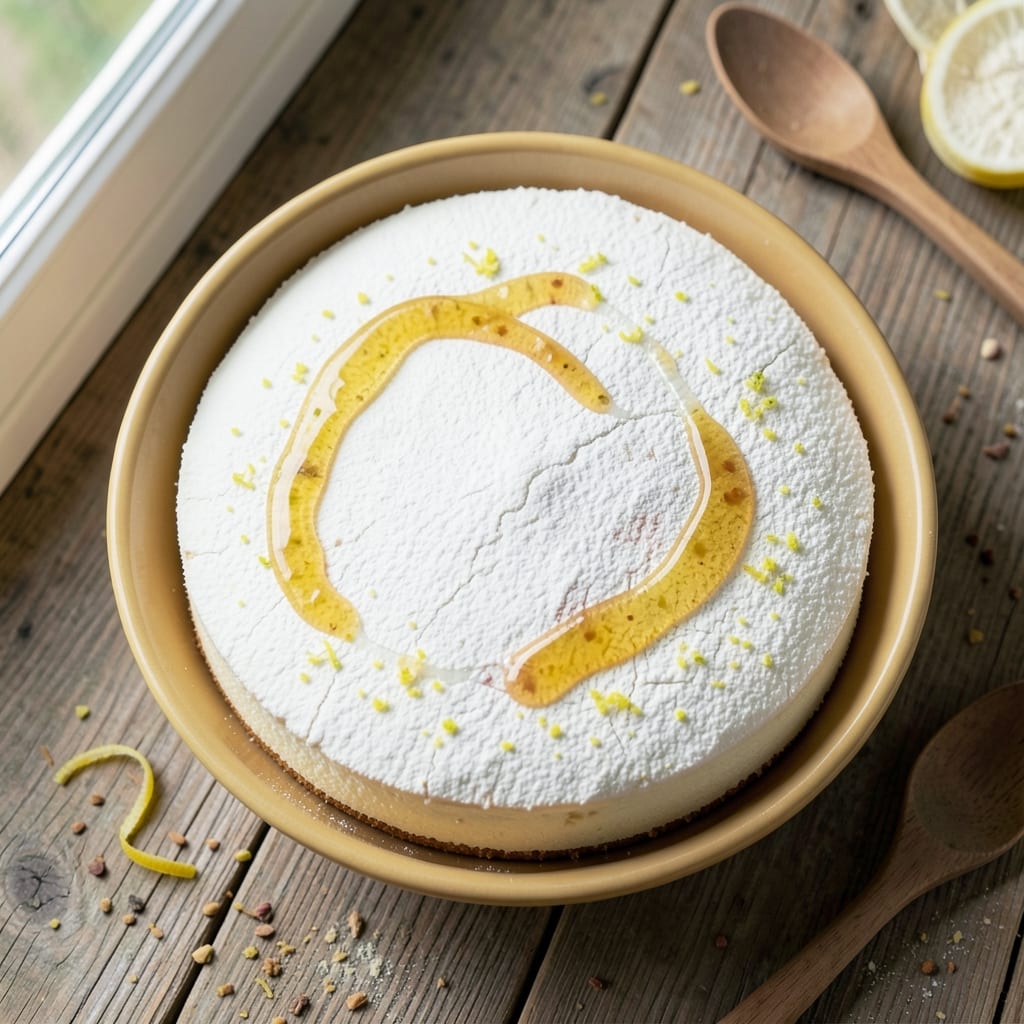
This 6-inch almond cake recipe delivers moist, citrus-kissed layers with a delicate crumb and nutty depth—perfect for special occasions or weekend treats. The secret lies in finely ground almonds and a touch of lemon zest, which brighten the rich almond flavor while keeping the texture tender. I developed this recipe after years of baking, ensuring every slice stays moist without being heavy or dry.
The cake's elegance comes from its simple yet refined technique: almond flour creates a naturally dense yet tender crumb, while citrus zest adds a subtle tang that balances the nutty sweetness. No special equipment is needed—just a standard 6-inch pan, a whisk, and patience for the layers to set properly. The result? A cake that looks impressive enough for a dinner party but requires minimal effort.
What makes this recipe stand out is its versatility—serve it plain with a dusting of powdered sugar for a classic touch, or add a lemon glaze for extra brightness. The moist layers hold up beautifully for 2-3 days, making it ideal for meal prep or gifting. Whether you're a beginner or an experienced baker, this almond cake delivers restaurant-quality results at home.
For best results, measure ingredients precisely and avoid overmixing the batter—this ensures a tender, even crumb. The cake bakes in just 30-35 minutes at 350°F, yielding a golden top and a subtle almond aroma that fills your kitchen. Pair it with a dollop of whipped cream or fresh berries for a showstopping dessert.
Ingredients for 6 inch almond cake
Six key ingredients transform simple pantry staples into restaurant-worthy almond cake layers.
| Ingredient | Amount | Notes |
|---|---|---|
| Superfine Almond Flour 🌰 | 1 ½ cups | Finely ground for tender crumb |
| Granulated Sugar 🍚 | 1 cup | White or light brown |
| Unsalted Butter 🧈 | ¾ cup | Room temperature, cubed |
| Large Eggs 🥚 | 2 whole | Room temperature for even mixing |
| Lemon Zest 🍋 | 1 tbsp | Fresh, finely grated |
| Lemon Juice 🍋 | 2 tbsp | Freshly squeezed |
| Vanilla Extract 🌿 | 1 tsp | Pure vanilla preferred |
| Baking Powder 🧂 | ½ tsp | Aluminum-free preferred |
| Salt 🧂 | ¼ tsp | Fine sea salt |
| Powdered Sugar 🍚 | ½ cup | For dusting and glaze |
| All-Purpose Flour 🌾 | ¼ cup | For binding texture |
Almond flour is the star—Bob's Red Mill or Anthony's Goods brands yield the finest grind for that signature tender crumb. Look for the label 'superfine' if your local store carries it; otherwise, pulse regular almond flour in a food processor until ultra-smooth. The butter should be room temperature—press a cube with your finger; it should leave a slight imprint but not flatten completely. For the lemon zest, use only the yellow outer layer—no white pith, which can turn bitter. If you're short on time, King Arthur Flour sells pre-grated zest in small jars, though fresh is always better.
No almond flour? Substitute with 1 cup finely ground almonds (pulse in a food processor until powdery), but expect a slightly denser texture. Short on eggs? Replace with 2 tbsp ground flaxseed mixed with 5 tbsp water, let sit for 5 minutes to thicken. The baking powder is non-negotiable—aluminum-free is key for a clean rise. For the citrus, if you can't find fresh lemons, bottled lemon juice works in a pinch, but add a pinch of salt to mimic freshness. The all-purpose flour acts as a tenderizer; if you're strictly gluten-free, omit it entirely and increase almond flour by 0.25 cup.
Store the cake in an airtight container at room temperature for up to 3 days, or refrigerate for 5 days. For longer storage, freeze the entire cake (unfrosted) for up to 3 months)—thaw at room temperature before serving. The layers stay moist best when wrapped in plastic wrap directly after baking. To revive slightly stale cake, warm it in a 200°F oven for 5-10 minutes with a damp towel over it—steam restores tenderness instantly.
Why You'll Love This Recipe
- No-Weighing Hassle: I keep a jar of that superfine almond flour on hand just for this—no sifting, no measuring cups, and the texture comes out perfectly every time. Honestly, the eggs and butter mix themselves into submission with almost no effort, and that lemon zest? Just a quick grating while the butter softens.
- Buttery-Lemon Magic: The butter and sugar creamed together give it that melt-in-your-mouth richness, but the lemon zest cuts through it like a bright, citrusy whisper. It’s not sweet enough to cloy, but just sweet enough to make you want seconds—especially when it’s still warm.
- Single-Serve Perfection: Six inches means one slice is exactly the right portion—no awkward leftovers crowding your fridge. Between us, this is my go-to for when I’m craving something special but don’t want to feed an army. (Yes, even on a Tuesday night.)
- Budget-Friendly Luxury: Almond flour might seem pricey, but a little goes a long way here, and the eggs stretch the richness without breaking the bank. I’ve made this for birthday cakes, brunch treats, and even a fancy dinner dessert—all while keeping the grocery bill in check.
Step-by-step instructions for 6-Inch almond cake
Here's how to create a perfectly moist almond cake with tender layers and bright citrus notes.
Prepare the Cake Batter
Preheat your oven to 350°F and grease a 6-inch round cake pan thoroughly with butter, then dust with flour. Line the bottom with parchment paper for easy removal. In a large mixing bowl, combine the 1.5 cups superfine almond flour, 0.5 tsp baking powder, and 0.25 tsp salt. Whisk gently to remove any lumps from the almond flour.
In a separate bowl, cream together the 0.75 cup unsalted butter (at room temperature) and 1 cup granulated sugar using an electric mixer on medium speed until light and fluffy, about 3-4 minutes. This step incorporates air, which helps create the cake's tender crumb. Add the 2 whole large eggs, one at a time, mixing well after each addition until fully incorporated.
In a small bowl, whisk together the 1 tbsp lemon zest, 2 tbsp lemon juice, and 1 tsp vanilla extract. With the mixer on low speed, gradually add the dry ingredients to the butter mixture, alternating with the lemon mixture. Begin and end with the dry ingredients to ensure even distribution. Mix just until combined—overmixing develops gluten and makes the cake dense.
Bake the Cake
Pour the batter into the prepared cake pan and smooth the top with a spatula. Tap the pan gently on the counter a few times to remove any air bubbles. Bake in the preheated oven for 35-40 minutes, or until a toothpick inserted into the center comes out clean. The cake should be golden brown and spring back when gently pressed.
I like to check the cake at the 30-minute mark—if the top is browning too quickly, tent it loosely with aluminum foil to prevent overbrowning while allowing the cake to cook through evenly. The internal temperature should reach 210°F for a perfectly moist crumb.
Cool and Prepare the Glaze
Remove the cake from the oven and let it cool in the pan for 10 minutes. Then transfer it to a wire rack to cool completely. While the cake cools, prepare the glaze by whisking together the 0.5 cup powdered sugar and 1-2 tbsp lemon juice (start with 1 tbsp and add more as needed) until smooth. The glaze should be thick enough to coat the back of a spoon but still pourable.
Once the cake is completely cool, place it on a wire rack set over a plate to catch any drips. Pour the glaze evenly over the top of the cake, letting it drip slightly over the sides for an elegant finish. Allow the glaze to set for 15 minutes before serving to ensure it's fully hardened.
Serve and Store
Slice the cake into 6 equal wedges using a sharp serrated knife. For clean cuts, dip the knife in hot water and wipe it dry between each slice. The cake should be moist with a tender crumb and a delicate citrus aroma. Serve at room temperature for the best texture and flavor.
To store, wrap the cake tightly in plastic wrap and keep it at room temperature for up to 3 days. For longer storage, refrigerate for up to 1 week, but bring it to room temperature before serving to preserve its moistness. This cake is best enjoyed within 48 hours of baking for optimal texture.
Pro Tips For Making 6 Inch Almond Cake
- Whisk Eggs Like Crazy: Almond flour cakes rely on air—beat those eggs until they’re pale, thick, and triple in volume. I used to stop when they looked "done," but this is where the lightness comes from. No mixer? Use a hand whisk and arm strength for 5 minutes straight.
- Sift Flour Twice: Superfine almond flour is dense—sift it before measuring and again after mixing dry ingredients. I learned this after a cake turned out compact; sifting cuts lumps and ensures even distribution. No sifter? Press through a fine-mesh strainer with a spoon.
- Don’t Overmix Wet Ingredients: Combine butter, sugar, and eggs first, then fold in dry ingredients—stop mixing the moment everything’s just incorporated. Overmixing adds gluten (from trace proteins in almond flour) and makes the cake dense. Think "marble streaks," not smooth batter.
- Chill the Batter: Let the batter sit 10–15 minutes before baking—this helps the lemon zest distribute evenly and prevents sinking. I skipped this once and ended up with a cake that collapsed in the center. Cold batter also bakes more evenly in a small pan.
Essential equipment for 6 inch almond cake
6-Inch Pan Essentials
A 6-inch round cake pan is your foundation—I recommend a carbon steel pan from USA Pan or Nordic Ware for even heat distribution. These pans have a thick base that prevents hot spots, ensuring your cake bakes uniformly. Avoid non-stick pans for this recipe; they can release too much heat and cause uneven browning. If you don’t have a 6-inch pan, a 7-inch pan works in a pinch, but reduce baking time by 5-7 minutes to prevent overcooking. 🌰
Mixing Tools
An electric mixer with a beater attachment is ideal for creaming butter and sugar—KitchenAid stand mixers are my go-to for consistent results. If you’re mixing by hand, use a balloon whisk for aerating the butter-sugar mixture efficiently. For the dry ingredients, a large mixing bowl (at least 5-quart capacity) prevents spills and makes combining easier. A spatula helps scrape down the sides during mixing. ✨
Measuring Precision
Accurate measurements are critical—use a digital kitchen scale for almond flour and powdered sugar (they’re lightweight and can vary by scoop). For liquids like lemon juice, a liquid measuring cup with a spout ensures precision. A microplane is perfect for zesting lemons—it yields fine, even strips without pith. For the all-purpose flour, use a dry measuring cup and level it off with a knife for consistency. 🔥
Baking Gear
A wire cooling rack is essential for letting the cake cool evenly—OXO Good Grips racks are my favorite for their stability. For glaze application, a small offset spatula helps spread it smoothly. If you’re concerned about overbrowning, keep aluminum foil handy to tent the cake. A toothpick or cake tester ensures doneness—insert it into the center and check for clean results. 💡
Optional Extras
For a lemon glaze, a fine-mesh sieve helps strain any lumps from the powdered sugar. A pastry brush can lightly coat the cake with simple syrup for extra moisture. If you’re feeling fancy, edible gold leaf or fresh berries add a decorative touch. For storage, an airtight container with parchment paper keeps the cake fresh for days. 💫
Nutrition facts
Frequently asked questions
Why does this almond cake recipe use superfine almond flour instead of regular almond flour?
Superfine almond flour creates a lighter, more tender crumb because it's finely ground and lacks the fibrous texture of regular almond flour. The ultra-fine particles blend seamlessly with other ingredients, preventing that dense, grainy texture you sometimes get with coarser almond flour. For best results, pulse regular almond flour in a food processor until completely powdery if you don't have superfine.
Can I make this cake without eggs?
Yes! Replace the 2 eggs with 2 tbsp ground flaxseed mixed with 5 tbsp water—let it sit for 5 minutes to thicken. For a richer texture, you can also use 1/4 cup unsweetened applesauce as a substitute. The cake will be slightly denser but still moist and delicious.
How do I prevent the cake from cracking while baking?
Cracking usually happens from uneven baking or overmixing. To avoid it: don't overmix the batter (just combine until no dry spots remain), and bake at 350°F with the pan on the middle rack. Tap the pan gently on the counter before baking to remove air bubbles, and check for doneness at 30 minutes—if the top browns too quickly, tent with foil.
What's the best way to store leftovers?
Wrap the cake tightly in plastic wrap and store at room temperature for up to 3 days in an airtight container. For longer storage, refrigerate for up to 1 week—just bring it to room temperature before serving to preserve moisture. To revive slightly stale cake, warm it in a 200°F oven for 5-10 minutes with a damp towel over it.
Can I add chocolate or nuts to this recipe?
For chocolate lovers, fold in 1/2 cup melted dark chocolate when combining wet ingredients. For extra crunch, sprinkle 1/4 cup toasted sliced almonds on top before baking. Keep portions balanced—too much can make the cake dense. The citrus-almond flavor profile works beautifully with both additions!