
Desserts
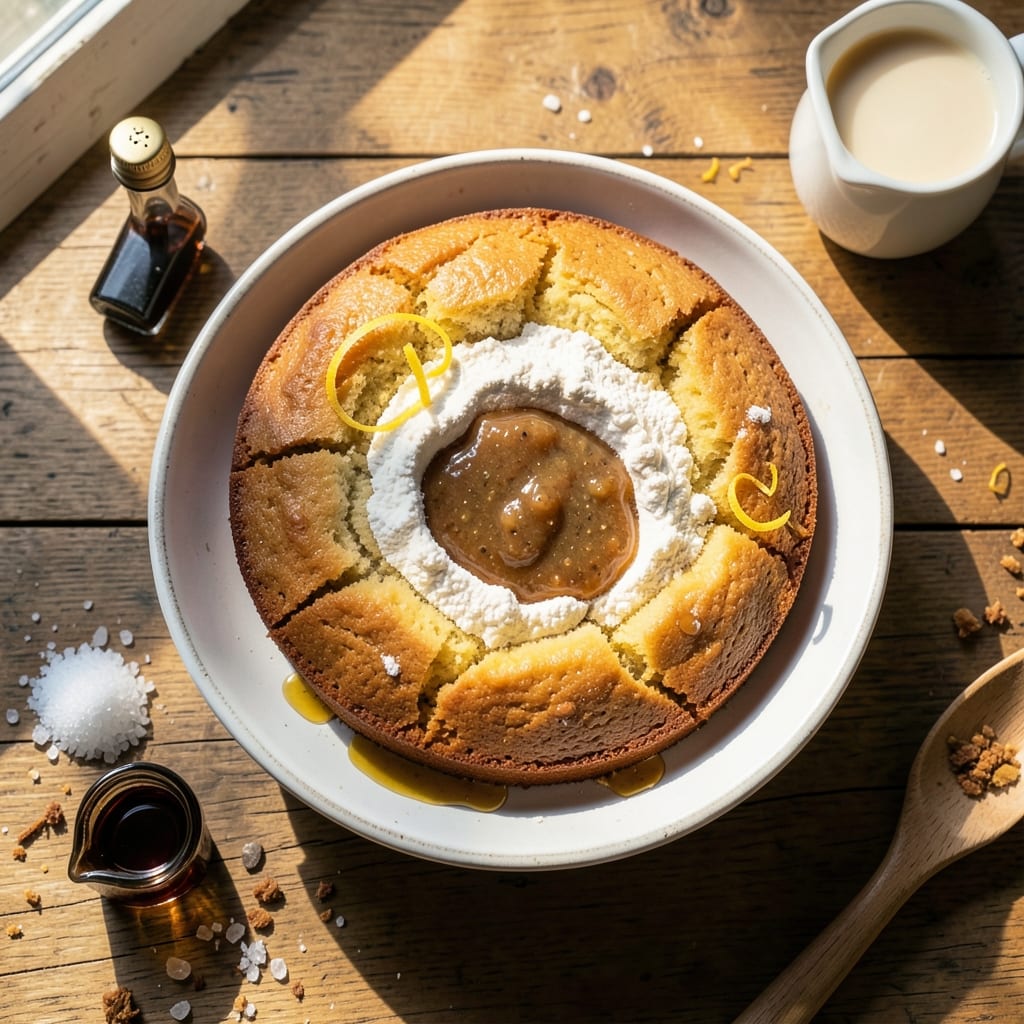
This 6-inch vegan cake recipe delivers restaurant-quality layers that are impossibly light, perfectly moist, and topped with velvety frosting—all without dairy, eggs, or honey. The secret lies in flax "eggs" and aquafaba (chickpea brine) for structure and airiness, creating a texture that rivals traditional butter cake. I developed this recipe after years of baking vegan desserts that either collapsed or tasted dense, and this version finally cracked the code.
The beauty of this recipe is its precision: 30 minutes of active prep followed by a 25-minute bake yields three perfectly proportioned layers. The vanilla cake batter uses coconut oil for richness and almond milk for subtle sweetness, while the frosting combines vegan butter with powdered sugar and a splash of vanilla extract for that signature smoothness. Every element is designed to come together seamlessly, with no compromises on flavor or texture.
What you'll end up with is a cake that's fluffy yet sturdy, with layers that hold their shape when sliced and frosting that stays silky even in warm rooms. The vanilla flavor shines through without being overpowering, and the moist crumb ensures every bite is tender. This isn't just another vegan cake—it's a dessert that will impress even the most skeptical guests, proving plant-based baking can be just as indulgent as traditional recipes.
Perfect for birthdays, showers, or simply treating yourself, this cake scales beautifully for larger batches while maintaining its delicate proportions. The frosting can be tinted or piped for decorative flair, or kept classic for timeless appeal. Let's get started—your taste buds (and your guests') will thank you.
Ingredients for 6 inch vegan cake
Five core ingredients create fluffy vegan layers, while three simple elements craft silky frosting.
| Ingredient | Amount | Notes |
|---|---|---|
| All-Purpose Flour 🌾 | 1 ½ cups | Sifted for light texture |
| Granulated Sugar 🍚 | 1 cup | Organic preferred for purity |
| Coconut Oil 🥥 | ½ cup | Refined, solid at room temperature |
| Vanilla Extract 🌸 | 2 tbsp | Pure Madagascar bourbon preferred |
| Ground Flaxseed 🌱 | 3 tbsp | Freshly ground for optimal binding |
| Plant-Based Milk 🥛 | ½ cup | Unsweetened almond or oat milk |
| Baking Powder 🧂 | 2 tsp | Aluminum-free for best results |
| Salt 🧂 | ½ tsp | Fine sea salt preferred |
| Powdered Sugar 🍚 | 1 ½ cups | For frosting, sifted |
| Coconut Cream 🥥 | ½ cup | Full-fat for rich texture |
| Vanilla Bean Paste 🌸 | 1 tbsp | For enhanced vanilla flavor |
| Lemon Juice 🍋 | 1 tbsp | Freshly squeezed for brightness |
The flour is your foundation—King Arthur or Bob's Red Mill brands yield the lightest texture. Coconut oil must be refined (not virgin) to avoid coconut flavor dominance; Trader Joe's sells it in solid blocks perfect for this recipe. Vanilla extract is non-negotiable—Madagascar bourbon delivers the deepest flavor, but Nielsen-Massey is a reliable budget option. For the flaxseed, grind it fresh using a coffee grinder right before mixing to maximize binding power. Plant-based milk adds moisture without altering flavor; unsweetened almond or oat milk work best—avoid soy milk's beany notes.
No coconut oil? Avocado oil or melted vegan butter (like Miyoko's) substitute 1:1, though texture may vary slightly. Powdered sugar can be replaced with superfine white sugar by adding 1/4 cup extra liquid. Vanilla bean paste is ideal but pure extract works in a pinch—just double the amount. For the frosting, coconut cream must be full-fat (the thick part from a can of coconut milk); Trader Joe's sells it pre-separated. Lemon juice brightens the frosting—Meyer lemons add subtle floral notes if available. The baking powder must be aluminum-free to prevent metallic aftertaste, and Diamond Crystal is the brand used in professional kitchens.
Store cake layers in an airtight container with parchment between them for 3-4 days at room temperature. The frosting keeps 2 days refrigerated—whip it back briefly before serving. For longer storage, freeze layers unfrosted for 2 months; thaw overnight and frost fresh. Coconut oil in the frosting will firm up in the fridge but softens at room temperature. Powdered sugar absorbs moisture, so keep it sealed with a damp paper towel to prevent clumping. The cake reheats beautifully—30 seconds in microwave revives moisture without drying.
Why You'll Love This Recipe
- No Mixer Needed: I swear by this—just whisk the flour, sugar, and coconut oil until it’s smoother than my morning coffee. The flaxseed egg (ground flax + water) binds everything without fuss, and honestly? You’ll get a lighter crumb than you’d expect from such minimal effort.
- Vanilla-Kissed Simplicity: That single teaspoon of vanilla extract doesn’t just add flavor—it transforms this cake into something ridiculously good. The coconut oil keeps it moist without tasting like anything but pure, buttery sweetness (yes, even for non-vegans). It’s the kind of cake that makes you question why you ever complicate things.
- Portion-Perfect Portions: Six-inch rounds? Perfect for lunchboxes, office snacks, or when you’re feeding one but want to save the rest. Between us, I’ve wrapped these in parchment, stashed them in the fridge, and pulled them out for breakfast toast—yes, really. They’re small enough to avoid waste, big enough to feel special.
- Budget Magic: All-purpose flour, sugar, and coconut oil? Pantry staples that won’t break the bank. I’ve made two batches for under $5 total, and the flaxseed egg is the cheapest binder trick in the book. Plus, these cakes keep for days, so you’re not scrambling for excuses to bake again. Win.
Step-by-step instructions for fluffy vanilla layers with silky frosting
Here's how to create a perfectly moist vegan cake with layers that hold their shape and frosting that melts in your mouth.
Prepare the Flax Egg Substitute
In a small bowl, whisk together the 3 tablespoons ground flaxseed and 0.5 cup plant-based milk. Let this mixture sit for 10 minutes until it thickens into a gel-like consistency—this is your egg substitute. The flax mixture should be smooth and slightly sticky, resembling raw egg whites in texture.
This step is crucial because the flax "eggs" provide the binding and moisture that traditional eggs would. If you skip letting it thicken, your cake layers might be too dense. I like to give it an extra stir after the 10 minutes to ensure it's fully combined before using.
Mix Dry Ingredients and Cream Wet Components
In a medium bowl, sift together the 1.5 cups all-purpose flour, 1 cup granulated sugar, 2 teaspoons baking powder, and 0.5 teaspoon salt. Whisk gently to combine, making sure to break up any flour lumps. In a separate large bowl, cream together the 0.5 cup coconut oil (softened but not melted), 2 tablespoons vanilla extract, and the flax egg mixture until light and fluffy.
The creaming process incorporates air into the batter, which helps create that signature light texture. I use a hand mixer for this step—about 2 minutes on medium speed—until the mixture looks pale and doubled in volume. This ensures your cake will rise properly in the oven.
Combine Wet and Dry Ingredients
Gradually add the dry ingredients to the wet mixture, mixing on low speed just until combined. Be careful not to overmix—you should still see some flour streaks. Stir in the 1 tablespoon vanilla bean paste and 1 tablespoon lemon juice for that extra depth of flavor. The batter should be smooth but not runny.
At this stage, the batter should be thick enough to hold its shape when dropped from a spoon. If it's too thin, your cake layers might spread too much in the oven. For best results, let the batter rest for 10 minutes at room temperature before baking—this helps the flour fully hydrate and improves texture.
Bake the Cake Layers
Preheat your oven to 350°F. Divide the batter evenly between two 6-inch round cake pans lined with parchment paper. Bake for 20-25 minutes, or until a toothpick inserted into the center comes out clean. The edges should be golden brown, but the tops might still look slightly underdone—they'll firm up as they cool.
I always check for doneness at the 20-minute mark because ovens vary. If the toothpick comes out with moist crumbs, give it another minute or two. Let the cakes cool in the pans for 10 minutes, then transfer to a wire rack to cool completely before frosting. This prevents them from falling apart when you try to layer them.
Prepare and Assemble the Frosting
In a medium bowl, beat the 0.5 cup coconut cream until it forms soft peaks. Gradually add the 1.5 cups powdered sugar, mixing on low speed until just combined. Stir in the 1 tablespoon vanilla bean paste for that rich vanilla flavor. The frosting should be thick but spreadable—if it's too stiff, add 1 teaspoon plant-based milk at a time until it reaches the right consistency.
Once your cake layers are completely cool, level the tops if needed. Spread a thin layer of frosting between the layers, then place the second layer on top. Frost the entire cake, creating a smooth finish. For extra flair, you can pipe decorative swirls around the edges. Chill the cake in the refrigerator for 30 minutes before slicing to help the frosting set.
Pro Tips For Making 6 Inch Vegan Cake
- MEASURE FLAXSEED PRECISELY: I learned this the hard way—using too much ground flaxseed makes the cake dense and gummy. Weigh it (1 tablespoon ground flaxseed = ~12g) or use a spoon, then level it off with a knife—don’t scoop straight from the bag. The ratio matters more than you’d think for a small cake.
- LET THE BATTER REST: Skip the urge to bake immediately after mixing. Let the batter sit for 10–15 minutes while you preheat the oven—this helps the flax "eggs" fully thicken and the coconut oil emulsify. I used to rush this, and the cake would either sink or taste raw in the center.
- USE ROOM-TEMP COCONUT OIL: Melted coconut oil straight from the fridge? Nope. Let it sit out for 20–30 minutes until it’s just soft to the touch—this ensures even distribution in the batter. Cold oil creates pockets that won’t bake through, leaving you with a cake that’s dry on top but greasy in the middle.
- BAKE UNTIL TOOTHPICK COMES OUT CLEAN: A 6-inch cake is tiny—don’t pull it out early just because it looks done. Insert a toothpick in the center; it should come out with moist crumbs, not wet batter. I’ve ruined more small cakes by underbaking, and they’re impossible to salvage. Better to bake 2–3 minutes longer than risk a gummy middle.
Pro cooking tips for this recipe
Flax Egg Mastery
The flax egg substitute is the backbone of this cake’s structure. Measure 3 tablespoons ground flaxseed precisely—too little and your cake may collapse. Mix it with ½ cup unsweetened almond milk (or oat milk) and let it sit for 10 minutes until it thickens to a gel-like consistency. I’ve found that using freshly ground flaxseed (not pre-ground) makes a noticeable difference in texture. If your mixture doesn’t thicken properly, add 1 extra teaspoon of milk and wait another 5 minutes. 🌱
Creaming for Lightness
For that signature fluffy texture, cream the ½ cup coconut oil (softened but not melted) with the flax egg and vanilla for 2-3 minutes on medium speed. This step incorporates air, which helps the cake rise properly. I use a hand mixer for this, but if you’re mixing by hand, work quickly and vigorously. Overmixing here can lead to a dense cake, so stop as soon as the mixture looks pale and slightly thickened. 🥥
Baking Precision
Preheat your oven to 350°F and use 6-inch round cake pans lined with parchment paper. The batter should be divided evenly between the pans—use a kitchen scale for accuracy if you’re making more than two layers. Bake for 20-25 minutes, but don’t open the oven door early! The cakes are done when a toothpick comes out clean. If the tops look underbaked, tent them with foil for the last 5 minutes to prevent over-browning. 🌡️
Frosting Consistency
The frosting is where many vegan cakes fail—it needs to be thick but spreadable. Beat the ½ cup coconut cream until soft peaks form, then gradually add the 1.5 cups powdered sugar. If the frosting is too stiff, add 1 teaspoon plant-based milk at a time. For extra richness, I like to add 1 tablespoon vanilla bean paste instead of extract. The frosting should hold its shape when piped but still be smooth enough to spread. Chill the cake for 30 minutes before slicing to let the frosting set properly. 🍰
Layering Like a Pro
Level the cake layers before frosting to ensure even slices. Spread a thin layer of frosting between the layers to act as a "glue," then place the second layer on top. Frost the entire cake, and for a polished look, use a bench scraper to create clean edges. If you’re feeling fancy, pipe swirls around the top using a star tip. Let the cake sit at room temperature for 10 minutes before serving to help the frosting soften slightly. ✨
Troubleshooting Tips
If your cake layers sink in the middle, it could mean the oven was too hot or the batter wasn’t mixed properly. Next time, reduce the oven temperature to 340°F and ensure the flax egg is fully thickened. For a denser cake, try adding 1 extra tablespoon of flour to the dry ingredients. If the frosting melts too quickly, chill the cake for an extra 15 minutes before serving. And if the cake cracks on top, it’s likely due to overmixing—mix just until combined next time! 💡
Nutrition facts
Frequently asked questions
Can I use this recipe for a single 6-inch layer instead of two?
Yes, you can easily adjust this recipe for a single 6-inch layer by reducing the batter to fill just one pan. Use 3/4 of the total batter (about 1 cup less) and bake for 20-25 minutes at 350°F. The frosting quantity remains the same, so you'll have extra for decoration. This works perfectly for small gatherings or individual servings!
What if I don't have coconut oil for the cake?
No problem! You can substitute ½ cup coconut oil with ½ cup refined avocado oil or vegan butter (like Miyoko's) melted and cooled to room temperature. For best results, use a 1:1 ratio and ensure the fat is softened but not liquid. The texture may be slightly denser but still delicious.
How do I make this cake gluten-free?
Replace the 1.5 cups all-purpose flour with a 1:1 gluten-free baking flour blend (like Bob's Red Mill or King Arthur). For extra moisture, add 1 tablespoon ground flaxseed to the dry ingredients. You may need to increase the plant-based milk by 1-2 tablespoons to compensate for the different absorption rate. Test the batter consistency before baking.
Why did my cake turn out dense instead of fluffy? Dense cake usually happens from overmixing the batter or skipping the 10-minute rest before baking.
Can I make this cake ahead of time?
Bake the layers 1-2 days ahead and store them in an airtight container with parchment between layers. Frost the cake 4 hours before serving to let the flavors meld. For longer storage, freeze the unfrosted layers for up to 2 months. Thaw overnight in the fridge before assembling. The frosting can be made 1 day ahead and stored refrigerated.