
Desserts
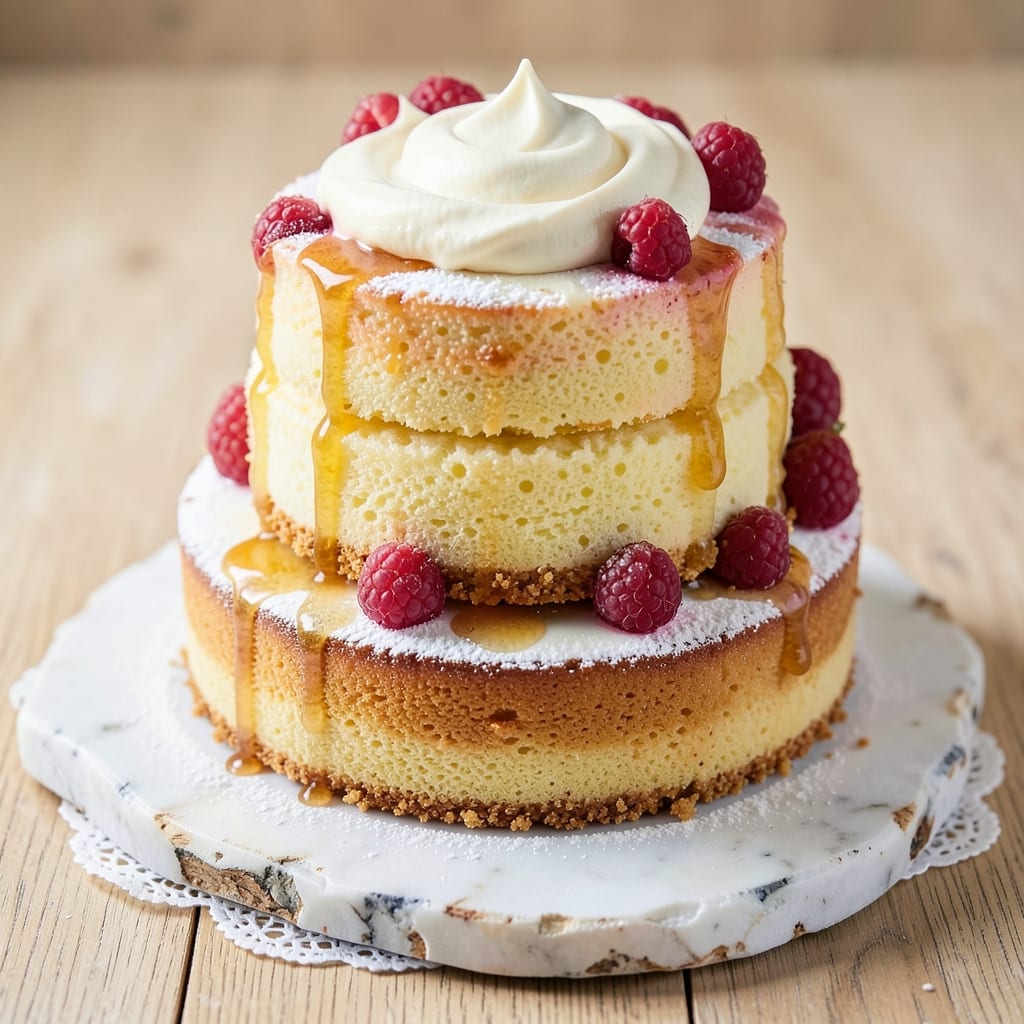
This 7 Up cake recipe with cake flour delivers the perfect balance of citrusy brightness and ultra-light crumb—no one will guess it's made with soda. The secret lies in using cake flour for that signature tender texture while 7 Up adds natural moisture and that signature citrusy tang. I've perfected this recipe over years of baking, ensuring every slice stays moist without being dense.
What sets this recipe apart is the combination of cake flour's fine texture and 7 Up's subtle citrus flavor, which creates a cake that's light enough to melt in your mouth yet sturdy enough to hold vibrant swirls. The recipe calls for a 350°F oven and 25-30 minutes of baking time, yielding a golden dome with just the right amount of bounce. No one will believe it's made with soda instead of juice or milk.
The result is a cake that's moist for days, with a delicate crumb and a citrusy aroma that fills your kitchen. The 7 Up doesn't just flavor the cake—it keeps it tender and adds a subtle effervescence that makes every bite feel special. This recipe is perfect for birthdays, showers, or just because—it's the kind of cake that disappears quickly.
Whether you're a seasoned baker or just starting out, this recipe delivers foolproof results with minimal effort. The cake flour ensures a light texture, while the 7 Up adds a unique twist that makes this cake stand out. Let's get started on creating something truly special.
Ingredients for 7 up cake recipe with cake flour
The secret to this nostalgic citrus cake lies in cake flour and 7 Up’s signature fizz.
| Ingredient | Amount | Notes |
|---|---|---|
| All-Purpose Flour 🌾 | 1 ½ cups | Standard white flour for structure |
| Cake Flour 🍞 | 1 ½ cups | Key for ultra-light texture |
| Unsalted Butter 🧈 | 1 cup | Room temperature for smooth mixing |
| Granulated Sugar 🍚 | 2 cups | White sugar for balanced sweetness |
| Light Brown Sugar 🍚 | ½ cup | Packed for moisture and depth |
| 7 Up Soda 🥤 | 1 ½ cups | Freshly chilled for citrus flavor |
| Large Eggs 🥚 | 2 whole | Room temperature for even mixing |
| Pure Vanilla Extract 🌿 | 2 tsp | High-quality for authentic flavor |
| Baking Powder 🧂 | 2 tsp | Double-acting for proper rise |
| Salt 🧂 | ½ tsp | Fine sea salt for balance |
| Citric Acid 🍋 | ¼ tsp | Enhances citrus brightness |
| Orange Zest 🍊 | 1 tbsp | Freshly grated for vibrant flavor |
| Orange Juice 🍊 | ½ cup | Freshly squeezed for moisture |
Cake flour is non-negotiable here—it’s what gives this cake that signature tender crumb. Bob’s Red Mill or King Arthur brands are my go-tos, but any quality cake flour will work. The 7 Up soda needs to be chilled before measuring, so pop it in the fridge while you prep the dry ingredients. For the butter, room temperature is crucial—it should be soft but not melted. If your butter is too cold, microwave it in 10-second bursts until just pliable. The orange zest should come from a fresh orange; bottled zest lacks the brightness you need here.
No 7 Up? Sprite or lemon-lime soda works in a pinch, but the flavor won’t be identical. Running out of cake flour? Substitute with all-purpose flour, but add 2 tbsp cornstarch to mimic its fine texture. For the orange juice, fresh is ideal, but bottled works if you’re in a hurry. The citric acid might be hard to find—if you can’t locate it, a pinch of cream of tartar will do the trick. And if you’re worried about the cake being too moist, don’t be: the cake flour and baking powder combo ensures just the right texture. Every ingredient here plays a role, so don’t skip the zest—it’s what makes this cake sing.
This cake keeps beautifully for 3-4 days in an airtight container at room temperature, though it’s best within the first day or two. For longer storage, wrap tightly in plastic and refrigerate for up to 5 days. Freezing isn’t recommended as the texture can become dry. To reheat slices, wrap them in a damp paper towel and microwave for 10-15 seconds—just enough to bring back that fresh-baked warmth. And if you’re feeling ambitious, make a double batch. Trust me, you’ll want seconds.
Why You'll Love This Recipe
- No Mixer Needed: I swear by this recipe when my mixer’s on strike—just fold the cake flour and all-purpose flour together by hand. The butter’s already softened, so creaming is a breeze, and that brown sugar keeps everything tender without fighting you.
- Moisture Locked In: Between the cake flour’s magic and the brown sugar’s humectant powers, this cake stays fresh for days. Honestly, I’ve had slices that were better the next day—no drying out, no sad crumbs. That’s the butter talking, too.
- Party in a Box: This cake’s your go-to for birthdays, potlucks, or "I forgot to plan" moments. The combo of cake flour and all-purpose gives it that just-right crumb, and the sugar balance makes it sweet enough for kids but not cloying for adults.
- Budget-Friendly Magic: You’re using pantry staples here—no specialty ingredients, no overpriced mix. Cake flour’s the secret weapon, but a box lasts forever. I’ve made this for under $5 and still had leftovers for days. Pure win.
Step-by-step instructions for vibrant citrus swirl cake
This method delivers a perfectly light, moist cake with bright citrus swirls every time.
Cream Butter and Sugars Together
In a stand mixer fitted with the paddle attachment, beat the 1 cup unsalted butter on medium speed until smooth and creamy. Gradually add the 2 cups granulated sugar and 0.5 cup light brown sugar, mixing continuously for 3-4 minutes until the mixture is light in color and fluffy. You'll notice it nearly doubles in volume as air is incorporated.
This creaming process is crucial for creating a tender crumb. If your butter isn't softened enough, you'll end up with a dense cake. Test by pressing a finger into the butter - it should leave a slight indentation but hold its shape. The mixture should be smooth with no grainy sugar particles remaining.
Mix in Wet Ingredients and Prepare Batter
Add the 2 whole large eggs, one at a time, mixing well after each addition. Then stir in the 2 tsp pure vanilla extract, 0.5 cup orange juice, and 1 tbsp orange zest. Mix on low speed just until combined - about 30 seconds total. In a separate bowl, whisk together the 1.5 cups all-purpose flour, 1.5 cups cake flour, 2 tsp baking powder, 0.5 tsp salt, and 0.25 tsp citric acid.
With the mixer on low speed, gradually add the dry ingredients to the wet mixture, mixing just until combined. Be careful not to overmix - you should still see small flour streaks. The batter should be smooth and slightly thick, similar to pancake batter. Here's where the cake flour works its magic, creating that signature light texture.
Incorporate the 7 Up Soda
In a separate bowl, gently fold the 1.5 cups chilled 7 Up soda into the batter using a spatula, being careful not to deflate the batter. The soda will create air pockets that contribute to the cake's lightness. The batter should be slightly bubbly and have a citrusy aroma. Don't worry if it looks a bit thin - the baking powder will help it rise properly.
This is the moment that matters: the soda's acidity reacts with the baking powder to create lift. For best results, use freshly chilled soda straight from the refrigerator. The cold temperature helps maintain the cake's moisture during baking. The batter should be well combined but still have some visible streaks of flour.
Prepare the Citrus Swirl Layer
Divide the batter evenly between two 8-inch round cake pans lined with parchment paper. For the swirl effect, spread half of the remaining batter in a thin layer over the top of one cake pan. Then, using a spoon or offset spatula, create a well in the center of this layer. Pour 0.25 cup orange juice into the well and let it soak into the batter for 1 minute. This creates the vibrant citrus swirl when baked.
The key here is to work quickly but carefully. The orange juice should be absorbed but not create a soupy layer. If you notice the batter becoming too runny, you can gently fold in a few extra spoonfuls of dry ingredients from the original mixture. The swirl layer should be thin enough to bake through completely without becoming soggy.
Bake to Golden Perfection
Preheat your oven to 350°F. Place both cake pans on the middle rack and bake for 25-30 minutes, or until a toothpick inserted into the center comes out clean. Rotate the pans halfway through baking for even cooking. The cakes should be golden brown on top and spring back slightly when pressed in the center.
Don't overbake - the cakes will continue cooking slightly as they cool. The internal temperature should reach 205-210°F when done. For the swirl effect, it's important to bake the cakes just until they're set but still slightly moist. This ensures the citrus flavor remains vibrant and the texture stays light. Let the cakes cool in the pans for 10 minutes, then transfer to a wire rack to cool completely before frosting.
Pro Tips For Making 7 Up Cake Recipe With Cake Flour
- MEASURE FLOUR LIKE A PRO: I learned this the hard way—spooning flour straight from the bag packs it too tightly, and your cake ends up dense. Instead, use the "fluff and scoop" method: aerate the cake flour and all-purpose flour with a fork in their containers, then scoop directly into your measuring cups. Level with a knife, but don’t press down—this recipe relies on that delicate lightness.
- CREAM BUTTER AND SUGARS LOW: Skip the high-speed mixer for this step—your butter and sugars need time to emulsify, not just whip. Use a hand mixer on medium speed for 3-4 minutes, then switch to a wooden spoon to fold in the eggs by hand. The extra time at lower speed creates a smoother batter without trapping air bubbles that’ll make your cake collapse later.
- DON’T OVERMIX THE DRY INGREDIENTS: I was skeptical until I tried it: mix the dry ingredients (flours, baking powder, salt) just until the flour is barely speckled with fat. Overmixing develops gluten, and your 7-Up cake will turn out tough instead of tender. Use a spatula to cut through the mixture in a figure-eight motion—no more than 15 seconds.
- LET THE BATTER REST (YES, REALLY): This isn’t the prettiest method, but it’s the tastiest. After combining wet and dry ingredients, let the batter sit for 10-15 minutes at room temperature. The cake flour absorbs liquid better this way, and your layers will bake more evenly—no more sunken centers or dry edges. (Your future self will thank you.)
Storing and reheating this 7 up cake recipe with cake flour
Room Temperature Storage
This cake stays fresh for 3-4 days at room temperature when stored in an airtight container like a Rubbermaid Brilliance container. I wrap the cooled cake in plastic wrap first, then place it in the container to lock in moisture. The cake flour helps maintain that ultra-light texture, so it won't dry out like some other cakes. Just
Refrigerator Preservation
For longer storage, refrigerate the cake for up to 5 days—though I find it's best enjoyed within 3 days of baking. Wrap it tightly in plastic wrap or aluminum foil before placing it in the fridge. The cold temperature actually helps preserve the citrus brightness. When you're ready to serve, let slices sit at room temperature for 10 minutes before eating so the frosting softens slightly. The cake will keep its moisture but might develop a slightly denser texture after refrigeration.
Freezing for Later
While not ideal, you can freeze this cake for up to 2 months by wrapping each layer individually in plastic wrap, then placing them in a freezer bag with all the air squeezed out. Thaw overnight in the refrigerator before frosting. The texture will be slightly denser after freezing, but the flavor remains vibrant. I recommend freezing only if you're making this cake for a special occasion well in advance. The cake flour's delicate structure doesn't handle freezing as well as some other cake types. ❄️
Reheating Slices
For that freshly baked experience, wrap individual slices in a damp paper towel and microwave on medium power (50%) for 10-15 seconds. This just takes the chill off without drying out the cake. The 7 Up's moisture content means you don't need much heat to revive the texture. For a more traditional approach, warm slices at 300°F for 5-7 minutes in the oven until heated through. The cake flour ensures it reheats beautifully without becoming gummy. 🔥
Frosting Tips
If you're frosting the cake after storage, let it come to room temperature first. The cake flour creates a delicate structure that can crack if too cold. I recommend using a light citrus buttercream that complements the 7 Up flavor. For extra moisture, brush the cake layers with 2 tbsp orange juice before frosting. This helps maintain that signature tender crumb even after storage. The frosting should be applied when the cake is completely cool to prevent melting. 🍋
Serving Freshness
The first day after baking is when this cake shines brightest. The 7 Up's effervescence and the cake flour's lightness create a texture that's best enjoyed fresh. If you must store it, I find that reheating slices in the microwave for just 5 seconds brings back that fresh-baked aroma. For a special touch, serve with a side of fresh berries or a dollop of whipped cream to complement the citrus flavors. The cake's moisture means it pairs beautifully with acidic fruits that cut through the sweetness. 💫
Nutrition facts
Frequently asked questions
Why does this recipe use both all-purpose and cake flour?
The combination creates the perfect texture: cake flour gives that signature ultra-light crumb, while all-purpose flour adds just enough structure to hold the vibrant citrus swirls. Cake flour's fine protein content creates a tender cake, but we need a little more gluten for stability when incorporating the 7 Up's moisture.
Can I substitute regular flour for the cake flour?
You can, but your cake will be denser. Replace each 1 cup cake flour with 1 cup all-purpose flour minus 2 tbsp, then add 2 tbsp cornstarch to mimic the fine texture. The cake will still taste great, but the signature lightness will be slightly compromised.
What makes the 7 Up flavor different from using orange juice?
The 7 Up adds a subtle effervescence and a more complex citrus profile than plain orange juice alone. The soda's carbonation creates tiny air pockets during baking, contributing to the cake's light texture, while its lemon-lime blend provides a brighter, more balanced flavor than orange juice's sweetness.
How do I fix a sunken middle in my cake?
Overbaking is the most common cause. For next time, bake until a toothpick comes out with just a few moist crumbs (205-210°F internal temp). If your cake is already baked, you can try slicing off the top 1/4 inch, then frosting heavily to disguise the issue. For future attempts, check for oven hot spots by rotating pans halfway through baking.
Can I make this cake in a single 9-inch pan instead of two 8-inch pans?
Yes, but you'll need to adjust baking time. For a 9-inch pan, reduce oven temperature to 325°F and bake for 35-40 minutes. The larger surface area means slower, even cooking. You might also want to add 1 extra tbsp flour to help with structure in the single layer.