
Desserts
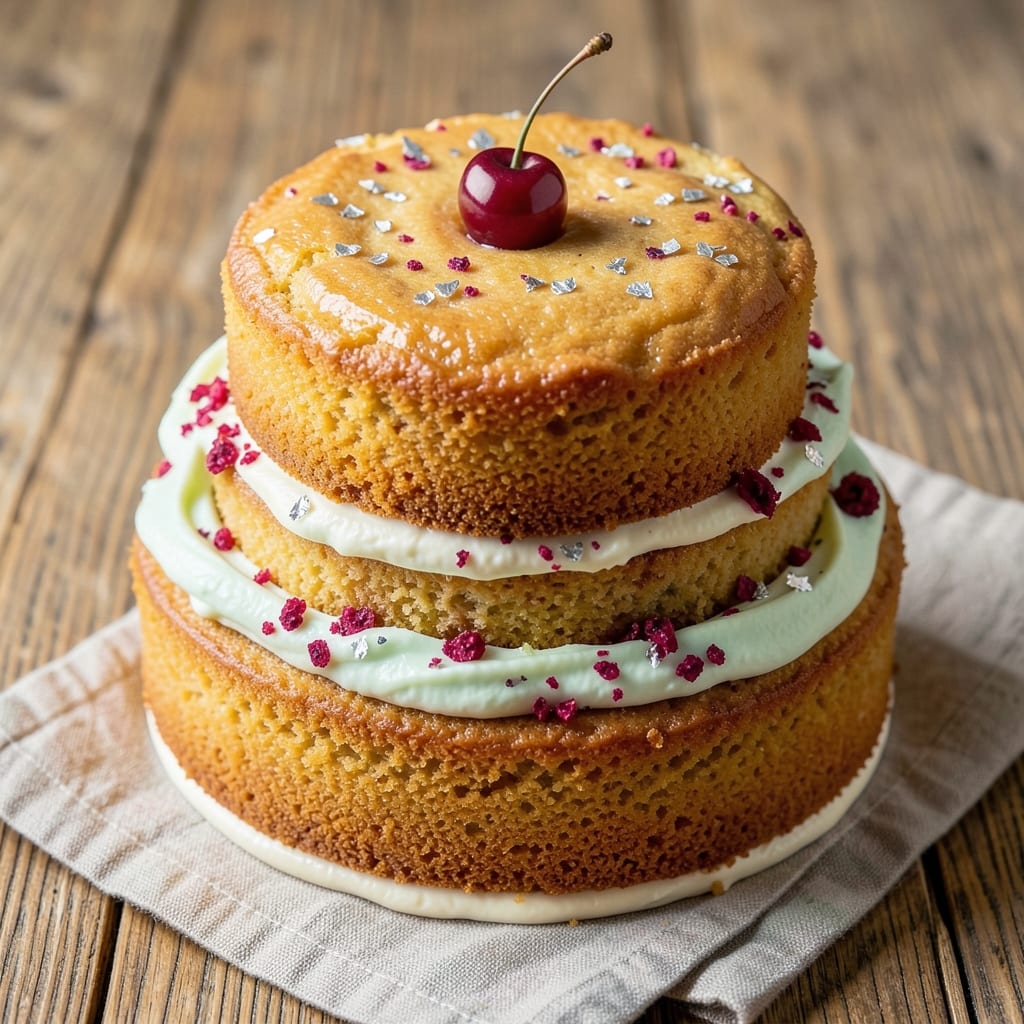
This 7-Up pound cake recipe with shortening delivers the perfect balance of citrusy brightness and ultra-moist crumb—every slice is tender, flavorful, and impossible to resist. 💛 The secret lies in the classic combination of shortening for richness and 7-Up for that signature citrusy lift that keeps the cake fresh-tasting for days. I’ve perfected this recipe to ensure a tender crumb that stays moist even after baking, making it ideal for birthdays, potlucks, or simply treating yourself.
The key to achieving that signature texture is using shortening instead of butter, which creates a delicate crumb while keeping the cake tender. The 7-Up isn’t just a flavor—it’s a game-changer, adding a subtle citrus note that makes this cake taste like a nostalgic childhood treat. Baking at 350°F for 30–45 minutes ensures a golden top and even rise, while the right mix of all-purpose flour and cake flour guarantees that signature softness.
What you’ll end up with is a cake that’s perfectly moist, with a fine crumb that melts in your mouth and a citrusy aroma that fills your kitchen. The 7-Up flavor shines through without being overpowering, making it a crowd-pleaser for any occasion. Whether you serve it plain, with a simple glaze, or layered with cream cheese frosting, this cake is sure to impress.
Ready to bake? This recipe is foolproof and delivers restaurant-quality results with minimal effort. The best part? Leftovers stay fresh for days, so you can enjoy slice after slice without worrying about dryness. Let’s get started!
Ingredients for 7 up pound cake recipe with shortening
Citrusy fizz meets tender crumb—these 12 ingredients make magic happen.
| Ingredient | Amount | Notes |
|---|---|---|
| All-Purpose Flour 🌾 | 3 cups | Sifted for light texture |
| Cake Flour 🌾 | 1 cup | For ultra-tender crumb |
| Shortening 🧈 | 1 cup | Crisco brand preferred |
| Granulated Sugar 🍚 | 2 cups | White or light brown |
| 7-Up Soda 🥤 | 1 cup | Freshly opened for fizz |
| Unsalted Butter 🧈 | ½ cup | Softened to room temperature |
| Large Eggs 🥚 | 4 whole | Room temperature for even mixing |
| Vanilla Extract 🌿 | 2 tsp | Pure, high-quality extract |
| Baking Powder 🧂 | 2 tsp | Aluminum-free preferred |
| Salt 🧂 | ½ tsp | Diamond Crystal kosher |
| Lemon Zest 🍋 | 1 tbsp | Freshly grated from organic lemons |
| Milk 🥛 | ½ cup | Whole milk for richness |
The 7-Up is non-negotiable here—freshly opened for that signature citrusy lift. Crisco shortening is the secret weapon for that ultra-moist texture, but any brand works in a pinch. For the flours, sift both all-purpose and cake flour together—this ensures a light, airy crumb that’s the hallmark of pound cake. The butter should be soft but not melted—press a finger into it; if it leaves a slight indent, it’s ready. Organic lemons pack more zest, but conventional will work too (just double the amount).
No 7-Up? Sprite or lemon-lime soda works in a bind, but the flavor won’t be identical. Shortening out of stock? Butter in equal amounts will work, though the texture will be slightly denser. The milk can be swapped for evaporated milk or buttermilk for extra richness. Want more citrus punch? Add 1 tbsp lemon juice to the batter. For a gluten-free version, use a 1:1 gluten-free flour blend—just be prepared for a denser crumb. The baking powder is crucial; double-check the expiration date—old baking powder loses its lift.
This cake stays moist for 5 days wrapped in plastic at room temperature or 1 week in the fridge. For longer storage, freeze slices wrapped individually—they’ll stay fresh for 3 months. I like to make a double batch and freeze half; it’s perfect for last-minute birthday surprises. To revive stale slices, wrap them in a damp towel and microwave for 10 seconds. Trust me, it works like a charm.
Why You'll Love This Recipe
- Pantry Magic: I swear by this recipe when I forget to buy butter. The shortening keeps it moist without the fuss of melting or measuring—just scoop, mix, and bake. No last-minute grocery runs needed.
- Citrus Lift: That 7-Up isn’t just for drinking—it’s the secret to a bright, tangy flavor that cuts through the richness of the shortening. Honestly, the first time I tried it, I thought, "Why haven’t I done this sooner?"
- Slice-and-Serve Flex: This cake stays fresh for days, so I can bake one batch and use it for breakfast toast, afternoon snacks, or even dessert. My kids grab it straight from the fridge—no reheating required.
- Budget Baking: Shortening is cheaper than butter, and I stretch the recipe further by using both all-purpose and cake flour. Same rich texture, half the cost. (Yes, even on a Tuesday night.)
Step-by-step instructions for 7-Up pound cake
Here's how to bake a tender, citrus-kissed pound cake with that signature 7-Up lift and ultra-moist crumb.
👨🍳 Step 1: Prepare Your Mixing Tools and Ingredients
Start by sifting together the 3 cups all-purpose flour and 1 cup cake flour into a large mixing bowl. This step ensures a light, airy texture by breaking up any flour clumps. I like to use a fine-mesh sieve for this—it creates a smoother batter and prevents dense pockets in the cake.
In a separate medium bowl, whisk together the 2 cups granulated sugar, 2 tsp baking powder, 0.5 tsp salt, and 1 tbsp lemon zest. This pre-mixing helps distribute the zest evenly throughout the batter. The lemon zest adds that bright citrus note that makes this cake so special—just be sure to use organic lemons for the freshest flavor.
🍳 Step 2: Cream Shortening and Butter
In a stand mixer fitted with the paddle attachment, beat the 1 cup shortening and 0.5 cup softened unsalted butter on medium speed for 3-4 minutes. You're looking for a pale, fluffy mixture that nearly doubles in volume. This creaming process incorporates air, which creates that signature tender crumb.
I prefer using Crisco shortening here—it's more stable than butter when baking, which helps maintain that moist texture. If you're using a different brand, make sure it's at room temperature before starting. Add the 1 cup 7-Up soda next, mixing on low speed just until combined. The fizz from the soda will react with the baking powder later, creating lift and that signature lightness.
🥘 Step 3: Combine Wet and Dry Ingredients
With the mixer running on low speed, gradually add the flour mixture to the creamed shortening. Mix just until combined—you should still see small streaks of flour. This prevents overmixing, which can make the cake dense. Scrape down the sides of the bowl as needed to ensure everything incorporates evenly.
In a separate bowl, whisk together the 4 whole large eggs, 2 tsp vanilla extract, and 0.5 cup milk. Add this mixture to the flour mixture, mixing on low speed just until everything is combined. The batter should be thick but pourable. Here's the thing—don't overmix. Overworking the batter develops gluten, which leads to a tough cake instead of that tender crumb we're after.
⏰ Step 4: Bake to Golden Perfection
Preheat your oven to 350°F and grease two 9-inch round cake pans generously with butter or baking spray. Line the bottoms with parchment paper for easy removal. Divide the batter evenly between the two pans—you should have about 2 cups batter per pan. Bake for 50-55 minutes, or until a toothpick inserted in the center comes out clean.
I know it's tempting to open the oven door, but resist! The cake needs that steady, even heat to rise properly. The top should be golden brown with a slight crack in the center—this is your signal that it's done. If you're unsure, check at the 45-minute mark and add a few extra minutes if needed. The cake will continue cooking slightly after you remove it from the oven.
🍽️ Step 5: Cool and Serve
Remove the cakes from the oven and let them cool in the pans for 10 minutes. Then transfer them to a wire rack to cool completely. This gradual cooling prevents the cakes from cracking or becoming gummy. Once fully cooled, you can frost with your favorite buttercream or dust with powdered sugar for a simple finish.
This cake is best served at room temperature, so let it sit for at least 1 hour before slicing. The flavors will meld beautifully, and the crumb will be at its most tender. Each slice should be moist, light, and bursting with that citrusy 7-Up tang. Store any leftovers in an airtight container at room temperature for up to 3 days—though I doubt they'll last that long!
Pro Tips For Making 7 Up Pound Cake Recipe With Shortening
- STOP WHEN IT’S JIGGLY: The cake’s done when the center moves barely when you press it—no wobble, no sink. I used to pull mine out too early, then watched it collapse like a sad soufflé. Shortening makes this cake dense, so it tests done longer than butter-based cakes. If you’re unsure, wait 5 more minutes.
- CHILL THE SODA FIRST: Pour that 7-Up into a measuring cup and pop it in the fridge for 10 minutes before mixing. Warm soda loses its fizz faster, and you’ll end up with a denser, less tender crumb. I learned this the hard way after a batch turned out like a brick. Trust me, the extra 10 minutes saves you from regret.
- CREAM SHORTENING AND SUGAR LOW: Use your mixer on low speed—low—when creaming the shortening and sugar. Shortening melts faster than butter, and if you go too fast, you’ll end up with a greasy mess instead of light, fluffy peaks. I was aggressive once and got a cake that tasted like a biscuit. Slow and steady wins the crumb.
- SIFT DRY INGREDIENTS TOGETHER: Don’t just dump the flour and cake flour into the bowl—sift them together with the baking powder and salt. This keeps the cake light and prevents lumps that turn into tough spots. I used to skip this, and my cakes always had those annoying dense pockets. Takes 30 seconds, saves you from frustration.
Troubleshooting this recipe
Dense Cake Texture
If your cake turns out dense instead of tender, you likely overmixed the batter. The key is to mix just until combined—stop when small flour streaks remain. Shortening is crucial here; if you substituted butter, the cake may absorb more moisture, leading to denseness. Also, ensure your baking powder is fresh—old powder loses its lift. For a quick fix, try adding 1 extra tablespoon of shortening to the batter next time. 💡
Flat or Sunken Top
A flat or sunken top usually means the cake didn’t rise properly. Double-check that your baking powder is aluminum-free and hasn’t expired. The 7-Up soda needs to be freshly opened—flat soda won’t provide enough lift. Preheat your oven for at least 30 minutes before baking to ensure even heat distribution. If this happens, try using a 9x13-inch pan instead of rounds for better rise. ✨
Dry or Crumbly Cake
Dryness often occurs if the cake sits too long before baking or if the shortening wasn’t properly incorporated. Let the batter rest for 10-15 minutes before pouring into pans to allow the flour to hydrate. For extra moisture, add 1-2 tablespoons of milk to the batter. If the cake dries out after baking, wrap it tightly in plastic wrap and store it in an airtight container to retain moisture. 🌱
Uneven Baking
Uneven baking can happen if the oven isn’t calibrated or if the pans aren’t placed properly. Rotate your pans halfway through baking to ensure even heat exposure. Avoid opening the oven door during the first 30 minutes of baking, as temperature fluctuations can cause uneven rising. If your oven runs hot, reduce the temperature to 325°F and check for doneness 5 minutes earlier than the recipe suggests. 🔥
Soggy Bottom
A soggy bottom is usually caused by overgreasing the pan or not using parchment paper. Line your pans with parchment paper to prevent sticking and ensure even heat distribution. Avoid overgreasing—just a light coating of butter or baking spray is enough. If the bottom is still soggy, try baking on the middle rack instead of the lower one for better airflow. For extra insurance, sprinkle a thin layer of breadcrumbs on the parchment before adding the batter. 💪
Flavor Too Weak
If the 7-Up flavor isn’t strong enough, your soda may have gone flat or been added too late. Always use freshly opened 7-Up and add it to the creamed shortening mixture early in the process. For extra citrus punch, add 1 tablespoon of lemon juice or an additional ½ teaspoon of lemon zest to the batter. If the flavor is still weak, try substituting ½ cup orange juice for part of the milk to enhance the citrus notes. 🍋
Nutrition facts
Frequently asked questions
Why does this recipe use shortening instead of butter?
Shortening creates a more tender, moist crumb that stays fresh longer than butter-based pound cakes. The higher fat content in shortening also helps create that signature ultra-light texture, while butter can sometimes make the cake denser. For best results, use Crisco brand—it's the most stable for baking.
Can I substitute Sprite or another soda for 7-Up?
While Sprite or lemon-lime soda will work in a pinch, 7-Up's unique citrus flavor profile is what makes this cake special. For the closest substitute, use 1 cup freshly opened Sprite plus 1 teaspoon lemon extract. The flavor won't be identical, but it'll still be delicious.
How do I tell when the cake is fully baked?
The cake is done when a toothpick inserted in the center comes out clean or with just a few moist crumbs. Look for a golden brown top with a slight crack in the center—this indicates proper doneness. If unsure, check at 45 minutes and add 5 more minutes if needed.
What's the best way to store leftovers?
Wrap the cake tightly in plastic wrap and store at room temperature for up to 3 days or in the fridge for 1 week. For longer storage, freeze slices individually for up to 3 months. To revive stale slices, wrap them in a damp towel and microwave for 10 seconds.
Can I make this cake in a different pan size?
Yes! For a 9x13-inch pan, reduce baking time to 40-45 minutes. For a 6-inch round pan, bake for 45-50 minutes. Always adjust baking time based on your oven's heat distribution—check with a toothpick at the lower end of the time range.