
Desserts
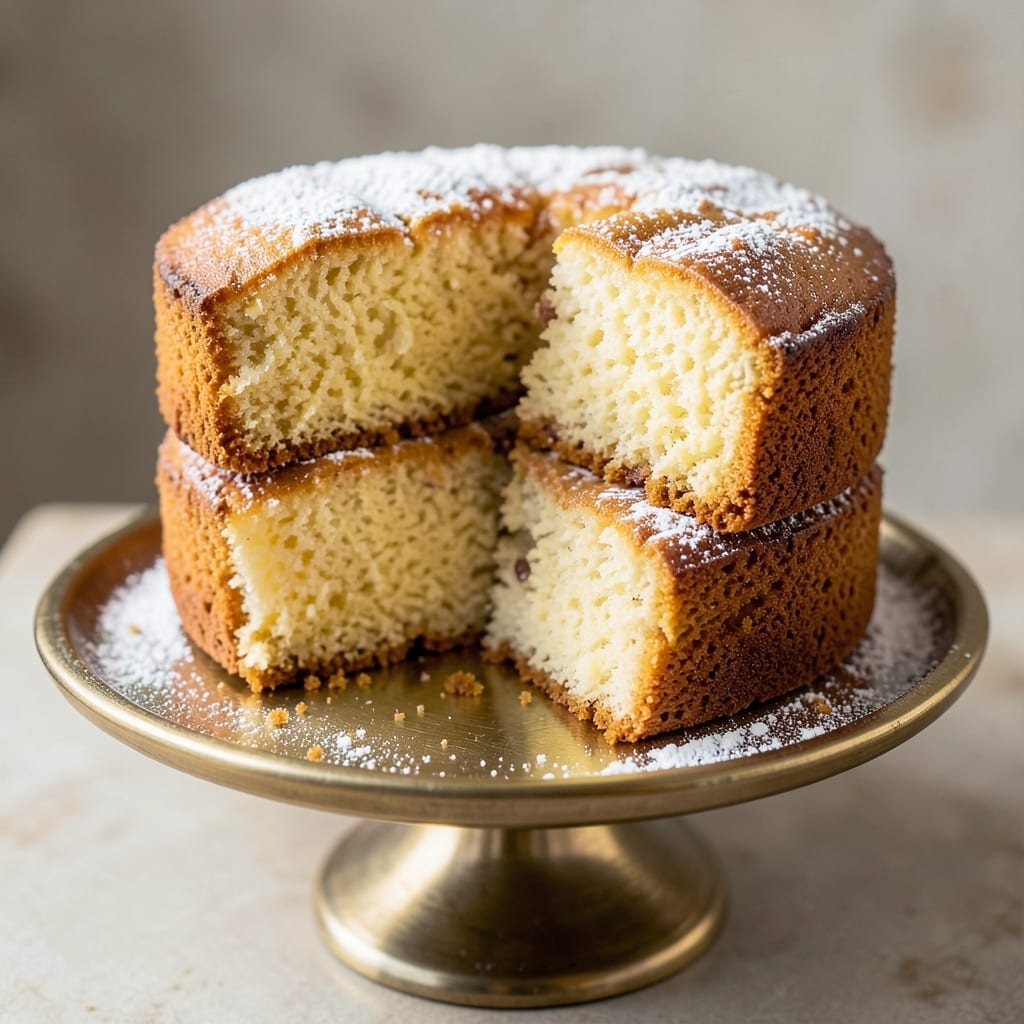
This 8-egg pound cake delivers layers of ultra-moist vanilla perfection with a signature buttery crust that sets it apart from standard recipes. The key? Creaming butter and sugar until light and fluffy—this step creates the signature tender crumb that keeps slices moist for days. I’ve baked this version for family gatherings where seconds (and thirds) are always requested.
What makes this pound cake truly special is the 8-egg foundation, which gives it that signature richness without being overly dense. The eggs create a velvety texture while the butter and sugar mixture ensures a tender crumb that’s light yet substantial. Baking at 325°F for about 1 hour yields golden layers with a crisp buttery crust that’s impossible to resist.
Once cooled, you’ll have a cake that stays moist for 3–4 days when stored in an airtight container—no dry slices here. The vanilla flavor is subtle yet rich, making it a blank canvas for glaze, whipped cream, or fresh berries. This is the kind of cake that earns standing ovations at dinner tables.
For extra indulgence, consider adding a simple vanilla glaze or a sprinkle of toasted nuts between layers. The possibilities are endless, but the base recipe guarantees restaurant-quality results every time. Let’s get baking!
Ingredients for 8 egg pound cake
These 11 ingredients create the signature ultra-moist layers and buttery crust you’ll crave seconds for.
| Ingredient | Amount | Notes |
|---|---|---|
| Unsalted Butter 🧈 | 1 ½ cups | Room temperature, full-fat preferred |
| Granulated White Sugar 🍚 | 2 ½ cups | Superfine sugar if available |
| Large Eggs 🥚 | 8 whole | Room temperature, separated carefully |
| All-Purpose Flour 🌾 | 3 ½ cups | Sifted for light texture |
| Pure Vanilla Extract 🌿 | 2 tbsp | High-quality, no imitation |
| Baking Powder 🍞 | 1 tsp | Aluminum-free preferred |
| Salt 🧂 | ½ tsp | Fine sea salt |
| Powdered Sugar 🍚 | ½ cup | For crust coating |
| Milk 🥛 | ¾ cup | Whole milk for richness |
| Vegetable Oil 🫒 | ¼ cup | Light, neutral flavor |
| Lemon Zest 🍋 | 1 tbsp | Fresh, bright flavor |
The butter and sugar are non-negotiable here—Crisco or Earth Balance work for the oil, but real butter gives that signature richness. I always grab Land O’Lakes unsalted butter from the grocery store—it’s reliable and affordable. For the eggs, room temperature is key—cold eggs won’t mix properly. The vanilla extract should be pure, not imitation—McCormick or Nielsen-Massey are solid choices. And that powdered sugar for the crust? Domino brand is my go-to—it’s fine and dissolves perfectly.
No powdered sugar? Granulated sugar whipped in a blender works in a pinch. Short on vanilla? Vanilla bean paste at half the amount adds those little specks. The milk can be swapped for heavy cream for extra richness, or even almond milk if you prefer dairy-free. The lemon zest might sound fancy, but it’s just a quick grate—one lemon is plenty. For the flour, King Arthur or Gold Medal brands are my favorites—they bake consistently. If you’re gluten-sensitive, swap for a 1:1 gluten-free flour blend*.
This cake keeps for 4-5 days in an airtight container, but honestly? It disappears faster than that. Wrap it tightly in plastic wrap first, then pop it in the container to lock in moisture. For extra indulgence, brush the warm cake with a simple vanilla glaze. The crust stays crisp for about 2 hours, so serve it fresh if you can. Freezes beautifully too—up to 3 months*.
Why You'll Love This Recipe
- No Mixer Needed: I swear by this for lazy mornings—just cream butter and sugar by hand (or with a fork, no shame) while the eggs warm up. That rich butter-egg ratio makes it buttery without overworking the dough.
- Vanilla Kiss: Honestly, the vanilla here isn’t just flavor—it’s the star. A single teaspoon of pure extract (no imitation nonsense) bakes into that warm, cozy aroma that turns this into dessert and breakfast. My kids fight over the last slice.
- Weeknight Magic: This cake bakes in one bowl, no fancy layers or frosting required. Serve it warm with a drizzle of honey for a quick snack, or slice it cold for a no-fuss dessert. I’ve even used it as a base for trifles—versatile like that.
- Budget-Friendly Luxury: Eight eggs might sound pricey, but the rest of the ingredients are pantry staples. A single batch stretches to brunch, lunches, or after-dinner treats. Leftovers? They disappear faster than my willpower on a Sunday.
Step-by-step instructions for ultra-moist vanilla pound cake
Here's how to bake a tender, rich pound cake with a buttery crust that stays moist for days.
Cream Butter and Sugars Until Light and Fluffy
In a stand mixer fitted with the paddle attachment, beat the 1.5 cups unsalted butter and 2.5 cups granulated white sugar on medium speed for 5-7 minutes. You're aiming for a light, pale yellow color that nearly doubles in volume. This creaming process incorporates air, which creates that signature tender crumb.
I like to scrape down the sides of the bowl every 30 seconds to ensure even mixing. If your butter isn't quite room temperature, let it sit at room temperature for another 5-10 minutes before starting. The mixture should be smooth with no graininess—this is your signal it's ready for the next step.
Add Eggs and Dry Ingredients Alternately
Add the 8 whole large eggs, one at a time, mixing on low speed after each addition until fully incorporated. Then stir in the 2 tbsp pure vanilla extract and 1 tbsp lemon zest. The lemon zest adds a bright contrast to the vanilla flavor—don't skip this!
In a separate bowl, whisk together the 3.5 cups all-purpose flour, 1 tsp baking powder, and 0.5 tsp salt. With the mixer on low speed, add one-third of the flour mixture, then 0.75 cup milk, followed by another third of the flour, then 0.25 cup vegetable oil, and finish with the remaining flour. Mix just until combined—overmixing develops gluten and makes the cake tough.
Prepare the Cake Pans and Batter
Preheat your oven to 350°F. Generously butter three 9-inch round cake pans and line the bottoms with parchment paper. Dust each pan with flour, tapping out any excess. The batter should be thick but pourable—if it looks too stiff, add 1-2 tablespoons of milk to loosen it.
Divide the batter evenly among the prepared pans, filling each about two-thirds full. This prevents overflow and ensures even baking. Smooth the tops with a spatula and sprinkle each cake with 2 tablespoons of powdered sugar for that classic buttery crust. Tap the pans gently on the counter to release any air bubbles.
Bake to Golden Perfection
Bake the cakes for 25-30 minutes, rotating the pans halfway through for even browning. The cakes are done when a toothpick inserted into the center comes out clean and the tops spring back when gently pressed. Don't overbake—they'll continue cooking as they cool.
Let the cakes cool in their pans for 10 minutes, then transfer to a wire rack to cool completely. This gradual cooling prevents cracking and keeps the crumb tender. Once cooled, you can layer them with buttercream or enjoy them plain—they're delicious either way!
Layer and Frost for Maximum Moisture
To keep your pound cake ultra-moist, layer the cooled cakes with a simple buttercream made from 0.5 cup softened butter, 2 cups powdered sugar, and 2 tbsp milk. Spread a thin layer between each cake and on the outside. This buttercream adds richness and helps preserve moisture.
For extra flavor, brush the layers with a simple syrup made by heating 0.25 cup water and 0.25 cup sugar until dissolved, then cooling. This step guarantees a cake that stays moist for days. Slice and serve when ready—every bite will be tender, buttery, and perfectly balanced with vanilla and lemon.
Pro Tips For Making 8 Egg Pound Cake
- Whisk Eggs Like a Pro: Beat those 8 eggs on medium-high until the yolks and whites blend into a pale, ribbony stream—no streaks, no lumps. I used to rush this, and the cake turned out dense; now I give it 3-4 minutes with the bowl submerged in warm water for extra fluffiness.
- Cream Butter and Sugar Slowly: Mix the butter and sugar on low speed first, then gradually increase to medium. Scraping the bowl every 30 seconds prevents graininess, and the butter won’t melt into a greasy mess. I learned this after one particularly sad, greasy batch.
- Sift Flour Twice: Don’t just dump the flour—sift it before adding to the batter, then sift it again while folding it in. This cuts lumps and aerates the cake, making it lighter. Yes, it’s extra work, but the texture difference is noticeable.
- Use Room-Temp Ingredients: Let eggs, butter, and sugar sit out for 30-60 minutes before mixing. Cold butter won’t emulsify properly, and cold eggs won’t incorporate as smoothly. I skip this sometimes, and the cake still rises—but it’s denser and less tender.
Regional styles of these flavors
Southern Classic
In the South, pound cakes are often baked in a cast-iron skillet for that signature crispy crust while keeping the inside moist. I’ve seen families use 9-inch cast-iron pans lined with parchment paper, baking at 325°F for 50-60 minutes. The key? A buttermilk glaze brushed on top after baking—this adds a tangy contrast to the rich vanilla. Serve with peach preserves or a dusting of powdered sugar for a true Southern breakfast spread. 🍑
New England Style
Up North, pound cakes often include chopped walnuts or pecans folded into the batter for texture. The New England tradition calls for baking in loaf pans instead of rounds, creating a denser, heartier cake perfect for Thanksgiving desserts. I like adding 1 cup toasted walnuts to the batter and finishing with a maple syrup glaze—it’s a cozy, autumnal twist. These cakes stay fresh for 5-7 days when wrapped tightly in plastic. 🌰
Midwest Homestyle
The Midwest loves its pound cakes simple and sturdy, often baked in bundt pans for easy serving. A classic touch is adding 1 tsp cinnamon to the batter and topping with a cream cheese frosting. I’ve made this version with 1 cup sour cream swapped for milk to keep it extra moist. Serve with hot coffee or apple cider for a comforting dessert that’s always a crowd-pleaser. ☕
West Coast Twist
Out West, pound cakes get a fruit-forward upgrade—think strawberries, blueberries, or blackberries folded into the batter. I once made a blackberry pound cake by adding 1 cup fresh blackberries and a zest of 1 lime to the batter. Bake in 9-inch pans at 350°F for 25 minutes, then top with a white chocolate glaze. This version is lighter, brighter, and perfect for summer brunch or picnic spreads. 🍓
International Adaptation
In the UK, pound cakes are often spiced with nutmeg and cardamom, giving them a warm, aromatic profile. I’ve adapted this by adding ½ tsp ground cardamom and ¼ tsp nutmeg to the batter, then brushing with a honey glaze after baking. This version pairs beautifully with English tea or whipped cream. Meanwhile, in Australia, pound cakes sometimes include golden syrup instead of vanilla—swap 2 tbsp vanilla extract for 2 tbsp golden syrup for a caramelized twist. 🍯
Nutrition facts
Frequently asked questions
Why does this recipe use 8 eggs instead of the traditional 5?
Those extra eggs create a signature ultra-rich, tender crumb that stays moist for days. The 8 eggs provide structure while keeping the cake light—perfect for that classic pound cake texture. They also help create the signature buttery crust when combined with the powdered sugar topping.
Can I make this pound cake in a bundt pan instead of round pans?
Yes, but you'll need to adjust the baking time and temperature. Use a 10-12 cup bundt pan and bake at 325°F for 50-60 minutes. The batter should be divided evenly among 2-3 bundt pans (don't overfill). The crust may be slightly thicker, but the moisture level will remain excellent.
How do I prevent cracks in my pound cake layers?
Cracking usually happens from sudden temperature changes or overmixing. Let the cakes cool in their pans for 10 minutes before removing, then transfer to a wire rack to cool completely. Avoid opening the oven door during baking—keep the temperature stable. Also, don't overmix the batter after adding the flour.
What's the best way to store leftover pound cake?
Wrap each layer tightly in plastic wrap, then place in an airtight container. This keeps the cake moist for 4-5 days at room temperature. For longer storage, freeze the wrapped layers for up to 3 months. To serve, let it sit at room temperature for 30 minutes before slicing for perfect texture.
Can I substitute butter with oil in this recipe?
You can swap 1 cup of butter for 1 cup vegetable oil*, but you'll lose some of that signature buttery flavor and crust texture. For best results, use half butter and half oil if you're avoiding dairy. The cake will still be moist, but the crust won't be as crisp.