
Main Courses
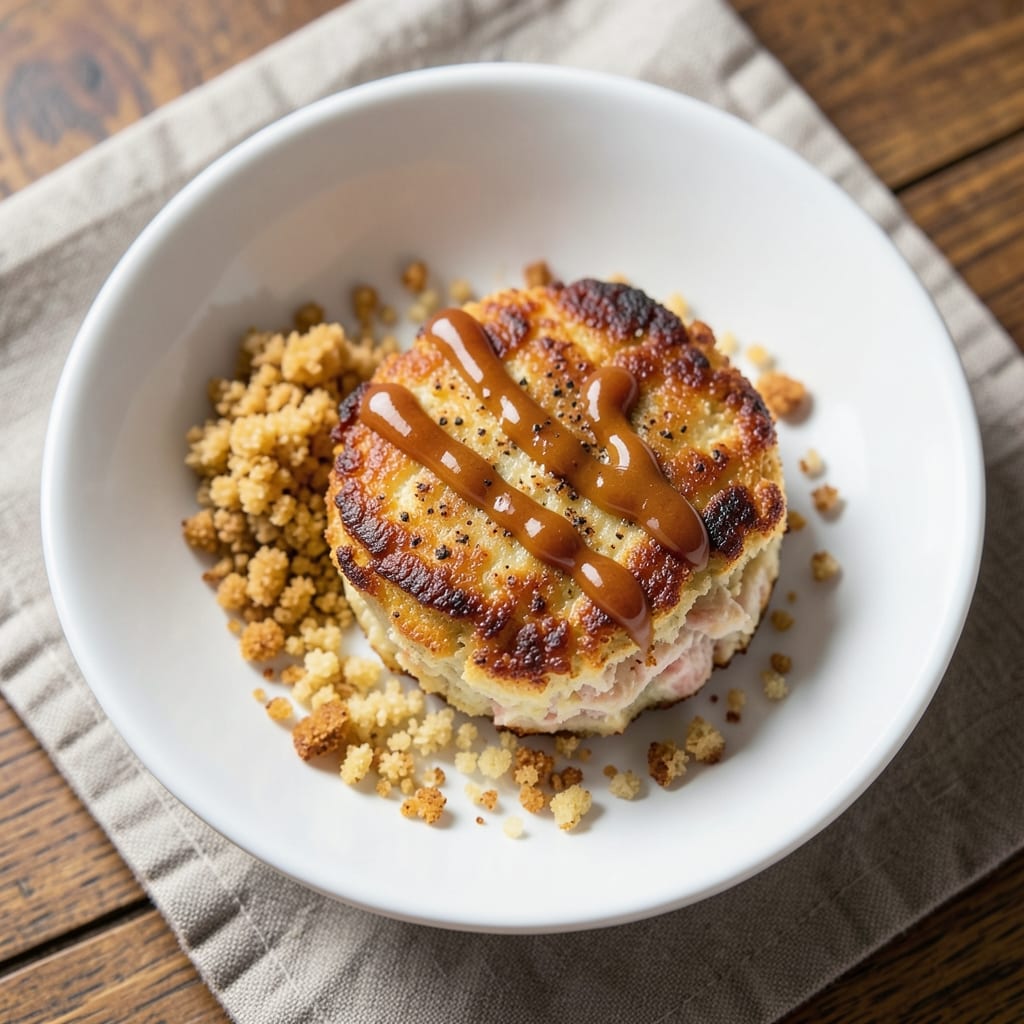
An 8 oz crab cake recipe that delivers a perfect balance of crispy golden crust and cool, tender centers is what separates good seafood from unforgettable. The secret lies in using fresh lump crab meat, carefully bound with just the right ratio of breadcrumbs and egg, then cooked to golden perfection in a hot skillet. This isn't just another seafood dish—it's a restaurant-quality experience you can recreate at home with the right technique.
What makes these crab cakes truly special is the two-stage cooking process that ensures a crispy exterior without drying out the interior. We'll use a mix of panko and regular breadcrumbs for texture, Old Bay seasoning for that signature coastal flavor, and a touch of Dijon mustard to help bind everything together. The result? Crab cakes that hold their shape, stay moist, and develop that coveted crunchy crust that makes them irresistible.
By the time you're done, you'll have 8 oz crab cakes that are golden-brown on the outside with a delicate, flaky interior—just like your favorite seafood restaurant serves. The right sides complete the meal: a bright lemon aioli for dipping, a crisp coleslaw for crunch, and perhaps a chilled white wine to cut through the richness. This recipe isn't just about making crab cakes; it's about creating a memorable seafood experience that feels like a special occasion every time.
Whether you're serving these as an appetizer for a dinner party or a main course for a weekend brunch, the technique remains the same—hot pan, gentle pressing, and patience to achieve that perfect sear. The key is in the details: don't overmix the batter, use enough butter in the pan, and let the crab cakes rest briefly before serving. Trust the process, and you'll have crab cakes that impress even the most discerning seafood lovers.
Ingredients for 8 oz crab cake
Fresh crab meat, crispy panko, and a hot skillet—all you need for restaurant-quality crab cakes.
| Ingredient | Amount | Notes |
|---|---|---|
| Fresh Lump Crab Meat 🦀 | 1 ½ lb | Backfin or jumbo lump preferred |
| Panko Breadcrumbs 🍞 | ½ cup | Light and crispy texture |
| All-Purpose Breadcrumbs 🍞 | ¼ cup | For extra binding |
| Large Eggs 🥚 | 2 whole | Room temperature preferred |
| Dijon Mustard 🍯 | 1 tbsp | For binding and tang |
| Old Bay Seasoning 🌶️ | 1 tbsp | Signature coastal flavor |
| Mayonnaise 🥫 | 2 tbsp | For moisture and binding |
| Unsalted Butter 🧈 | 2 tbsp | For frying, melted |
| Lemon Juice 🍋 | 1 tbsp | Freshly squeezed |
| Chives 🌿 | 2 tbsp | Finely chopped, for garnish |
| Salt 🧂 | ½ tsp | Kosher or sea salt |
| Black Pepper 🌶️ | ¼ tsp | Freshly ground |
| Vegetable Oil 🫒 | ½ cup | For frying, high smoke point |
The crab meat is everything here. Fresh lump crab from a trusted seafood market makes all the difference—look for bright, translucent meat with minimal shell fragments. Trader Joe's and Whole Foods usually have great options, or hit your local fishmonger if you're lucky enough to have one. Jumbo lump or backfin holds its shape best during cooking. Keep the crab meat chilled until ready to use—it'll stay fresh for 1-2 days in the fridge if you buy extra. Pro tip: pat it dry before mixing to avoid a soggy batter.
No panko? Regular breadcrumbs toasted in a dry pan work in a pinch, but they won't give that same airy crunch. Short on Dijon? Yellow mustard at double the amount gets you close, though the flavor won't be as refined. The Old Bay is non-negotiable for that classic coastal taste—if you can't find it, mix 1 tsp paprika + 1/2 tsp celery salt + 1/4 tsp black pepper. For the mayo, Greek yogurt mixed with lemon juice works as a lighter alternative. And if you're feeling fancy, add a splash of white wine or vodka to the batter for extra moisture.
These crab cakes are best served immediately after cooking, but you can prep the batter ahead and refrigerate it for up to 4 hours—just let it sit at room temp for 10 minutes before forming. The cooked crab cakes reheat beautifully in a 250°F oven for 10 minutes, though they won't be quite as crispy. Store leftovers in an airtight container with a paper towel on top to keep them moist. Freeze uncooked portions for up to 1 month—just thaw in the fridge overnight before cooking.
Why You'll Love This Recipe
- No-Fuss Assembly: I swear, these crab cakes take less effort than ordering takeout. Just fold the crab meat with the eggs, mustard, and breadcrumbs—no fancy folding or shaping. The panko gives them that perfect crunch without needing a food processor.
- Mustard Magic: That little spoon of Dijon mustard is the secret—it cuts through the richness of the crab and adds a tangy depth. One taste and you’ll understand why I keep a bottle in my fridge just for this.
- Weeknight to Dinner Party: Same recipe, different vibes. Pan-sear them for a quick weeknight dinner or bake them for a crowd—just double the batch. My in-laws think they’re restaurant-quality, but I know the truth: it’s the eggs and panko doing all the work.
- Leftovers? More Like Leftovers?: These stay crispy for days if you store them properly (parchment between layers, thank you, Google). Reheat in a skillet or air fryer, and they’re basically new. Honestly, I make a big batch just so I can snack on them later.
Step-by-step instructions for perfect crab cakes
Here's how to make crab cakes with a crispy golden crust and tender, chilled centers every time.
Prepare the Crab Mixture
In a large mixing bowl, gently fold together the 1.5 lb fresh lump crab meat, 0.5 cup panko breadcrumbs, and 0.25 cup all-purpose breadcrumbs. The key here is to handle the crab meat gently—don't overmix or you'll break up the delicate lumps. I like to use my hands for this part, just pressing everything together lightly.
Next, add the 1 whole large egg, 2 tbsp mayonnaise, 1 tbsp Dijon mustard, 1 tbsp fresh lemon juice, 1.5 tbsp Old Bay seasoning, 0.5 tsp salt, and 0.25 tsp black pepper. Mix everything just until combined—you should still see some texture in the mixture. The lemon juice brightens the flavor while the mustard adds a subtle tang that balances the sweetness of the crab.
Shape and Chill the Cakes
Using a lightly oiled spoon or your hands, form the mixture into 4 equal portions (about 8 ounces each). I like to shape them into ½-inch thick patties, slightly wider than they are thick. Place them on a parchment-lined plate and cover with plastic wrap. This is where the magic happens—chilling the cakes for at least 30 minutes (or up to 2 hours) in the refrigerator helps them hold their shape better when cooking.
Here's the thing—if you skip this step, your crab cakes might spread too much in the pan. The cold temperature firms up the butter and eggs, giving you that perfect golden crust. While they're chilling, I like to set up my cooking station so everything's ready when the cakes are firm.
Create the Crispy Butter Coating
Melt the 0.25 cup unsalted butter in a large skillet over medium heat until it's fully melted but not browned. You want it to be hot enough to sizzle when the crab cakes hit the pan, but not so hot that it burns. Here's my trick: I add the cakes when the butter is just starting to foam—this creates that beautiful golden crust we're after.
Carefully place the chilled crab cakes in the skillet, being gentle so they don't break apart. Cook them for 3-4 minutes per side until they're golden brown and crispy. Don't press down on them—they'll release when they're ready. You'll know they're done when the edges are nicely browned and the centers still look slightly underdone (they'll finish cooking from residual heat).
Garnish and Serve
Transfer the cooked crab cakes to a paper towel-lined plate to drain any excess butter. While they're still warm, sprinkle them generously with 2 tbsp freshly chopped chives. The chives add a fresh, bright note that cuts through the richness of the crab and butter.
Serve immediately with your favorite dipping sauce—lemon aioli, tartar sauce, or even just a squeeze of lemon works perfectly. These crab cakes are best enjoyed right away while they're still crispy on the outside and cool in the center. If you need to hold them for a few minutes, keep them warm in a 200°F oven on a wire rack to maintain that crispy texture.
Pro Tips For Making 8 Oz Crab Cake
- CHILL THE CRAB FIRST: Fresh lump crab meat is cold from the fridge—don’t mix it with warm eggs straight away. I learned this the hard way when my first batch turned into a sad, greasy mush. Toss the crab in a bowl over ice for 10 minutes before combining with other ingredients; the cold keeps the texture tight and prevents overmixing.
- MIX DRY BREAD LAST: Panko and all-purpose breadcrumbs are your crust’s secret weapon, but add them after the wet ingredients are just combined. If you toss them in too early, the panko gets soggy and loses its crunch. Sprinkle them in like you’re dusting powder, then fold gently—just until the mixture holds.
- PRESS FIRM, NOT HARD: When shaping the cakes, press them down with the palm of your hand—not your fist—until they’re about ½-inch thick. Too much force compacts the crab, and they’ll fall apart when flipping. A light but firm press keeps them sturdy without turning them into dense patties.
- COOK IN BATCHES, NOT BUNCHES: Crowding the pan is the fastest way to steam your crab cakes instead of searing them. Cook them in single layers with space between each, and resist the urge to flip too soon—wait for a deep golden crust (3-4 minutes per side). Your first batch will look perfect; the second will be the test.
Make-ahead tips for this dish
Batter Prep Ahead
Mix the crab cake batter up to 4 hours in advance and store it in an airtight container in the fridge. The flavors meld beautifully overnight, and the chilled batter is easier to shape. I like to use a ramikin mold for perfectly round cakes—just grease it lightly before filling. 🍴
Chill for Stability
Shape the crab cakes and refrigerate them on a parchment-lined tray for 30-60 minutes before cooking. This crucial step prevents them from spreading in the pan. For extra stability, place the shaped cakes on a wire rack over a plate to catch any drips. I've found that plastic wrap touching the cakes can make them soggy.
Freezer-Friendly
Form the uncooked crab cakes, wrap them individually in parchment paper, then store in a freezer bag for up to 1 month. When ready to cook, thaw in the fridge overnight. Cook straight from frozen by adding 1-2 extra minutes per side—no need to thaw first! 🧊
Reheating Perfection
For leftover crab cakes, reheat in a 250°F oven for 10-12 minutes on a wire rack to maintain crispiness. Or, for a quick fix, warm in a skillet with 1 tbsp butter over medium heat for 2-3 minutes per side. Add a splash of water to the pan to steam and keep them moist.
Batch Cooking
Make a double batch and store half cooked in the fridge for 3 days. The second batch cooks up just as well! I like to assemble everything the night before—mix the batter, shape the cakes, and store them covered. On serving day, just cook fresh from the fridge for maximum crispiness.
Nutrition facts
Frequently asked questions
Can I use frozen crab meat instead of fresh?
Yes, but thaw it completely first! Use the cold water method (sealed in a bag) for 12-24 hours to preserve texture. Drain and pat thoroughly dry before mixing—any excess moisture will make your cakes soggy. For best results, opt for "jumbo lump" frozen crab meat labeled "pre-cooked" to skip the thawing hassle.
Why do my crab cakes fall apart when cooking?
Overmixing the batter or skipping the chill step are the top culprits. Handle the crab meat gently and shape the cakes firmly—think "packed snowball" consistency. Always chill for 30+ minutes before cooking. Pro tip: Add 1 extra tbsp mayo if your mixture feels too dry.
What's the best way to make them crispy?
Hot butter is your secret weapon! Melt 2 tbsp butter in the skillet until it foams, then add cakes when butter is 350°F—the sizzle creates that golden crust. Use medium heat (not high) to cook 3-4 minutes per side. A wire rack over a baking sheet helps maintain crispness when reheating leftovers.
Can I bake these instead of pan-frying?
Preheat oven to 400°F and bake on a parchment-lined tray for 12-15 minutes. Brush tops with melted butter halfway through for extra crispiness. For best results, chill shaped cakes for 1 hour before baking—this prevents spreading. Baking works well for make-ahead meals!
How do I serve these for a crowd?
Double the recipe and use a ramikin mold for uniform 4 oz cakes (makes 8 servings). Set up a chafing dish with warm lemon aioli and arrange on a platter with crisp coleslaw. For presentation, garnish with lemon wheels and extra chives. Keep cooked cakes warm in a 200°F oven** on a wire rack to maintain crispness.