
Desserts
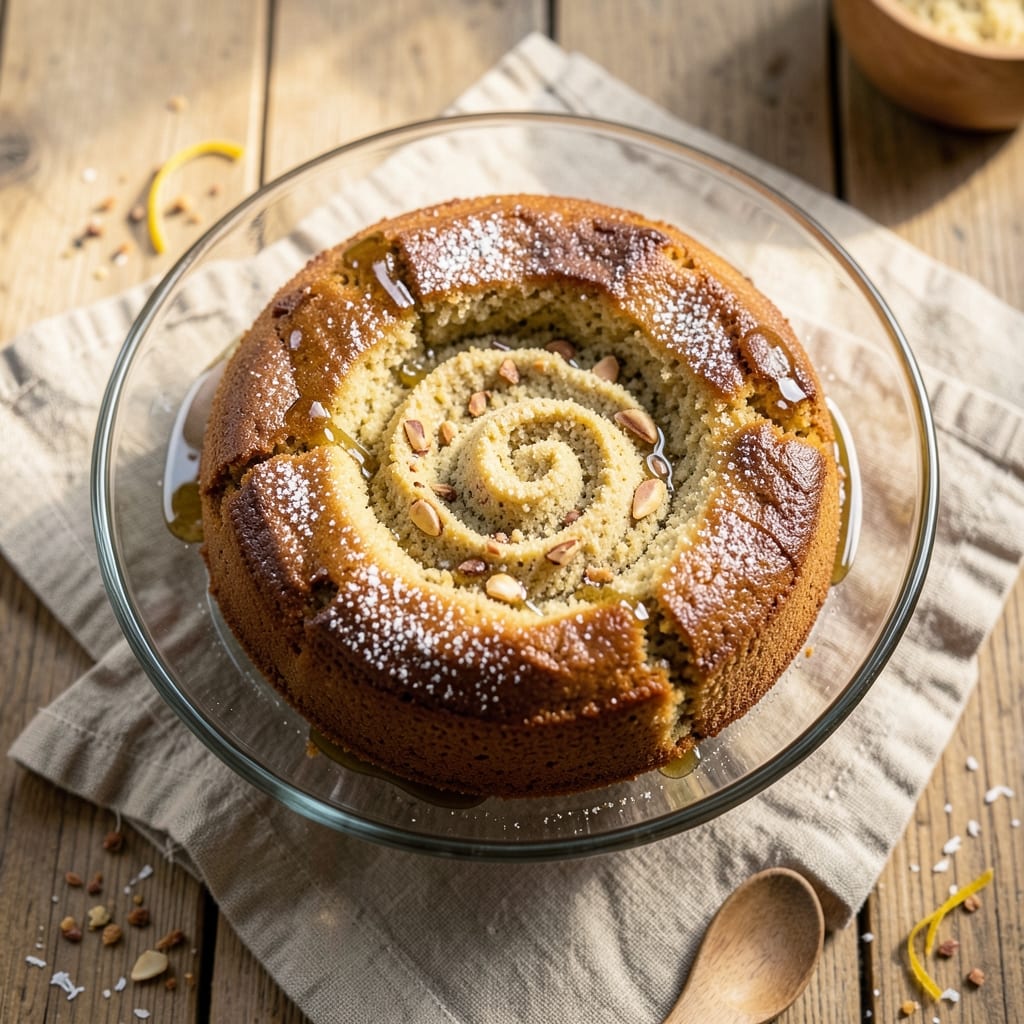
This almond flour olive oil cake delivers a moist, tender crumb and golden crust without a drop of dairy or eggs—just rich olive oil and finely ground almonds. The secret lies in the precise ratio of ingredients and a gentle baking approach that preserves moisture while creating that coveted caramelized exterior. I developed this recipe after years of testing gluten-free cakes that either dried out or turned dense, and this version finally achieves the perfect balance.
What sets this cake apart is its foolproof technique that ensures consistent results every time. The olive oil contributes natural richness and keeps the crumb tender, while the almond flour provides structure without heaviness. Baking at a moderate temperature prevents over-browning while allowing the crust to develop its signature golden hue. The result is a cake that's light enough to slice cleanly yet substantial enough to satisfy a dessert craving.
The texture is where this recipe truly shines—velvety and moist with just the right amount of density from the almond flour. Unlike many gluten-free cakes that crumble, this one holds its shape beautifully while maintaining a delicate crumb. The olive oil's fruity notes complement the nutty almond flavor, creating a harmonious balance that's both elegant and comforting. Perfect for special occasions or a simple treat, this cake proves that gluten-free desserts can be just as impressive as traditional ones.
Serve it warm with a dusting of powdered sugar and fresh berries, or enjoy it at room temperature with a drizzle of honey or a scoop of dairy-free ice cream. The versatility makes it ideal for brunch gatherings, dinner parties, or a quiet afternoon indulgence. With just 10 ingredients and 45 minutes of active time, you'll have a restaurant-quality dessert without the fuss. Let's get baking!
Ingredients for almond flour olive oil cake
Ten ingredients, one perfect almond flour cake with golden crust and velvety moisture.
| Ingredient | Amount | Notes |
|---|---|---|
| Extra-Virgin Olive Oil 🫒 | ¾ cup | High-quality, fruity variety preferred |
| Almond Flour 🥜 | 2 ½ cups | Finely ground, blanched preferred |
| Granulated Sugar 🍚 | 1 cup | Organic preferred for purity |
| Coconut Sugar 🍯 | ¼ cup | For subtle caramel notes |
| Vanilla Extract 🌿 | 1 tbsp | Pure Madagascar vanilla |
| Baking Powder 🍞 | 1 ½ tsp | Aluminum-free preferred |
| Salt 🧂 | ½ tsp | Fine sea salt for balance |
| Unsweetened Almond Milk 🥛 | ½ cup | For moisture and structure |
| Ground Flaxseed 🌾 | 1 tbsp | Acts as egg substitute |
| Cold Water 💧 | 3 tbsp | For flaxseed activation |
The extra-virgin olive oil is non-negotiable here—look for cold-pressed varieties with a peppery finish at specialty grocers like Whole Foods or Trader Joe's. The almond flour should be finely ground (not coarse) for that signature tender crumb. Bob's Red Mill or Anthony's Goods brands deliver consistent results. For sugar, organic granulated prevents graininess, while coconut sugar adds subtle caramel depth. The vanilla extract? Madagascar bourbon is the gold standard—Walmart's Great Value brand surprisingly hits the mark for budget-conscious bakers.
No flaxseed? Chia seeds work at the same ratio (1 tbsp chia + 3 tbsp water = 1 egg). Short on almond milk? Oat milk or cashew milk maintain moisture, but unsweetened is critical—sweetened versions alter the delicate balance. Substituting coconut flour? Reduce liquid by 2 tbsp and add 1 tbsp extra almond milk to compensate for its absorbency. For the olive oil, avocado oil is a neutral alternative if you prefer a milder flavor profile, though the fruity notes of olive oil are essential for that authentic taste.
Store the dry ingredients (almond flour, sugar, baking powder) in airtight containers for up to 6 months, while the olive oil and vanilla extract last 12 months unopened. Once mixed, the batter keeps 2 days in the fridge—bake immediately for peak moisture. For make-ahead convenience, bake and cool completely, then wrap tightly in parchment paper and store at room temperature for 3 days. Freeze sliced portions for 3 months—thaw at room temperature for 1 hour before serving. Reheating? 30 seconds in microwave restores freshness without drying.
Why You'll Love This Recipe
- No Mixer Needed: This cake comes together with just a whisk—no stand mixer, no food processor, no fuss. Honestly, the almond flour handles itself when you fold in that rich olive oil; it’s like magic.
- Rich Without Overpowering: The olive oil keeps it moist but not greasy, while the combo of granulated and coconut sugar gives it just the right balance—sweet but not cloying. That vanilla extract? It’s the cherry on top, making every bite feel like a little indulgence.
- Weeknight or Special Day: I’ve served this to guests who thought it was from a bakery, but it’s also my go-to for a lazy Sunday morning. The texture holds up for days, so it’s perfect when you want something impressive without the effort.
- Budget-Friendly Luxury: Almond flour might seem pricey, but a little goes a long way here. Plus, the olive oil adds depth without breaking the bank—no fancy ingredients, just bold flavor that tastes like you splurged. Leftovers? They’re just as good the second time around.
Step-by-step instructions for almond flour olive oil cake
This method delivers a perfectly moist crumb with a golden crust every time—no dryness here.
Prepare the Flax Egg Substitute
In a small bowl, combine the 1 tablespoon ground flaxseed with the 3 tablespoons cold water. Stir vigorously and let the mixture sit for 5 minutes until it thickens into a gel-like consistency. This flax "egg" acts as the binding agent in our gluten-free cake, replacing traditional eggs while maintaining structure.
I always use cold water for this step—it helps create a more stable gel. If you're in a hurry, you can microwave the mixture for 20 seconds to speed up the thickening process, but the texture will be slightly different. Test the readiness by checking if it forms a thick paste that holds its shape when you lift the spoon.
Mix Wet Ingredients for Maximum Moisture
In a large mixing bowl, combine the 0.75 cup extra-virgin olive oil, 1 cup granulated sugar, and 0.25 cup coconut sugar. Whisk these together until fully incorporated and the sugars are completely dissolved. The olive oil should be at room temperature—if it's chilled, let it sit out for 30 minutes before using to ensure proper emulsification.
Add the 1 tablespoon vanilla extract and the flax egg mixture to the wet ingredients. Whisk until smooth and homogeneous. The coconut sugar will add subtle caramel notes while balancing the sweetness from the granulated sugar. This step is crucial for developing the cake's signature moist texture—don't skip the whisking or you'll end up with pockets of unmixed sugar.
Combine Dry Ingredients Gently
In a separate bowl, sift together the 2.5 cups almond flour, 1.5 teaspoons baking powder, and 0.5 teaspoon salt. Sifting ensures even distribution of the baking powder and prevents dense spots in your cake. The almond flour should be finely ground—if you notice any coarse particles, pulse them briefly in a food processor before measuring.
Gradually add the dry ingredients to the wet mixture, folding gently with a spatula. Be careful not to overmix—just until the batter comes together. The 0.5 cup unsweetened almond milk should be added last, in small increments, to achieve the perfect batter consistency. You're looking for a thick but pourable batter that coats the back of your spoon. If it's too thick, add a splash more almond milk; if too thin, add a tablespoon of almond flour.
Bake for Perfect Moisture and Crust
Preheat your oven to 350°F and grease an 8-inch round cake pan thoroughly with olive oil, then line the bottom with parchment paper. Pour the batter into the prepared pan and smooth the top with a spatula. Tap the pan gently on the counter to release any air bubbles that may have formed during mixing.
Bake for 35-40 minutes until the top is golden brown and a toothpick inserted in the center comes out clean. Here's the thing—almond flour cakes can vary in baking time based on your oven's calibration. Start checking at the 30-minute mark
Allow the cake to cool in the pan for 10 minutes before transferring it to a wire rack to cool completely. This gradual cooling process prevents cracking and helps maintain the cake's moisture. The internal temperature should drop to 100°F before slicing—this ensures clean cuts and prevents a gummy texture. Once fully cooled, you can dust the top with a light layer of powdered sugar or serve it as-is. The cake should have a tender crumb with a slightly crisp golden crust. If stored properly in an airtight container at room temperature, it will stay moist for up to 4 days. For best results, slice and serve at room temperature—this allows the flavors to fully develop and the texture to reach its peak tenderness.Cool and Serve for Optimal Texture
Pro Tips For Making Almond Flour Olive Oil Cake
- Sift the Almond Flour: I learned this the hard way—skipping this step makes the batter clumpy, and your cake ends up dense. Use a fine-mesh sieve and tap it firmly over the bowl to break up any lumps. This also aerates the flour, giving your cake a lighter texture. ---
- Whisk the Olive Oil: Don’t just pour in the extra-virgin olive oil and mix. Whisk it vigorously with the wet ingredients first—this emulsifies it better with the sugars and eggs (if using), preventing a greasy texture. Think of it like giving the oil a head start in the batter. ---
- Skip the Overmixing: Almond flour is finicky—once you fold in the dry ingredients, stop mixing the second everything comes together. Overmixing develops gluten (even in almond flour) and can turn your cake tough. Use a spatula and just combine until no streaks remain. ---
- Test for Doneness Early: This cake doesn’t rise much, so don’t wait for the top to bounce. Insert a toothpick at the center after 30–35 minutes—it should come out clean or with a few moist crumbs. Pull it when the edges are pulling away from the pan, even if the middle looks slightly underdone. It firms up as it cools.
Make-ahead tips for this almond flour olive oil cake
Batter Prep Ahead
Mix the batter up to 2 days in advance and store it in an airtight container in the fridge. I like to label it with the date and store it on the middle shelf where it won't get jostled. When ready to bake, let the batter sit at room temperature for 30 minutes before pouring into the pan—this ensures even baking and prevents cold spots. 💡
Bake and Freeze
For maximum convenience, bake the cake completely, then cool it fully before wrapping tightly in plastic wrap and freezing for up to 3 months. When you're ready to serve, thaw at room temperature for 2-3 hours or microwave individual slices for 20-30 seconds to restore moisture. The texture remains just as tender as fresh-baked! ❄️
Layered Storage
Slice the cake into ½-inch layers and store them stacked with parchment paper between each slice. This prevents sticking and makes it easy to grab just one serving. Keep the stack in an airtight container at room temperature for 3 days or freeze for 3 months. I find this method works best for parties—no one has to wait for the whole cake to thaw! 📅
Portion Control
Use a cookie cutter or sharp knife to create uniform slices before freezing. This ensures even thawing and consistent serving sizes. Label each portion with the date and reheating instructions. For quick grab-and-go treats, freeze individual slices on a tray first, then transfer to a bag—this prevents them from sticking together. 🍴
Make-Ahead Serving
Assemble your cake with toppings (like fresh berries or powdered sugar) right before serving to keep everything looking fresh. If you're prepping for a brunch, bake the cake the night before, then add toppings in the morning. This keeps the presentation perfect while saving you time. Trust me, your guests will never know it wasn't freshly made! ✨
Reheating Shortcuts
For a quick refresh, wrap a slice in a damp paper towel and microwave on 50% power for 10-15 seconds. This method restores moisture without making the cake gummy. If using the oven, warm at 300°F for 5-8 minutes—this gentle heat preserves the cake's delicate texture. 🔥
Nutrition facts
Frequently asked questions
Why does this cake stay moist without eggs?
The flax egg substitute (ground flaxseed + water) creates a gel that binds the ingredients while the olive oil adds natural richness and fat content. The almond milk also contributes moisture, creating a tender crumb that stays fresh for days. The key is baking just until the toothpick comes out clean—overbaking dries it out!
Can I substitute regular flour for almond flour?
Not recommended—almond flour provides natural oils and structure that regular flour can't replicate. If you must, use a 1:1 gluten-free blend with xanthan gum, but expect a denser texture. The olive oil's moisture won't compensate for the lack of almond flour's unique properties. For best results, stick with almond flour!
What's the best way to tell when it's done baking?
Look for a golden crust and insert a toothpick—it should come out with a few moist crumbs, not wet batter. The edges should pull away slightly from the pan, but the center should still have a slight jiggle. Almond flour cakes bake faster than wheat flour cakes, so start checking at 30 minutes! Overbaking turns them dry.
How do I make this cake nut-free?
Replace almond flour with a 1:1 oat flour blend (oat flour + tapioca starch) and use sunflower seed butter instead of olive oil. The texture will be slightly denser, but still delicious. Just ensure your baking powder is nut-free and check all ingredients for cross-contamination warnings.
Why did my cake crack on top?
Rapid cooling causes cracks. Always let the cake cool in the pan for 10 minutes before transferring to a rack. For extra insurance, wrap the pan in a towel during the last 5 minutes of baking to slow cooling. The cracks won't affect flavor—just the appearance!