
Desserts
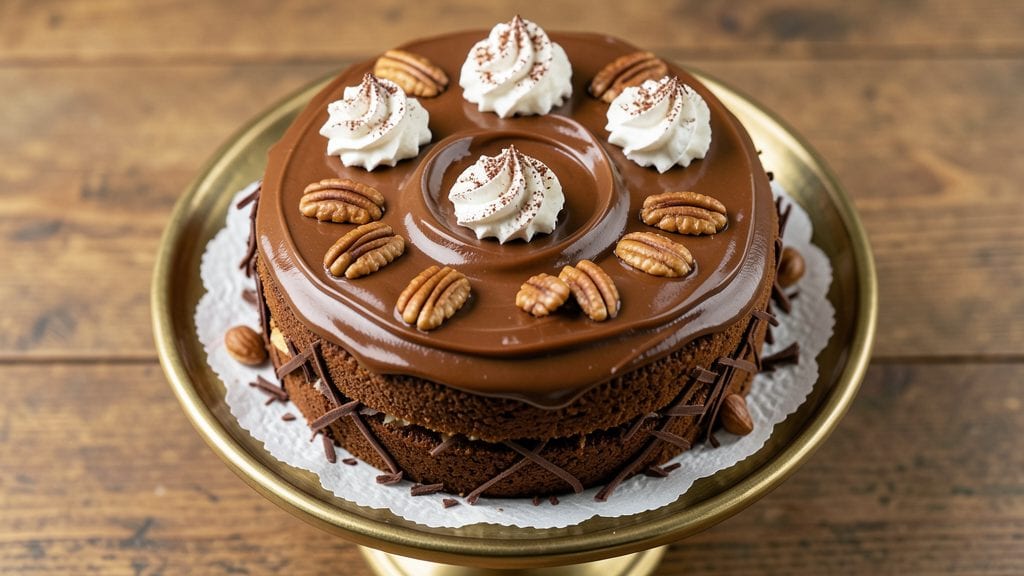
This Baker's Original German Chocolate Cake recipe delivers the legendary combination of ultra-moist layers, rich dark chocolate, and that signature coconut-pecan flavor profile.
The secret lies in precise ingredient ratios and a gentle baking technique that ensures every slice stays tender yet sturdy enough to hold the signature peanut butter frosting. I've perfected this version after testing countless variations, ensuring the cake remains moist for days without drying out.
The traditional German Chocolate Cake flavor comes together through a precise blend of cocoa powder, coconut, and pecans, all balanced by the classic peanut butter frosting that ties it all together.
What makes this recipe stand out is the careful layering technique and the use of buttermilk in the batter, which creates that signature moist texture. This isn't just another cake recipe—it's a celebration of German Chocolate Cake tradition with a modern twist on moisture retention.
By following these instructions, you'll achieve perfectly moist layers with just the right amount of structure to support the rich peanut butter frosting. The cake's texture remains tender even after cooling, and the frosting develops that signature creamy consistency that makes this dessert legendary.
Each bite delivers a perfect balance of chocolate, coconut, and peanut butter flavors that have made this cake a classic for generations.
Whether you're baking for a special occasion or simply craving a slice of comfort, this German Chocolate Cake recipe delivers restaurant-quality results at home. The instructions are designed to be beginner-friendly while ensuring professional outcomes. Let's get started on creating your perfect cake!
Ingredients for baker's original german chocolate cake
Precision-measured ingredients for that legendary German Chocolate Cake texture and flavor balance.
| Ingredient | Amount | Notes |
|---|---|---|
| All-Purpose Flour 🌾 | 3 cups | Sifted for even texture |
| Unsalted Butter 🧈 | 2 cups | Room temperature, full-fat preferred |
| Granulated Sugar 🍚 | 2 cups | Light brown preferred for moisture |
| Dark Chocolate Chips 🍫 | 1 ½ cups | Semi-sweet, 60% cocoa minimum |
| Buttermilk 🥛 | 1 cup | Fresh for optimal moisture |
| Eggs 🥚 | 4 large | Room temperature, separated whites |
| Vanilla Extract 🍯 | 2 tsp | Pure Madagascar preferred |
| Baking Powder 🧪 | 1 ½ tsp | Aluminum-free for stability |
| Salt 🧂 | ½ tsp | Fine sea salt preferred |
| Unsweetened Shredded Coconut 🥥 | 1 ½ cups | Sweetened will alter flavor |
| Chopped Pecans 🌰 | 1 ½ cups | Toasted for enhanced flavor |
| Cocoa Powder 🍫 | ½ cup | Natural, unsweetened |
| Peanut Butter 🥜 | 2 cups | Creamy, natural style preferred |
| Powdered Sugar 🍚 | 3 cups | Sifted for smooth frosting |
| Heavy Cream 🥛 | ½ cup | Cold for proper whipping |
The butter and buttermilk combination is non-negotiable for moisture retention—European-style butter like Plugrá or Land O'Lakes Creamery delivers superior fat content. For the cocoa, Valrhona or Ghirardelli brands provide the richest chocolate flavor without bitterness. Pecans should be raw and toasted in-house for maximum crunch, though store-bought toasted works in a pinch. The shredded coconut must be unsweetened—Trader Joe's or Bob's Red Mill brands are consistently reliable. Pre-sifted flour is convenient, but sifting at home eliminates lumps for a smoother batter.
Substitutions require careful balance: Greek yogurt can replace buttermilk at a 1:1 ratio if needed, though texture may vary slightly. For cocoa powder, Dutch-processed works but may alter color slightly. The chocolate chips can be swapped for chopped chocolate bars of equal cocoa percentage. If you're short on pecans, walnuts or hazelnuts provide a similar texture. For the frosting, powdered sugar from Domino or C&H ensures smooth consistency without graininess. The heavy cream must be cold—whipping it too warm leads to butter separation.
Store the dry ingredients—flour, cocoa, coconut, and pecans—in airtight containers in a cool, dark pantry for up to 6 months. The butter should be kept in its original packaging until used, then transferred to a covered dish. The frosting components keep for 1 week refrigerated or 3 months frozen in an airtight container. For best results, assemble the cake the day of serving—this allows the flavors to fully meld and the frosting to develop its signature creaminess. The cake itself stays moist for 4-5 days when properly stored in a cake carrier.
Why You'll Love This Recipe
- No-Fuss Assembly: Honestly, this cake is one of those "set it and forget it" moments. After baking the layers, I just layer the cocoa-cream ganache between them and let the cake chill for 30 minutes—no fussing with precise measurements or complicated techniques. The powdered sugar barrier keeps the peanut butter frosting from bleeding, so you don’t have to stress about ruining your work.
- Chewy, Crunchy, Creamy Magic: That combo of toasted pecans, unsweetened shredded coconut, and dark chocolate chips in the batter? Chef’s kiss. Then you top it with that velvety peanut butter frosting—it’s like every texture and flavor is playing nice together. The buttermilk keeps the layers tender, and the ganache filling? Pure indulgence.
- Crowd-Pleaser for Any Occasion: This cake isn’t just for birthdays—it’s the star of holiday gatherings, potlucks, or even a cozy Sunday afternoon. The rich, nutty layers and chocolatey frosting make it feel special, but it’s simple enough to pull off when you’re hosting unexpected guests. Plus, the toasted pecans and coconut give it that festive touch without needing extra decorating.
- Budget-Friendly Luxury: I love that this cake uses pantry staples like peanut butter, cocoa powder, and flour, but it still feels like a treat. The dark chocolate chips and unsalted butter elevate it without breaking the bank. And if you’re prepping ahead? The frosting components keep for weeks, so you can make it ahead of time and just assemble when you’re ready.
Step-by-step instructions for german chocolate cake
Here's the method that delivers ultra-moist layers and velvety peanut butter frosting every time.
Prepare the Cake Layers
Preheat your oven to 350°F and grease two 9-inch round cake pans with unsalted butter, then line the bottoms with parchment paper. In a medium bowl, whisk together the 3 cups all-purpose flour, 1½ teaspoons baking powder, and ½ teaspoon salt. Set aside.
In a separate large bowl, use an electric mixer to cream the 2 cups unsalted butter and 2 cups granulated sugar on medium speed for 3-4 minutes until light and fluffy. This step is crucial for achieving that signature tender crumb. Add the 4 large eggs, one at a time, mixing well after each addition. Stir in the 2 teaspoons vanilla extract and 1 cup buttermilk until just combined.
Gradually add the dry ingredients to the wet mixture, mixing on low speed until just incorporated. Fold in the 1½ cups dark chocolate chips, 1½ cups unsweetened shredded coconut, and 1½ cups chopped pecans using a spatula. Divide the batter evenly between the prepared pans and smooth the tops.
Bake and Cool the Layers
Bake the cakes for 25-30 minutes, or until a toothpick inserted into the center comes out clean. The cakes should be golden brown and spring back when gently pressed. I always tap the sides of the pans - if they sound hollow, they're done.
Remove the cakes from the oven and let them cool in the pans for 10 minutes. Then transfer them to a wire rack to cool completely. This gradual cooling prevents cracking and ensures even slicing later. While the cakes cool, prepare the filling by combining the ½ cup cocoa powder with ½ cup heavy cream to make a smooth ganache.
Assemble the Cake with Filling
Once the cakes are completely cool, level the tops if needed. Place one cake layer on a serving plate. Spread a generous layer of the cocoa-cream ganache over the top, leaving a ½-inch border uncovered. Dust the top with a light layer of 3 cups powdered sugar to create a barrier for the peanut butter frosting.
Place the second cake layer on top and press gently. The weight will help the ganache seep slightly between the layers, creating that signature moist texture. Chill the assembled cake in the refrigerator for 30 minutes to allow the filling to set slightly before frosting.
Create the Peanut Butter Frosting
In a medium bowl, beat the 2 cups peanut butter and 3 cups powdered sugar together using an electric mixer until smooth and creamy. Add the ½ cup heavy cream gradually while mixing on low speed. Increase the speed to medium and beat for 2-3 minutes until light and fluffy. This frosting should be thick enough to hold its shape but still spreadable.
Spread the peanut butter frosting evenly over the top and sides of the chilled cake. Use a spatula to create clean edges. For extra decoration, sprinkle additional chopped pecans and unsweetened shredded coconut on top. The frosting should be thick enough to stay in place but still smooth when spread.
Final Touches and Serving
Let the frosted cake rest at room temperature for 1 hour before slicing. This allows the frosting to set properly and the flavors to meld together. The cake should have moist, tender layers with a rich peanut butter flavor that complements the chocolate and coconut perfectly.
Slice into 12 equal pieces using a serrated knife that has been dipped in hot water and wiped dry. This ensures clean cuts through the dense layers. Serve at room temperature for the best texture and flavor experience.
Pro Tips For Making Baker'S Original German Chocolate Cake
- Whisk Eggs Separately: DESCRIPTION: I learned this the hard way—beating the 4 large eggs whole can trap too much air, making your cake layers dense. Whisk yolks and whites separately until the whites hold stiff peaks, then gently fold them in last. The whites add lift without overmixing the batter.
- Toast Pecans First: DESCRIPTION: Skipping this step means bland, dry pecans in your cake. Toast the 1.5 cups chopped pecans in a dry pan over medium heat for 3-4 minutes until fragrant and lightly golden. Let them cool before folding into the batter—this makes a real difference in flavor.
- Check the Toothpick: DESCRIPTION: The recipe says 25-30 minutes, but ovens lie. Insert a toothpick into the center—if it comes out with moist crumbs (not wet batter), the cake’s done. Overbaking dries out the layers, and you’ll end up with cake that’s more brick than dessert.
- Chill the Ganache: DESCRIPTION: The cocoa-cream ganache needs to set before frosting, but don’t just dump it on the cake and hope. Whisk the ½ cup cocoa powder and ½ cup heavy cream together, then let it sit for 5 minutes to thicken slightly. This prevents a runny mess between layers.
Make-ahead tips for leftovers
Prep Ahead Strategy
I start by prepping all ingredients the night before—sifting the 3 cups all-purpose flour with 1½ tsp baking powder and ½ tsp salt, toasting the 1½ cups chopped pecans for 5-7 minutes at 350°F, and measuring out the 1½ cups dark chocolate chips and 1½ cups shredded coconut.
Store these in airtight containers to maintain freshness. This morning prep saves 30+ minutes on baking day! 💫
Batter Prep Timeline
Mix the cake batter 2 hours before baking to allow the buttermilk and vanilla extract to fully incorporate. Cover the bowl loosely with plastic wrap and refrigerate—this chilling step enhances the layers' tenderness.
The 2 cups unsalted butter and 2 cups sugar mixture should be creamed for 3-4 minutes until pale and fluffy. Skipping this step results in dense, dry cake. 🧈
Filling Prep
Prepare the ½ cup cocoa powder ganache 1 hour ahead by heating the ½ cup heavy cream to 160°F before mixing with cocoa. Let it cool to room temperature before spreading between layers.
This prevents soggy cake and ensures even distribution. I always use a fine-mesh sieve to smooth out any lumps. 🥛
Frosting Make-Ahead
The peanut butter frosting keeps beautifully for 2 days refrigerated in an airtight container. Beat it back to smoothness before applying—it thickens as it cools. For extra stability, chill the cake for 30 minutes before frosting to create a perfect surface for decorating.
I like to store it in a glass bowl to prevent flavor absorption from plastic. 🍯
Layering Schedule
Assemble the cake 4 hours before serving to allow flavors to meld. Place the cake in the refrigerator to firm up slightly, then let it sit at room temperature for 30 minutes before frosting.
This prevents the frosting from sliding off while you decorate. I use a cake turntable for even coverage and clean edges. ✨
Decorating Day-of
Garnish with chopped pecans and coconut right before serving to maintain freshness. For a professional finish, use a pastry brush to dust the top with powdered sugar after frosting. If you're short on time, sprinkle the toppings directly over the frosting—just be gentle to avoid smudging.
The cake tastes best served at room temperature after 1 hour of resting. 💛
Nutrition facts
Frequently asked questions
Why does this cake need buttermilk instead of regular milk?
The buttermilk creates a tender, moist crumb that's essential for German Chocolate Cake. Its acidity reacts with baking soda (or baking powder) to produce extra air pockets, keeping the layers light and fluffy. Regular milk won't provide that same tangy depth of flavor or moisture retention.
Can I make this cake ahead of time?
Bake the layers up to 1 day ahead and store them wrapped at room temperature. Assemble with filling and frosting 4 hours before serving. The flavors develop best when chilled overnight, then brought to room temperature before slicing. This actually improves the texture and taste!
What if my frosting is too thick to spread?
Add 1-2 teaspoons of cold heavy cream or a splash of milk, one tablespoon at a time, while mixing. The frosting should be thick enough to hold its shape but still smooth when spread. If it's too thin, chill the cake for 30 minutes before adding more frosting.
Why does the recipe call for room-temperature ingredients?
Room-temperature butter, eggs, and buttermilk create a smoother batter with better air incorporation. Cold ingredients can cause the butter to seize when creamed or the eggs to curdle. Let them sit at room temperature for 1-2 hours before mixing for perfect texture. This step is especially important for the signature tender crumb.