
Desserts
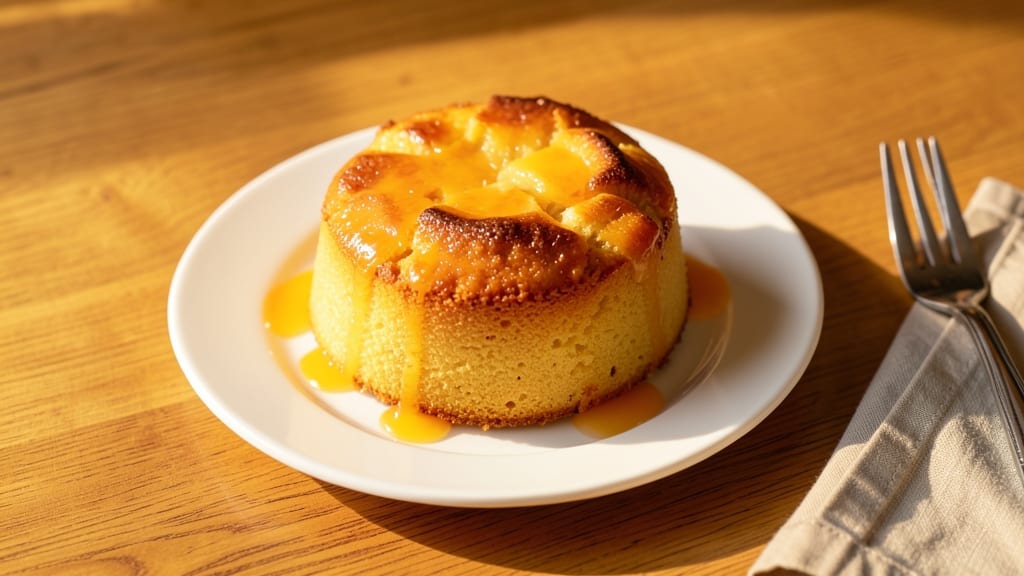
This Barefoot Contessa orange pound cake delivers the perfect balance of tender crumb and bright citrus flavor that makes every slice irresistible. The secret lies in precise measurements and a zesty orange glaze that transforms ordinary cake into something extraordinary.
I've baked this version countless times—it never fails to impress, whether served at brunch or as a showstopping dessert.
What sets this recipe apart is the moist, rich texture achieved through buttermilk and a precise blend of flour, sugar, and eggs. The orange glaze isn't just sweet—it's tangy and aromatic, cutting through the cake's density while adding a professional finish.
Unlike many pound cakes that dry out, this one stays tender for days, making it ideal for meal prep or special occasions.
The result is a golden, domed cake with a crackly top and a velvety crumb that practically melts in your mouth. Each slice is infused with citrus brightness while maintaining the classic pound cake structure. This isn't just dessert—it's a centerpiece that elevates any table. Let's get baking!
Perfect for serving with tea, coffee, or as a standalone treat, this cake adapts beautifully to variations like adding chocolate chips or swapping orange for lemon.
The glaze can be adjusted for sweetness too—just remember, the right balance is key. Here's how to make it exactly as the Barefoot Contessa intended.
Ingredients for barefoot contessa orange pound cake
Buttermilk, citrus zest, and precise measurements make this cake shine—no shortcuts needed.
| Ingredient | Amount | Notes |
|---|---|---|
| All-Purpose Flour 🌾 | 2 ½ cups | Sifted for even texture |
| Granulated Sugar 🍚 | 1 ½ cups | White or light brown |
| Unsalted Butter 🧈 | 1 cup | Room temperature, full-fat |
| Large Eggs 🥚 | 4 whole | Room temperature preferred |
| Buttermilk 🥛 | 1 cup | Fresh for best flavor |
| Fresh Orange Juice 🍊 | ¾ cup | From 2-3 medium oranges |
| Orange Zest 🍊 | 1 tbsp | Fine, from 1 orange |
| Baking Powder 🧂 | 2 tsp | Aluminum-free preferred |
| Salt 🧂 | ½ tsp | Fine sea salt |
| Vanilla Extract 🍯 | 1 tsp | Pure, high-quality |
| Powdered Sugar 🍚 | 1 cup | For glaze, sifted |
| Fresh Orange Juice 🍊 | ¼ cup | For glaze, same brand |
| Orange Zest 🍊 | 1 tbsp | Extra for glaze |
The butter and buttermilk are what keep this cake tender for days. Use full-fat butter—none of that low-fat nonsense—and grab the freshest buttermilk from the dairy section (not the powdered kind). For the orange juice, fresh-squeezed is ideal, but not required. I usually grab a few extra oranges—half go in the cake, half get juiced for the glaze. The zest? Use a microplane—those box graters leave behind too much pith. If you're in a pinch, store-bought juice works, but add an extra 1 tbsp zest to compensate for the lack of freshness.
No buttermilk? Mix 1 cup milk with 1 tbsp vinegar or lemon juice, let sit 5 minutes. Running low on powdered sugar? Blend granulated sugar in a food processor—it's the same stuff. The vanilla extract matters here—imitation smells like chemicals. Use the good stuff. No fresh orange juice? Store-bought works, but add 1/4 tsp orange extract to mimic the fresh flavor. And if you're feeling fancy, swap the powdered sugar glaze for a white chocolate ganache—just melt 4 oz white chocolate with 2 tbsp heavy cream.
This cake keeps beautifully—3-4 days at room temperature wrapped in plastic, or 1 week refrigerated. For the glaze, mix it right before serving so it stays glossy. If you're making ahead, glaze the cake just before serving—it dries out fast. The cake freezes well too: wrap tightly in foil and freeze for up to 3 months. Thaw at room temperature before glazing. And if you're worried about drying out, slice and freeze individual portions—perfect for quick grab-and-go breakfast.
Why You'll Love This Recipe
- Citrus Kickstart: Honestly, the moment I add that bright orange zest and juice to the batter, my kitchen smells like summer. The 1 tbsp of fine zest from one orange transforms the simple flour and sugar into something vibrant—no fancy techniques, just pure flavor punch.
- One-Pan, One-Spatula Magic: I love how this cake lets me keep things simple. Grease the pan with 1 cup of butter, fold in the dry ingredients with a spatula, and boom—done. No messy mixers, no fussing with multiple bowls. The batter’s thick but forgiving, so even if it looks a little lumpy, the glaze saves the day.
- Leftover Hero: This cake doesn’t just disappear in one sitting. It holds up solid for 3 days at room temp, and the glaze? Just warm it for 10 seconds in the microwave if it gets a little stiff. My kids actually ask for seconds, and I can slice it into perfect wedges without stress—no crumbly mess.
- Budget-Friendly Luxury: With 1.5 cups of sugar and 4 eggs, this isn’t some gourmet splurge. The fresh orange juice and zest make it feel special, but the pantry staples keep costs low. Plus, if I’m in a pinch, store-bought juice works—just crank up the zest to keep that zesty magic alive.
Step-by-step instructions for orange pound cake with zesty glaze
Here's the straightforward method that delivers moist, citrusy cake with that signature glaze.
Prep Ingredients and Grease the Pan
Start by preheating your oven to 350°F. Generously grease a 9-inch round cake pan with the 1 cup unsalted butter, then dust it lightly with the 2½ cups all-purpose flour. Tap out any excess flour so you don't end up with a dry cake. This step ensures easy release later.
While the oven heats, measure out all your ingredients. I like to whisk together the 1½ cups granulated sugar, 4 large eggs, and 1 tsp vanilla extract in a large mixing bowl. The sugar should dissolve completely, creating a smooth, pale mixture. This pre-mixing makes the next steps much easier.
Combine Wet and Dry Ingredients
In the same bowl, add the 1 cup buttermilk, ¾ cup fresh orange juice, and 1 tbsp orange zest. Mix gently until just combined—don't overmix or you'll develop gluten that makes the cake tough. In a separate bowl, whisk together the 2½ cups all-purpose flour, 2 tsp baking powder, and ½ tsp salt. Sift the dry ingredients once to aerate them.
Gradually fold the dry ingredients into the wet mixture using a spatula. Start with a few spoonfuls, then alternate with the remaining wet ingredients. The batter should be thick but not stiff—it'll look like a rich, citrusy cake batter. Here's the thing: don't worry if it looks slightly lumpy. The glaze will make up for any imperfections.
Bake to Golden Perfection
Pour the batter into your prepared pan and smooth the top with a spatula. Place the pan on the center rack in your 350°F oven and bake for 50-60 minutes. You'll know it's done when a toothpick inserted in the center comes out clean and the edges are pulling away slightly from the pan.
I always tap the pan gently on the counter to test doneness—if it sounds hollow, it's ready. Let the cake cool in the pan for 10 minutes, then transfer it to a wire rack to cool completely. This resting period prevents the cake from cracking as it cools.
Make the Signature Orange Glaze
While the cake cools, make the glaze by whisking together the 1 cup powdered sugar, ¼ cup fresh orange juice, and 1 tbsp orange zest in a small bowl. The glaze should be smooth and pourable—if it's too thick, add a few drops more of the orange juice. This glaze is what makes this cake special, so don't skip it.
Glaze and Serve
Once the cake is completely cool, carefully pour the glaze over the top, letting it drip down the sides. The cake will absorb some of the glaze, but that's okay—it'll still taste amazing. Let the glaze set for 10 minutes before slicing. This gives the top a beautiful sheen and ensures clean cuts.
Slice into 4 equal wedges and serve immediately. The cake should be moist with just a hint of citrus in every bite, and that glaze adds the perfect sweet-tart finish. Store leftovers covered at room temperature for up to 3 days, or refrigerate for up to 5 days. The glaze might thicken slightly when chilled, so you can warm the cake for 10 seconds in the microwave to soften it before serving.
Pro Tips For Making Barefoot Contessa Orange Pound Cake
- Whisk Eggs Until Pale: I used to rush this step and end up with a slightly off-colored batter—now I know the sugar needs to fully dissolve into the eggs until the mixture turns pale and smooth. This ensures even moisture and a tender crumb. (Yes, even if you're impatient like me, take that extra 30 seconds.)
- Sift Flour Twice: The recipe says to sift the dry ingredients once, but I’ve learned the hard way that flour settles. Give that bowl a quick second sift right before folding it into the wet mixture—it makes all the difference in avoiding a dense cake.
- Test Doneness with Two Methods: A clean toothpick is great, but I also tap the pan gently on the counter. If it sounds hollow, it’s done. Overbaking dries out the cake, and underbaking leaves it gummy—this double-check guarantees perfect texture every time.
- Glaze While Cake Cools: Make the glaze as soon as you pull the cake from the oven. The cake needs to cool completely, but the glaze sets faster if it’s ready to go. Pro tip: If the glaze thickens while waiting, add a splash of warm water—not more juice, or you’ll dilute the flavor.
Serving suggestions for this recipe
Morning Brunch Star
The perfect slice of this orange pound cake pairs beautifully with a steaming cup of English Breakfast tea or freshly brewed chai latte. The bright citrus notes complement the tea's robust flavors, while the cake's moist texture soaks up the creamy latte perfectly.
I always serve it with a side of clotted cream or whipped butter for extra indulgence—it's a brunch dream. 💛
Afternoon Tea Treat
This cake shines at afternoon tea gatherings with its elegant presentation. Serve it alongside finger sandwiches (think cucumber and smoked salmon) and mini scones with clotted cream. The orange glaze adds a sophisticated touch that elevates any tea party.
I like to arrange it on a tiered stand with fresh berries for a pop of color.
Dessert Centerpiece
For special occasions, this cake becomes the star of the dessert table. Place it on a wooden cake stand with a sprinkle of edible gold leaf for a luxurious finish.
Pair it with vanilla bean ice cream or dark chocolate mousse for a decadent dessert experience. The citrus brightness cuts through the richness beautifully.
Breakfast-Inspired Twist
Skip the traditional dessert setting and serve this cake as a breakfast treat with scrambled eggs or avocado toast. The sweet-tart flavor contrasts perfectly with savory breakfast dishes. I often slice it thin and layer it with ricotta cheese for a sweet-and-savory open-faced sandwich. 🍳
Giftable Goodness
Wrap a slice in parchment paper with a ribbon for a thoughtful gift. The cake stores beautifully for 3-4 days, making it perfect for hosting or sending to friends.
I like to include a small jar of the glaze recipe so recipients can recreate the magic. It's always a hit when I bring it to potlucks!
Nutrition facts
Frequently asked questions
Why does this orange pound cake stay moist for days?
The secret lies in using room-temperature butter and buttermilk—they create a tender crumb that resists drying out. The orange juice and zest also add moisture while keeping the cake flavorful. This recipe avoids overmixing and includes a 10-minute rest before slicing, which locks in freshness.
Can I make substitutions for fresh orange juice or zest?
If you can't use fresh orange juice, store-bought works—but add an extra 1 tbsp zest for brightness. For zest, use 1/4 tsp orange extract to mimic the fresh flavor. Avoid artificial flavors—they won't replicate the bright citrus notes this recipe depends on.
What’s the best way to test if the cake is fully baked?
Insert a toothpick into the center—if it comes out clean with moist crumbs (not wet batter), it’s done. Alternatively, gently tap the pan on the counter: a hollow sound means it’s ready. Overbaking dries out the cake, so 50-60 minutes at 350°F is your sweet spot.
How can I prevent the cake from cracking as it cools?
Let the cake cool in the pan for 10 minutes before transferring it to a wire rack. Avoid opening the oven too soon, and ensure the pan is evenly greased. If cracks appear, glaze them with a thin layer of the orange mixture—they’ll disappear!