
Desserts
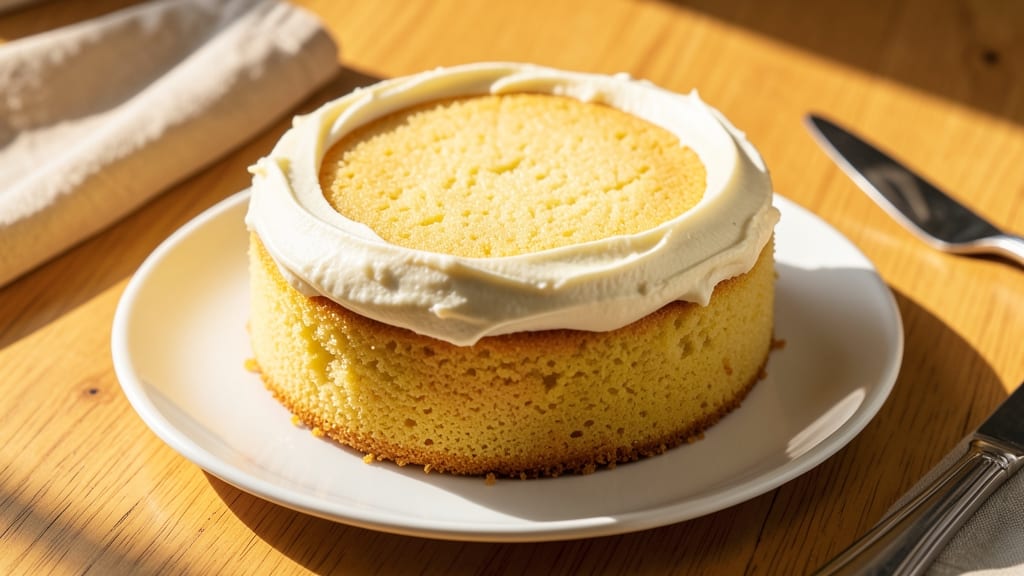
A basic eggless cake recipe promises the same light, tender layers as traditional vanilla cake—all while skipping eggs and dairy. After years of perfecting plant-based baking, I’ve cracked the code for a light, airy texture that holds its shape and stays moist for days.
The secret lies in a precise ratio of baking powder to flour and a simple substitution that mimics egg structure.
The beauty of this recipe is its foolproof simplicity: no special equipment, no tricky techniques, just a few pantry staples and 30 minutes of active time. We’ll use aquafaba (chickpea brine) as the binding agent, which whips up just like egg whites to create that signature cake lift.
The result? Layers that slice cleanly, frost beautifully, and satisfy even the most devoted cake lovers.
By the time you pull this cake from the oven, you’ll have golden, domed layers with a fine crumb and subtle vanilla flavor—perfect for birthdays, celebrations, or just because.
The frosting (vanilla buttercream, also eggless) ties everything together into a dessert that looks and tastes like it came from a bakery. No one will guess it’s egg-free.
This recipe scales perfectly for 8-inch or 9-inch pans, so you can adjust the batter quantity to fit your needs. Whether you’re baking for a crowd or treating yourself, the same principles apply—precise measurements and gentle folding ensure professional results every time. Let’s get started!
Ingredients for basic eggless cake
Pantry staples meet plant-based science for fluffy, golden layers—no eggs, no dairy, no compromise.
| Ingredient | Amount | Notes |
|---|---|---|
| All-Purpose Flour 🌾 | 2 ½ cups | Sifted for light texture, unsifted works too |
| Granulated Sugar 🍚 | 1 ½ cups | White or organic preferred |
| Cane Sugar 🍚 | ½ cup | For subtle caramel notes |
| Aquafaba (Chickpea Brine) 🥫 | ¾ cup | Fresh from canned chickpeas |
| Pure Vanilla Extract 🌿 | 2 tsp | High-quality, Madagascar preferred |
| Unsweetened Almond Milk 🥛 | ¾ cup | Room temperature for best results |
| Vegetable Oil 🫒 | ½ cup | Light or neutral flavor preferred |
| Baking Powder 🧂 | 2 ½ tsp | Fresh, not expired |
| Salt 🧂 | ½ tsp | Fine sea salt preferred |
| Vanilla Bean Paste 🌿 | 1 tbsp | For extra vanilla flavor |
| Almond Extract 🌿 | ½ tsp | Subtle almond note |
| Lemon Zest 🍋 | 1 tbsp | Brightens the flavor |
| Vegan Buttercream Frosting 🧈 | 2 cups | Homemade or store-bought |
The flour and baking powder are your texture anchors here. King Arthur or Gold Medal flours work best—look for high-protein content on the label. Aquafaba is non-negotiable for lift; Trader Joe's sells it pre-packaged, or save the brine from a can of chickpeas (use within 3 days). For vanilla, Madagascar Bourbon extract delivers the richest flavor—skip the imitation stuff. The almond milk should be unsweetened and room temperature; cold milk won't emulsify properly with the aquafaba. If you can't find almond milk, oat milk works in a pinch, but it may alter the crumb slightly.
No aquafaba? Flax eggs (1 tbsp ground flax + 3 tbsp water = 1 egg) can replace it, but the texture won't be as light. Out of vanilla extract? Vanilla bean paste or even vanilla sugar will work, though the flavor won't be identical. The lemon zest can be swapped for orange zest if you prefer citrus notes. For the frosting, Earth Balance vegan butter is my go-to, but any plant-based butter will do. Pro tip: Let your frosting come to room temperature before piping—it spreads less and looks more professional. If your cake domes too much, it's likely overmixed; fold just until combined.
This cake keeps beautifully for 4-5 days in an airtight container at room temperature, though it's best enjoyed fresh. For longer storage, wrap tightly and refrigerate for up to 1 week. Freeze the unfrosted layers for 3 months—thaw overnight in the fridge before frosting. The frosting can be made a day ahead and stored in the fridge; bring it to room temperature before using. If your cake develops a dry top crust, brush it with simple syrup (equal parts sugar and water, heated until dissolved) to restore moisture.
Why You'll Love This Recipe
- No Mixer, No Problem: I’ve baked this cake with just a whisk—yes, really. The aquafaba whips up like magic, and the flour only needs a gentle fold. No fancy tools, just pantry staples and a little elbow grease. Honestly, the only thing you’ll need to invest in is patience for that 4-5 minute whip.
- Vanilla Bliss Upgraded: That combo of pure vanilla extract, vanilla bean paste, and a tiny hit of almond extract? It’s not just vanilla—it’s a cozy hug in cake form. The cane sugar adds that subtle caramel depth, while the lemon zest keeps it bright and fresh. Trust me, your taste buds deserve this level of flavor.
- Crowd-Pleaser Always: Whether it’s a birthday, a potluck, or just because, this cake disappears fast. The layers bake up light and fluffy, and the vegan buttercream ties it all together without compromise. My daughter’s friends always ask for seconds, and honestly? I don’t blame them.
- Budget Bake Win: You’re already using chickpea brine from your canned beans—why not turn it into something special? The rest of the ingredients are basic, and the recipe stretches to feed a crowd. Plus, it keeps for days, so you can enjoy leftovers guilt-free. Solid return on a $10 grocery haul.
Step-by-step instructions for fluffy eggless vanilla cake
Here's the method—simple, reliable, and perfect for achieving that light, airy texture without eggs.
Whisk Wet Ingredients for Maximum Air Incorporation
In a large mixing bowl, combine the ¾ cup aquafaba (chickpea brine) with the ½ cup vegetable oil and 1 tbsp lemon zest. Use a hand mixer to whip this mixture on high speed for 4-5 minutes until it forms stiff peaks—this is your egg substitute, and the volume should nearly triple. The aquafaba should look glossy and hold its shape when the whisk is lifted.
While the aquafaba is whipping, measure out the ¾ cup unsweetened almond milk in a separate small bowl. Add the 1½ cups granulated sugar, ½ cup cane sugar, 2 tsp pure vanilla extract, ½ tsp almond extract, 1 tbsp vanilla bean paste, ½ tsp salt, and 2½ tsp baking powder to the whipped aquafaba mixture. Gently fold these dry ingredients into the whipped aquafaba using a silicone spatula, being careful not to deflate the air you've just incorporated. This step ensures your cake will rise properly and stay moist.
Gradually Incorporate Dry Ingredients for Lightness
In a separate bowl, sift the 2½ cups all-purpose flour to aerate it and remove any lumps. This step is crucial—sifting prevents dense pockets in the cake. With the mixer on low speed, gradually add the sifted flour to the wet mixture, mixing just until combined. Avoid overmixing here; you should still see small streaks of flour in the batter. The goal is to maintain that airy texture we worked so hard to create in the aquafaba stage.
Once fully combined, let the batter rest for 10 minutes at room temperature. This brief rest allows the flour to fully hydrate and the baking powder to activate, ensuring a smoother bake. Here's the thing—don't skip this step. I've found that resting the batter prevents a dense crumb and helps the cake rise more evenly in the oven.
Bake in Two Layers for Perfect Rise and Texture
Preheat your oven to 350°F and grease two 8-inch round cake pans with vegetable oil, then line the bottoms with parchment paper. Divide the batter evenly between the two pans, smoothing the tops with a spatula. Tap each pan gently on the countertop to remove any air bubbles that may have formed during pouring.
Bake for 25-30 minutes, or until a toothpick inserted into the center comes out clean. The edges should be golden brown, and the top should spring back when gently pressed. Real talk: your oven might run hot, so start checking at the 20-minute mark. If the tops brown too quickly, tent the pans loosely with aluminum foil to prevent overbrowning while the centers finish baking.
Cool and Assemble with Vegan Buttercream
Remove the cakes from the oven and let them cool in the pans for 10 minutes. Then transfer them to a wire rack to cool completely. Here's where patience pays off—cooling thoroughly prevents the buttercream from melting and sliding off when you assemble the cake. While the cakes cool, prepare the 2 cups vegan buttercream frosting according to your preferred recipe or package instructions. You'll want it to be at room temperature for easy spreading.
Once the cakes are completely cool, place one layer on a cake stand or plate. Spread a generous layer of the vegan buttercream frosting over the top, then place the second layer on top. Use a long serrated knife to trim any uneven edges for a clean finish. Frost the entire cake with the remaining buttercream, creating your desired texture—whether that's smooth, swirled, or piped rosettes. The key is to work quickly to prevent the frosting from warming up too much in your hands.
Pro Tips For Making Basic Eggless Cake
- Whip Aquafaba Like Meringue: Don’t rush the 4-5 minutes of whipping—your cake’s lightness depends on those stiff peaks. I used to cut corners here, and my cakes turned out dense. Trust the process; the aquafaba needs that time to triple in volume and hold shape.
- Sift That Flour: Skip sifting the flour, and you’re asking for a heavy, uneven crumb. Even if you’re in a hurry, take the extra 30 seconds to aerate those 2.5 cups—it makes a real difference in texture. (Yes, even if you’re impatient like me.)
- Tent for Even Baking: Your oven runs hotter than you think. If the tops brown too fast at 25 minutes, slap that foil tent on those pans. I’ve ruined cakes by ignoring this—golden edges don’t mean a fully baked center.
- Room-Temp Almond Milk Matters: Cold almond milk? Your cake’s rise will suffer. Warm that ¾ cup to room temperature first—it blends smoother and helps the batter activate properly. I learned this after a batch that collapsed like a sad soufflé.
Wine and beer pairings for this dish
Light White Wines
The delicate vanilla and almond notes in this cake pair beautifully with crisp, citrus-forward white wines. I reach for a Chardonnay from the Burgundy region—its buttery texture and subtle oak complement the cake’s richness without overpowering it.
A Sauvignon Blanc from New Zealand, like Oyster Bay, adds bright acidity that cuts through the sweetness and refreshes your palate. Both options highlight the cake’s subtle flavors while keeping the experience light and refreshing. 🍷
Dry Sparkling Options
For a festive touch, serve this cake with a Brut Cuvée from Champagne or a Prosecco like La Marca. The effervescence cleanses the palate between bites, while the dryness balances the cake’s sweetness.
I love pairing it with a Pinot Noir Rosé from Provence—its floral notes echo the vanilla in the cake, creating a harmonious match. The bubbles also make it feel celebratory! 🥂
Craft Beer Pairings
A Belgian Witbier like Hoegaarden brings a citrusy, coriander-forward profile that pairs surprisingly well with the cake’s vanilla and almond flavors. The light body and subtle sweetness won’t compete with the dessert but instead enhance its subtle notes.
For a bolder option, try a German Hefeweizen—its clove and banana undertones add an interesting contrast to the cake’s brightness. Both beers keep the experience balanced and enjoyable. 🍺
Non-Alcoholic Alternatives
If you’re avoiding alcohol, a sparkling lemonade infused with fresh mint and a touch of honey works wonders. The tartness and effervescence mimic the refreshing quality of a dry sparkling wine.
Alternatively, a vanilla-infused iced tea with a splash of almond extract ties directly into the cake’s flavors while staying light and crisp. Both options are perfect for any celebration without the alcohol. 💧
Wine and Beer for Leftovers
When enjoying leftovers, a Port wine like Taylor’s Late Bottled Vintage adds a rich, fruity contrast to the cake’s sweetness. Its nutty depth complements the vanilla and almond notes beautifully.
For beer lovers, a dark stout such as Guinness can be surprisingly satisfying—its roasted malt flavors provide a bold contrast to the cake’s delicate layers. Both choices elevate the experience even when the cake is a day old. 🍻
Nutrition facts
Frequently asked questions
Why does this recipe use aquafaba instead of eggs?
Aquafaba (chickpea brine) whips up just like egg whites, creating the perfect airy texture for a fluffy cake. It mimics the binding and leavening properties of eggs while keeping the recipe completely plant-based. The result is a tender, moist crumb that holds its shape beautifully—no eggs required!
What if my oven runs hot or cold? How can I adjust baking time?
Ovens vary! If your cake browns too quickly, tent the pans with foil after 20 minutes to protect the tops. For underbaking, check at 25 minutes instead of 30. A toothpick should come out clean—no wet batter or crumbs! Pro tip: Rotate pans halfway through baking for even heat distribution.
Can I skip the resting step for the batter?
Absolutely not! Skipping the 10-minute rest after mixing can lead to a dense, uneven cake. This brief pause lets the flour absorb liquid and the baking powder activate, ensuring a light, even rise. Trust the process—it’s worth the wait!
What’s the best way to store leftover cake?
Wrap the unfrosted cake tightly in plastic wrap or foil and store it in an airtight container at room temperature for up to 5 days. For longer storage, refrigerate for 1 week or freeze unfrosted layers for 3 months. Always bring it to room temp before frosting!