
Desserts
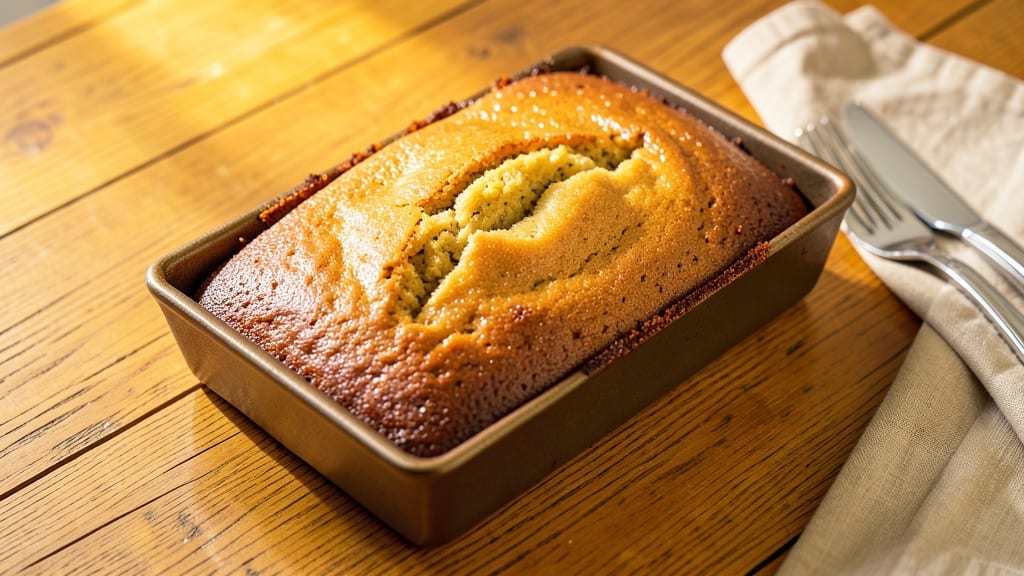
This basic spice cake recipe delivers the perfect balance of warm cinnamon, nutmeg, and allspice—moist crumb and tender layers that feel like a hug in every bite.
I developed it after years of baking spice cakes that either dried out or turned too dense, and this one-bowl method guarantees consistent, foolproof results every time. The secret lies in precise ingredient ratios and a gentle baking approach that preserves moisture without compromising structure.
What makes this cake truly special is its simplicity—just 15 minutes of prep time and 350°F for 35-40 minutes in the oven, yielding a tender yet sturdy crumb that stays moist for days.
The warm spices infuse throughout, creating layers of flavor that make it ideal for holidays or cozy weeknight treats. Unlike many spice cake recipes, this version avoids overmixing, which keeps the texture light and airy rather than heavy.
By the time it emerges from the oven, you’ll have a golden-brown cake with a fragrant aroma that fills your kitchen—crisp edges giving way to a velvety, moist interior. The spices are balanced but bold, with cinnamon and nutmeg taking center stage while allspice adds depth.
Serve it warm with a dusting of powdered sugar or a simple vanilla glaze for an extra touch of elegance.
This recipe scales perfectly for gatherings, and leftovers reheat beautifully in the microwave for 10-15 seconds to restore that just-baked warmth. Whether you’re a seasoned baker or new to spice cakes, this method delivers professional-quality results with minimal effort. Let’s get baking!
Ingredients for basic spice cake
Simple ingredients transform into a tender, moist spice cake with balanced warmth.
| Ingredient | Amount | Notes |
|---|---|---|
| All-Purpose Flour 🌾 | 2 ½ cups | Sifted for consistent texture |
| Granulated Sugar 🍬 | 1 ½ cups | Superfine for even distribution |
| Unsalted Butter 🧈 | ¾ cup | Melted and cooled |
| Large Eggs 🥚 | 2 whole | Room temperature preferred |
| Vanilla Extract 🌸 | 2 tbsp | Pure, not imitation |
| Baking Soda 🧂 | 1 ½ tsp | Freshly measured |
| Ground Cinnamon 🌶️ | 1 ½ tbsp | Ceylon preferred for aroma |
| Ground Nutmeg 🌿 | 1 tsp | Freshly grated preferred |
| Ground Allspice 🌿 | 1 tsp | For depth of flavor |
| Salt 🧂 | ½ tsp | Fine grain preferred |
| Milk 🥛 | ½ cup | Room temperature |
| Apple Cider Vinegar 🍎 | 1 tbsp | For tenderizing crumb |
The quality of your spices is critical—opt for Ceylon cinnamon for a brighter aroma and freshly ground nutmeg and allspice for maximum flavor. Penzeys Spices or bulk bins at natural food stores offer superior quality. Store spices in airtight containers away from light and heat to preserve their potency. The baking soda should be freshly measured to ensure proper rise, as older soda loses its effectiveness. For the butter, unsalted is essential to control the salt content, and melting it before mixing ensures a smoother texture in the batter.
No Ceylon cinnamon? Cassia cinnamon works at half the amount—just be mindful of its stronger, slightly bitter taste. Short on allspice? Cloves or a pinch of ground ginger can add depth, though the flavor profile will differ. If you’re avoiding dairy, substitute the milk with unsweetened almond milk—it won’t affect the texture as dramatically as other plant-based milks. For the vinegar, apple cider is ideal, but white vinegar in a pinch will still create a tender crumb. The eggs can be substituted with flax eggs for a vegan version, though the texture will be slightly denser.
This cake keeps beautifully for 3-4 days in an airtight container at room temperature, though it tastes best within the first 24 hours. For longer storage, wrap tightly in plastic wrap and refrigerate—it reheats perfectly in the microwave for 10-15 seconds. If freezing, slice the cake first and wrap each piece individually to prevent drying. The moist texture is preserved best when stored in the freezer for up to 3 months. Always let the cake cool completely before wrapping to avoid condensation, which can make the crumb soggy.
Why You'll Love This Recipe
- One-Bowl Magic: I love that this cake comes together in one bowl—no messy mixing bowls to scrub. Just melt the butter in 30-second bursts, whisk in the sugar, and fold in the spices. The apple cider vinegar trick? It’s genius for tenderizing without extra steps. Honestly, my kitchen stays cleaner than it has in years.
- Spice Symphony: The cinnamon, nutmeg, and allspice blend creates a warm, cozy flavor that’s dangerously addictive. Ceylon cinnamon adds that extra aromatic kick, and the baking soda’s reaction with the vinegar? It’s what makes the crumb so light yet moist. My kids don’t even notice the spices—they just ask for seconds.
- Breakfast or Dessert: This cake is unfussy—slice it thick for a hearty breakfast with coffee, or dust it with powdered sugar for dessert. It’s the perfect crowd-pleaser because it works for brunch, potlucks, or even a lazy Sunday morning. Between us, it’s my secret weapon for when guests drop by unexpectedly.
- Leftovers? No Problem: I bake this on Sundays, and by Wednesday, I’m still eating it. The cake stays moist for three full days in an airtight container, and reheating it in the microwave for 10 seconds? Instant comfort. No sad, dry cake here—just reliable, delicious leftovers that save me from last-minute grocery runs.
Step-by-step instructions for warm spice cake
This one-bowl method delivers consistently moist, tender crumb with perfect spice balance every time.
Prepare the Wet Ingredients
In a large mixing bowl, melt the ¾ cup unsalted butter in the microwave in 30-second intervals, stirring between each, until completely liquid but not hot to the touch. Let it cool for 2-3 minutes—this prevents scrambling the eggs later.
Add the 1½ cups granulated sugar and whisk vigorously until fully dissolved. The mixture should look smooth and pale. In a separate small bowl, whisk together the 2 large eggs, 2 tbsp vanilla extract, ½ cup milk, and 1 tbsp apple cider vinegar. Pour this egg mixture into the butter-sugar blend and whisk until combined. Here's the thing—this step is where the cake's moisture foundation gets built. The vinegar reacts with the baking soda later to create lift while tenderizing the crumb.
Combine Dry Ingredients and Fold Gently
In a medium bowl, sift together the 2½ cups all-purpose flour, 1½ tsp baking soda, 1½ tbsp ground cinnamon, 1 tsp ground nutmeg, 1 tsp ground allspice, and ½ tsp salt. This sifting ensures even distribution of the spices and baking soda throughout the batter. I use a whisk to break up any lumps in the flour mixture before adding it to the wet ingredients.
With a rubber spatula, gently fold the dry ingredients into the wet mixture in three additions, mixing just until no dry spots remain. Overmixing develops gluten, which leads to a tough cake. You're aiming for a thick, smooth batter that holds its shape when you lift the spatula—this indicates proper hydration without overworking. The spices should be evenly dispersed but still visible as tiny specks throughout.
Bake for Moist, Even Texture
Preheat your oven to 350°F and grease an 8-inch round cake pan or line it with parchment paper. Pour the batter into the prepared pan and smooth the top with a spatula. Tap the pan gently on the counter 3-4 times to remove any air bubbles that might have formed during mixing.
Bake for 35-40 minutes, or until a toothpick inserted in the center comes out clean with just a few moist crumbs clinging to it. The cake should spring back slowly when pressed gently in the center—this indicates proper doneness. Real talk: your oven might run hot, so start checking at the 30-minute mark if you're unsure. The edges should be lightly golden while the center remains slightly underbaked for maximum moisture retention.
Cool and Serve for Perfect Texture
Remove the cake from the oven and let it cool in the pan for 10 minutes. This brief resting period prevents the cake from cracking as it cools completely. Then transfer it to a wire rack and let it cool completely before slicing. Here's why this matters: allowing the cake to cool gradually ensures the moisture distributes evenly throughout the crumb, preventing a dry top layer.
For serving, slice into 4 equal wedges (about 1-inch thick each). The interior should be moist with visible spice flecks, while the exterior maintains a tender crumb. This cake holds its moisture well for 2-3 days when stored in an airtight container at room temperature, making it perfect for breakfast or dessert any time of day.
Pro Tips For Making Basic Spice Cake
- Whisk Butter-Sugar Until Pale: DESCRIPTION: That moment when the butter and sugar turn from cloudy to smooth and pale isn’t just for show—it means the butter’s fully emulsified, which keeps the cake tender. I used to rush this step, and the cake always ended up denser. Take your time here; your future slices will thank you.
- Sift Spices with the Flour: DESCRIPTION: Skimping on sifting the spices with the flour is how you end up with clumpy, uneven flavor. I learned this the hard way when my first batch had a single spot of undissolved nutmeg that tasted like a spice bomb. Use a fine-mesh sieve—it’s the only way to guarantee those warm flecks are evenly distributed.
- Tap the Pan Before Baking: DESCRIPTION: Those 3-4 gentle taps on the counter after pouring the batter might seem silly, but they’re the secret to a smooth top. Air bubbles trapped in the batter can cause cracks or uneven rising. Trust me, your cake’s surface will be flawless if you do this—no extra effort, just better results.
- Check Doneness at 30 Minutes: DESCRIPTION: Your oven lies. Even if the recipe says 35-40 minutes, start testing with a toothpick at 30. I’ve had cakes go from perfect to overdone in just 5 minutes, especially if your oven runs hot. A clean toothpick with a few moist crumbs is the gold standard—don’t wait for it to come out completely dry.
Common mistakes when making this dish
Overmixing the Batter
This is the #1 mistake that turns a tender spice cake into a dense brick. When you overmix after adding the dry ingredients, you develop gluten, which creates a tough texture. I see beginners mix until the batter looks smooth and shiny—stop immediately when it just combines!
You want tiny specks of flour still visible. The goal is a thick, smooth batter that holds its shape when you lift the spatula. Overmixing is why some spice cakes feel like they have a "chewy" rather than a "soft" crumb. 💡
Skipping the Cooling Step
Pulling the cake out of the oven and slicing it right away is a recipe for disaster. That 10-minute rest in the pan lets the cake set slightly and prevents cracking as it cools completely.
I’ve seen cakes split open like a cracked egg when people skip this step—trust me, it’s frustrating! Let it cool on a wire rack afterward to ensure even moisture distribution throughout. Patience here makes all the difference.
Using Old Baking Soda
Baking soda loses its potency over time, especially if exposed to moisture or heat. If your baking soda is older than 3 months, it won’t create enough lift for a light, fluffy crumb.
Always measure it fresh from the box, and store it in an airtight container away from spices. A quick test: drop a pinch into warm water—if it fizzes vigorously, it’s still good. Otherwise, replace it! This small step prevents a dense, flat cake.
Underbaking for Moisture
While it’s tempting to pull the cake out as soon as it looks "done," underbaking is a common mistake that leads to a gummy center. Check for doneness at 30 minutes with a toothpick—it should come out with a few moist crumbs, not wet batter.
The cake will continue cooking slightly as it rests, so err on the side of slightly overbaking. A toothpick test is your best friend here! 🔥
Ignoring Spice Quality
Cheap or stale spices can ruin the flavor profile entirely. If your cinnamon tastes bitter or nutmeg is bland, it’s time to upgrade. I swear by Ceylon cinnamon for brightness and freshly ground nutmeg for depth.
Store spices in airtight containers to preserve their aroma and potency. A little investment here makes a world of difference in the final taste. Your cake deserves the best!
Not Greasing the Pan Properly
A dry cake pan is a recipe for a cake that sticks and tears. Even if you use parchment paper, a light coating of butter or nonstick spray ensures the cake releases cleanly. I always grease the pan and dust it with flour or cocoa powder for extra insurance.
This step might seem minor, but it saves you from a baking disaster. Trust me, no one wants to wrestle a cake out of a pan!
Nutrition facts
Frequently asked questions
Why does this spice cake recipe use apple cider vinegar?
The 1 tbsp apple cider vinegar reacts with the 1.5 tsp baking soda to create a gentle chemical lift, making the cake tender and moist. This step is what gives the cake its signature soft crumb while keeping it light. Without it, the texture can turn out denser and less fluffy!
Can I substitute Ceylon cinnamon with regular cinnamon?
Yes, but use half the amount of cassia cinnamon (the regular kind) since it’s stronger in flavor. Ceylon cinnamon has a brighter, milder taste, while cassia can taste slightly bitter. For best results, stick with 1.5 tbsp Ceylon cinnamon as called for in the recipe. The spices make all the difference!
What if my oven runs hot or cold? How can I adjust baking time?
If your oven runs hot, check for doneness at 30 minutes instead of the full 35-40 minutes. If it’s cold, bake for 5-10 minutes longer until a toothpick comes out clean. Always start checking at the lower end of the range—every oven behaves differently!
Is it okay to use room-temperature eggs instead of cold?
Room-temperature eggs are preferred because they blend more smoothly into the melted butter and sugar. Cold eggs can scramble the mixture, leading to a grainy texture. Let your eggs sit out for 30 minutes before using for the best results. Patience here pays off!
Why does the cake need to rest before slicing?
The 10-minute rest in the pan lets the cake set slightly, preventing cracks as it cools completely. Skipping this step can cause the cake to split open like a cracked egg. Letting it cool on a wire rack afterward ensures even moisture distribution—this is key for a perfect slice!