
Desserts
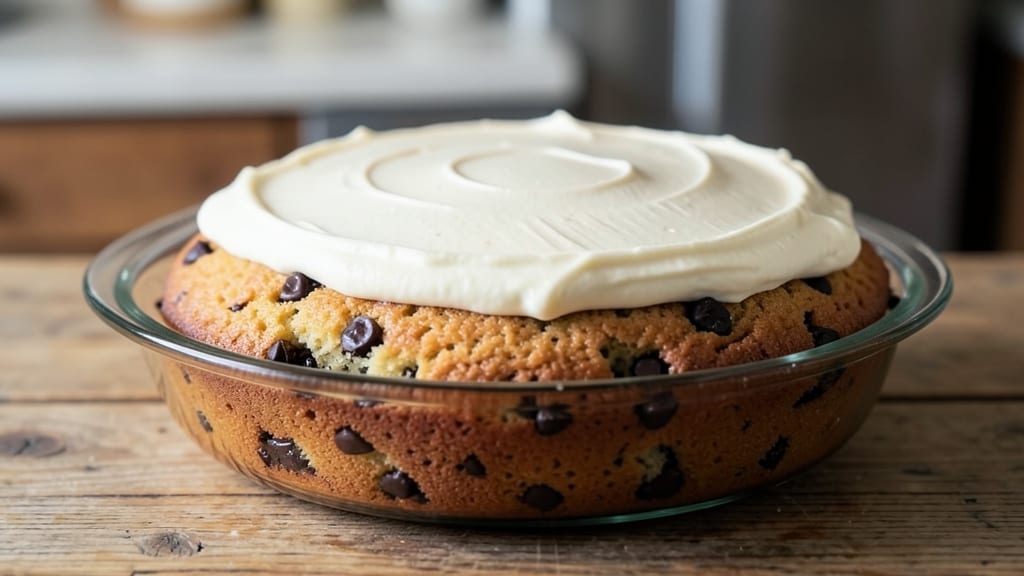
Betty Crocker's cake mix box recipe transforms into something extraordinary when you elevate those moist layers with a few professional techniques. The secret lies in balancing the mix with the right amount of liquid and fat—this is where the magic happens.
Every home baker deserves restaurant-quality results, and it starts with understanding how to work with what you already have in your pantry.
What sets this method apart is the focus on achieving that signature tender crumb without relying on the box instructions. A precise ratio of ingredients—like adding a splash of sour cream or melted butter—creates a cake that's lighter and richer than the standard version.
The oven temperature and baking time are critical too; too hot, and the edges burn before the center sets.
By the time you pull that golden cake from the oven, you'll have layers that are perfectly moist, with a fine crumb that melts in your mouth. The frosting or glaze you choose becomes the perfect finishing touch, turning this into a dessert that's worth celebrating.
Whether it's a birthday, holiday gathering, or just a reason to indulge, this cake delivers every time.
Ready to master this foolproof technique? The best part is that you can customize it with mix-ins like chocolate chips, nuts, or even a swirl of jam. Let's get started on creating a cake that tastes like it came from a bakery, not a box.
Ingredients for betty crocker cake mix box
Pantry staples plus a few pro secrets—transform that box mix into bakery-style perfection.
| Ingredient | Amount | Notes |
|---|---|---|
| Betty Crocker Cake Mix (Vanilla or Chocolate) 🍰 | 1 box | Any variety, follow box instructions for dry ingredients |
| Unsalted Butter 🧈 | ½ cup | Melted, full-fat for richness |
| Sour Cream 🥛 | ½ cup | Full-fat, room temperature |
| Large Eggs 🥚 | 2 whole | Room temperature, separated |
| Granulated Sugar 🍚 | ¼ cup | For extra sweetness boost |
| Vanilla Extract 🌸 | 1 tbsp | Pure, high-quality extract |
| All-Purpose Flour 🌾 | ½ cup | Sifted, for lighter texture |
| Baking Powder 🍞 | 1 tsp | Extra lift for tender crumb |
| Milk 🥛 | ½ cup | Whole milk preferred |
| Vegetable Oil 🫒 | ¼ cup | Light, neutral flavor |
| Semisweet Chocolate Chips 🍫 | 1 cup | Optional mix-in, standard size |
| Powdered Sugar 🍚 | 2 cups | For buttercream frosting |
| Salted Butter 🧈 | ½ cup | Room temperature, softened |
| Heavy Whipping Cream 🥛 | ½ cup | Cold, for frosting stability |
| Vanilla Bean Paste 🌸 | 1 tsp | For premium vanilla flavor |
The cake mix is your base, but don't skip the upgrades. Grab a box of Betty Crocker's vanilla or chocolate—they're consistent, and you can always tweak the flavor later. For the butter, Land O'Lakes or Plugrah are reliable, but any full-fat brand works. The sour cream? Kroger's or store-brand is fine, but make sure it's full-fat—low-fat won't give you that rich, moist texture. Eggs should be room temperature; cold ones can cause cracks in your layers. Pro tip: Separate the yolks and whites—you'll fold them in at different stages for maximum fluffiness.
No sour cream? Plain Greek yogurt at half the amount works in a pinch, but trust me on the full-fat version. Short on butter? Extra oil plus an extra egg yolk keeps things moist. The vanilla extract matters—Nestlé or McCormick are solid, but if you've got a vanilla bean paste, use that instead. Chocolate chips? Hershey's or Ghirardelli are classic, but any semi-sweet will do. Want to get fancy? Fold in white chocolate chunks or crushed Oreos for a twist. The powdered sugar for frosting? Domino or Clabber Girl are fine, but if you've got confectioners' sugar, that's even better—it's sifted and dissolves smoother.
This cake keeps for 3-4 days in an airtight container at room temperature, or 1 week in the fridge. For frosting, whip it up just before serving—it's best fresh, though you can make it ahead and refrigerate for 2 days. To store layers separately, wrap each in plastic and freeze for up to 3 months. Just thaw at room temp before frosting. And if you're making this for a crowd? Double the mix—it bakes up beautifully in a 9x13 pan too.
Why You'll Love This Recipe
- No-Fuss Moisture Magic: Honestly, the sour cream and melted butter in this batter make it unfussily perfect. No dry crumbs here—just that tender, melt-in-your-mouth texture you crave. I’ve tried adding milk to other box mixes, but this recipe’s trick of keeping the batter thick with just the right amount of fat? Chef’s kiss.
- Chocolate Chip Surprise Boost: The semisweet chocolate chips mixed into the frosting? Game-changer. Every bite has that little melty shock, but the cake itself stays light—no heavy, cakey mess. My kids don’t even notice it’s a box mix; they just go back for seconds. (Yes, even on a Tuesday night.)
- Budget-Friendly Luxe: You’re already buying the cake mix, so why not treat yourself? The extra ingredients like vanilla bean paste and full-fat sour cream cost pennies more but make it feel like a bakery treat. I’d rather spend $10 on these upgrades than $20 on a mediocre store-bought cake. Solid value.
- Fridge-Friendly Leftovers: This cake holds up like a champ. Three days at room temp? No issue. A week in the fridge? Still moist, still delicious. Just pull it out, let it sit for 10 minutes, and slice—no soggy layers. I’ve even packed slices for lunch, and they travel better than most homemade cakes.
Step-by-step instructions for Betty Crocker cake mix box recipe
Here's how to transform that box mix into a cake with layers so moist they'll disappear on first bite.
Prepare the Cake Batter for Moisture-Packed Layers
In a large mixing bowl, combine the 1 box Betty Crocker Cake Mix (Vanilla or Chocolate) with the ½ cup Unsalted Butter, ½ cup Sour Cream, 2 Large Eggs, ¼ cup Granulated Sugar, and 1 tbsp Vanilla Extract. Mix on medium speed with an electric mixer for 2 minutes until completely smooth and well blended. The batter should be thick but not dry—this ensures maximum moisture in each layer.
Here's the thing—sour cream is your secret weapon. It keeps the cake tender by adding fat and moisture without making it dense. If your batter looks too thick, you can add the ½ cup Milk gradually until it reaches a pudding-like consistency, but don't overmix. Overmixing develops gluten, which leads to tough cake.
Next, fold in the ½ cup All-Purpose Flour and 1 tsp Baking Powder using a spatula. Gently stir just until combined—you're looking for a few small streaks of flour remaining. This prevents overdevelopment of gluten, which would make your cake tough instead of moist. Divide the batter evenly between two greased and floured 9-inch round cake pans or one 9x13-inch pan if you prefer a single layer.
Bake with Precision for Even Moisture
Preheat your oven to 350°F. Pour the divided batter into the prepared pans. For the best results, bake the layers simultaneously. Place the pans in the center rack of the oven and bake for 25-30 minutes, or until a toothpick inserted into the center comes out clean. The cake should spring back gently when touched—this is your signal for perfect doneness.
Don't open the oven door during the first 15 minutes of baking. The sudden temperature change can cause the cakes to sink in the middle. If the tops are browning too quickly, tent loosely with aluminum foil. You want golden brown tops, not burnt ones. Your oven might run hot, so start checking at the 20-minute mark if you're unsure.
Once baked, remove the cakes from the oven and let them cool in the pans for 10 minutes. Then transfer them to a wire rack to cool completely. This gradual cooling prevents cracking and helps the moisture distribute evenly throughout each layer.
Create the Ultimate Moist Buttercream Frosting
While the cakes cool, prepare the buttercream frosting. In a large mixing bowl, beat the ½ cup Salted Butter and 2 cups Powdered Sugar together on medium speed until light and fluffy. This should take about 3-4 minutes. The butter should be completely incorporated, and the mixture should be smooth and pale.
Add the ½ cup Heavy Whipping Cream and 1 tsp Vanilla Bean Paste, mixing until fully combined. The vanilla bean paste adds a rich, complex flavor that elevates the frosting from ordinary to extraordinary. Beat the mixture on high speed for another 2-3 minutes until it's thick, smooth, and holds its shape when piped. If the frosting is too thick, add a few drops of the ¼ cup vegetable oil to thin it slightly.
Here's where the magic happens: fold in the 1 cup semisweet chocolate chips using a spatula. You'll want to distribute them evenly throughout the frosting so each bite has a surprise burst of chocolate. This step is optional, but it adds texture and richness that complements the moist cake perfectly.
Assemble with Confidence for Perfect Layers
Once the cakes have cooled completely, level the tops if necessary using a serrated knife. Place the first layer on a cake stand or plate and spread a generous layer of the buttercream frosting evenly over the top. This is your moisture lock—don't skimp on the frosting. Place the second layer on top and repeat the process, frosting the top and sides of the cake.
For a professional finish, use a spatula to smooth the frosting on the sides of the cake. You can also use a cake comb or offset spatula to create decorative patterns. Chill the cake in the refrigerator for 30 minutes before serving to allow the frosting to set slightly. This ensures clean slices and prevents the frosting from sliding off.
Slice into your masterpiece and admire those moist layers. Each bite should be tender with just the right amount of sweetness, and the buttercream should melt in your mouth rather than feel heavy. Serve with a dollop of whipped cream or fresh berries for an extra touch of elegance.
Pro Tips For Making Betty Crocker Cake Mix Box
- Whisk Eggs First: Crack the eggs into a separate bowl, whisk them until no streaks remain, then fold them in last—this keeps the batter smoother and prevents lumps from dry mix settling at the bottom. I learned this the hard way after pulling a dense, uneven cake out of the oven that looked like it had rocks in it.
- Use Room-Temp Butter: Take the butter out of the fridge 30 minutes before mixing—softened but not melted—so it blends evenly with the sour cream and dry mix. Cold butter creates pockets in the batter that turn into dry spots, and nobody wants a cake that fights back with crumbly texture.
- Don’t Overmix the Batter: Mix just until the dry ingredients disappear—about 20 seconds after the last flour streak vanishes. Overmixing triggers gluten development, which turns your tender cake into a chewy brick. I’ve seen this happen more times than I’d like to admit.
- Grease Pans And Dust with Flour: Brush the pan with melted butter, then dust with a thin layer of flour (shaken, not dumped) before adding batter. This prevents sticking better than butter alone—especially in humid kitchens. Yes, it’s two extra steps, but your cake won’t stick like glue to the pan.
Troubleshooting your betty crocker cake mix box
Cake Sinks in the Middle
This happens when you open the oven door too soon—especially in the first 15 minutes. The sudden temperature drop causes the cake to collapse. I recommend using a timer to avoid peeking early. If it’s already sunk, don’t worry—just add extra frosting to cover it! 🔥
Dry or Dense Cake
Overmixing the batter develops gluten, making the cake tough. Mix just until the flour disappears—you should still see a few streaks. If your batter looks too thick, add 1-2 tbsp milk at a time. The sour cream is key for moisture, so don’t skip it!
Uneven Baking
Hot spots in your oven can cause one side to bake faster than the other. Rotate your pans halfway through baking (15 minutes in) to ensure even cooking. If your oven runs hot, lower the temperature to 325°F for the last 10 minutes.
Cracked Cake Layers
Rapid cooling causes cracks, especially if the cake is too hot when removed from the oven. Let it cool in the pan for 10 minutes before transferring to a wire rack. Avoid placing it directly on a cold surface, which can shock the layers.
Frosting Slides Off
If the frosting doesn’t hold, the cake layers might not be fully cooled. Chill the cake in the fridge for 30 minutes before frosting. Also, don’t overmix the frosting—it should be smooth but not too stiff. A light dusting of powdered sugar on the cake layers helps adhesion too!
Nutrition facts
Frequently asked questions
Why does this recipe use sour cream instead of water or milk only?
The ½ cup sour cream adds fat and moisture without making the cake dense, creating tender layers that disappear on first bite. Water or milk alone can result in a drier texture, while sour cream keeps the crumb light and rich. This is the secret to bakery-style results from a box mix!
Can I make this cake in a single 9x13-inch pan instead of layers?
Double the batter and bake in a greased 9x13-inch pan at 350°F for 30-35 minutes. Use a toothpick to check doneness—it should come out clean. This version is perfect for sheet cakes or quick gatherings. The moisture technique still works beautifully!
What if my frosting is too thick to spread?
Add 1-2 teaspoons of the ¼ cup vegetable oil reserved for the recipe to thin it slightly. You can also warm the butter slightly (not hot) before mixing. If it’s still too stiff, add a splash of heavy whipping cream until it reaches a smooth, pipeable consistency.
How do I prevent my cake from sticking to the pan?
Grease your pans thoroughly with butter or oil, then dust generously with flour. For extra insurance, line the bottoms with parchment paper. Let the batter sit for 5 minutes after pouring before baking—this helps the flour create a non-stick barrier. A well-prepared pan means easier removal and cleaner layers!
Can I substitute ingredients if I don’t have sour cream or vanilla bean paste?
Use plain Greek yogurt (½ cup) or mayonnaise (¼ cup) as a sour cream substitute. For vanilla, 1 teaspoon pure vanilla extract works in a pinch, though vanilla bean paste adds deeper flavor. The cake will still turn out moist—just tweak the flavor profile slightly!