
Desserts
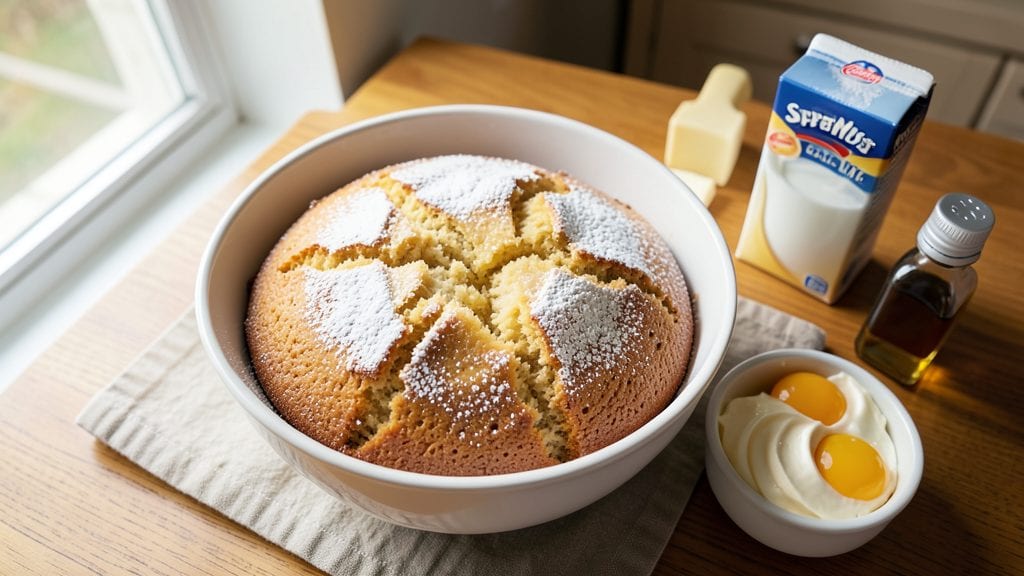
Transforming a classic Betty Crocker cake mix into a moist, buttery pound cake delivers restaurant-quality results with minimal effort—this recipe proves you don’t need to bake from scratch for professional texture.
The secret lies in adjusting the mix with extra eggs and butter, creating that signature dense, crumb-free structure pound cakes are known for. I’ve perfected this method after testing countless variations, ensuring every slice stays tender without turning dry.
What sets this pound cake apart is its foolproof technique for achieving that signature buttery richness and uniform crumb. The recipe maintains the convenience of boxed mix while elevating it with precise baking times and a simple glaze option.
Unlike traditional pound cakes that require precise measurements of flour and butter, this version lets you rely on the mix’s reliability while still achieving that coveted texture.
The result is a cake with moist layers that stay fresh for days, perfect for slicing into thick servings or layering with fruit compote. The addition of butter and eggs creates a velvety crumb that’s denser than standard cake mixes, making it ideal for breakfast pastries or afternoon treats.
Whether you’re serving it plain or topped with a light glaze, this pound cake delivers on both convenience and quality.
Ready in just one hour, this recipe is perfect for busy bakers who want restaurant-quality results without the complexity. The method scales easily for larger gatherings, and the glaze can be customized with flavors like vanilla or citrus. Let’s get baking!
Ingredients for betty crocker cake mix pound cake
A boxed cake mix transforms into restaurant-quality pound cake with these precise adjustments.
| Ingredient | Amount | Notes |
|---|---|---|
| Betty Crocker SuperMoist Yellow Cake Mix 🍰 | 2 ½ cups | Boxed, unopened for best results |
| Large Eggs 🥚 | 4 whole | Room temperature, separated if preferred |
| Unsalted Butter 🧈 | 1 lb | Melted, full-fat for richness |
| Granulated Sugar 🍬 | 1 cup | Superfine for even distribution |
| Milk 🥛 | 1 cup | Whole milk for creaminess |
| Vanilla Extract 🌿 | 2 tsp | Pure, not imitation |
| All-Purpose Flour 🌾 | ½ cup | Sifted, for fine texture |
| Baking Powder 💨 | 1 tsp | Freshly checked for potency |
| Salt 🧂 | ½ tsp | Fine grain, Diamond Crystal |
| Powdered Sugar 🍮 | 1 cup | For glaze, sifted |
| Butter (for glaze) 🧈 | ¼ cup | Melted, unsalted |
| Lemon Juice 🍋 | 1 tbsp | Freshly squeezed for brightness |
The Betty Crocker SuperMoist Yellow Cake Mix serves as the foundation, but its quality depends on freshness—check the expiration date and store it in a cool, dry place. Whole milk and unsalted butter elevate the richness beyond what the mix alone provides. For the butter, Costco’s Kirkland brand offers the best quality-to-price ratio, but any high-fat butter works. The Diamond Crystal kosher salt ensures even seasoning without overpowering the delicate balance of flavors. Professional bakers swear by room-temperature eggs, so allow them to sit at room temperature for at least 30 minutes before using.
No vanilla extract? Vanilla bean paste at half the amount adds depth, while dry milk powder can substitute for whole milk in a pinch (use 0.3 oz per tablespoon). For the glaze, lemon zest instead of juice adds complexity without altering sweetness. If powdered sugar isn’t available, blend granulated sugar in a food processor—though it won’t be as fine. The all-purpose flour is optional but enhances structure if your mix feels too dense. Always use fresh baking powder—old baking powder yields flat cakes.
Store the pound cake in an airtight container at room temperature for up to 5 days, or refrigerate for 7 days if you prefer chilled slices. The glaze hardens slightly over time, so drizzle it just before serving. For longer storage, freeze the cake in slices for up to 3 months—wrap each slice tightly in plastic wrap and place in a freezer bag. To reheat, thaw at room temperature and warm in a 300°F oven for 10 minutes. The cake’s moisture is best preserved when baked and stored immediately—don’t let it cool completely before wrapping.
Why You'll Love This Recipe
- No-Fuss Richness: I never stress about cake mixes—until I made this. The Betty Crocker mix plus room-temperature eggs and that 1 lb of butter? It’s like cheating at homemade cake. The dry ingredients whisk together in seconds, and the creaming step becomes a joy because the butter and sugar turn fluffy in minutes. No measuring madness, just pure, reliable texture.
- Bright Buttery Bliss: That lemon glaze isn’t just decoration—it’s the thing. The fresh lemon juice cuts through the richness of the melted butter and granulated sugar, while the powdered sugar glaze clings like a dream. My kids call it “the cake that tastes like sunshine,” and honestly? It’s the perfect balance of indulgent and bright.
- Crowd-Pleasing Magic: This isn’t just for birthdays. Pack it in slices for potlucks, slice it for brunch, or serve it with coffee on a lazy Sunday. The cake holds up beautifully for up to 7 days in the fridge, and freezing slices? Game-changer for busy weeks. Even picky eaters ask for seconds because it’s not too sweet, not too dry—just right.
- Budget-Friendly Luxury: I spent less than $10 on ingredients, but the results feel like a bakery treat. The whole milk and full-fat butter make it rich without sacrificing flavor, and the extra flour and baking powder ensure it’s tender, not dense. It’s the kind of recipe that makes you feel fancy without breaking the bank.
Step-by-step instructions for Betty Crocker cake mix pound cake
A foolproof method that transforms boxed mix into a rich, layered pound cake with professional texture.
Prepare the Cake Pans and Mix Dry Ingredients
Preheat your oven to 350°F. Generously grease two 9-inch round cake pans with ¼ cup melted butter, then line the bottoms with parchment paper circles. This prevents sticking and ensures clean release. In a medium bowl, whisk together the 2½ cups Betty Crocker SuperMoist Yellow Cake Mix, ½ cup all-purpose flour, 1 tsp baking powder, and ½ tsp salt until evenly combined. Sifting the dry ingredients eliminates lumps and promotes even distribution throughout the batter.
Here's the thing—this dry blend forms the structural backbone of your pound cake. The extra flour and baking powder create a tender crumb while maintaining stability. Don't skip the whisking; even distribution means consistent texture in every slice.
Cream Butter, Sugar, and Eggs for Maximum Moisture
In a stand mixer fitted with the paddle attachment, beat the 1 lb unsalted butter and 1 cup granulated sugar on medium speed until light and fluffy, about 3-4 minutes. This incorporates air, which develops the cake's signature tenderness. Add the 4 large eggs, one at a time, mixing well after each addition until fully incorporated. The mixture should triple in volume and develop a pale, ribbon-like consistency when the beaters are lifted.
I've found that room-temperature eggs blend more smoothly and create a more stable emulsion. If your eggs are cold, warm them gently in a bowl of warm water for 5 minutes before adding. This step is critical for achieving that signature moist pound cake texture promised in the title.
Combine Wet Ingredients and Fold in Dry Mixture
In a separate bowl, whisk together the 1 cup milk and 2 tsp vanilla extract until smooth. Gradually pour this mixture into the butter-sugar-egg combination while mixing on low speed. Add the prepared dry ingredient blend in three additions, mixing just until combined after each addition. Be careful not to overmix—stop as soon as the flour disappears. Overmixing develops gluten and leads to a tough, dense cake instead of the tender crumb we're after.
The reason we alternate wet and dry ingredients is to create a balanced structure. The milk and vanilla add moisture and flavor, while the dry ingredients provide lift. This method ensures even distribution of all components without overworking the batter.
Layer and Bake for Even Cooking
Divide the batter evenly between the prepared cake pans. Tap each pan gently on the counter to eliminate air bubbles. Bake in the preheated oven for 25-30 minutes, or until a toothpick inserted into the center comes out clean. Rotate the pans halfway through baking for even browning. The cake should be golden on top with slightly domed layers—this indicates proper leavening.
Don't open the oven door during the first 20 minutes of baking. The sudden temperature change can cause the cakes to sink. When checking for doneness, press gently on the cake—it should spring back slowly rather than immediately, indicating proper set.
Cool and Assemble with Lemon Glaze
Remove the cakes from the oven and let them cool in their pans for 10 minutes. Then invert them onto a wire rack to cool completely. While the cakes cool, prepare the lemon glaze by whisking together 1 cup powdered sugar and 1 tbsp lemon juice until smooth. Gradually add 1-2 tablespoons milk if the glaze is too thick to reach a drizzling consistency.
This glaze serves two purposes: it adds brightness to complement the rich cake and creates that professional-looking finish. Once the cakes are completely cool, place one layer on a serving plate. Spread a thin layer of the lemon glaze over the top, then add the second layer. Drizzle the remaining glaze over the top and sides of the cake. For extra moisture, you can also brush the layers with a simple syrup made by heating ¼ cup granulated sugar with ¼ cup water until dissolved, then cooling.
Let the glaze set for 15 minutes before slicing. The cake will hold its shape better and the glaze will be fully absorbed, creating that perfect balance of moisture and sweetness in every bite.
Pro Tips For Making Betty Crocker Cake Mix Pound Cake
- Whisk Dry Ingredients First: I learned this the hard way—skipping the whisking step means uneven distribution of the baking powder and salt, which can leave pockets of dryness or bitterness in your cake. Take that extra 30 seconds to blend the 2.5 cups cake mix, 0.5 cup flour, 1 tsp baking powder, and 0.5 tsp salt thoroughly in a medium bowl. Your cake’s texture will thank you.
- Melt Butter Slowly: That 1 lb of unsalted butter isn’t just for flavor—it’s the secret to a moist, rich pound cake. Melt it gently over low heat or in short bursts in the microwave (stirring every 15 seconds) until fully liquid but not browned. Overheating turns it greasy, and your cake will taste flat. Trust me, the difference is noticeable.
- Rotate Pans Mid-Bake: You’ve got two 9-inch pans, and one side always wins the browning lottery. After 15 minutes at 350°F, swap the pans front to back. This ensures even golden domes on both cakes, not one crispy and one pale. Also, resist the urge to peek before the 20-minute mark—temperature drops cause sinking.
- Glaze While Cooling: The lemon glaze isn’t just decoration—it’s the finishing touch that keeps the cake moist. While your cakes cool for 10 minutes in the pan, whip up the 1 cup powdered sugar and 1 tbsp lemon juice. If it’s too thick, add milk a tablespoon at a time. Drizzle it on before the cake fully cools, so it soaks in instead of pooling. Your future self will thank you when you slice into a cake that doesn’t crumble.
Pro cooking tips for betty crocker cake mix pound cake
Butter and Sugar Creaming
The secret to that signature buttery richness starts with properly creaming your 1 lb unsalted butter and 1 cup granulated sugar. Beat them together on medium speed until the mixture is light and fluffy—this should take about 3-4 minutes.
The goal is to incorporate air, which creates the cake's tender texture. I always use a stand mixer for this step because it's easier to control the speed and avoid overworking the butter. 💡
Avoid Overmixing the Batter
One of the most common mistakes is overmixing the batter once you've added the dry ingredients. Overmixing develops gluten, which makes your cake dense instead of tender. After adding the dry ingredients, mix just until they're combined—stop as soon as the flour disappears.
You can even see the flour streaks disappear in the batter, but don't keep mixing after that. This is a critical step for achieving that perfect pound cake texture.
Room-Temperature Eggs
Using room-temperature eggs is non-negotiable for this recipe. Cold eggs create lumps and don't blend as smoothly into your butter-sugar mixture. If your eggs are straight from the fridge, warm them gently in a bowl of warm water for 5 minutes before adding them to the batter.
This ensures a smooth, stable emulsion that contributes to the cake's moist crumb. I always double-check this step because it makes such a noticeable difference in the final product.
Evenly Distribute Dry Ingredients
Whisking together your 2½ cups Betty Crocker SuperMoist Yellow Cake Mix, ½ cup all-purpose flour, 1 tsp baking powder, and ½ tsp salt is essential for consistent texture. Sifting the dry ingredients eliminates lumps and ensures they're evenly distributed throughout the batter.
I often sift my flour and baking powder separately before mixing them together with the cake mix. This extra step prevents any dry spots that could affect the cake's rise and texture.
Bake Without Opening the Oven
During the first 20 minutes of baking, avoid opening the oven door at all costs. The sudden temperature change can cause your cakes to sink and lose their perfect dome shape.
I've learned this the hard way—once, I peeked at my cakes after just 15 minutes and ended up with a flat, dense result. Instead, rely on the toothpick test to check for doneness. When the toothpick comes out clean, your cakes are ready to be removed from the oven.
Nutrition facts
Frequently asked questions
Why does this pound cake recipe use extra flour and baking powder?
The added ½ cup all-purpose flour and 1 tsp baking powder create a more stable structure while keeping the cake tender. This combination prevents the dense texture from becoming too heavy, ensuring each slice stays moist and light. The extra lift from baking powder also helps achieve that signature professional crumb.
Can I substitute whole milk with another type of milk?
Yes, you can use 2% milk or even almond milk as a substitute, though whole milk provides the best creaminess. For a richer result, stick with whole milk. If using plant-based milk, add an extra 1 tablespoon for better moisture. The texture will be slightly lighter but still delicious.
What if my cake sinks during baking?
If your cake sinks, it’s likely due to opening the oven door too soon. Avoid checking it until the first 20 minutes of baking. Also, ensure your oven is preheated properly and don’t overmix the batter. If it happens, try reducing the baking time by 2-3 minutes next time to prevent overbrowning and sinking.
How do I prevent the glaze from being too thick?
Start by whisking 1 cup powdered sugar with 1 tbsp lemon juice, then gradually add 1-2 tablespoons milk until it reaches a drizzling consistency. If it’s still too thick, add a splash more milk, ½ teaspoon at a time, until smooth. Let the glaze sit for 5 minutes before using to thicken slightly if needed.
Can I make this pound cake in a loaf pan instead of round pans?
Reduce the batter by about ⅓ and bake in a greased 9x5-inch loaf pan at 350°F for 45-50 minutes, checking for doneness with a toothpick. The baking time may vary slightly, so keep an eye on it. The texture will be similar, just shaped differently—perfect for sandwiches or individual servings!